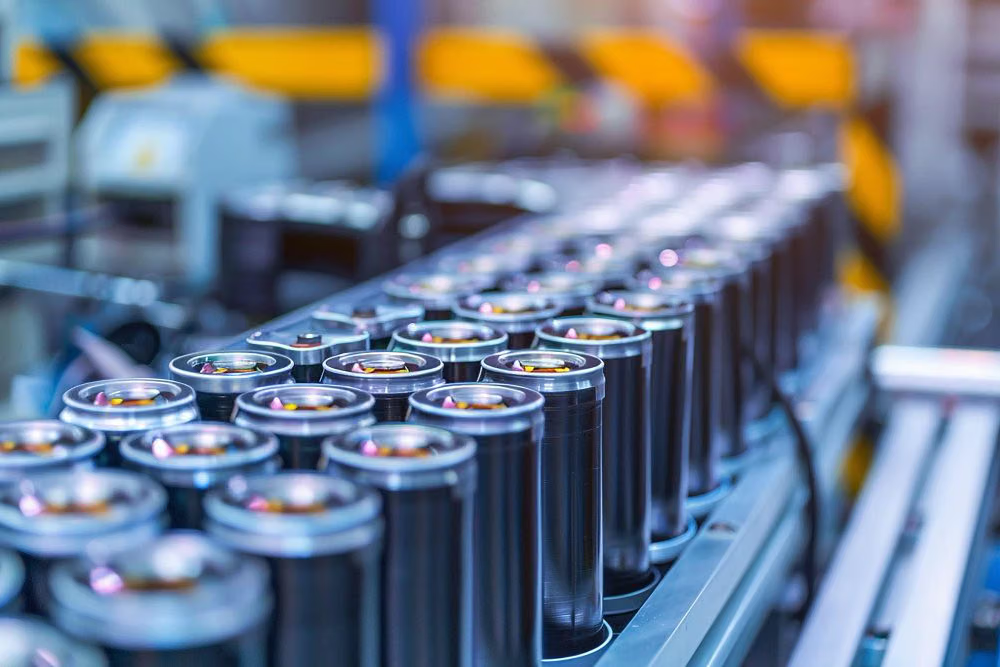
Automotive Sector
Testing, Certification and Conformity in the Automotive Sector
The automotive sector, covering a wide range of products from vehicles to electronic components, from automotive parts to electric vehicles and battery systems, is one of the sectors where technical requirements and conformity processes are critically important.
Overview
Overview of conformity processes in the automotive sector
In the automotive sector, which requires conformity at every stage of the supply chain, each product group — from body and chassis parts to electronic control units, from powertrain systems to interior and exterior trim materials — follows its own testing and certification route.
In assessing the conformity of automotive products to the target market and area of use, testing and analysis, certification, inspection, surveillance, audit, verification and global conformity processes can be addressed together.

How we work
Six steps from scope to certificate
Scope
We determine your product, target market and sector; the required legislation list is produced.
Quote
Testing and audit items are priced separately; the quote is delivered within 24 hours.
Sample / Planning
Sample requirements are shared, or an on-site audit is scheduled.
Testing & Audit
Testing or audit is carried out according to the method of the relevant standard.
Report & Document
A report is issued; if within certification scope, the process proceeds to the decision stage.
Maintaining the validation
Surveillance audits and legislative changes are tracked.
Product groups
What do we test in the automotive sector?
- 01Vehicle body and chassis parts
- 02Engine, transmission and powertrain components
- 03Brake, steering and suspension systems
- 04Vehicle electronics and control units
- 05Lighting, glazing, mirrors and safety components
- 06Interior trim and covering materials

Services
The work we carry out in this sector
From testing laboratories to inspection, surveillance, audit, verification and calibration — all the services the Automotive supply chain needs are under one roof.
All services



Standards
Standards referenced by the sector
Content is linked to standards based on the product's intended use, target market and technical characteristics.
- UNECE R100electric vehicle and battery safety
- ISO 12405Test conditions for electric vehicle lithium battery packs
- UL 2580Safety in electric vehicle batteries
- RTCA DO-160Environmental conditions and test methods in aviation equipment
- MIL-STD-810environmental engineering assessments and laboratory tests
- UNECE R10electromagnetic compatibility in vehicles
- SAE J2334cyclic laboratory corrosion testing
- CISPR 25Radio degradation of in-car components
- ISO 10605electrostatic discharge in vehicles
- ISO 11452radiated field immunity in vehicles
- ISO 20653Protection against dust, water and contact (IP) in vehicles
- ISO 7637electrical transients conducted in vehicles
- UNECE R118combustion behavior of internal materials
- UNECE R125driver's forward field of vision
- CISPR 32emissions in multimedia devices
- MIL-STD-461electromagnetic interference in military systems
- CISPR 25Radio degradation of in-car components
- IEC 60601-1-2electromagnetic compatibility in medical electrical devices
- IEC 61000-3-2harmonic current emission
- IEC 61000-3-3voltage fluctuation and flicker
- IEC 61000-4-11voltage sag and short interruption immunity
- IEC 61000-4-2electrostatic discharge (ESD) immunity
- IEC 61000-4-3radiated RF field immunity
- IEC 61000-4-4rapid transient/burst (EFT) immunity
- IEC 61000-4-5sudden surge immunity
- IEC 61000-4-6conducted RF immunity
- ISO 10605electrostatic discharge in vehicles
- ISO 11452radiated field immunity in vehicles
- UN 38.3Transport safety tests on lithium batteries
- UNECE R100electric vehicle and battery safety
- IEC 62619lithium battery safety in industrial applications
- ISO 12405Test conditions for electric vehicle lithium battery packs
- UL 2580Safety in electric vehicle batteries
- IEC 62133-2Safety in portable lithium cells and batteries
- RTCA DO-160Environmental conditions and test methods in aviation equipment
- MIL-STD-810environmental engineering assessments and laboratory tests
- IEC 60068-2-27mechanical shock test
- ASTM D4728random vibration in packaging
- ASTM D5276free fall test on packages
- IEC 60068-2-6sine vibration test
- IEC 60068-2-64random vibration test
- IEC 60068series of environmental testing methods
- ASTM B117salt spray corrosion test
- ASTM G85modified salt fog (cyclic) test
- ISO 9227salt spray corrosion test
- SAE J2334cyclic laboratory corrosion testing
- VDA 233-102cyclic corrosion testing in automotive
- ASTM G154fluorescent UV accelerated aging
- ASTM G48pitting and crevice corrosion in stainless steels
- ISO 16701cyclic corrosion test
- ISO 6270strength in condensation environment
- ASTM A262susceptibility to intergranular corrosion in stainless steels
- ASTM B368copper accelerated acetic acid salt mist (CASS)
- ASTM D1141artificial sea water preparation
- ASTM D1654Evaluation of painted samples exposed to corrosive environment
- ASTM D2247coating resistance in high humidity
- RTCA DO-160Environmental conditions and test methods in aviation equipment
- MIL-STD-810environmental engineering assessments and laboratory tests
- ASTM G154fluorescent UV accelerated aging
- ASTM G155Accelerated aging with xenon arc
- IEC 60068-2-1low temperature (cold) test
- IEC 60068-2-14temperature change test
- IEC 60068-2-2high temperature (dry heat) test
- IEC 60068-2-30cyclic moist heat testing
- IEC 60068-2-6sine vibration test
- IEC 60068-2-78constant moist heat test
- IEC 60068series of environmental testing methods
- IEC 60068-2-11series of environmental testing methods
- IEC 60068-2-18series of environmental testing methods
- IEC 60068-2-38series of environmental testing methods
- IEC 60068-2-27mechanical shock test
- 16 CFR Part 1203Safety specification for bicycle helmets
- 16 CFR Part 1512safety specifications for bicycles
- API 610centrifugal pumps in the oil and gas industry
- API 617axial and centrifugal compressors in the oil and gas industry
- API 682Seal systems in pumps and compressors
- ASME B46.1surface roughness and waviness
- ASME PTC 19.3Performance test code in temperature measurement
- ASTM A370Mechanical test methods on steel products
- ASTM D1002shear strength in metal adhesive connections
- ASTM D1876peel resistance in adhesives (T-peel)
- ASTM D2344short beam strength in composites
- ASTM D3039Tensile properties in polymer matrix composites
- ASTM D3410Compression properties in polymer matrix composites
- 16 CFR Part 1303Ban on paint and painted products containing lead
- ASTM A123hot dip galvanized coating on iron and steel products
- ASTM B499magnetic thickness measurement in non-magnetic coatings
- ASTM D1186Dry film thickness by magnetic method
- ASTM D1654Evaluation of painted samples exposed to corrosive environment
- ASTM D2244color difference calculation with instrumental measurements
- ASTM D2247coating resistance in high humidity
- ASTM D2794rapid deformation (impact) resistance in coatings
- ASTM D3359adhesion with tape on coatings
- ASTM D4060Taber abrasion wear on coatings
- ASTM D4541pull-out adhesion strength in coatings
- ASTM D522mandrel bending flexibility in coatings
- ASTM D523gloss in coatings
- ASTM D610Degree of rust on painted steel surfaces
Certification
Documents that enable your product to reach the market
Global Market Access
Which market will you offer your automotive product to?
When offering automotive products to different markets, technical legislation, tests, documents and conformity requirements may vary by country and region.
View all markets
Explore other sectors