
About the Standard
Scope title: environmental conditions and test procedures for airborne equipment
RTCA DO-160 is a standard published by RTCA, Inc. (RTCA). It publishes consensus standards for avionics; DO-160 and DO-178 are the most widely used.
See the other 3 codes from RTCACoverage areas
What Is RTCA DO-160?
RTCA DO-160 is the environmental qualification specification for equipment used on aircraft. For a device to be considered airworthy in aviation, its design must be shown to withstand the flight environment; DO-160 is the common language of that demonstration. The European counterpart, EUROCAE ED-14, carries the same text.
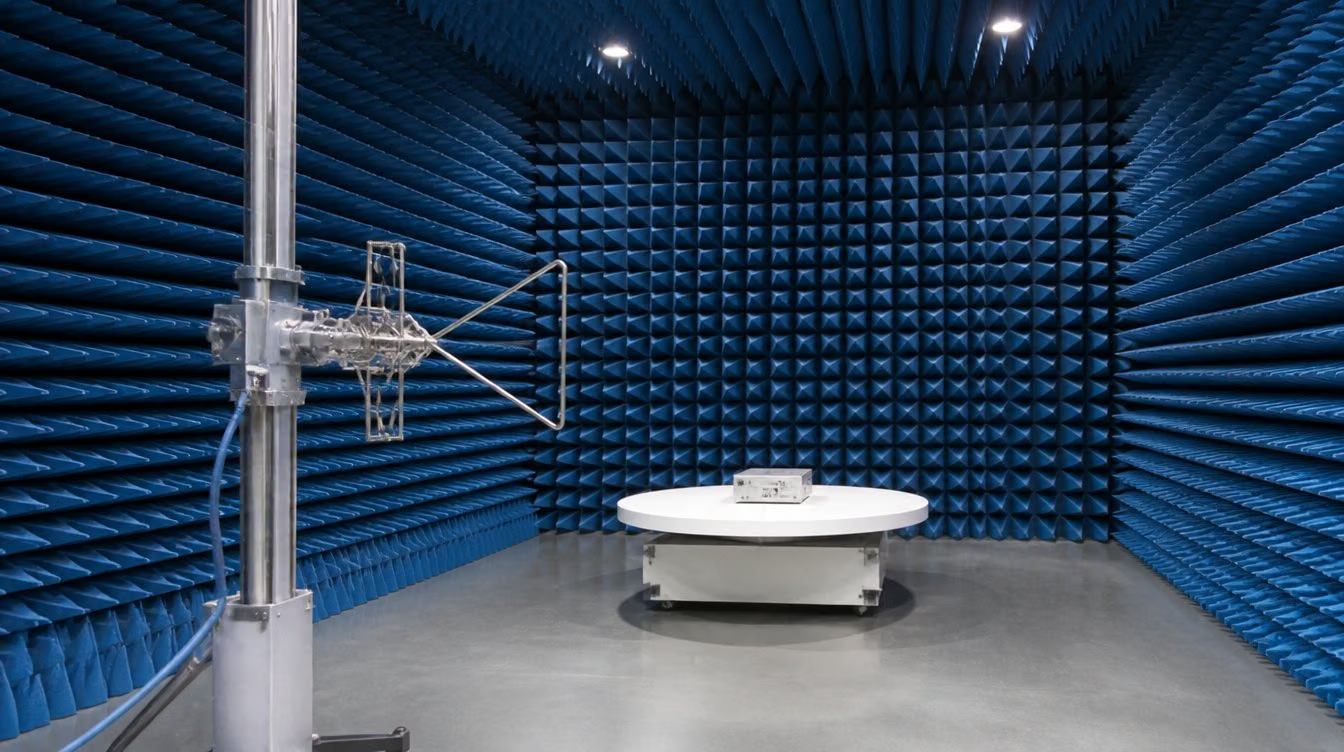
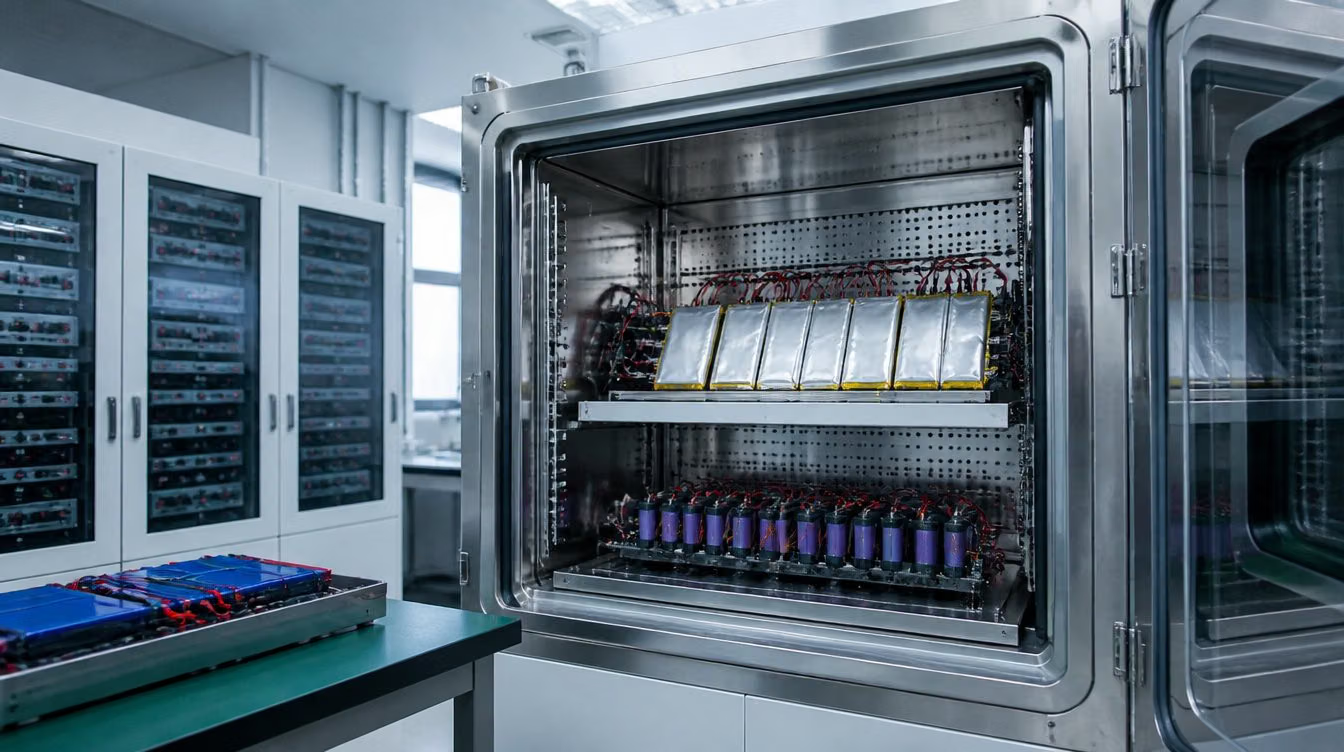
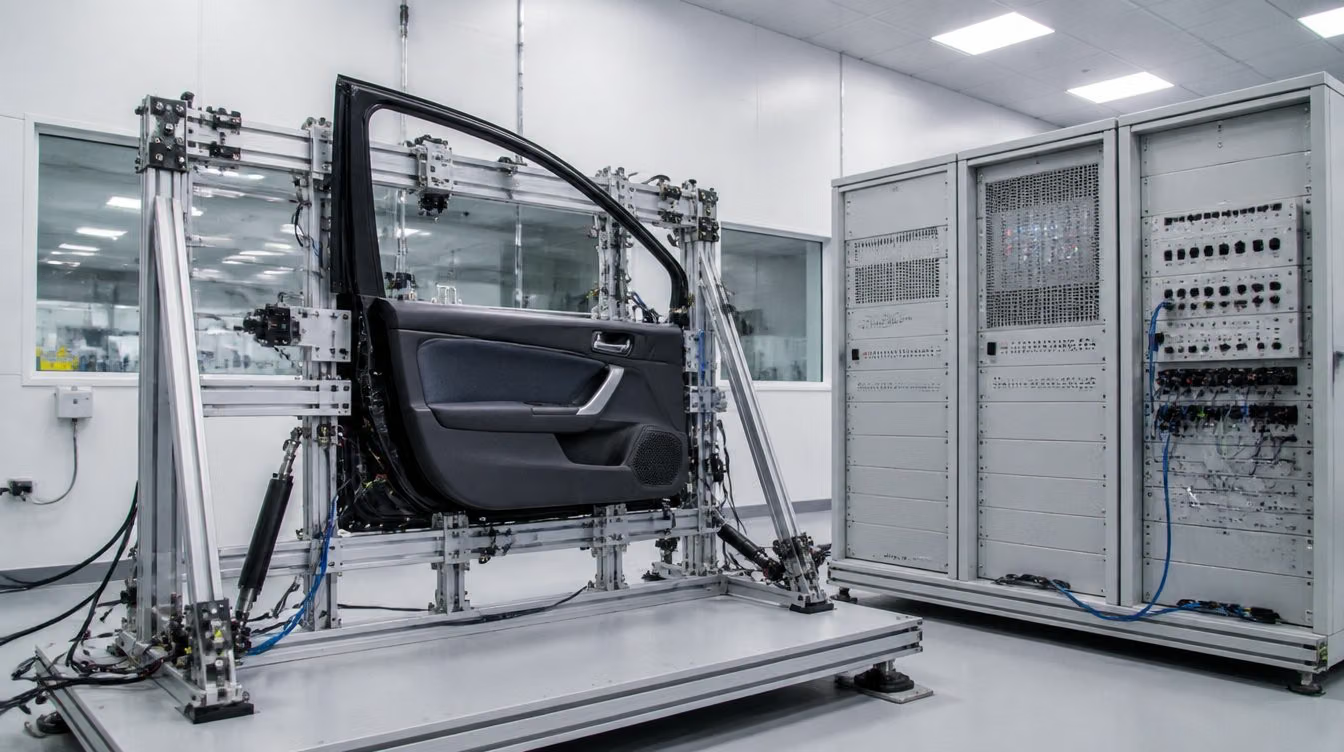
The text is arranged in sections and each section addresses one environmental factor: temperature and altitude, temperature variation, humidity, operational shock and crash safety, vibration, explosive atmosphere, waterproofness, fluid susceptibility, sand and dust, fungus, salt fog, magnetic effect, power input, voltage spike, audio frequency conducted susceptibility, induced signal susceptibility, radio frequency susceptibility, radiated RF emission, lightning, icing and electrostatic discharge.
complies with DO-160
Not all sections are applied to every item of equipment. The icing section is meaningless for a device inside a pressurised cabin; the lightning section may be critical for a device outside it. The set of sections and categories to be applied is defined in the equipment specification, and that specification comes from the customer.
Why Does This Standard Exist?
Fault tolerance in aviation is several orders of magnitude lower than in other sectors, and the reason is simple: maintenance cannot be performed in flight, equipment cannot be replaced and the consequence of a failure cannot be undone. The burden of demonstrating that equipment works in the flight environment is therefore very heavy.
The flight environment is surprisingly harsh and very different from conditions on the ground. Temperature outside the cabin falls to minus sixty degrees, pressure drops, moisture condenses, engine vibration is continuous, a lightning strike is a real possibility and the electromagnetic environment is crowded with the aircraft's own transmitters. DO-160 establishes a systematic qualification framework by addressing each of these factors in a separate section.
The category logic is the cleverest aspect of the standard. The same section defines different levels for different mounting locations. A single specification thus covers all aircraft types and all mounting locations; the equipment manufacturer declares the category in which it was qualified and the integrator assesses that declaration against its own mounting location.
The revision letter (D, E, F, G) changes the content of the sections, and this affects the usability of older reports. New revisions generally add new threats (new RF bands, new lightning levels) and update measurement methods. Which revision applies in a programme comes from the specification.
DO-160 is environmental qualification and DOES NOT COVER software and complex hardware. That side is addressed by DO-178C (software) and DO-254 (complex electronic hardware), which bring process assurance rather than testing. The certification file of an avionics unit carries the evidence of all three documents together.
Which Products Require It
- Avionics hardware and in-cabin electronic systems
- Aircraft electrical, lighting and power distribution components
- Cabin entertainment, communication and connectivity equipment
- Electronic payloads on unmanned aerial vehicles
- On-board sensors, actuators and control units
Related Legislation and Schemes
- It is used as environmental qualification evidence in EASA and FAA certification processes
- It is the environmental specification referred to in TSO (Technical Standard Order) and ETSO approvals
- On the software side RTCA DO-178C and on the complex electronic hardware side RTCA DO-254 are the complementary assurance documents
- EUROCAE ED-14 is the equivalent publication in Europe
- On the quality system side, AS/EN 9100 comes into play
How the Assessment Runs
- 1Reading the equipment specificationWhich sections are applied at which categories is taken from the customer specification. The laboratory cannot make that selection on its own.
- 2The test planThe order of sections, the operating modes of the equipment, the parameters to be monitored and the acceptance criteria are defined in a written plan.
- 3Functional reference measurementThe normal performance of the equipment is recorded before testing; later comparisons are made against it.
- 4Section-by-section qualificationEach section is applied at the relevant category level; the equipment is monitored in an operating state in most sections.
- 5The qualification reportThe sections applied, categories, levels, observations and any deviations are reported.
Neighbouring Standards and the Differences
MIL-STD-810
The military environmental specification. Both perform environmental qualification, but one is written for civil aviation and the other for military equipment, and their profiles differ.
RTCA DO-178C
Software life cycle assurance. It requires process evidence rather than testing; together with DO-160 it completes the file.
RTCA DO-254
Complex electronic hardware design assurance. It comes into play for units containing FPGAs and ASICs.
EUROCAE ED-14
The European equivalent of DO-160; it carries the same text.
What the Report Must Contain
To be usable, a report must carry the information below. An incomplete report may not be accepted in the supply chain or in an inspection even when its result is correct.
- The section numbers applied and the category selected for each
- The revision letter applied (D, E, F, G)
- Equipment description, part number and software/hardware version
- The operating modes during the test and the parameters monitored
- Functional reference measurements and the post-test comparison
- Deviations, observations and any application outside the specification
Commonly Confused Points
- DO-160 certificate
- The selection of sections and categories comes from the customer's equipment specification; if the laboratory makes that selection on its own, the report is not accepted.
- It gets confused with MIL-STD-810: both are environmental specifications but one is written for civil aviation and the other for military equipment.
- A report without a stated revision letter cannot be assessed; revisions change the content of the sections.
- If the equipment is not operated during the test, intermittent faults remain invisible; the parameters monitored must be stated in the report.
- DO-160 does not cover software and complex hardware; that side is addressed by DO-178C and DO-254.
Structure of the Code
- Published by
- RTCA DO
- Serial number
- 160
- Part
- without partition
Codes in the library without release year is kept. The current version changes over time; If the year is specified in your specification, that version is taken as basis, if not specified, the most current version is applied.
Scope
- Test
- EMC / EMI Testing
- Battery Testing
- Automotive Testing
- Aerospace Testing
- Standard-Based Tests
- Vibration and Shock
- Aerospace Testing
- Environmental Testing
Related Tests and Services
Of the 45 pieces of content this code is referenced in, the 22 with their own published page are listed below.
Test · 22
- Aviation Vibration – RTCA DO-160
- Temperature and Altitude – RTCA DO-160
- Temperature Variation – RTCA DO-160
- Humidity – RTCA DO-160
- Operational Shock and Crash Safety – RTCA DO-160
- Vibration – RTCA DO-160
- Explosion Proofness – RTCA DO-160
- Waterproofness – RTCA DO-160
- Fluids Susceptibility – RTCA DO-160
- Sand and Dust – RTCA DO-160
- Fungus – RTCA DO-160
- Salt Spray – RTCA DO-160
- Magnetic Effect – RTCA DO-160
- Power Input – RTCA DO-160
- Voltage Spike – RTCA DO-160
- RF Susceptibility – RTCA DO-160
- RF Emissions – RTCA DO-160
- Lightning Induced Transient – RTCA DO-160
- Lightning Direct Effects – RTCA DO-160
- Icing – RTCA DO-160
- ESD – RTCA DO-160
- Fire and Flammability – RTCA DO-160
Technical Requirements
Standard texts are copyright of the relevant organization; test condition, sample and acceptance criteria cannot be fitted here.
Basis: The RTCA DO-160 section headings and category logic; the EUROCAE ED-14 equivalence; the DO-178C and DO-254 references. The revision letter (D, E, F, G) changes the content of the sections and the levels are defined in the revision in force.
Technical requirements specific to your product, once we clarify the scope At offer stage shared in writing.
Related Standards
Frequently Asked Questions About RTCA DO-160
Which sections apply to us?
That depends on the equipment's mounting location in the aircraft and on the customer specification. A device inside a pressurised cabin and one outside it pass through different sets of sections and categories.
We have a MIL-STD-810 report — does it take the place of DO-160?
It does not. The profiles, categories and measurement approaches differ; a civil aviation file requires DO-160.
Do we have to do all the sections?
No, and you should not. Applying sections that are not needed inflates cost unnecessarily; the set to be applied comes from the specification and the sections not applied are justified in the report.
Is DO-160 enough for our software as well?
It is not. Software assurance falls under DO-178C and complex electronic hardware assurance under DO-254, and these require process evidence.
Frequently Asked Questions
Is this standard mandatory for my product?
Whether it is mandatory depends on the product group, the target market and the applicable legislation. Once you tell us your product and market, we clarify in writing whether this standard is required.
How long does the test process take?
Duration depends on the scope of the standard, the number of specimens and current capacity. The exact duration is shared, together with the specimen and scope details, at the quote stage.
Do you issue certification against this standard?
Which activity is carried out under which accreditation scope is separately confirmed at the application stage. Up-to-date scope information is published on our corporate page.
What happens if the standard I need is not here?
The library is based on a continuously growing inventory. If you cannot find the code you are looking for, you can send it through the quote form; we will assess the relevant scope and get back to you.