
Testing & Laboratory
Aerospace Testing
With its subgroups, experiments and associated standards.
Request a QuoteScope
Subgroups within Aerospace Testing
Each group lands in its own section on the same page; The full list of experiments is there.
RTCA DO-160
 Temperature VariationRTCA DO-160
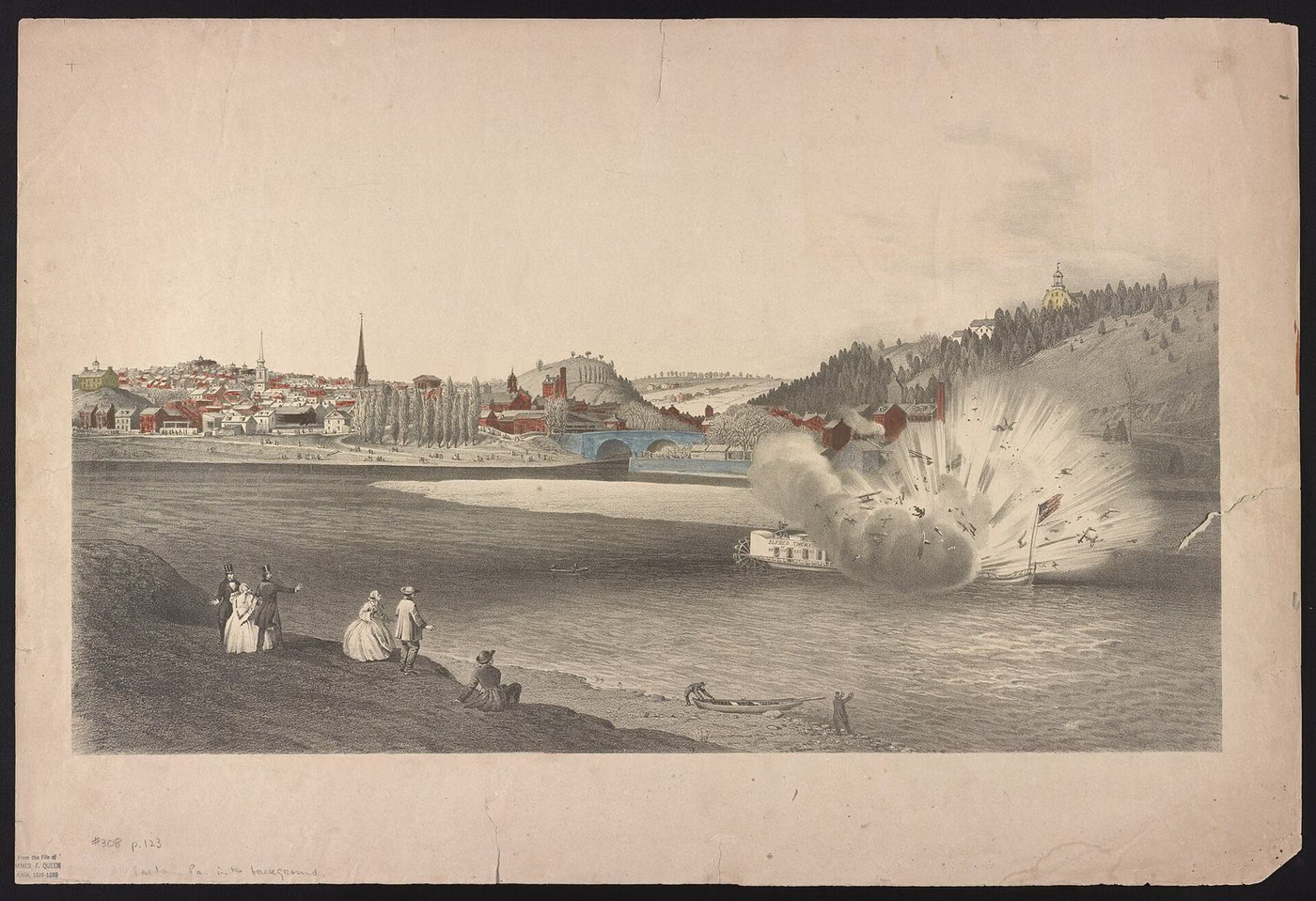 Explosion ProofnessRTCA DO-160
 WaterproofnessRTCA DO-160
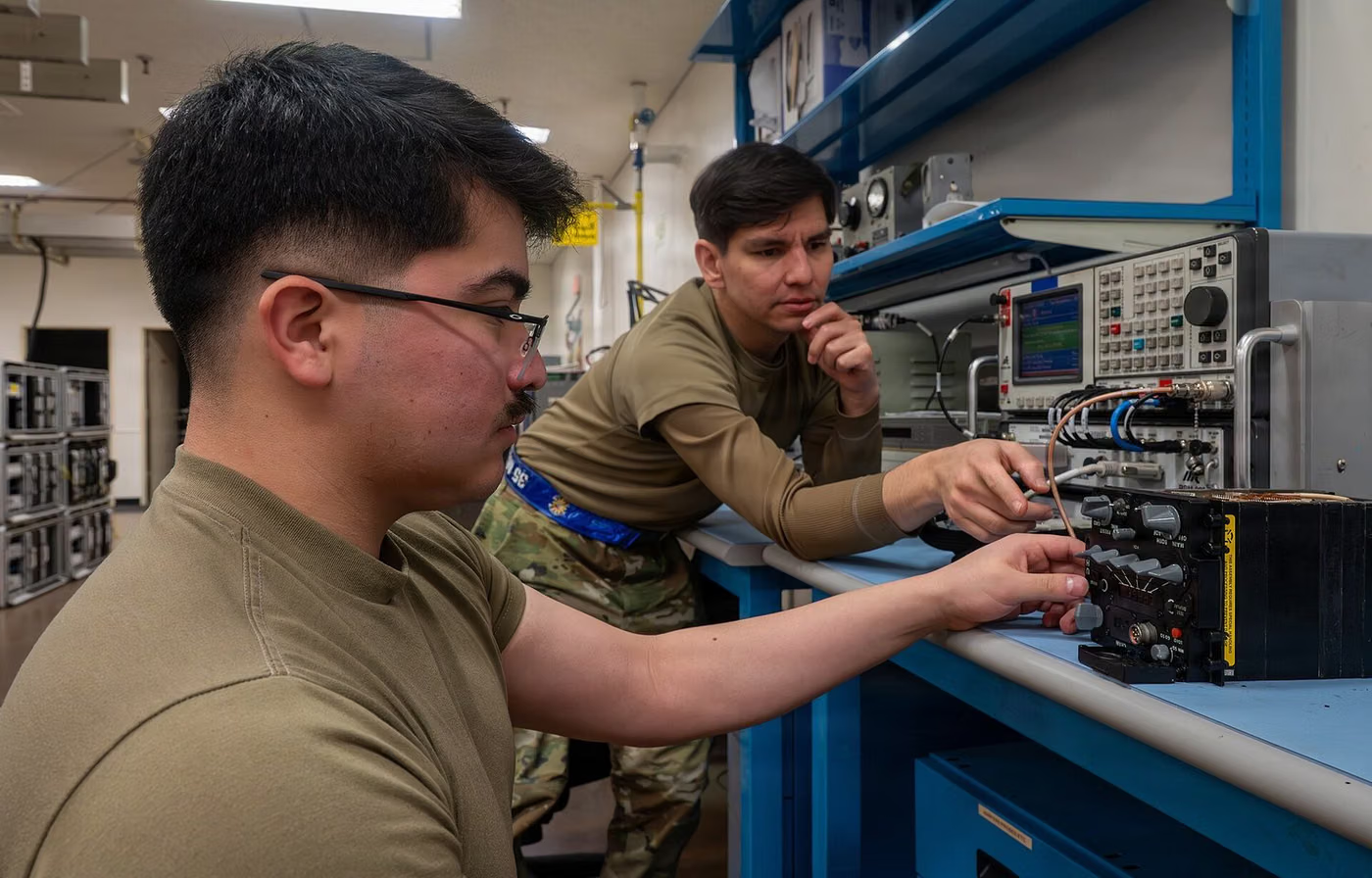 Fluids SusceptibilityRTCA DO-160
 FungusRTCA DO-160
- FungusMIL-STD-810
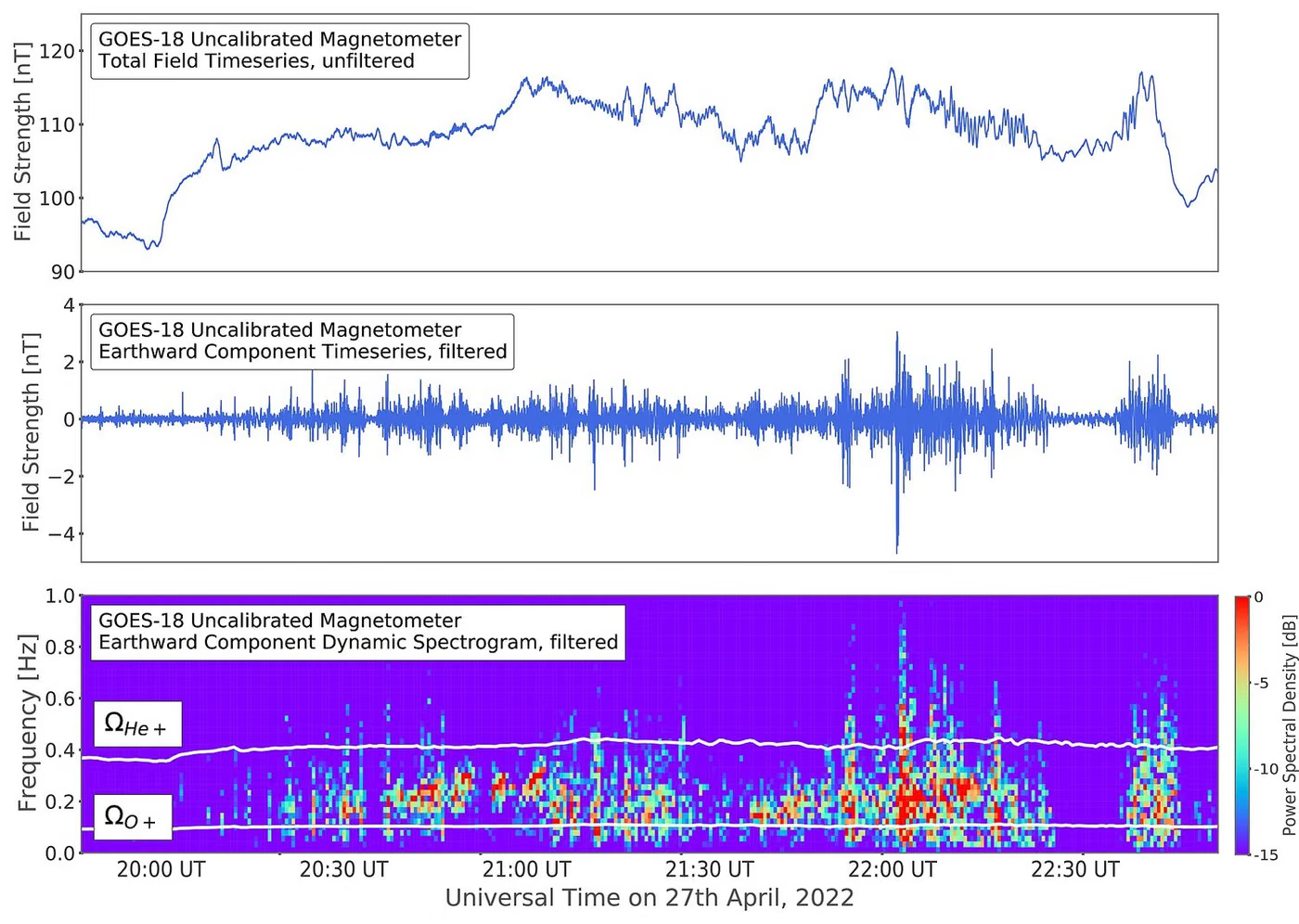 Magnetic EffectRTCA DO-160
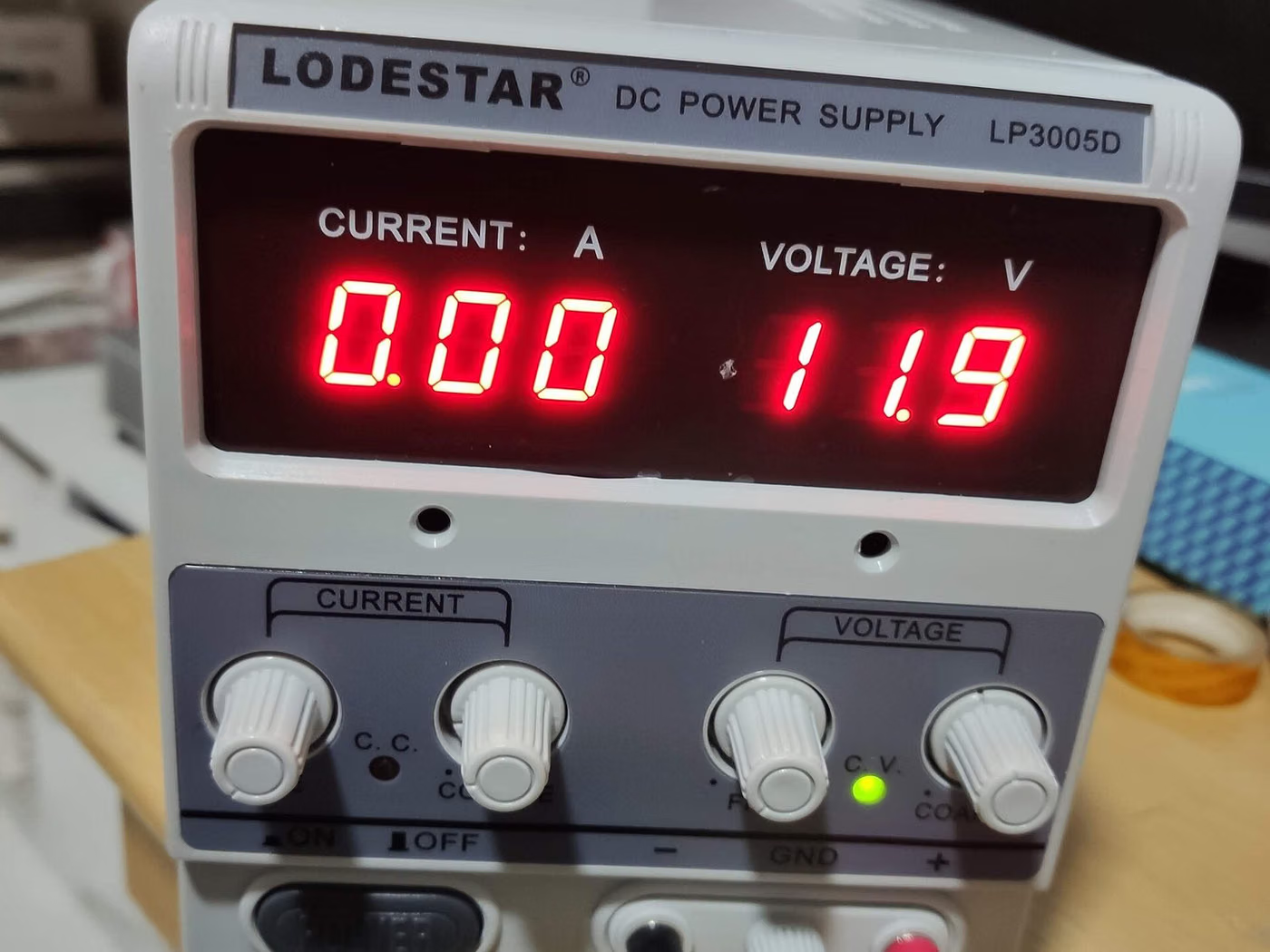 Power InputRTCA DO-160
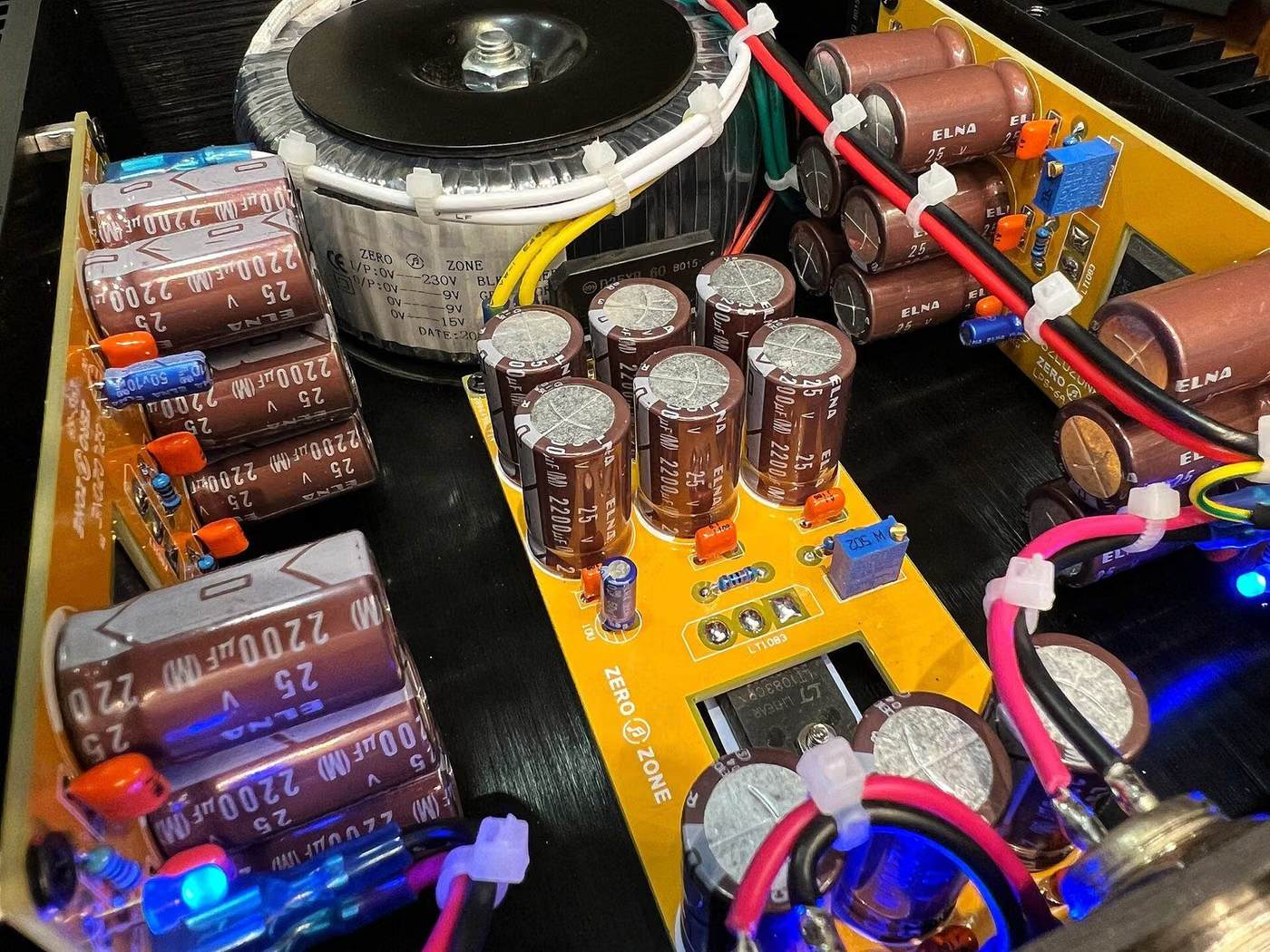 Voltage SpikeRTCA DO-160
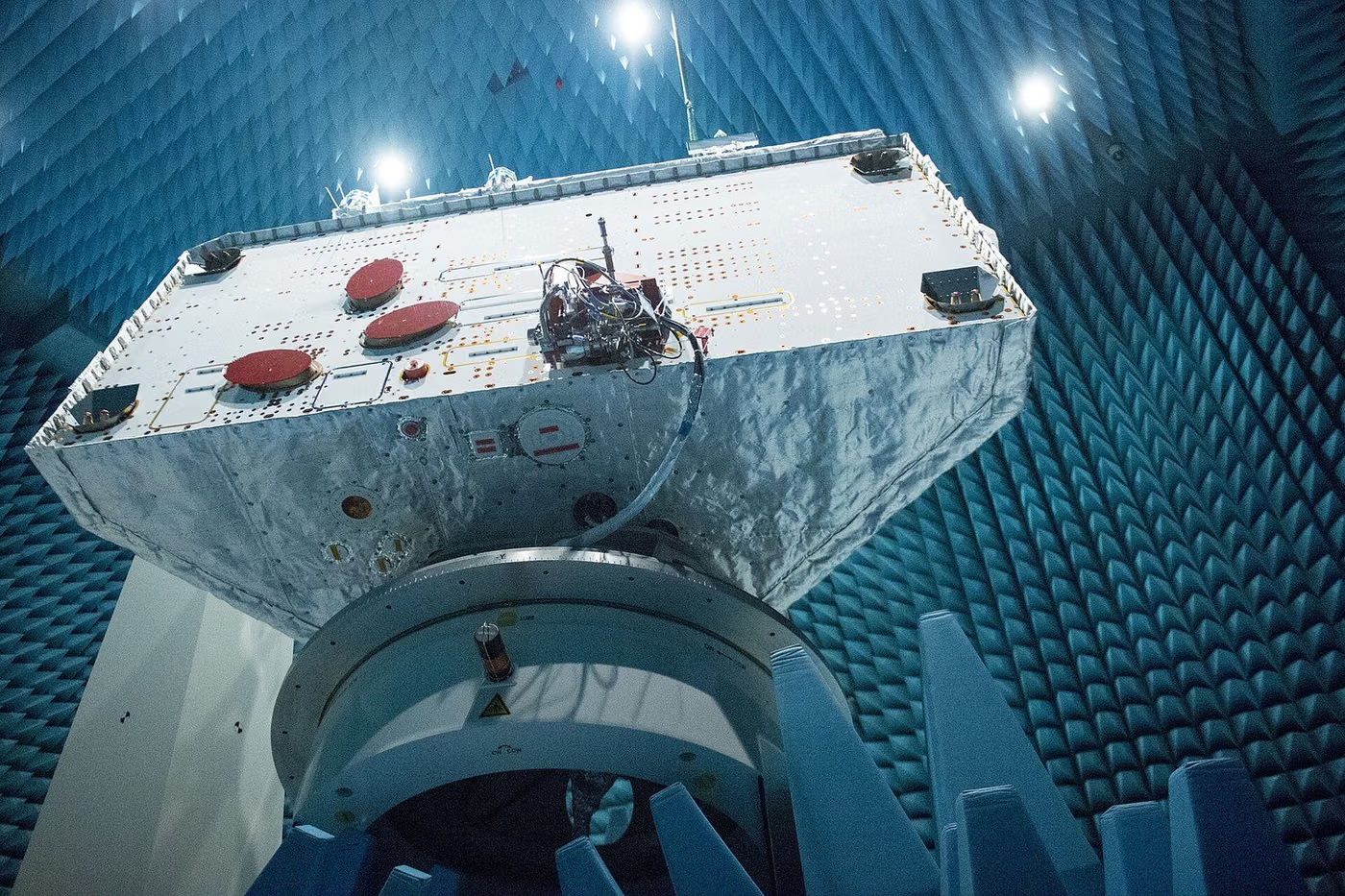 RF SusceptibilityRTCA DO-160
- RF EmissionsRTCA DO-160
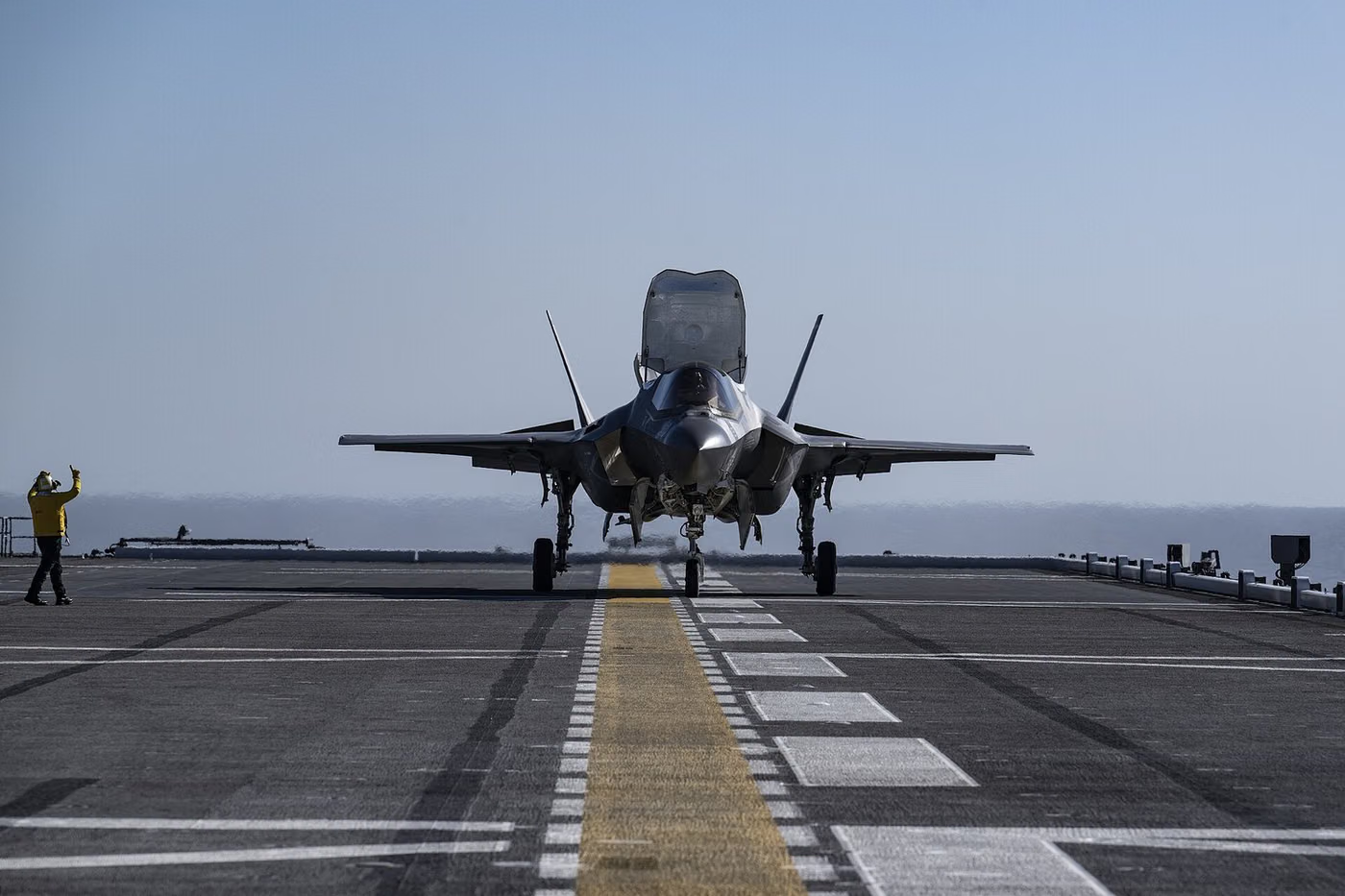 Lightning Induced TransientRTCA DO-160
- Lightning Direct EffectsRTCA DO-160
- IcingRTCA DO-160
- IcingMIL-STD-810
- Temperature
- Altitude
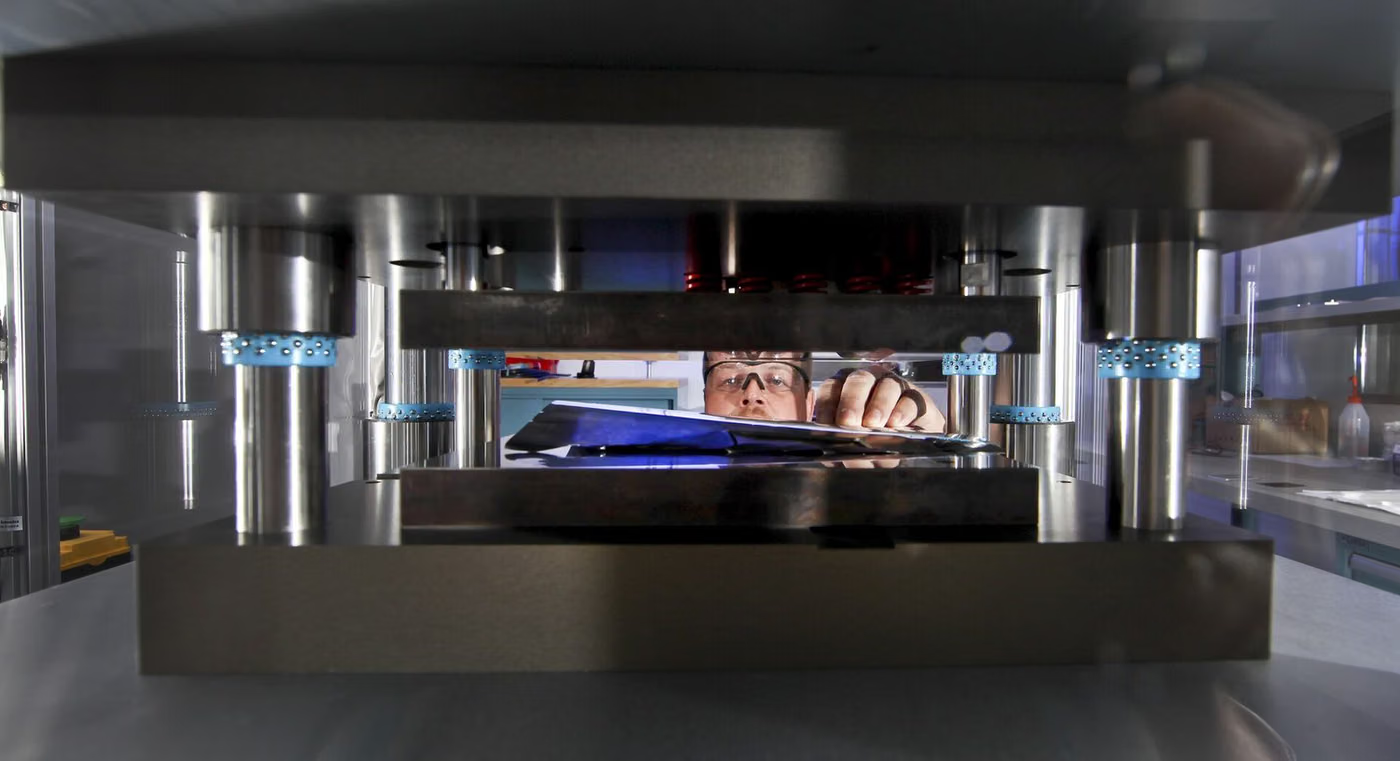 Humidity
 Operational Shock
 Crash Safety
 Vibration
- Sand & Dust
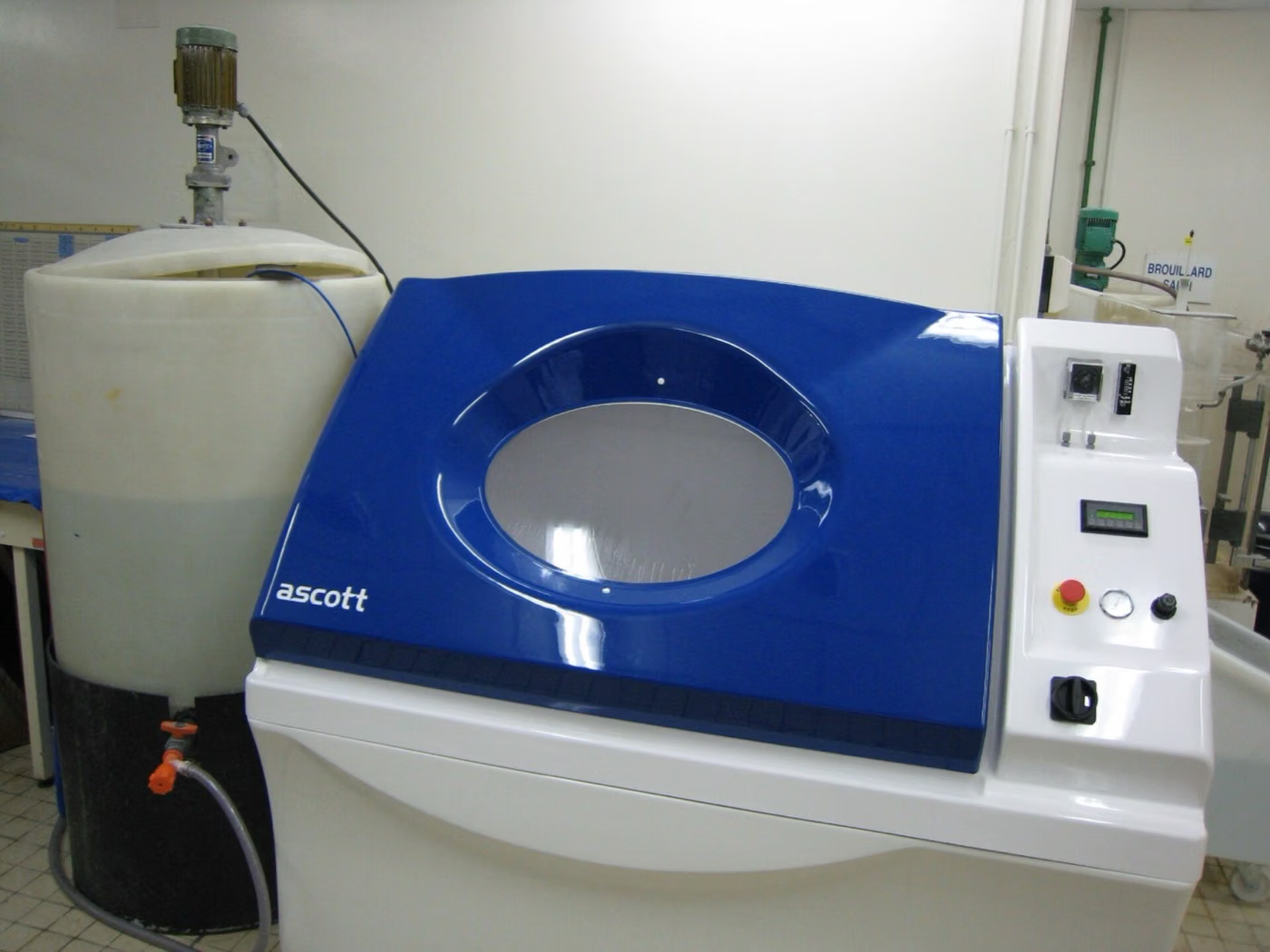 Salt Spray
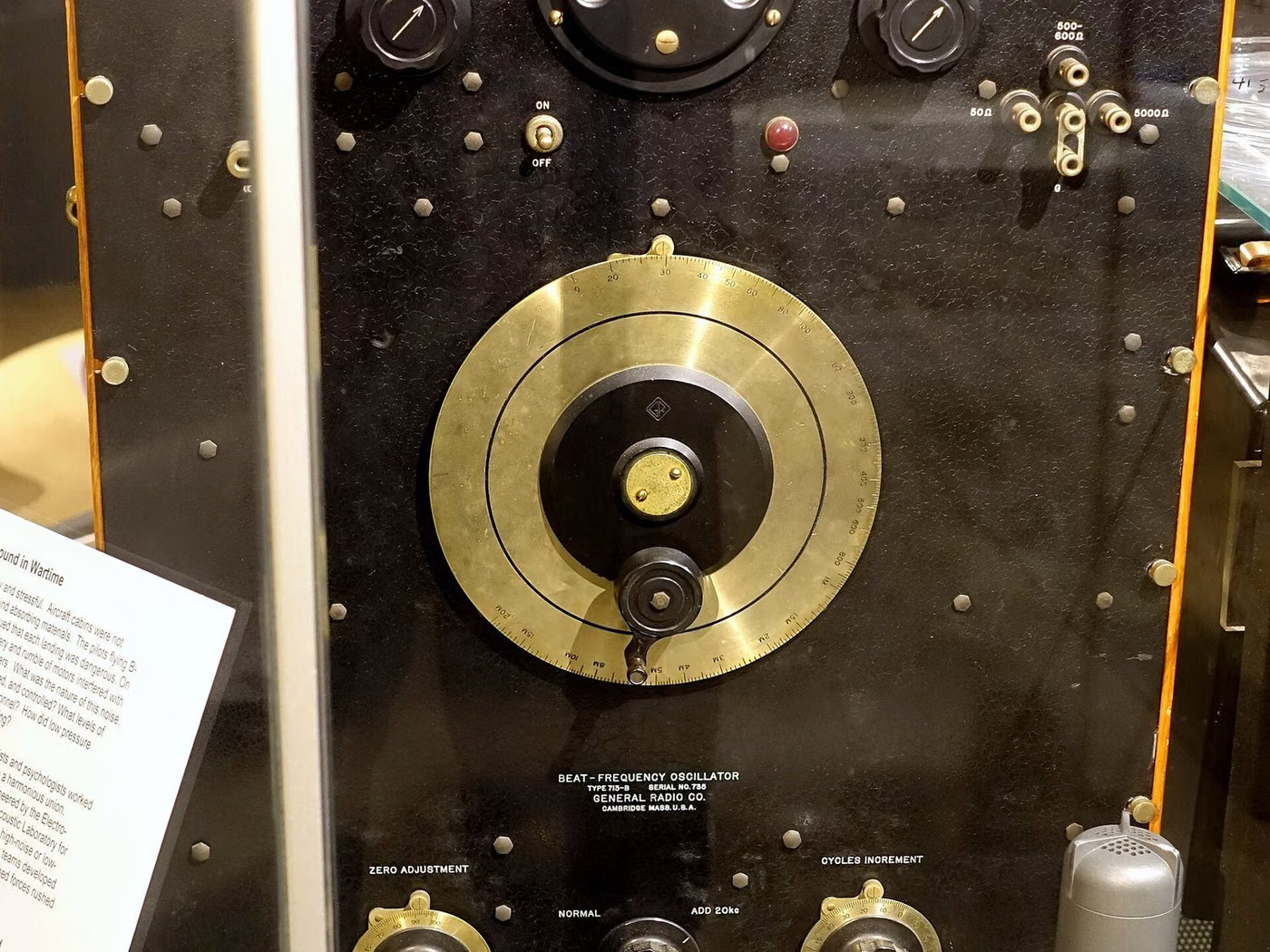 Audio Frequency
- Induced Signal
- ESD
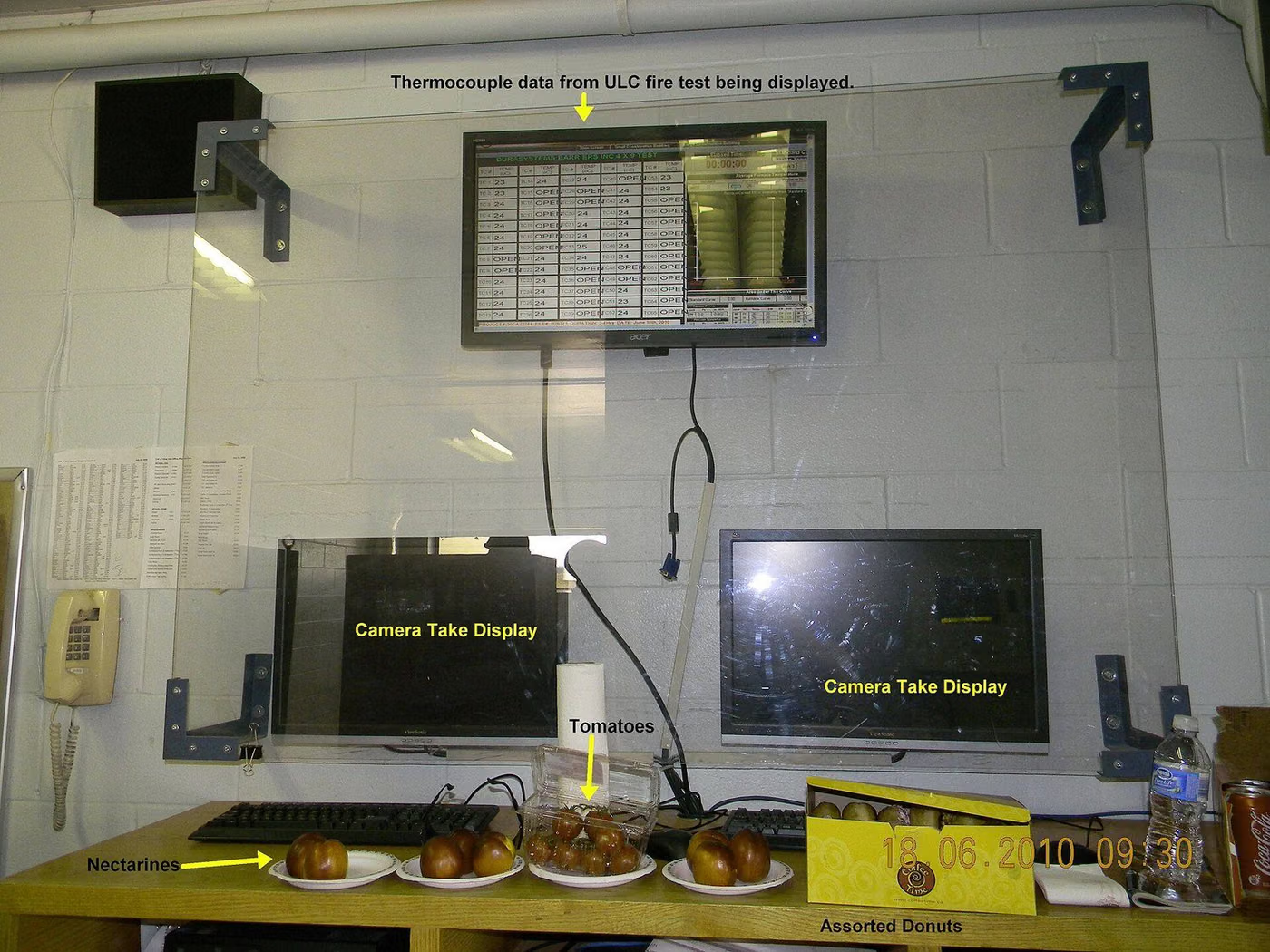 Fire
- Flammability
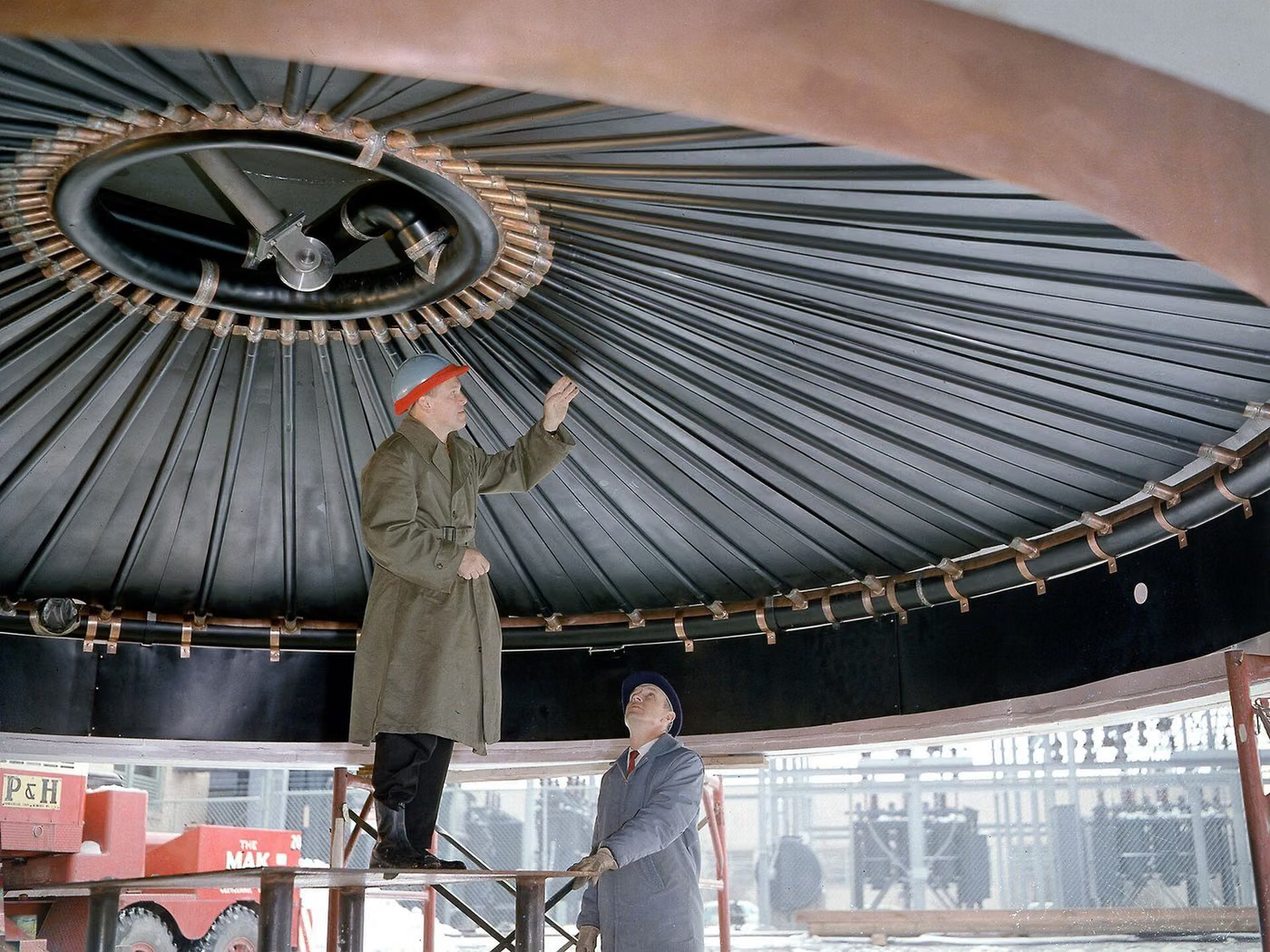 Temperature and AltitudeRTCA DO-160
- Operational Shock and Crash SafetyRTCA DO-160
- Sand and DustRTCA DO-160
- Fire and FlammabilityRTCA DO-160
Space
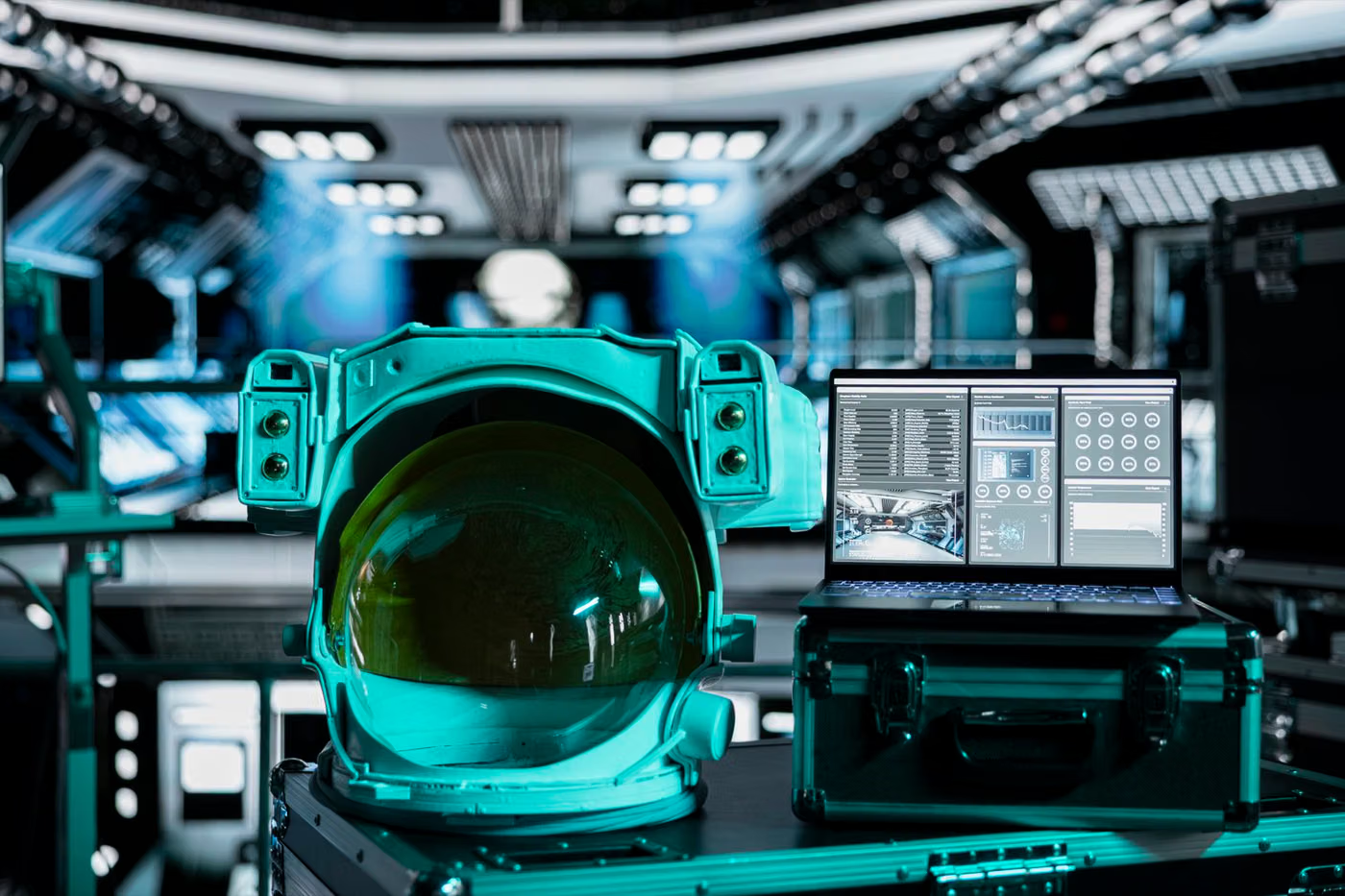

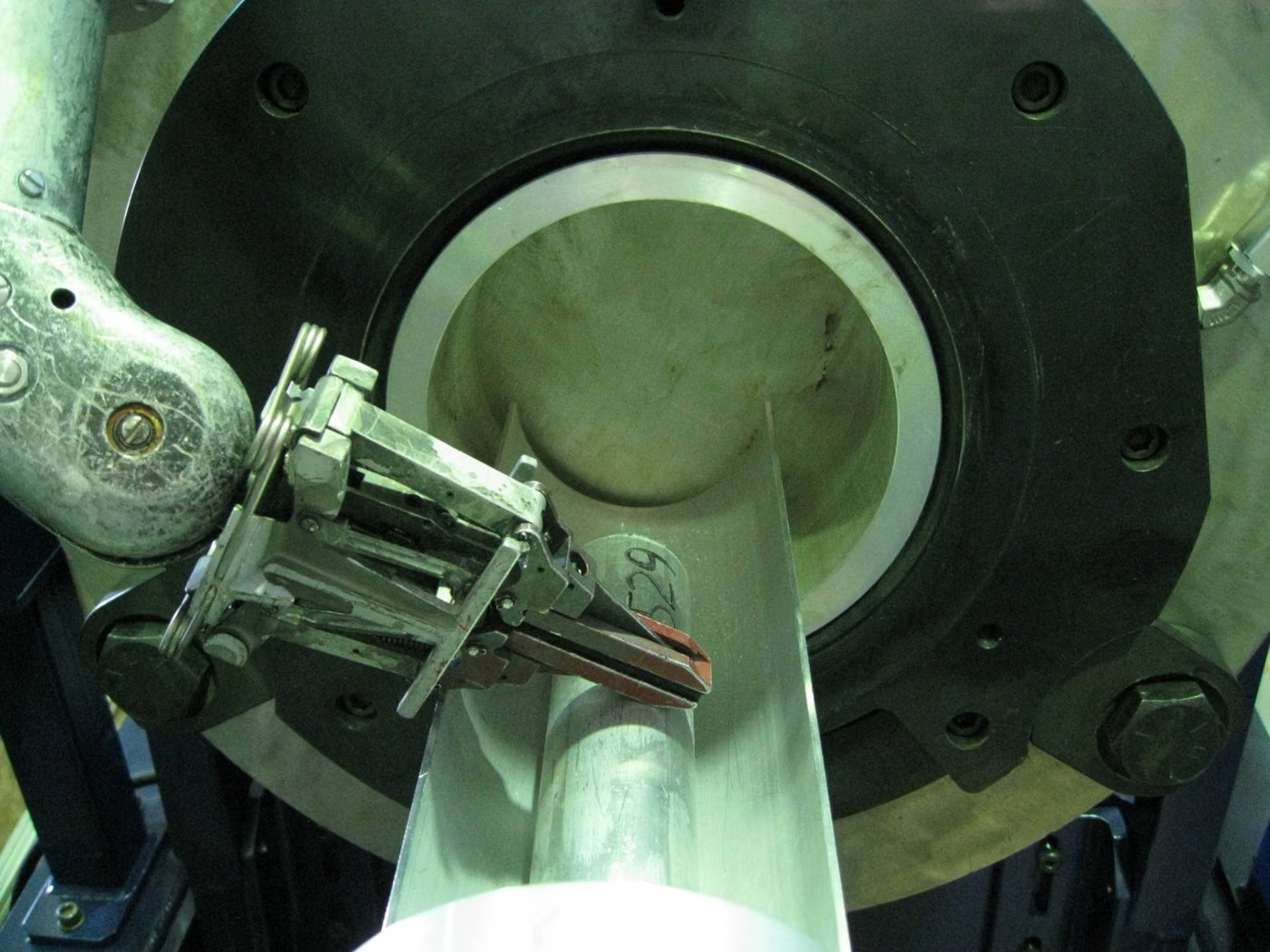
Aerospace Testing — What Does This Testing Field Cover?
The section below describes how the field of Aerospace Testing works. The conditions, sample requirements and acceptance criteria of the individual tests in this field are given on the relevant test pages.
Aerospace testing shows that equipment keeps working in the flight environment and provides evidence for the airworthiness file. In this family the acceptable probability of failure is several orders of magnitude lower than in other sectors; this directly determines the scope of testing and the certification burden.
The most distinctive feature of the field is TRACEABILITY. Which melt an aircraft part came from, in which heat treatment furnace and with which cycle it was processed, which operator made the weld and which inspector approved it are all recorded. The test report is one link in this chain; if the chain is broken, the report carries no value on its own.
Environmental qualification runs through RTCA DO-160, with categories selected according to the equipment's MOUNTING LOCATION in the aircraft. A device mounted on the cockpit panel and one mounted inside the wing pass the same section under different categories. When reading a DO-160 report it is therefore essential to know which sections were applied at which categories.
On the software and complex hardware side the approach changes entirely: the evidence is not testing but PROCESS ASSURANCE. DO-178C for software and DO-254 for complex electronic hardware define how the development process is to be run and which evidence is to be produced. Every step, from requirement to code, from testing of the code to coverage analysis, must be traceable. Testing software does not make it certifiable; the process record does.
A separate body of work applies on the material and special process side. AWS D17.1 is used for welding, SAE AMS 2750 for pyrometry in heat treatment and NAS 410 for non-destructive testing personnel. For special processes (heat treatment, coating, welding, NDT, bonding) NADCAP accreditation is effectively mandatory in the supply chain; without NADCAP it is not possible to sell parts to many OEMs.
On the quality system side the AS/EN 9100 series is used: 9100 for manufacturers, 9110 for maintenance organisations and 9120 for distributors. Without these certificates it is practically impossible to enter the aerospace supply chain, and audits are markedly more detailed than in other sectors.
Counterfeit part risk is a subject peculiar to the field. Separate standards and verification methods (visual inspection, X-ray, decapsulation and internal structure examination, XRF) are used to detect counterfeit or reworked parts in the electronic component supply chain.
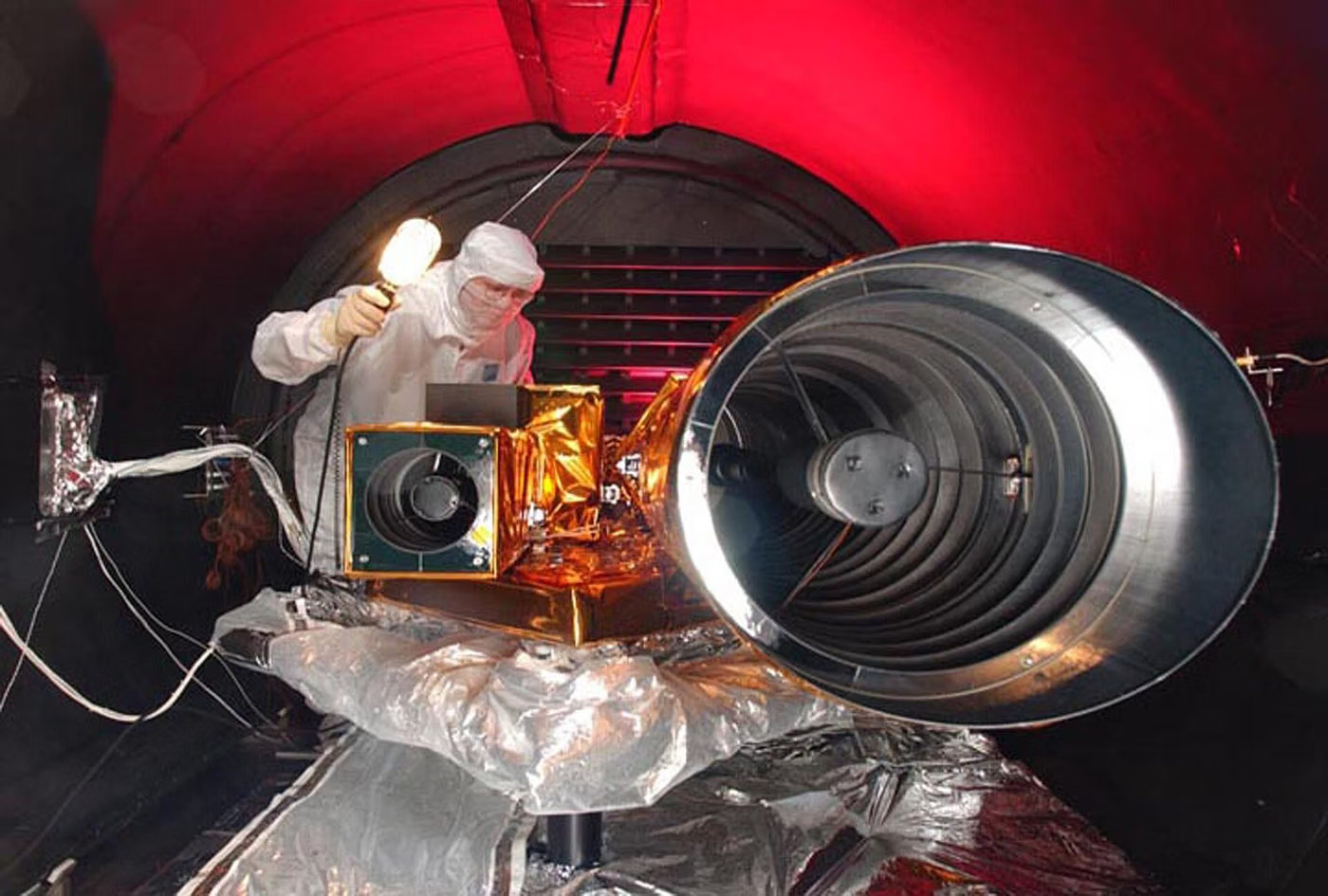
Space applications add further layers: outgassing in vacuum, radiation tolerance, long-duration thermal vacuum cycling and assessment of single event effects.
Method groups in this field
Environmental qualification
RTCA DO-160 sections: temperature and altitude, vibration, shock, humidity, sand and dust, fungus, salt fog, fluid susceptibility, icing, lightning.
Electromagnetic
The EMC sections of DO-160; MIL-STD-461 and MIL-STD-704 power characteristics on military platforms.
Software and hardware assurance
DO-178C software life cycle and DO-254 hardware design assurance evidence; requirement traceability and coverage analysis.
Materials and welding
Welding qualification under AWS D17.1, mechanical testing of materials, metallography and non-destructive examination.
Special process control
SAE AMS 2750 pyrometry, coating and heat treatment process verification, preparation for NADCAP audits.
Space environment
Thermal vacuum cycling, outgassing, radiation tolerance and acoustic/vibration qualification.
Commonly confused in this field
- There is no such document as a "DO-160 certificate"; DO-160 is a test specification and its output is a qualification report.
- The selection of sections and categories comes from the customer's equipment specification; the laboratory cannot make that selection on its own.
- DO-178C and DO-254 cannot be satisfied by testing; the evidence is the traceability of the development process.
- An AS9100 certificate is not a product approval; it is a quality system certificate and part approval runs separately.
- For special processes, work carried out without NADCAP is not accepted in the supply chain even when it is technically correct.
- MIL-STD-810 and DO-160 are often confused: one is a military and the other a civil aviation specification, and their profiles differ.
Which decisions these results support
- Airworthiness and TSO/ETSO files
- Entry into the aerospace supply chain and supplier approval
- Special process approval and NADCAP preparation
- Determining the impact of a design change on qualification
- Managing counterfeit part risk and component verification
Sectors
In which sectors is Aerospace Testing used?

Aerospace
Aerospace Testing · Environmental and Climatic Testing · Vibration and Shock
Explore
Space
Aerospace Testing · Environmental and Climatic Testing · Vibration and Shock
Explore
Defence
Defence Testing · Environmental and Climatic Testing · Vibration and Shock
Explore
Electronics
EMC / EMI Testing · Electrical Safety · RF and Wireless Testing
Explore




Aerospace Testing quote
Tell us your product and the applicable standard; we'll share the timeline and sample requirements in writing.