
Testing & Laboratory
Chemical Testing
A scope heading, not a single list of experiments; The following test families conduct the experiments.
Request a QuoteChemical Testingis a scope heading, not a single list of experiments. The following test families carry out the experiments in the scope; A complete list of each family is on its own page.
Metal and Metallurgy Testing
Full page Metal and Metallurgy Testing
Food Testing
Full page Food Testing
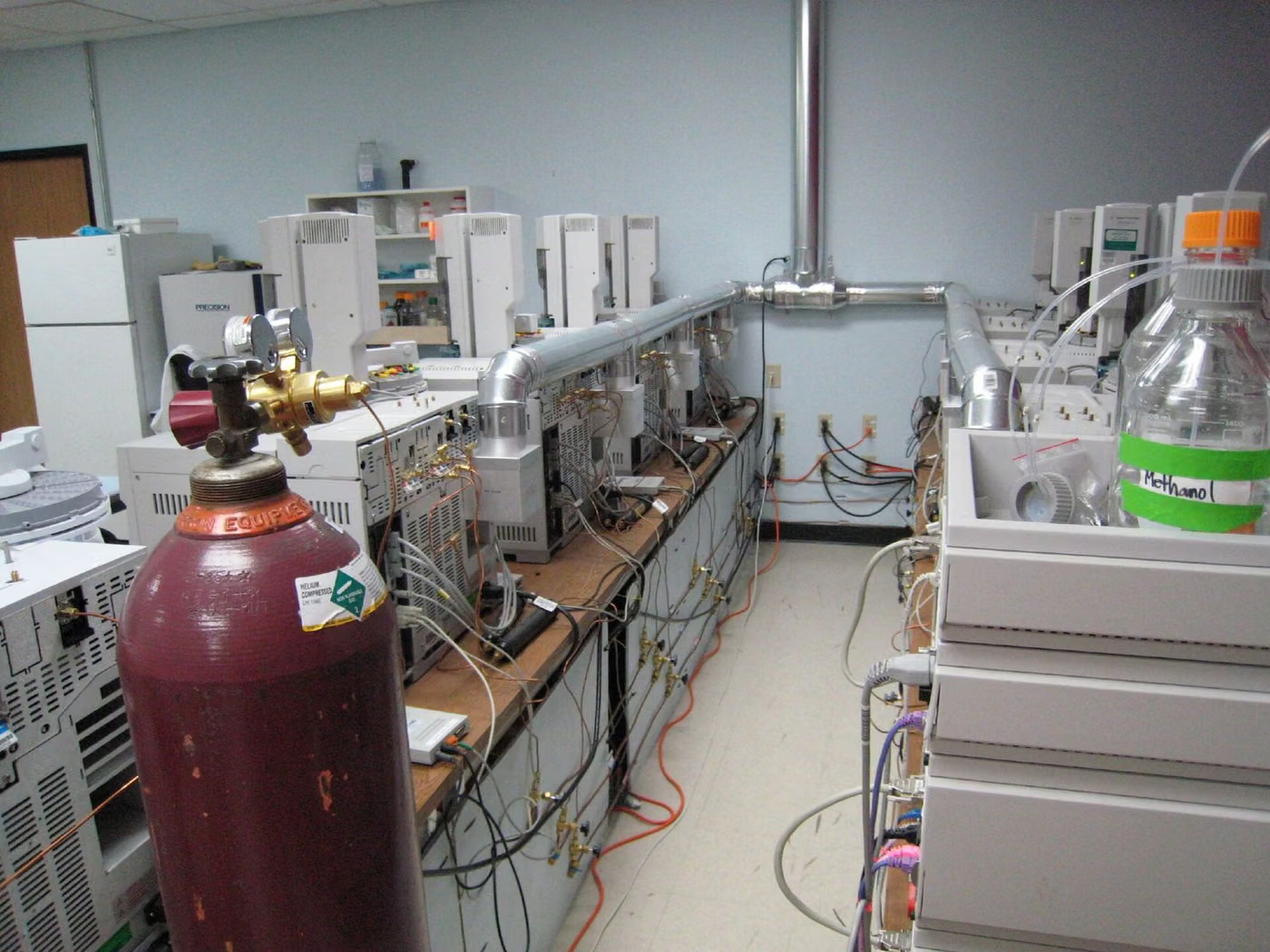
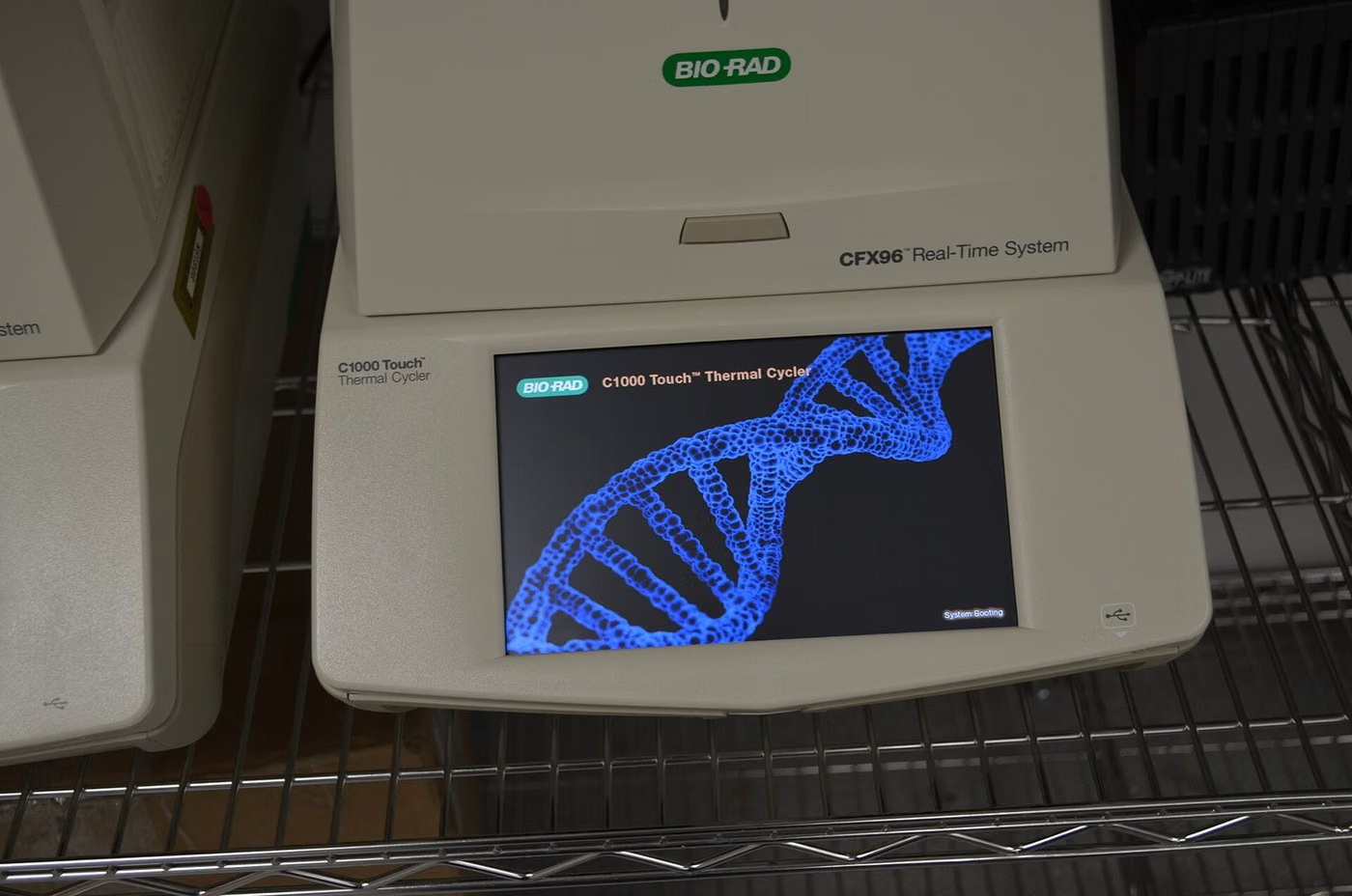
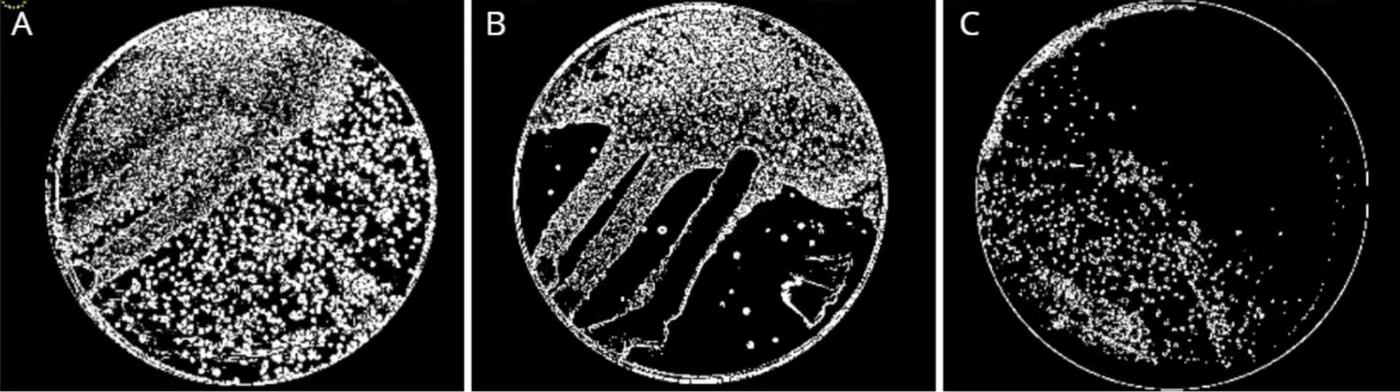
Cosmetics Testing
Full page Cosmetics Testing

Environmental Analysis
Full page Environmental Analysis
Chemical Testing — What Does This Testing Field Cover?
The section below describes how the field of Chemical Testing works. The conditions, sample requirements and acceptance criteria of the individual tests in this field are given on the relevant test pages.
Chemical testing determines which substances are present in a material and at what concentrations. The output of this family is usually assessed against a RESTRICTION: is the substance banned, is it below the limit, does it have to be notified?
The most defining feature of the field is that restrictions CHANGE RAPIDLY. The REACH Annex XVII list expands regularly, the SVHC candidate list is updated every six months, the RoHS substance list takes on new items, the scope of the POPs regulation widens, and brand restricted substance lists are revised several times a year. When reading a chemical report it must therefore be stated which version of the list it was assessed against; a report obtained two years ago may fall short against today's list.
Methods are divided according to the type of analyte. ICP-OES, ICP-MS, AAS and XRF are used for elemental analysis; GC-MS, HPLC and LC-MS/MS for organic compounds; FTIR and Raman for structural identification; DSC and TGA for thermal characterisation.
XRF has a special place in the field and is often misused. Because it is fast, non-destructive and suitable for field use, it is very valuable as a screening tool: it answers within minutes whether a product contains lead or bromine. But XRF is an ELEMENTAL screening method and does not distinguish compounds. It sees the presence of bromine but does not say whether that bromine is a restricted flame retardant or a permitted compound. A definitive decision requires confirmation by wet chemistry.
Sample preparation is the invisible half of the result. A multi-component product — an electronic board or a shoe, for example — is not a homogeneous sample; each component must be separated and analysed individually. In a RoHS assessment this separation goes down to the "homogeneous material" level and the limits are applied at that level. Grinding the whole product and analysing it dilutes the restricted substance and hides it.
The detection limit and measurement uncertainty determine the quality of decisions in this field. A result falling just below a limit may be above it once uncertainty is taken into account. Accredited reports therefore declare the uncertainty, and a decision rule is applied in the conformity decision.
Declaration obligations go beyond analysis. SVHC notification, supply chain communication and product composition declarations are usually built from supplier data rather than from analysis; analysis is used to verify that data. A complete conformity file combines the two.
Method groups in this field
Elemental analysis
Trace element determination by ICP-OES and ICP-MS, targeted measurement by AAS, rapid screening by XRF.
Organic compounds
Volatile and semi-volatile compounds by GC-MS, polar compounds and residues by HPLC and LC-MS/MS.
Restricted substance screening
The six RoHS substances, phthalates, brominated flame retardants, PFAS, azo dye amines, short-chain chlorinated paraffins.
Structural identification
Polymer and compound identity by FTIR and Raman, layer analysis under the microscope.
Thermal analysis
Composition, filler content, decomposition temperature and transition temperatures by DSC and TGA.
Migration and release
Migration in food contact materials, element migration in toys, nickel release in contact with skin.
Commonly confused in this field
- XRF is not a method for definitive decisions; it sees elements and does not distinguish compounds. A decision on a restricted compound requires confirmation.
- RoHS limits are applied at the homogeneous material level; grinding the whole product and analysing it dilutes the restricted substance and produces a false conformity.
- A report that does not state the list version may fall short against today's legislation; restrictions are updated continuously.
- Results just below a limit are assessed together with the measurement uncertainty; declaring conformity without a decision rule is risky.
- A supplier declaration does not replace analysis, nor does analysis replace the supplier declaration; a complete file combines the two.
- The phrase "not detected" is not proof of absence; it is read together with the detection limit of the method.
Which decisions these results support
- RoHS and REACH declaration of conformity
- SVHC notification and supply chain communication
- Auditing against the brand restricted substance list
- Responding to customs and market surveillance requests
- Verifying a supplier material change
Related test families
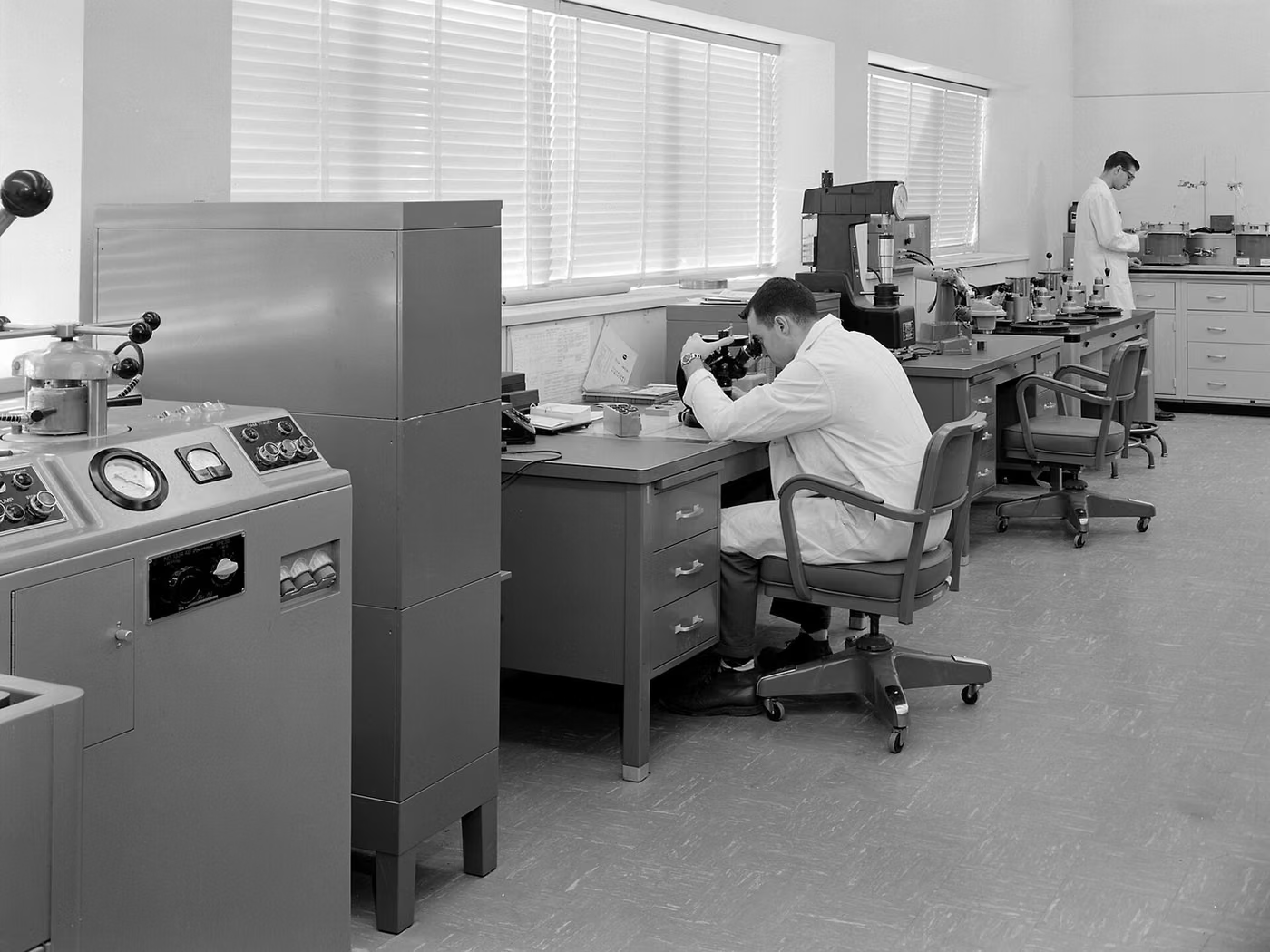
Metal and Metallurgy Testing
Chemical Composition · Metallographic Analysis · Mechanical Properties · Weld Analysis · Coating Thickness · Corrosion · Failure Analysis

Food Testing
Mikrobiyoloji · Chemistry · Kontaminant · Other

Cosmetics Testing
Mikrobiyoloji · Physicochemical · Protection factor · Dermatolojik · Kimyasal

Environmental Analysis
Sample Types · Parametreler
Sectors
In which sectors is Chemical Testing used?
Metals
Metal and Metallurgy Testing · Mechanical Testing · Corrosion Tests
Explore
Steel
Metal and Metallurgy Testing · Mechanical Testing · Corrosion Tests
Explore
Mining
Metal and Metallurgy Testing · Environmental Analysis · Construction Materials Testing
Explore
Machinery
Mechanical Testing · Electrical Safety · EMC / EMI Testing
Explore
Oil & Gas
Petroleum, Fuel and Oil Analysis · Metal and Metallurgy Testing · Corrosion Tests
Explore
Food
Food Testing · Packaging Testing · Environmental Analysis
Explore
Agriculture
Food Testing · Environmental Analysis
Explore
Retail
Food Testing · Textile Testing · Toy Testing
Explore
Cosmetics
Cosmetics Testing · Packaging Testing · Environmental Analysis
Explore
Chemistry
Paint and Coating Testing · Plastics Testing · Environmental Analysis
Explore
Environment
Environmental Analysis · Petroleum, Fuel and Oil Analysis
Explore
Energy
Electrical Safety · EMC / EMI Testing · Petroleum, Fuel and Oil Analysis
Explore
Public Sector
Environmental Analysis
Explore






Chemical Testing quote
Tell us your product and the applicable standard; we'll share the timeline and sample requirements in writing.