
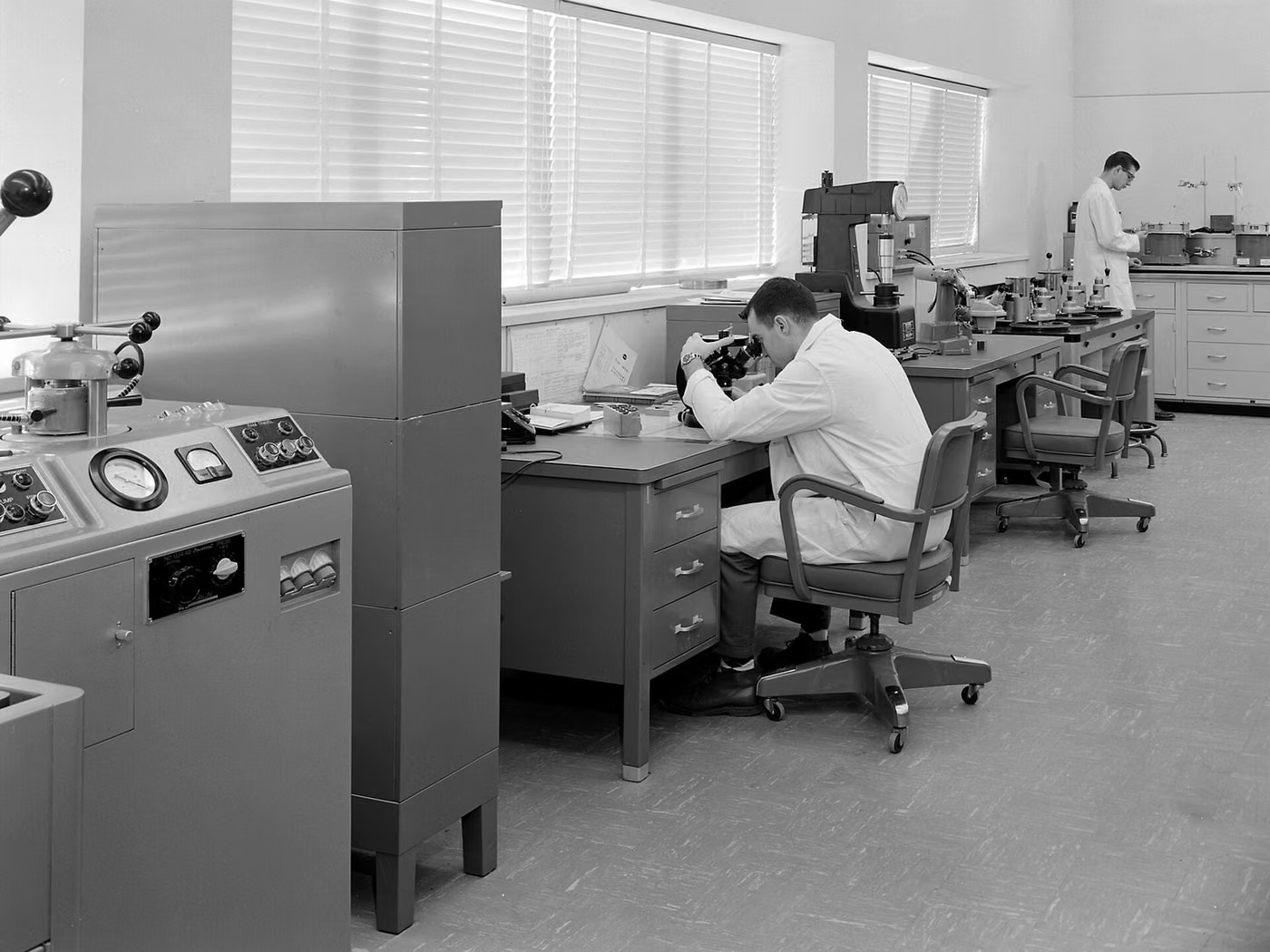
Testing & Laboratory
Metal and Metallurgy Testing
With its subgroups, experiments and associated standards.
Request a QuoteScope
Subgroups within Metal and Metallurgy Testing
Each group lands in its own section on the same page; The full list of experiments is there.
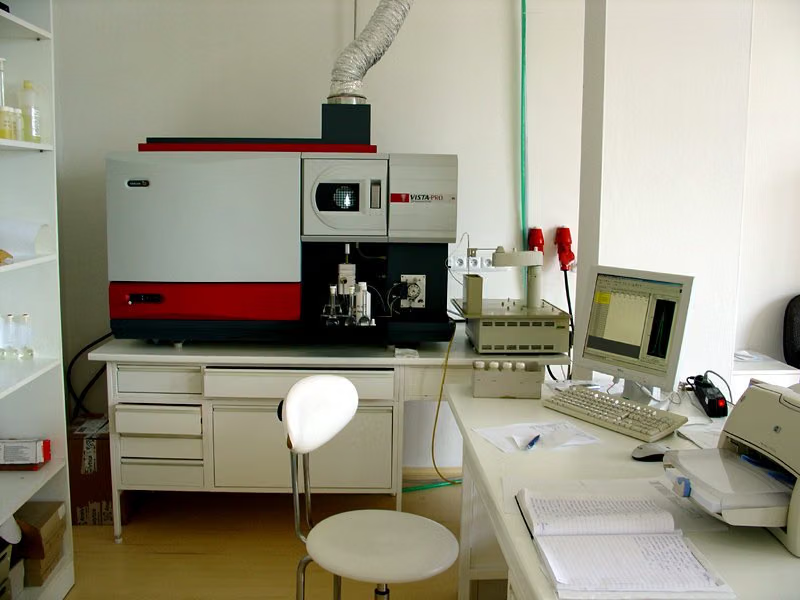 01Chemical CompositionOES · XRF · ICP
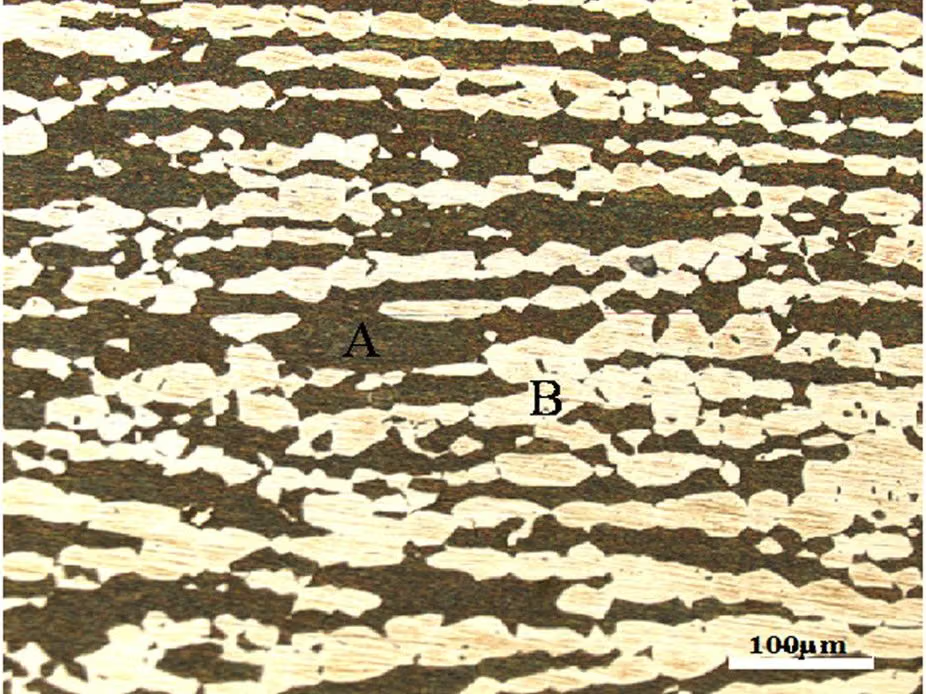
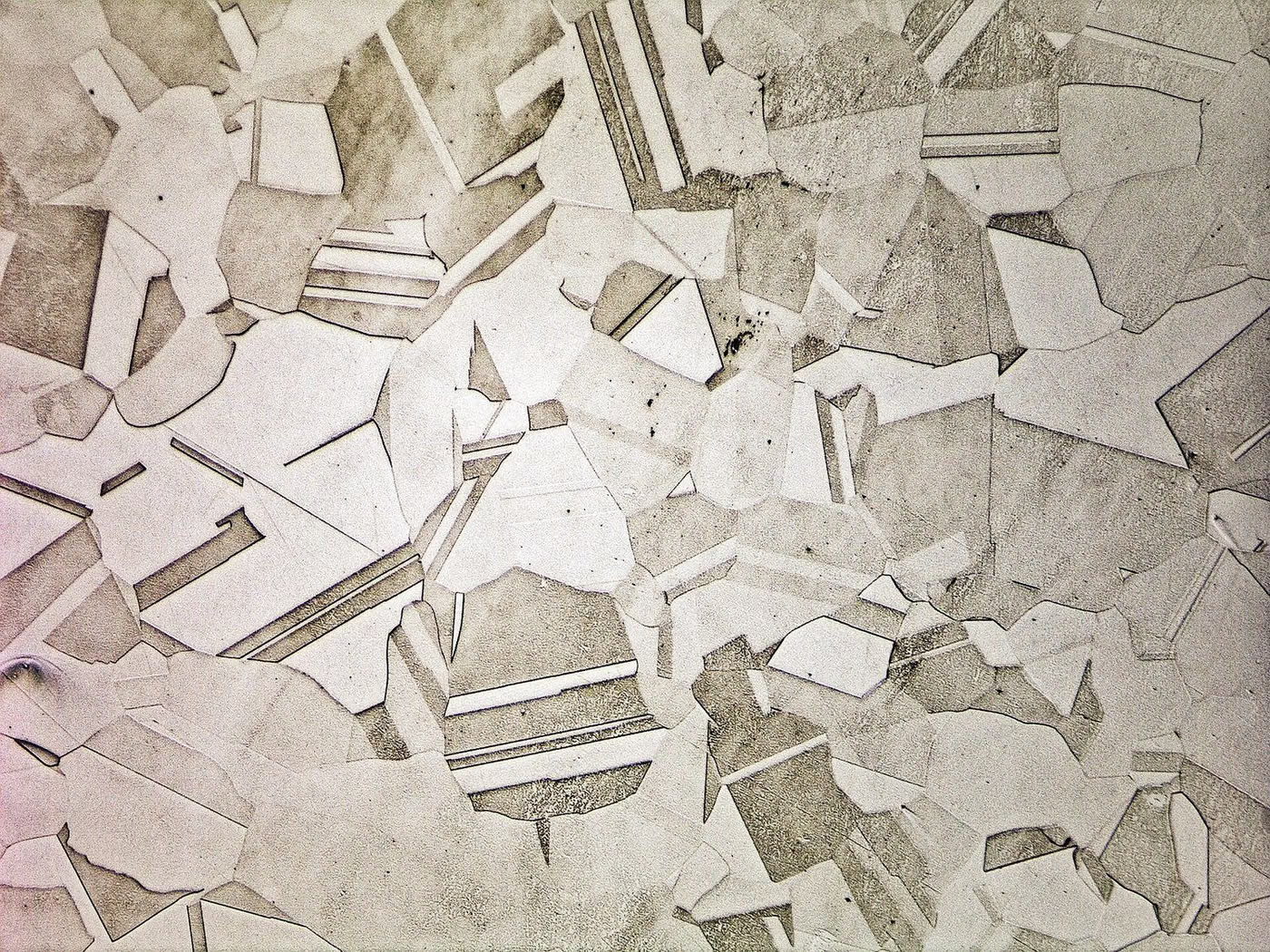
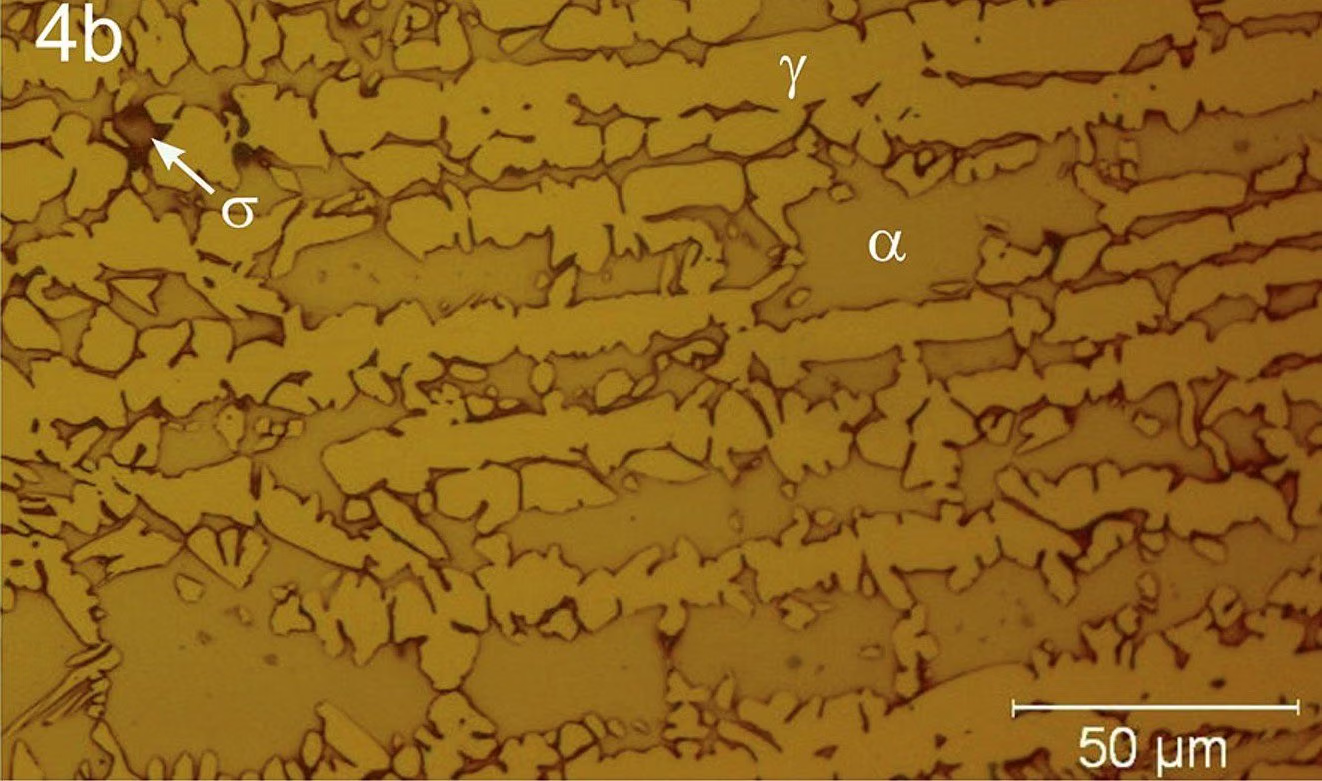
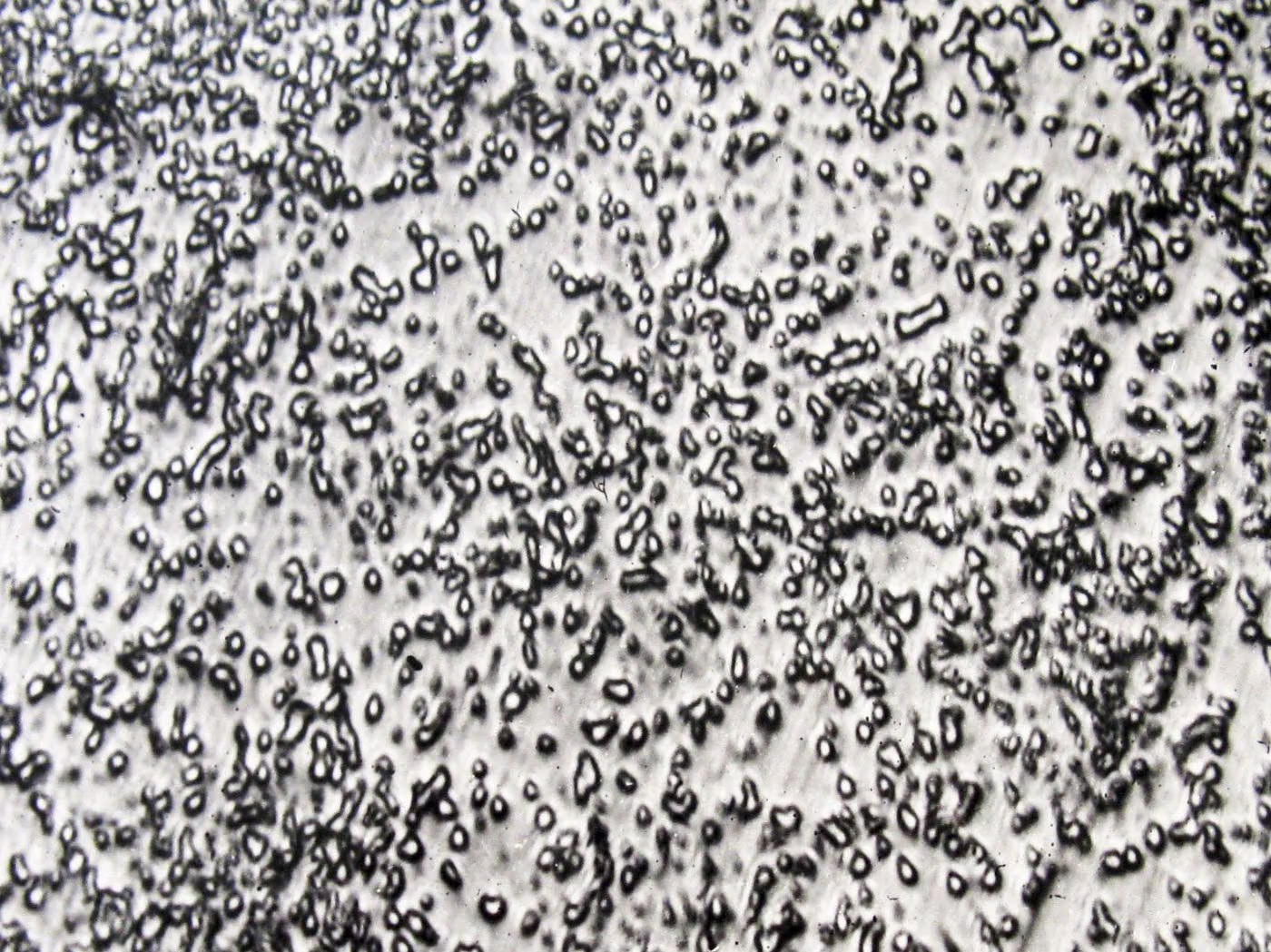 02Metallographic AnalysisMicrostructure · Macrostructure · Grain Size
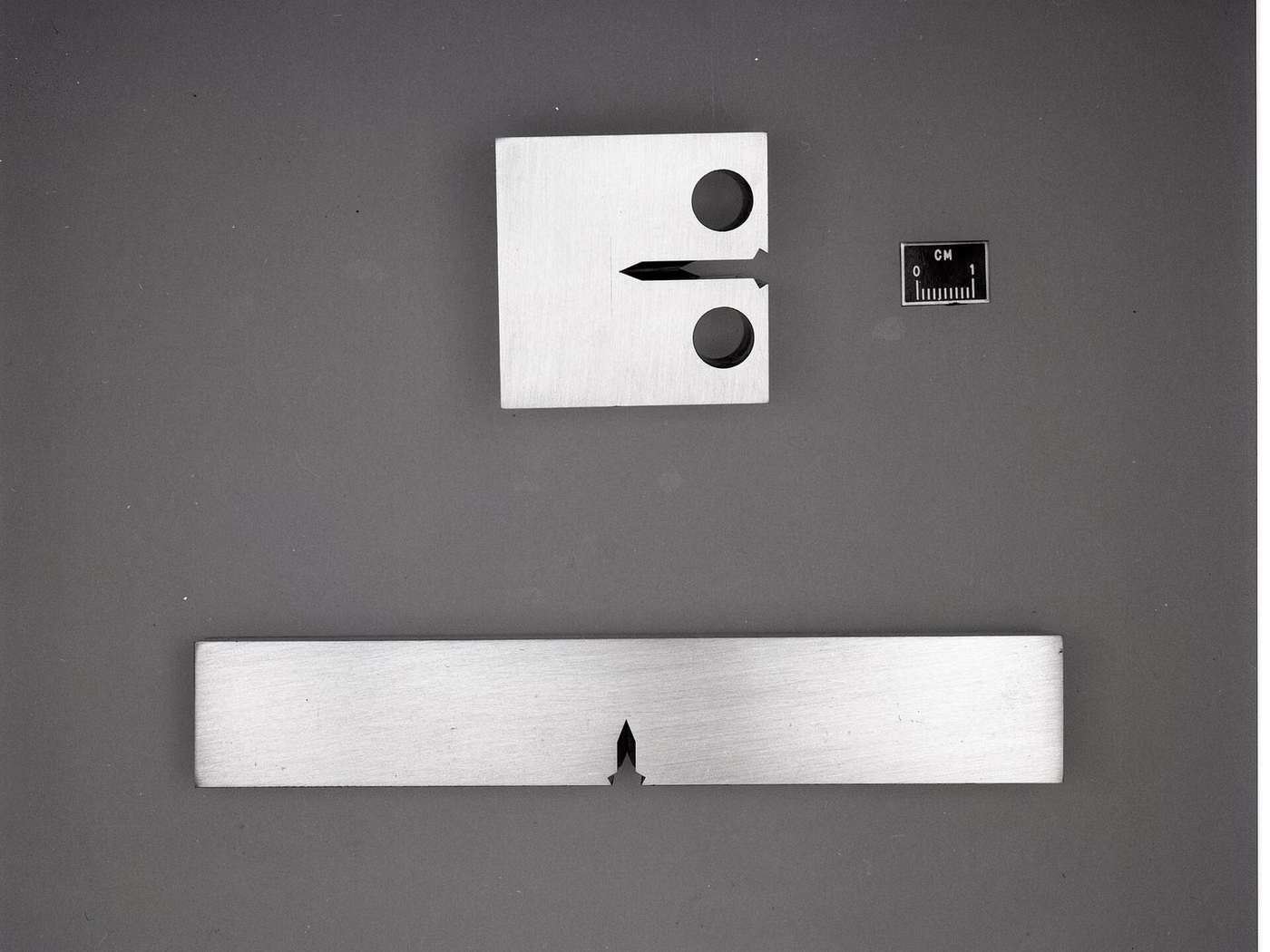
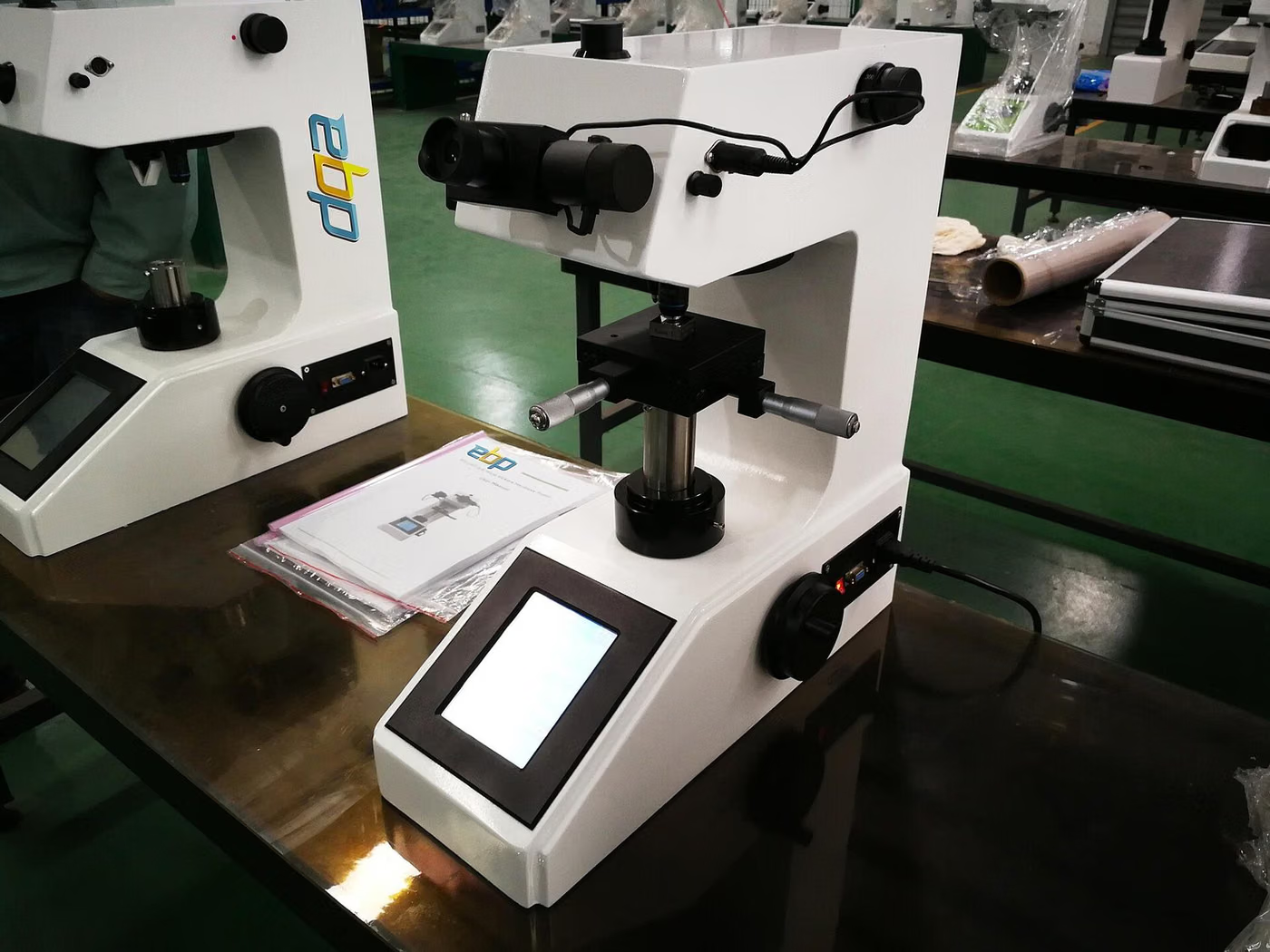
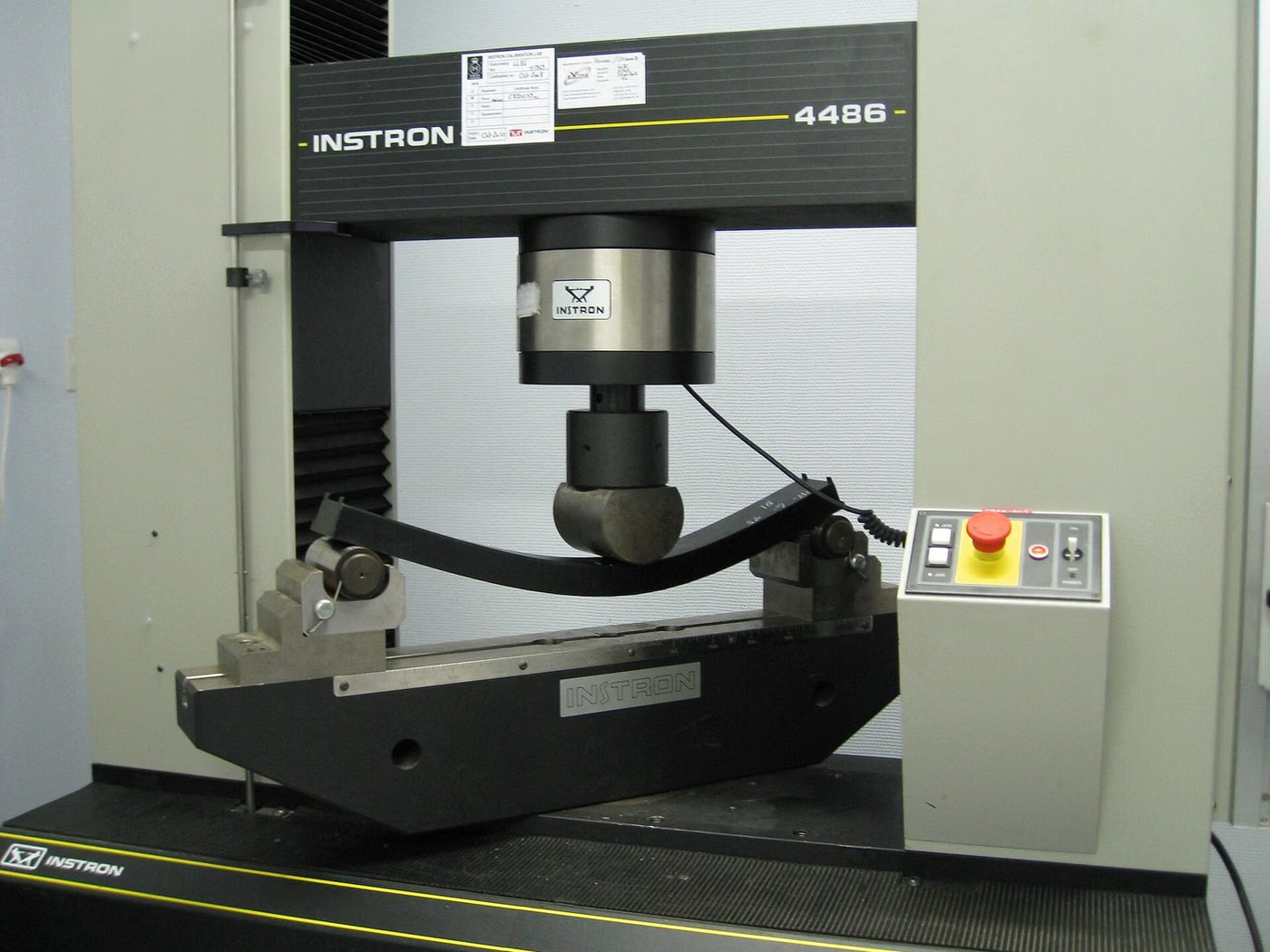
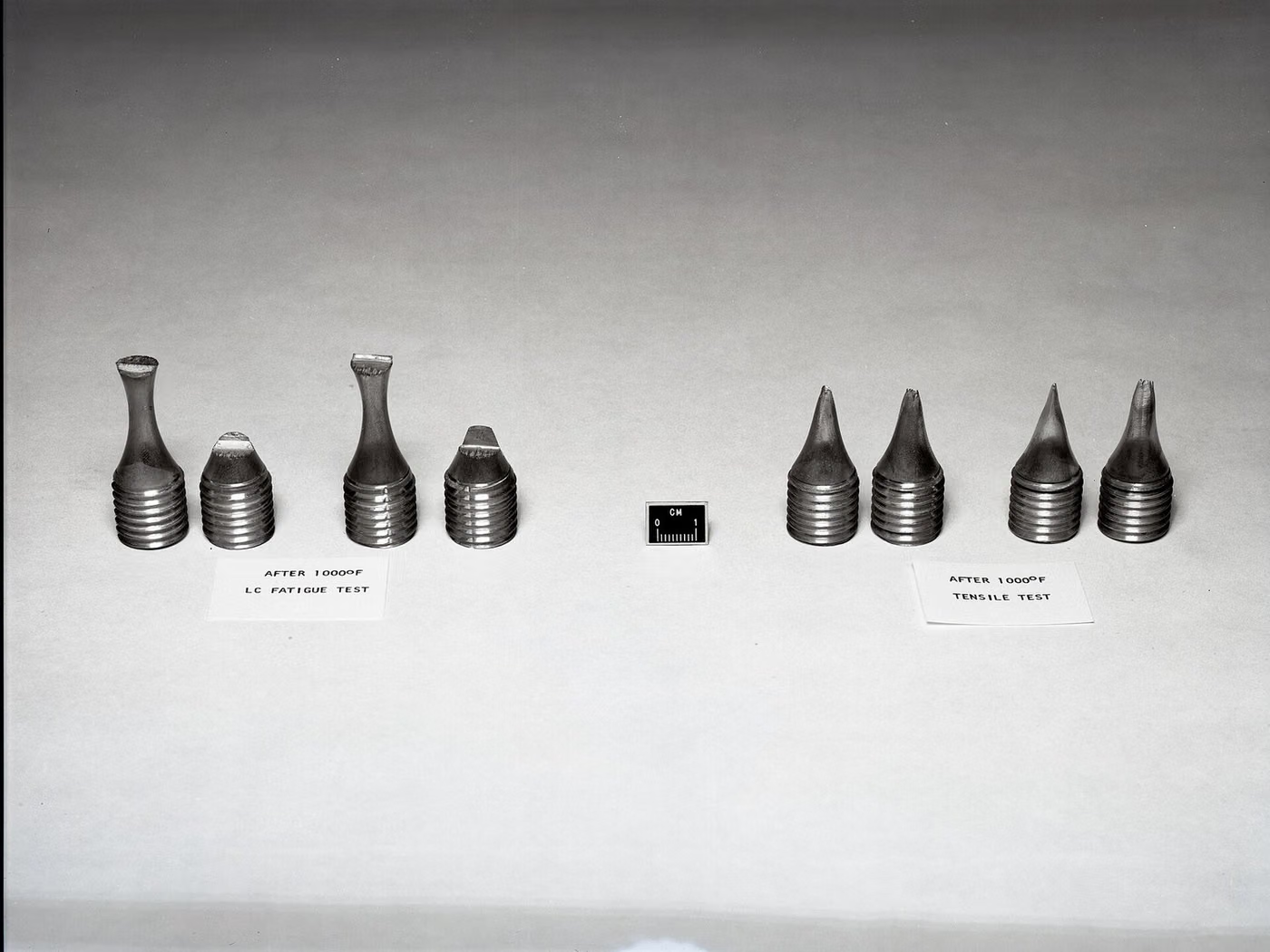 03Mechanical PropertiesFracture Toughness · Hardness · Mikrosertlik
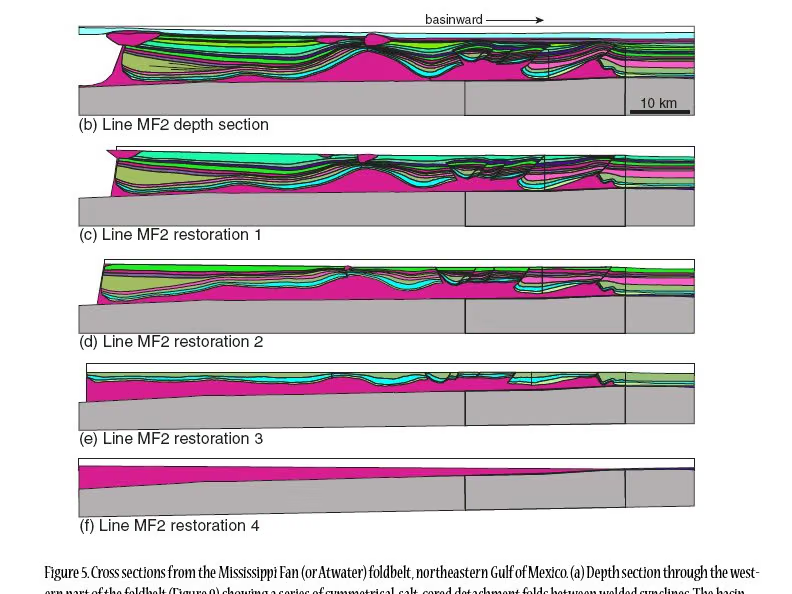 04Weld AnalysisWeld Macro Examination · Weld Micro Examination · Weld Tensile Test
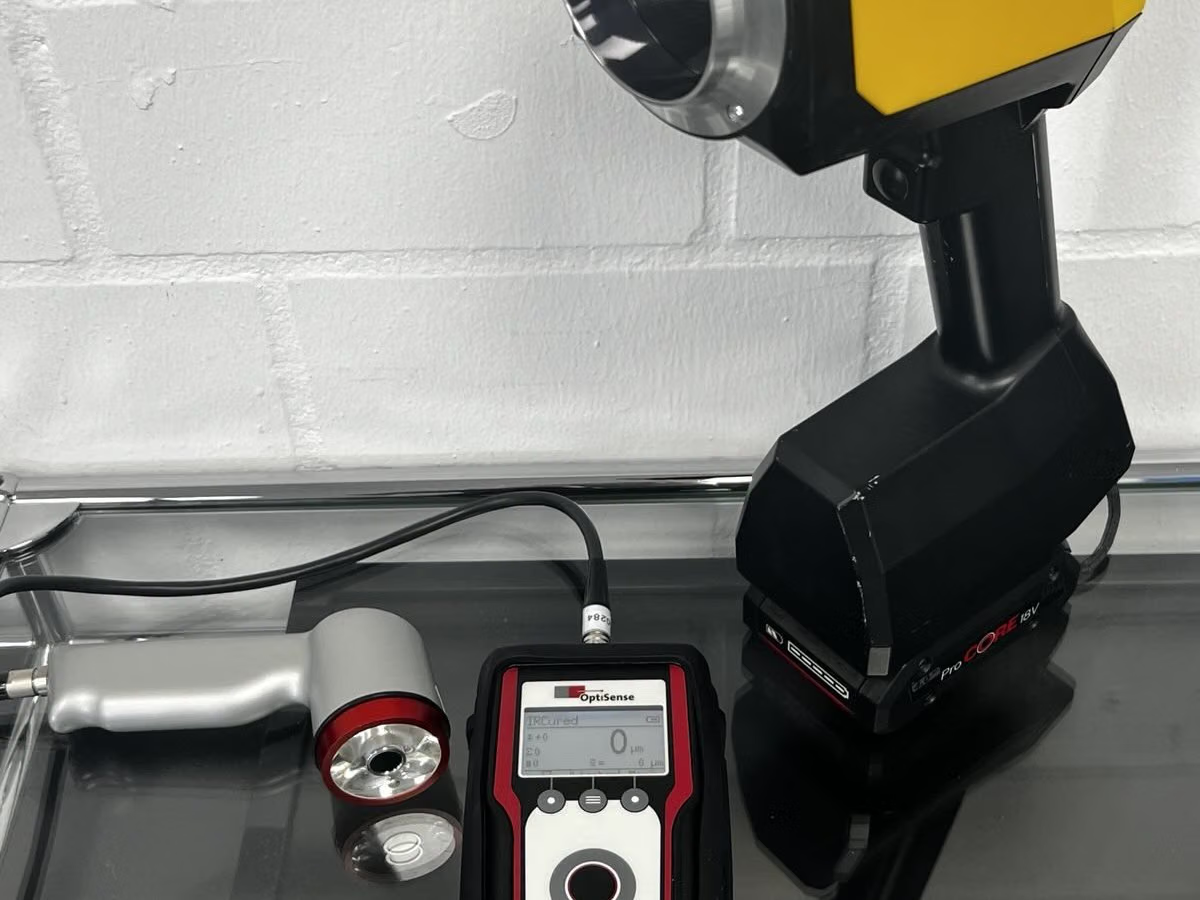 05Coating ThicknessCoating Thickness
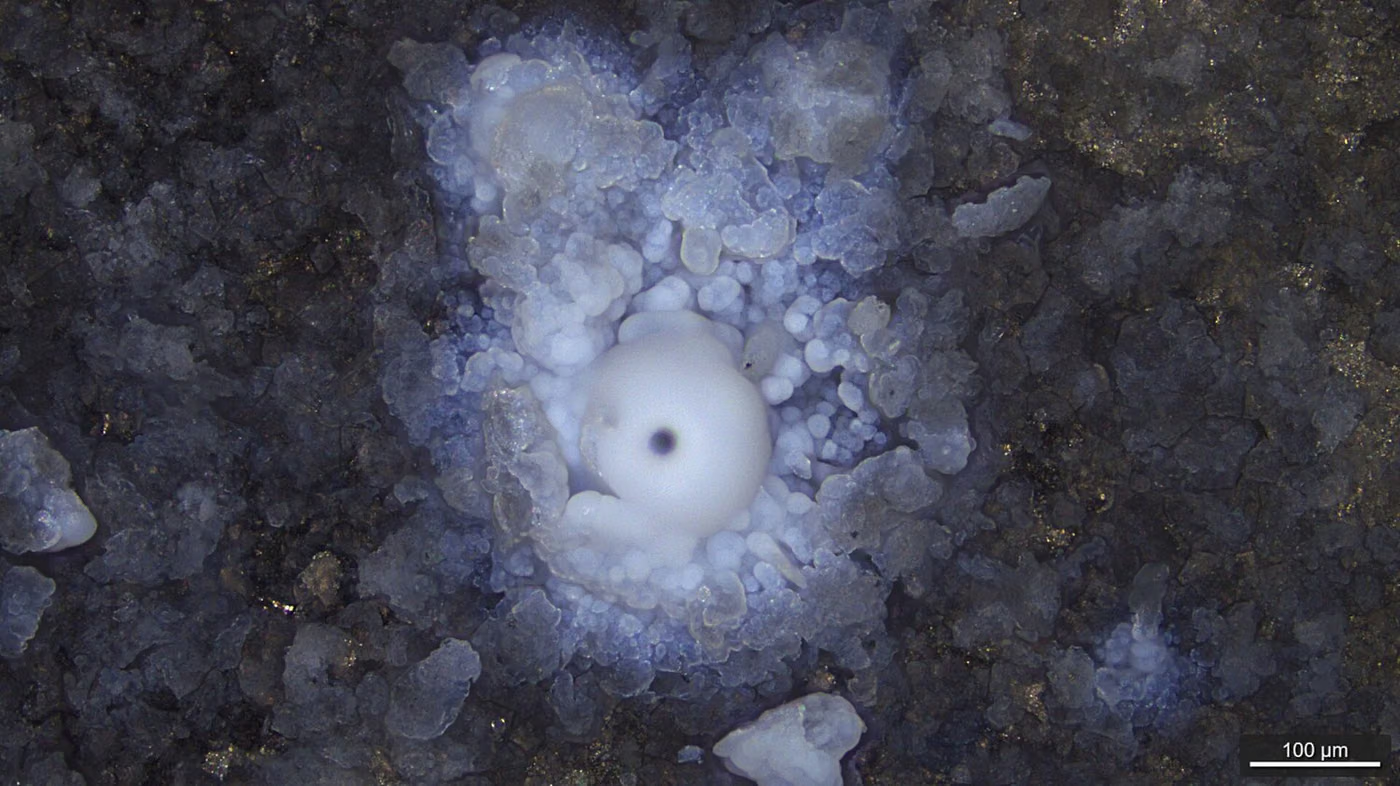 06CorrosionSalt Spray · Salt Spray · SCC
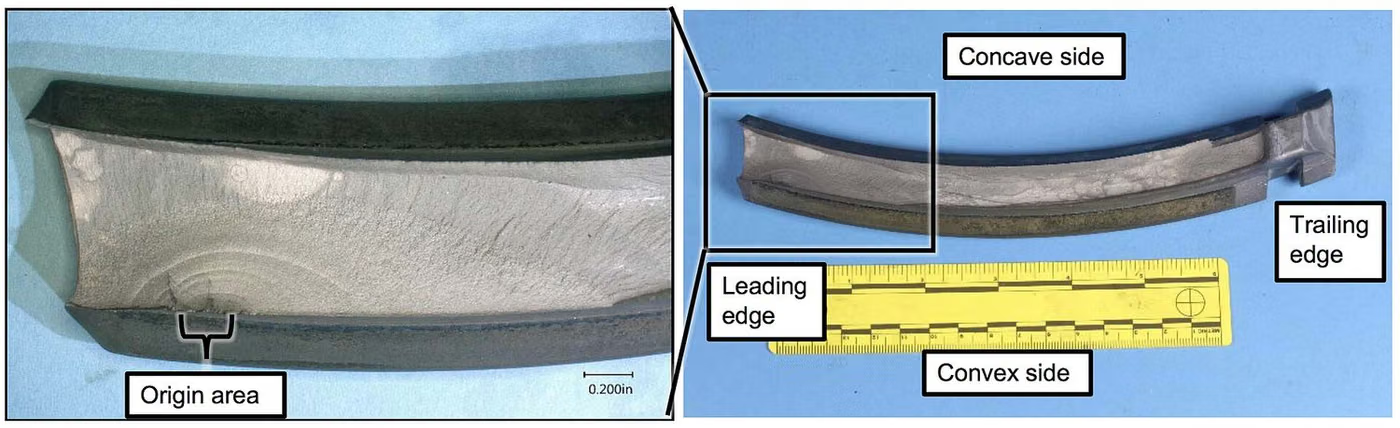 07Failure AnalysisFailure Analysis
Chemical Composition


Metallographic Analysis
Mechanical Properties
Weld Analysis
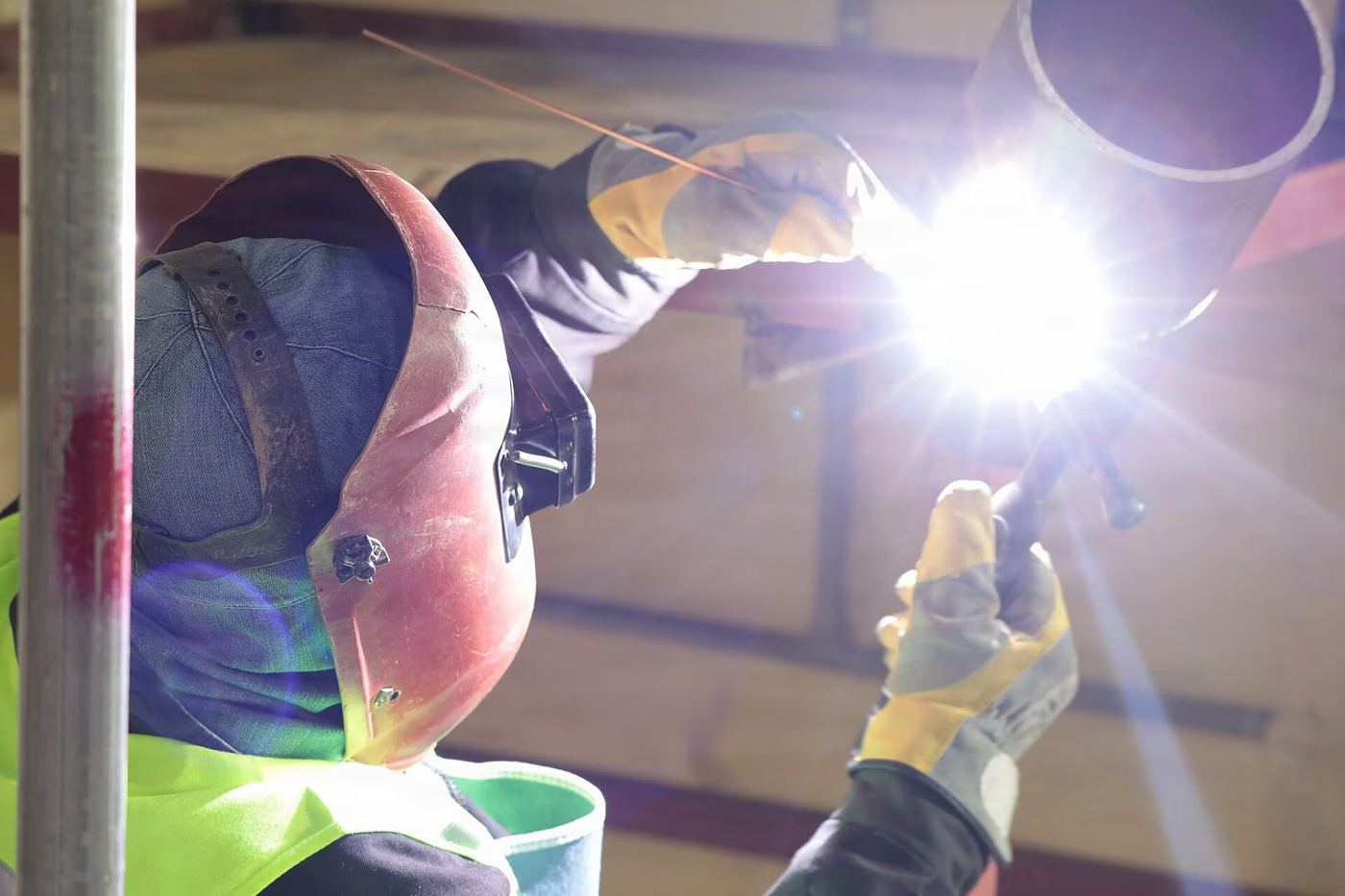
Coating Thickness
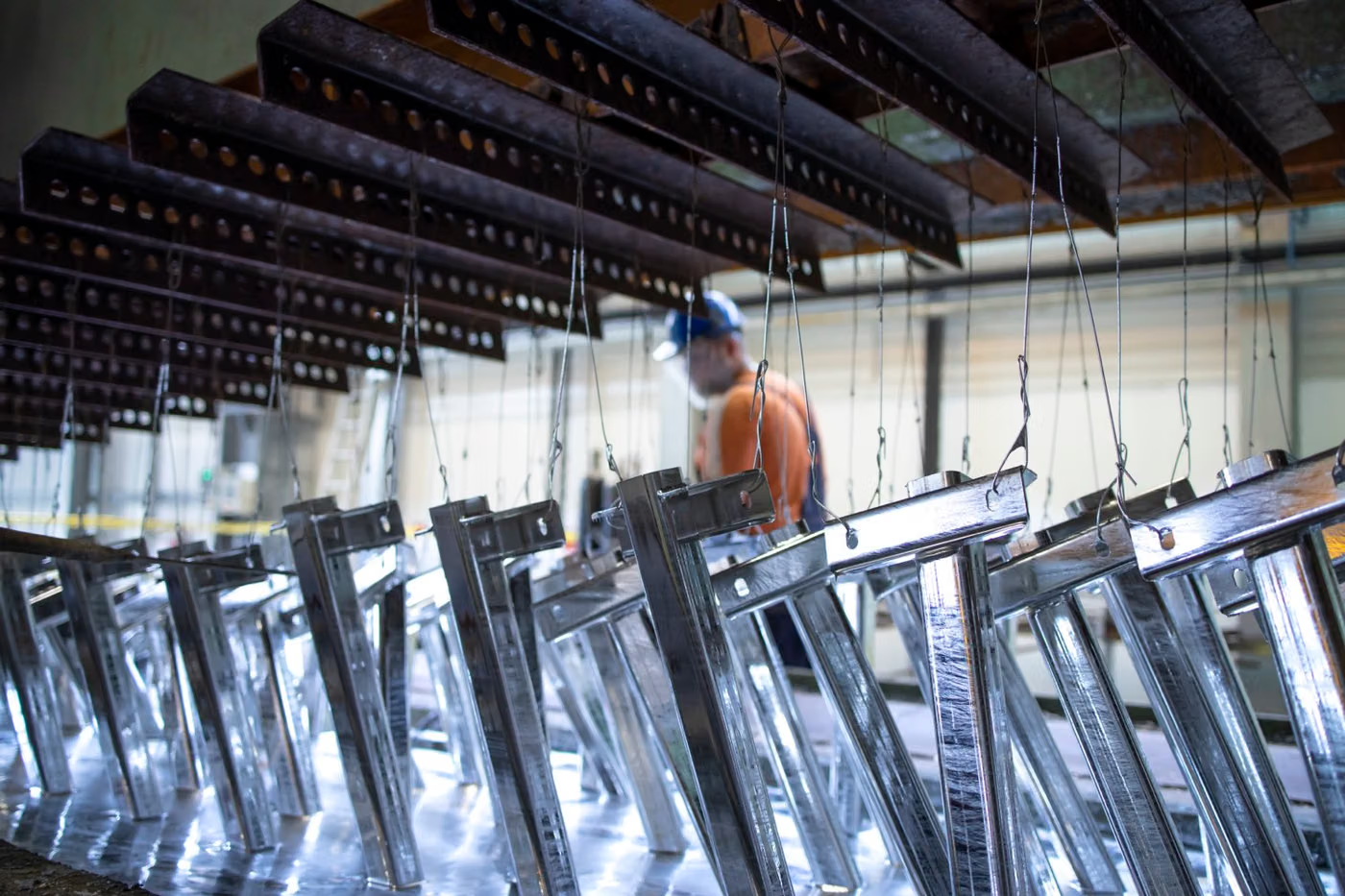
Corrosion
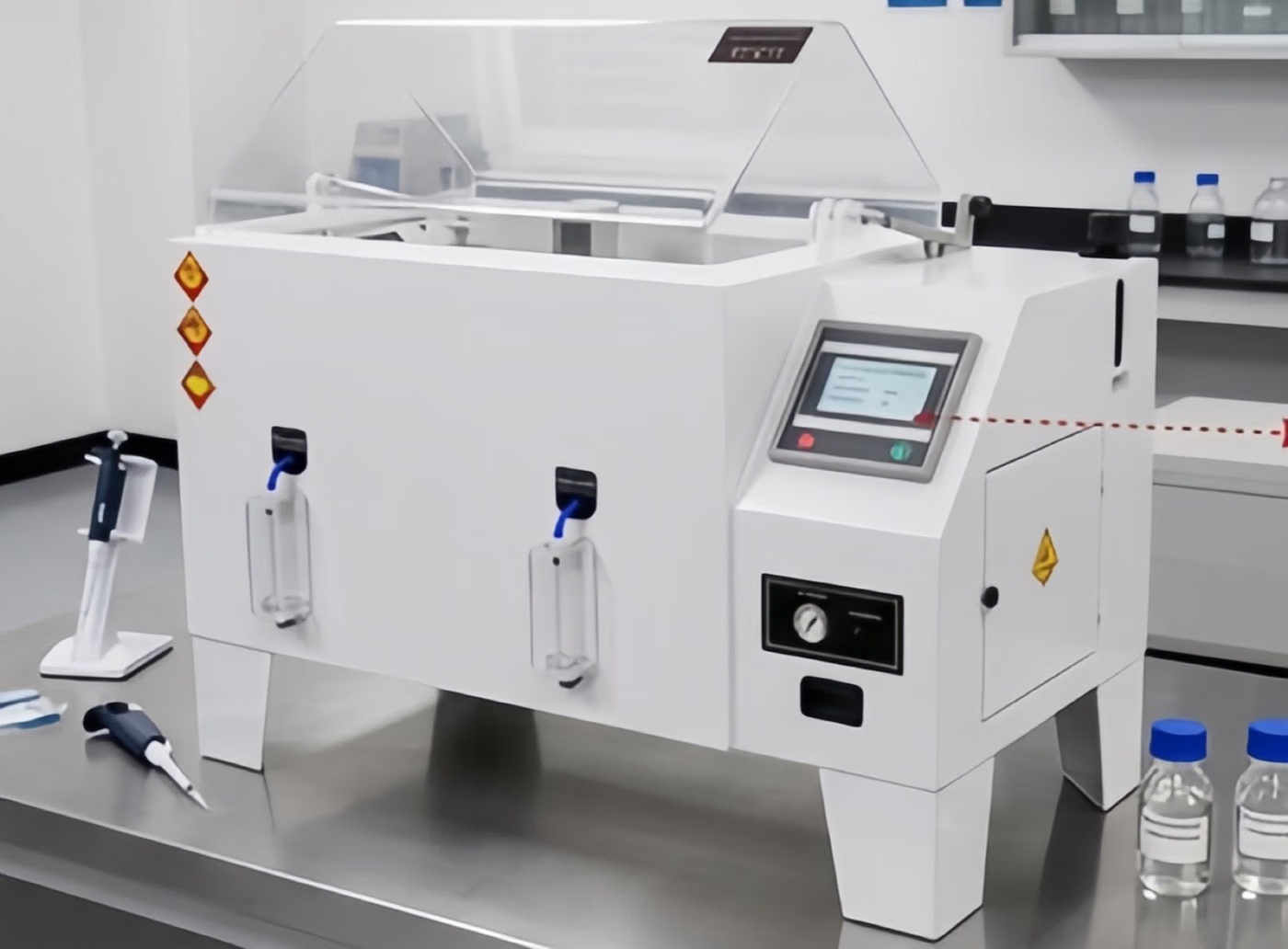
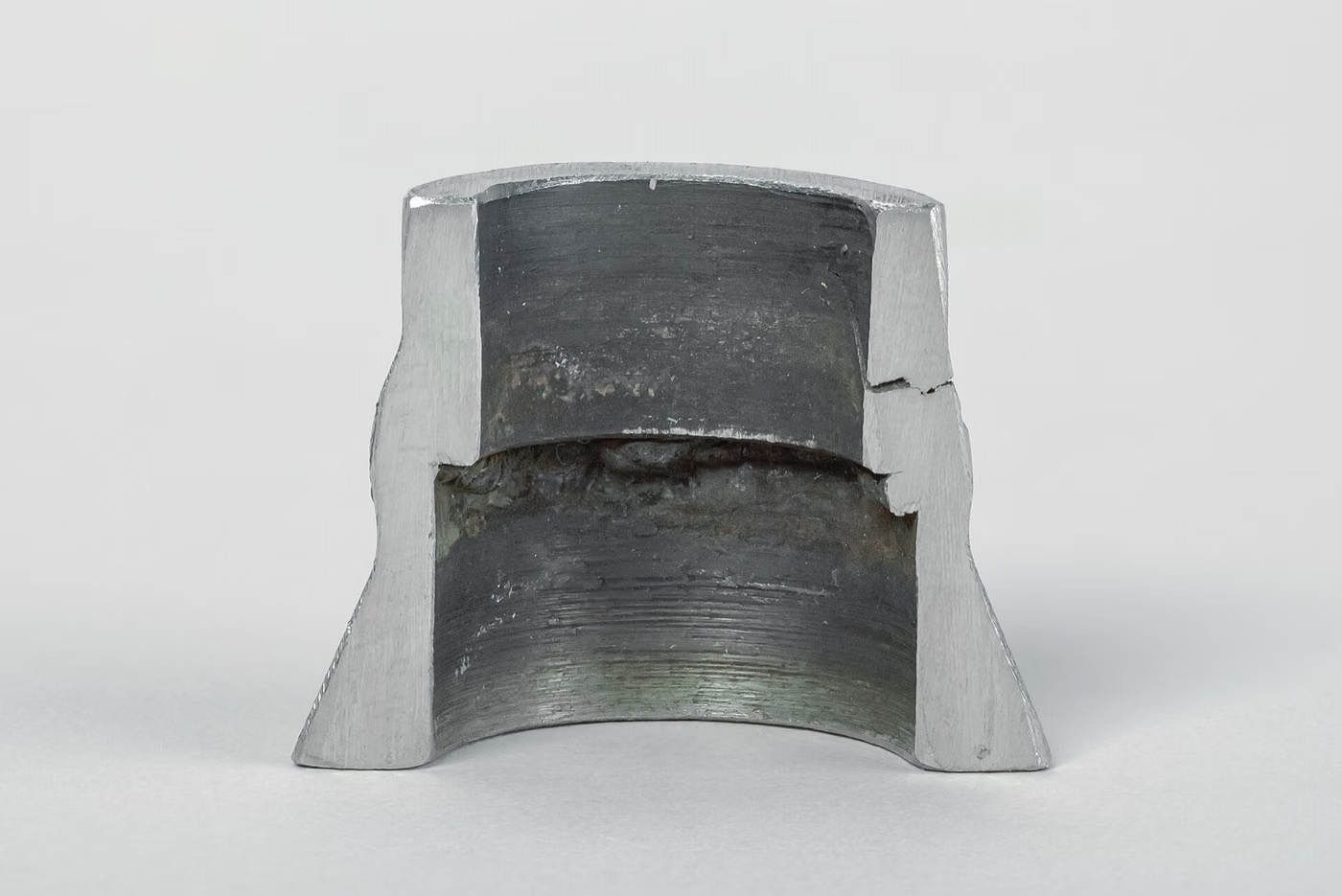
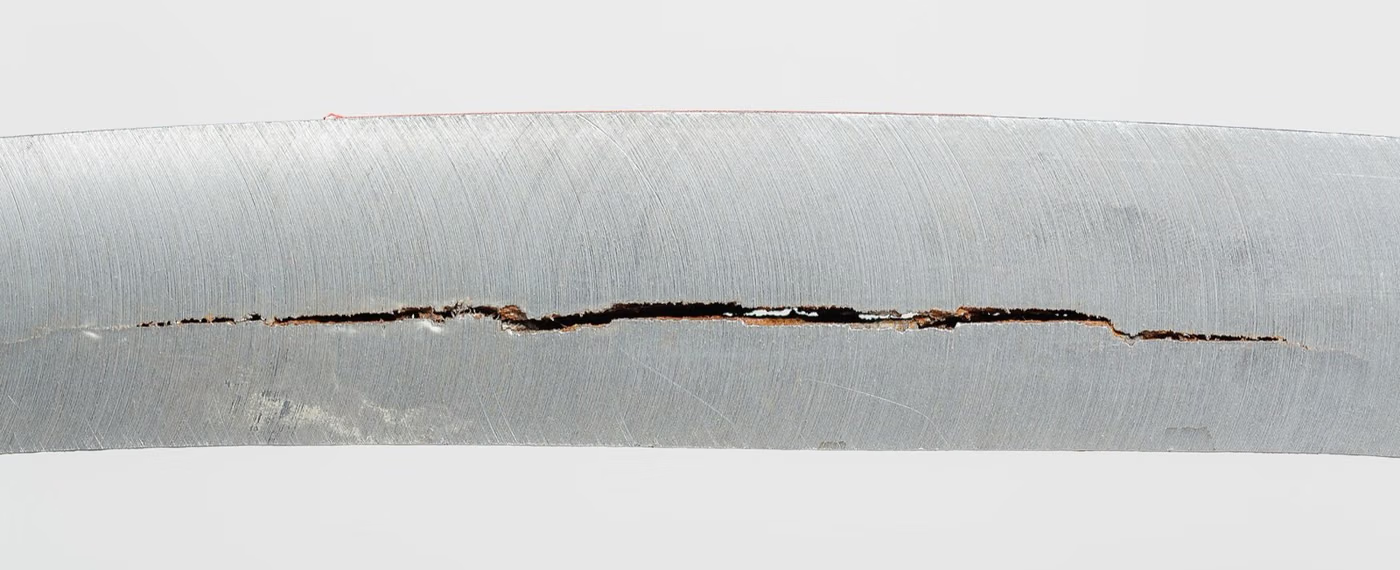
Failure Analysis
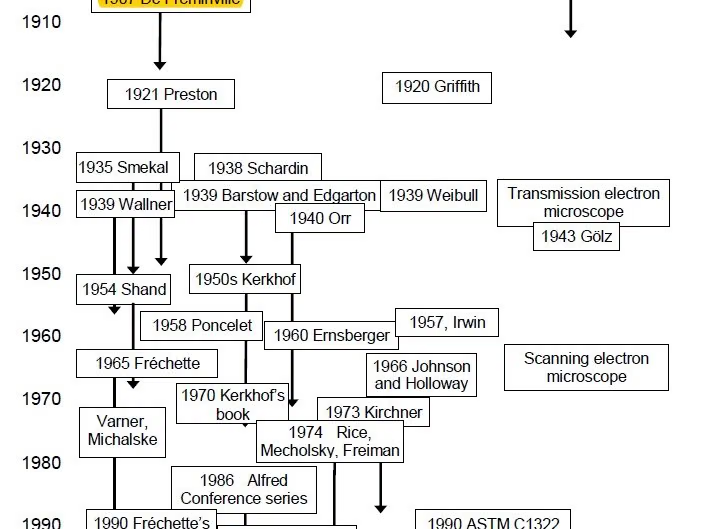
Metal and Metallurgy Testing — What Does This Testing Field Cover?
The section below describes how the field of Metal and Metallurgy Testing works. The conditions, sample requirements and acceptance criteria of the individual tests in this field are given on the relevant test pages.
Metal and metallurgical testing determines the load a metal or a welded joint can carry, how it fails and what its internal structure looks like. The output of this family is often not about the product itself but about the identity of the MATERIAL: is the steel really of the declared grade, does the weld seam deliver the strength the design assumes, does the casting contain an unacceptable internal defect?
The practical importance of the field comes from the fact that a metal part rarely fails gradually. A plastic part deforms, ages, cracks and usually gives warning. A weld seam or a fastener, by contrast, often breaks without warning — especially where fatigue and brittle fracture are involved. That is why in fields such as pressure equipment, lifting gear, structural steel and pipelines, material testing is a requirement of REGULATION rather than of design.
The family brings together three groups of methods, and each answers a different question. Mechanical tests quantify how the material behaves under load. Non-destructive examination looks for defects without damaging the part. Metallography and chemical analysis explain why the material behaves the way it does — through grain structure, phase distribution, inclusion content and alloy composition.
The acceptance criterion for these tests almost never comes from the test standard, and this is the key to understanding the field. The test standard says how the measurement is to be made; the acceptable values come from the product standard, the material grade or the fabrication code. ISO 6892-1 tells you how to run a tensile test; EN 10025 tells you what yield strength that steel must deliver. When reading a report, the product standard it was assessed against is essential.
Sampling is an inseparable part of the result in this field. Two specimens taken from the same heat may give different values depending on the direction and location they were taken from; in rolled products, specimens parallel and perpendicular to the rolling direction produce different results. Product standards therefore also govern sampling location and orientation, and the report must document this.
Method groups in this field
Mechanical tests
Tensile, compression, bending, notch impact (Charpy), hardness (Brinell, Vickers, Rockwell), fatigue, creep and fracture toughness. These give the behaviour of the material under load in numerical form.
Non-destructive examination
Radiography, ultrasonic examination, penetrant, magnetic particle and visual examination. It looks for surface and internal defects without damaging the part and is an indispensable step in welded fabrication.
Metallography
Specimen preparation, etching and microscopic examination. Grain size, phase distribution, inclusion content, case depth and the weld heat-affected zone are assessed.
Chemical analysis
Alloy composition is verified by optical emission spectrometry and wet chemistry; confirmation of the material grade runs through this step.
Corrosion behaviour
Salt spray, pitting and crevice corrosion and intergranular corrosion tests. In stainless steels these can indicate the quality of the heat treatment.
Commonly confused in this field
- A material certificate (such as EN 10204 3.1) is not a test report; it is the manufacturer's declaration. In critical applications independent verification is carried out, and the two must not be confused.
- ASTM and ISO tensile tests measure the same quantities but use different specimen geometries; the results are not treated as directly equivalent, and whichever the specification calls for is the one applied.
- Conversion tables between hardness and strength are APPROXIMATE. Calculating yield strength from hardness is not sufficient evidence for material acceptance.
- In non-destructive examination, "no defect found" does not mean there is no defect; defects below the detection limit of the method may be present. The report must state the method applied and the sensitivity level.
- A weld seam passing does not show that the welder or the procedure is qualified; these are separate processes.
Which decisions these results support
- Verifying the material certificate and accepting incoming material
- Approving welded fabrication; welder and procedure qualification
- Manufacturing control of pressure equipment and structural components
- Failure analysis and determining the root cause of field damage
- Verifying heat treatment and surface treatment processes
Sectors
In which sectors is Metal and Metallurgy Testing used?
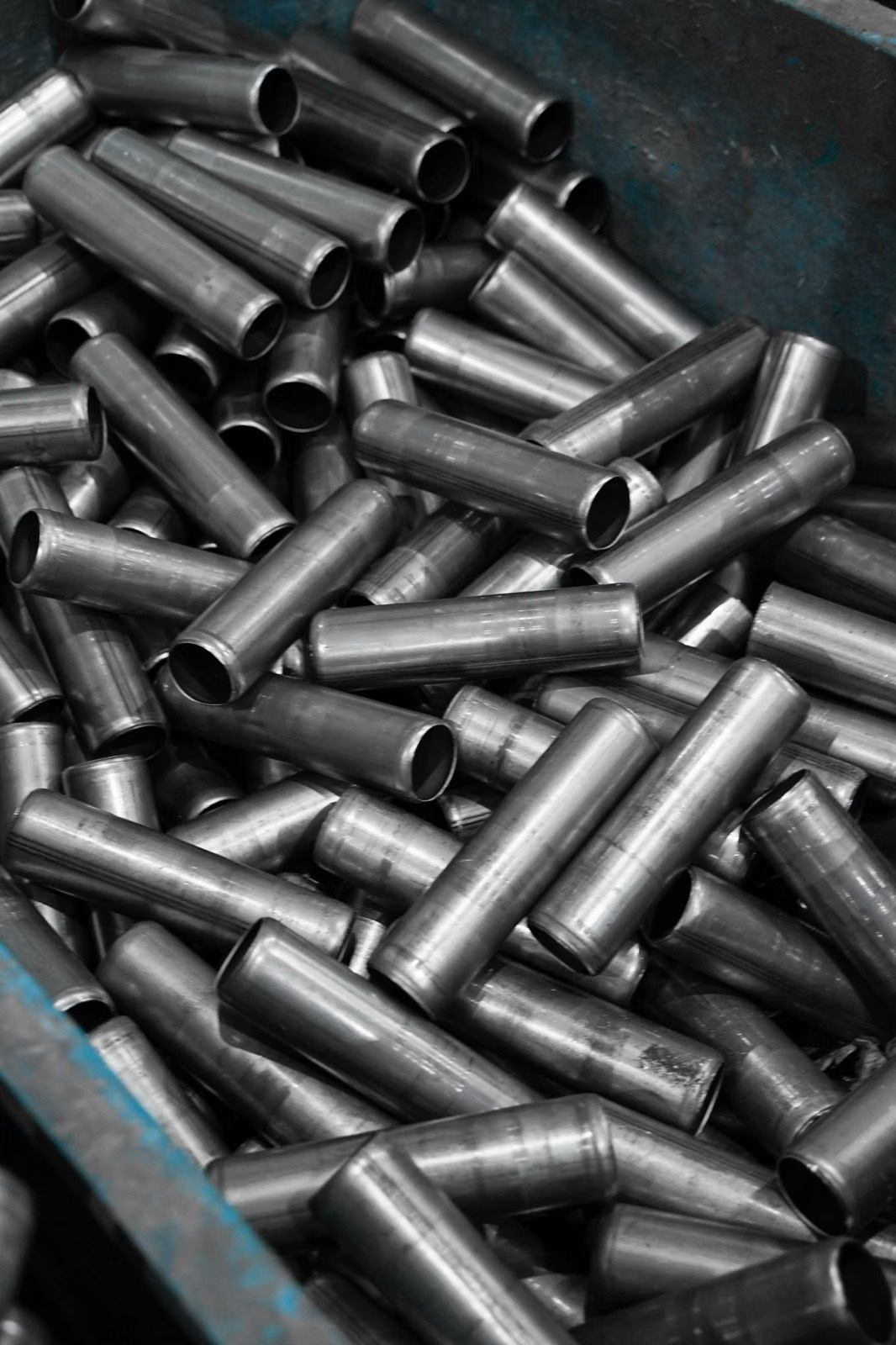
Metals
Metal and Metallurgy Testing · Mechanical Testing · Corrosion Tests
Explore
Steel
Metal and Metallurgy Testing · Mechanical Testing · Corrosion Tests
Explore
Mining
Metal and Metallurgy Testing · Environmental Analysis · Construction Materials Testing
Explore
Machinery
Mechanical Testing · Electrical Safety · EMC / EMI Testing
Explore
Oil & Gas
Petroleum, Fuel and Oil Analysis · Metal and Metallurgy Testing · Corrosion Tests
Explore








Metal and Metallurgy Testing quote
Tell us your product and the applicable standard; we'll share the timeline and sample requirements in writing.