
Testing & Laboratory
RF Testing
With its subgroups, experiments and associated standards.
Request a QuoteScope
Subgroups within RF Testing
Each group lands in its own section on the same page; The full list of experiments is there.
Teknolojiler
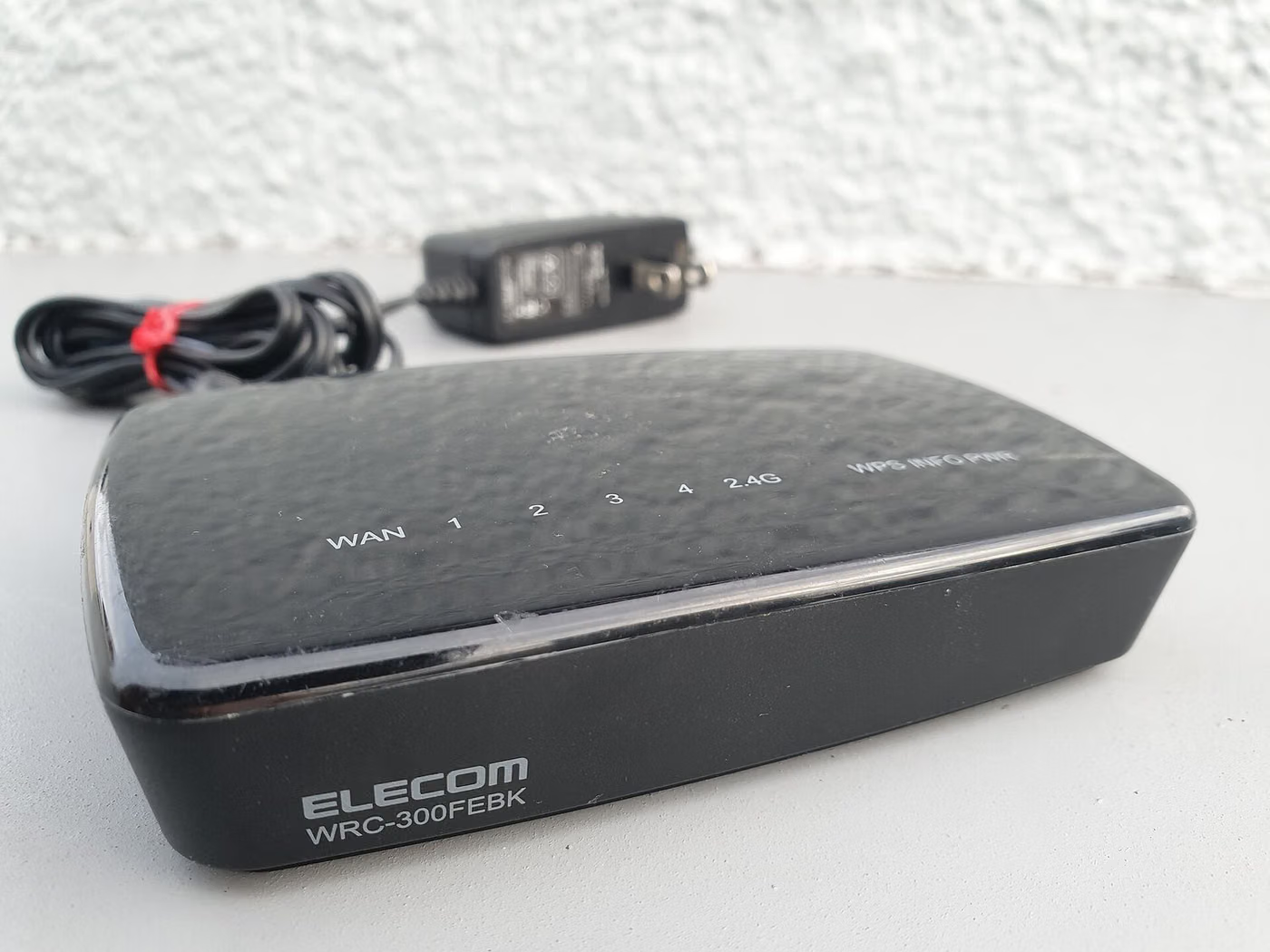
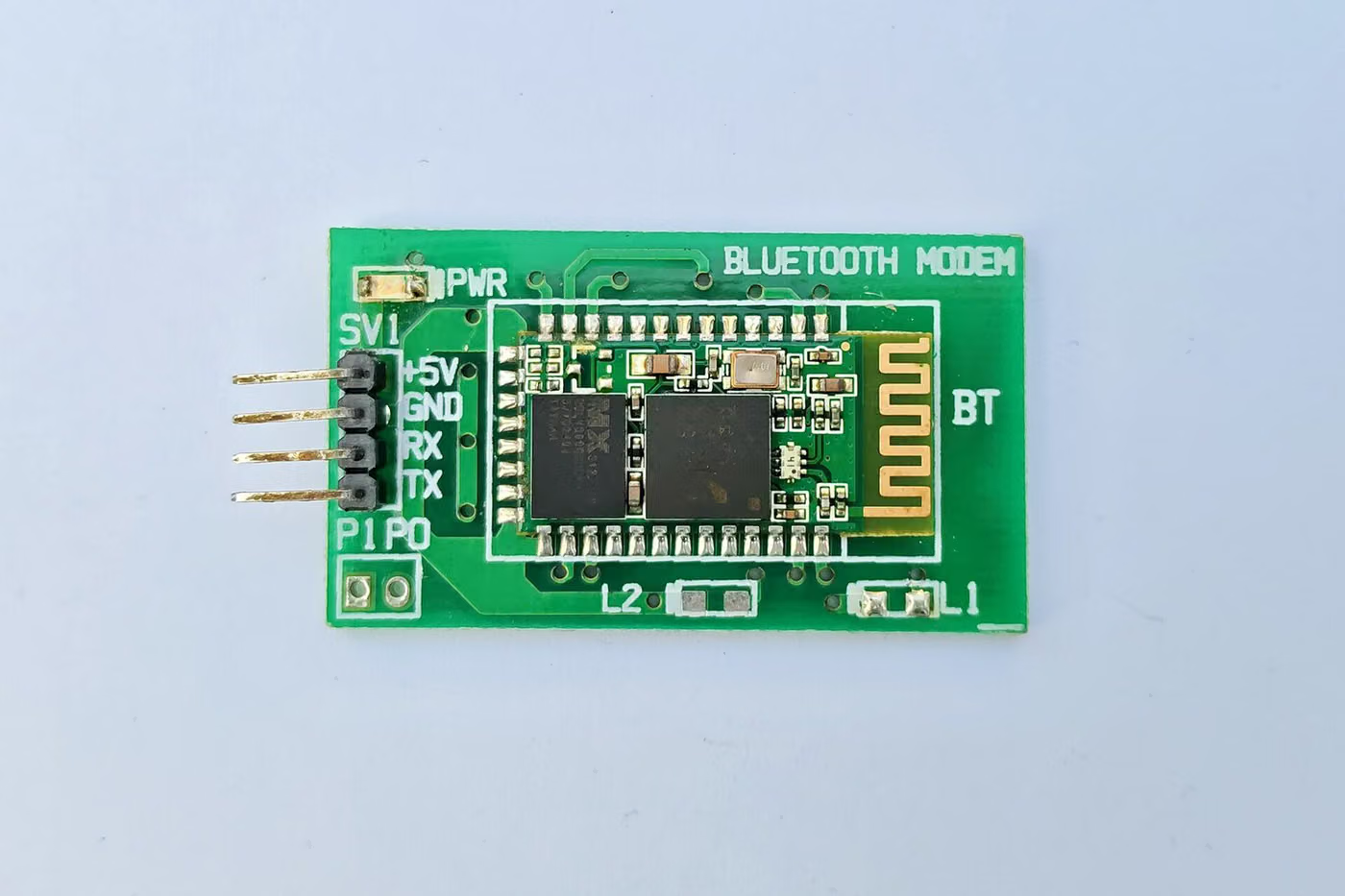

Measurements
RF Testing — What Does This Testing Field Cover?
The section below describes how the field of RF Testing works. The conditions, sample requirements and acceptance criteria of the individual tests in this field are given on the relevant test pages.
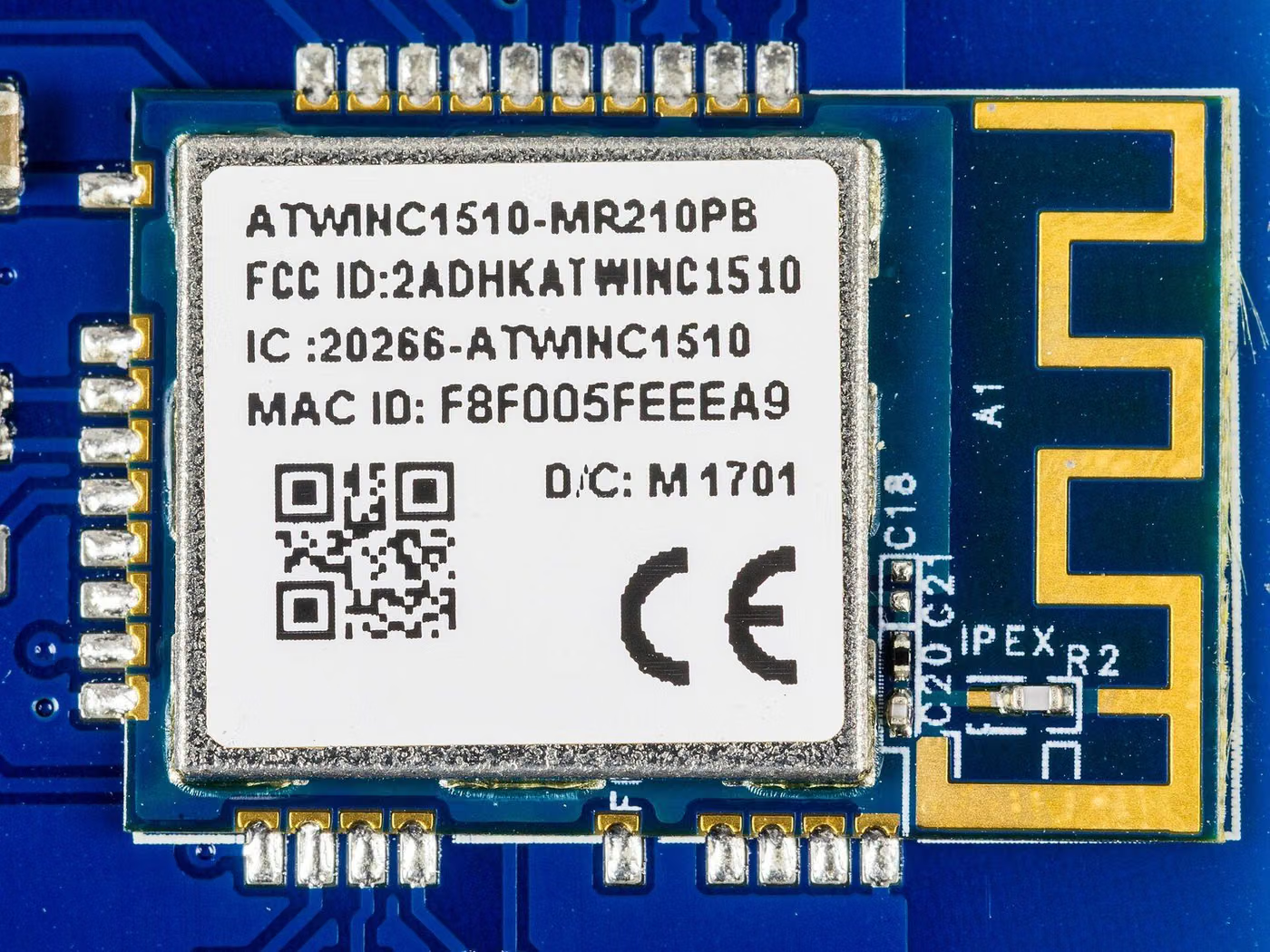
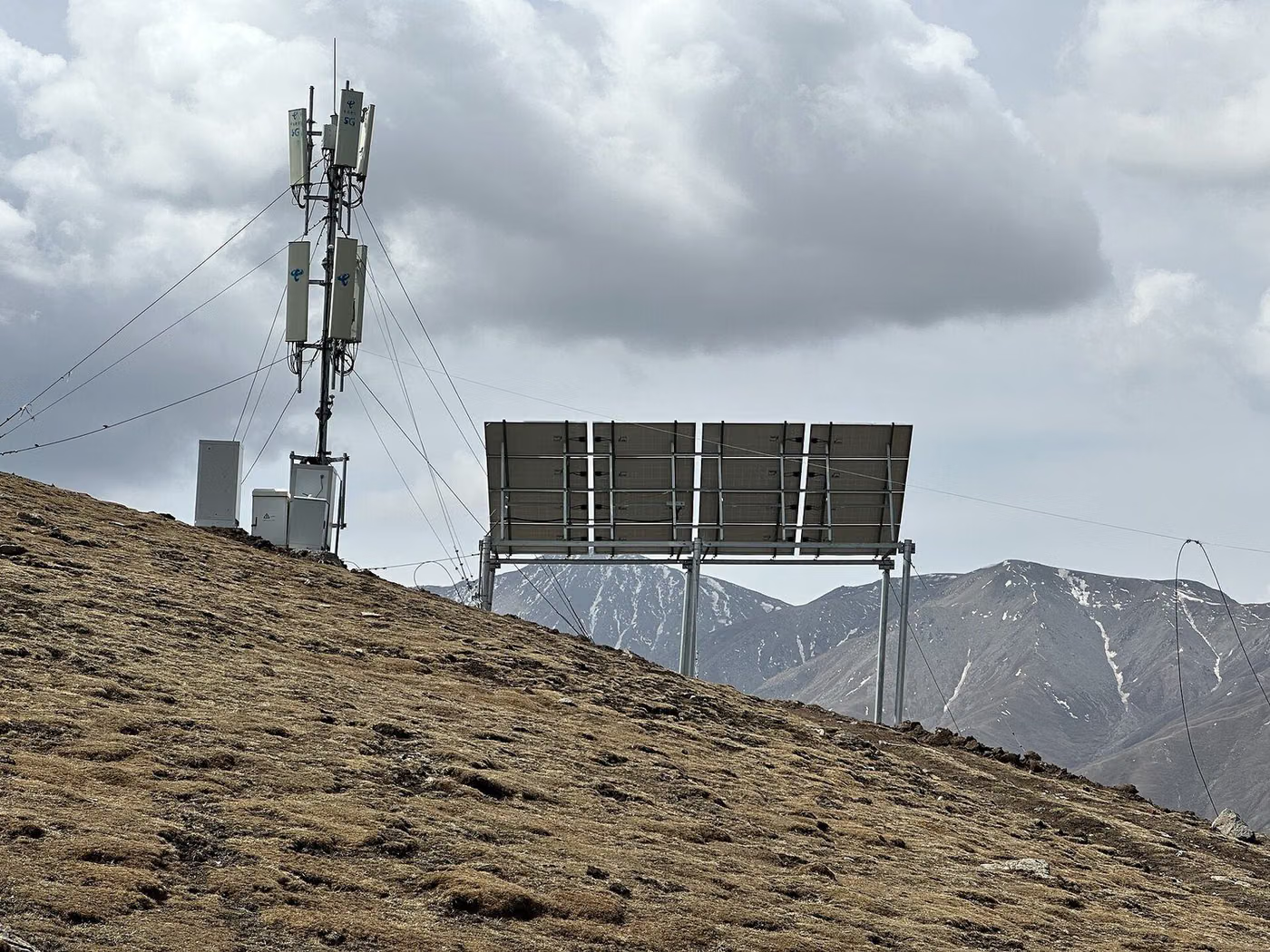
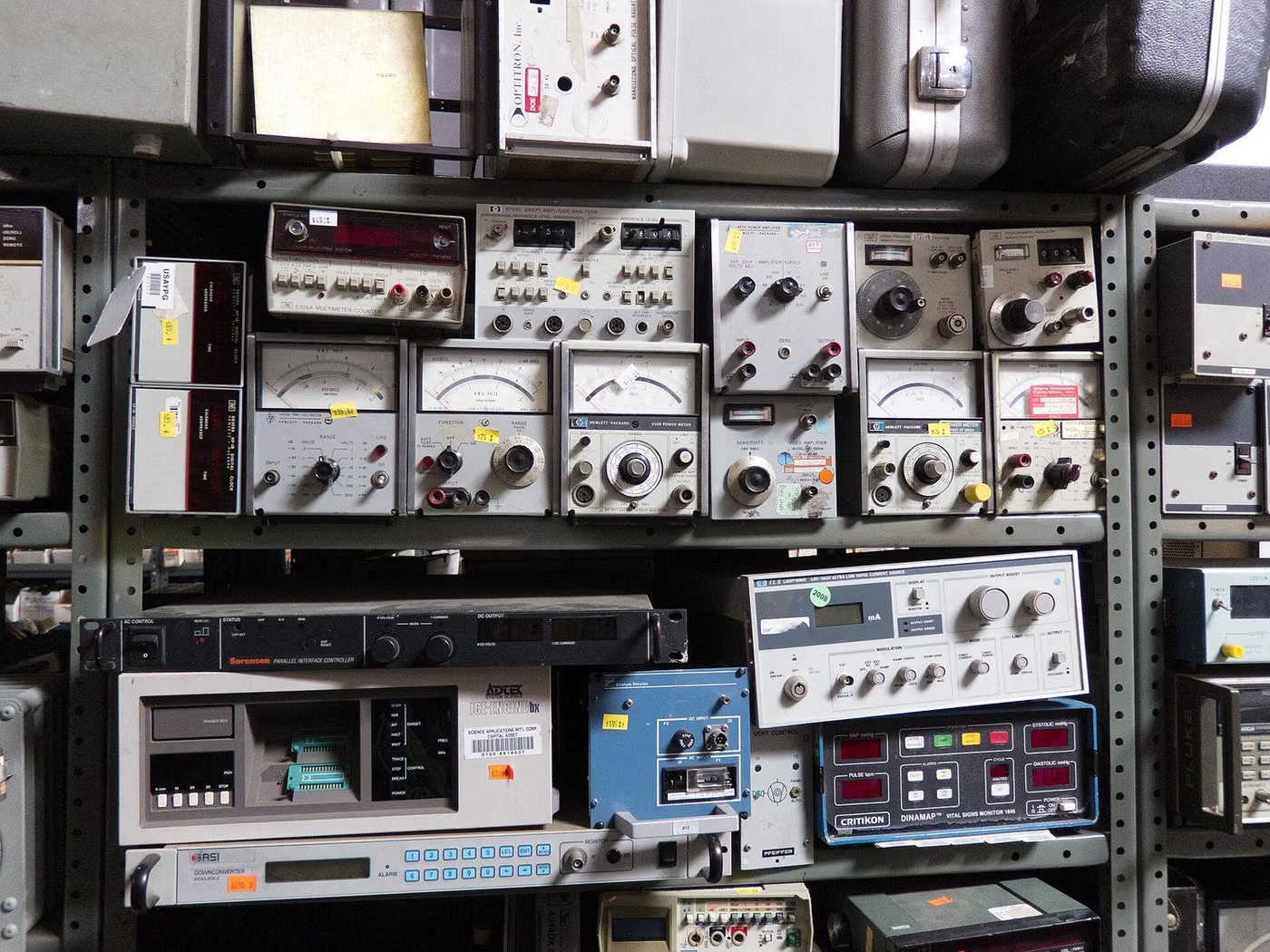
RF testing measures the behaviour of components and systems that generate, receive or carry radio frequency. The category is broader than radio conformity: characterisation of passive and active RF components such as antennas, cables, connectors, filters and amplifiers also belongs here.
The common difficulty in these measurements is that RF is affected by the MEASUREMENT SET-UP. The length of a cable, the tightening torque of a connector, reflections in the measurement chamber and even the position of the person making the measurement can change the result. In RF measurements the set-up and calibration are therefore as decisive as the instrument itself.
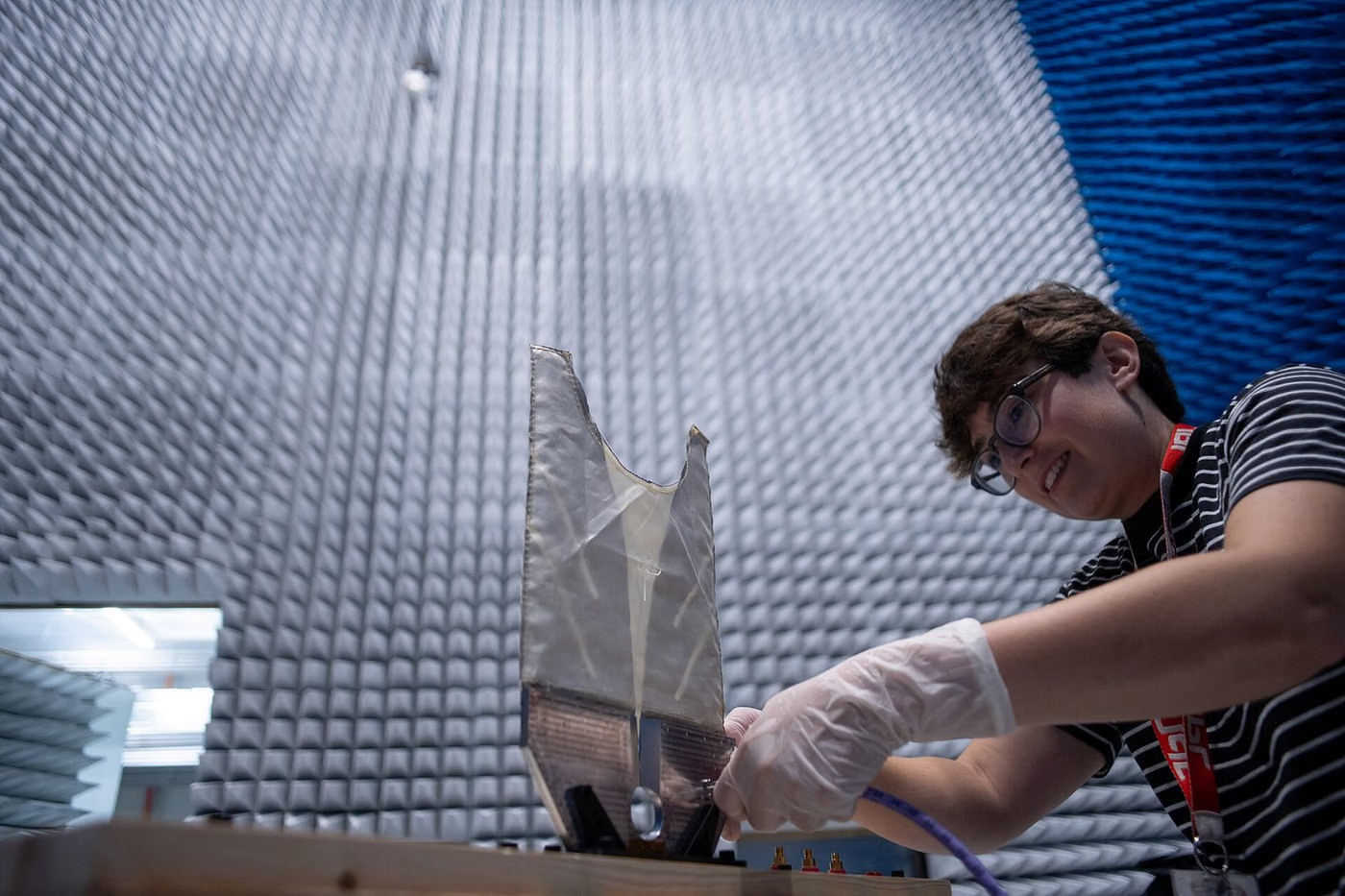
Antenna measurements have a sub-body of their own: gain, radiation pattern, efficiency, return loss and total radiated power. These measurements are made in an anechoic chamber, because reflected signals distort the true pattern. The performance of a wireless product is largely determined by antenna design and placement; metal surfaces on the board and the user's hand change the pattern.
The human exposure side is a regulatory requirement and commercially critical. SAR is measured for devices used close to the body and a field strength assessment is made for devices used at a distance; limits and methods vary by market.
This category is SEPARATE from EMC and must not be confused with it. EMC addresses unwanted interference; RF testing measures intentional emission and RF performance. A product may pass EMC and have inadequate RF performance, or the other way round.
Commonly confused in this field
- The measurement set-up is part of the report; if the cable, connector or layout changes, the result changes.
- EMC and RF testing are different questions: one is unwanted interference, the other intentional emission and performance.
- A module certificate does not automatically make the device compliant; if the antenna or layout changes, reassessment is required.
- SAR limits and methods differ by market; a result in one market does not carry over to another.
Which decisions these results support
- Market access under radio equipment legislation
- Verification of the antenna and RF front end design
- RF exposure conformity
- Supplier approval for cables, connectors and passive components
Sectors
In which sectors is RF Testing used?






RF Testing quote
Tell us your product and the applicable standard; we'll share the timeline and sample requirements in writing.