
Testing & Laboratory
Climatic Testing
With its subgroups, experiments and associated standards.
Request a QuoteScope
Subgroups within Climatic Testing
Each group lands in its own section on the same page; The full list of experiments is there.
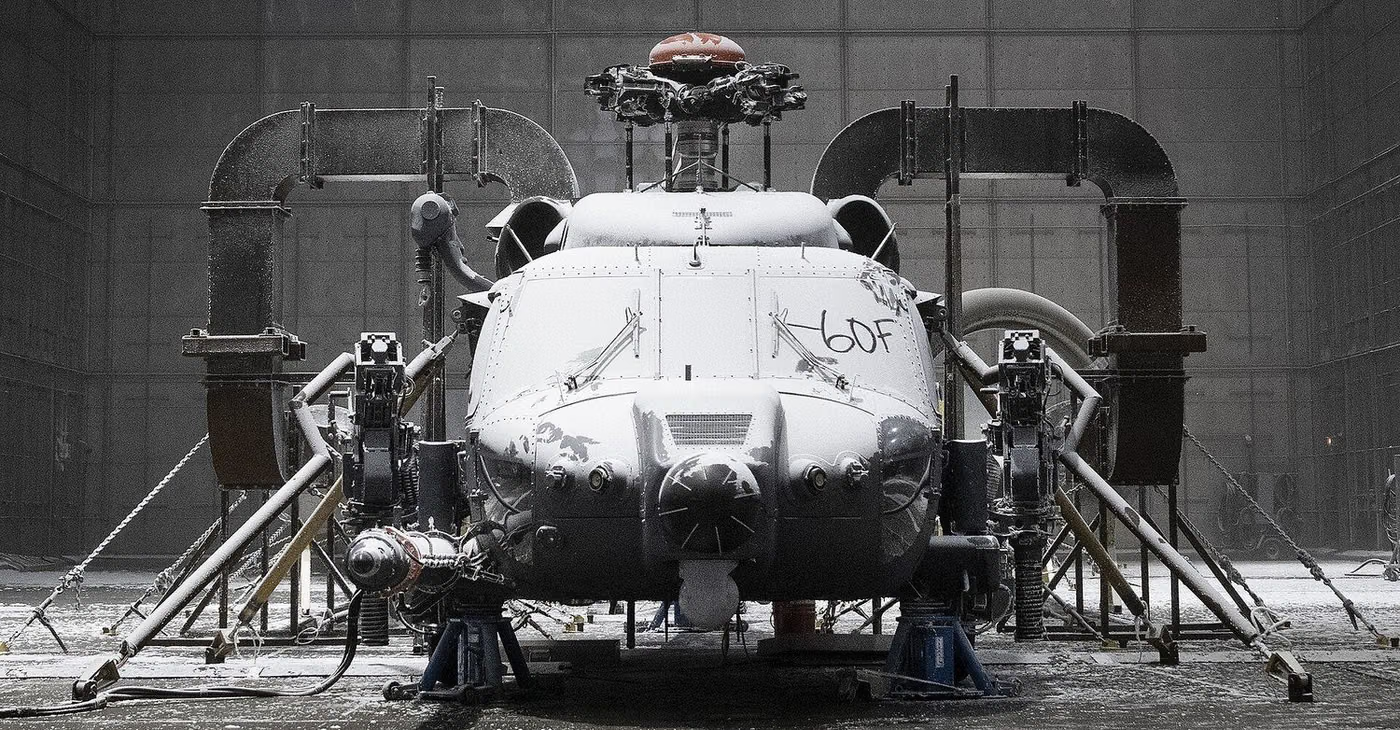
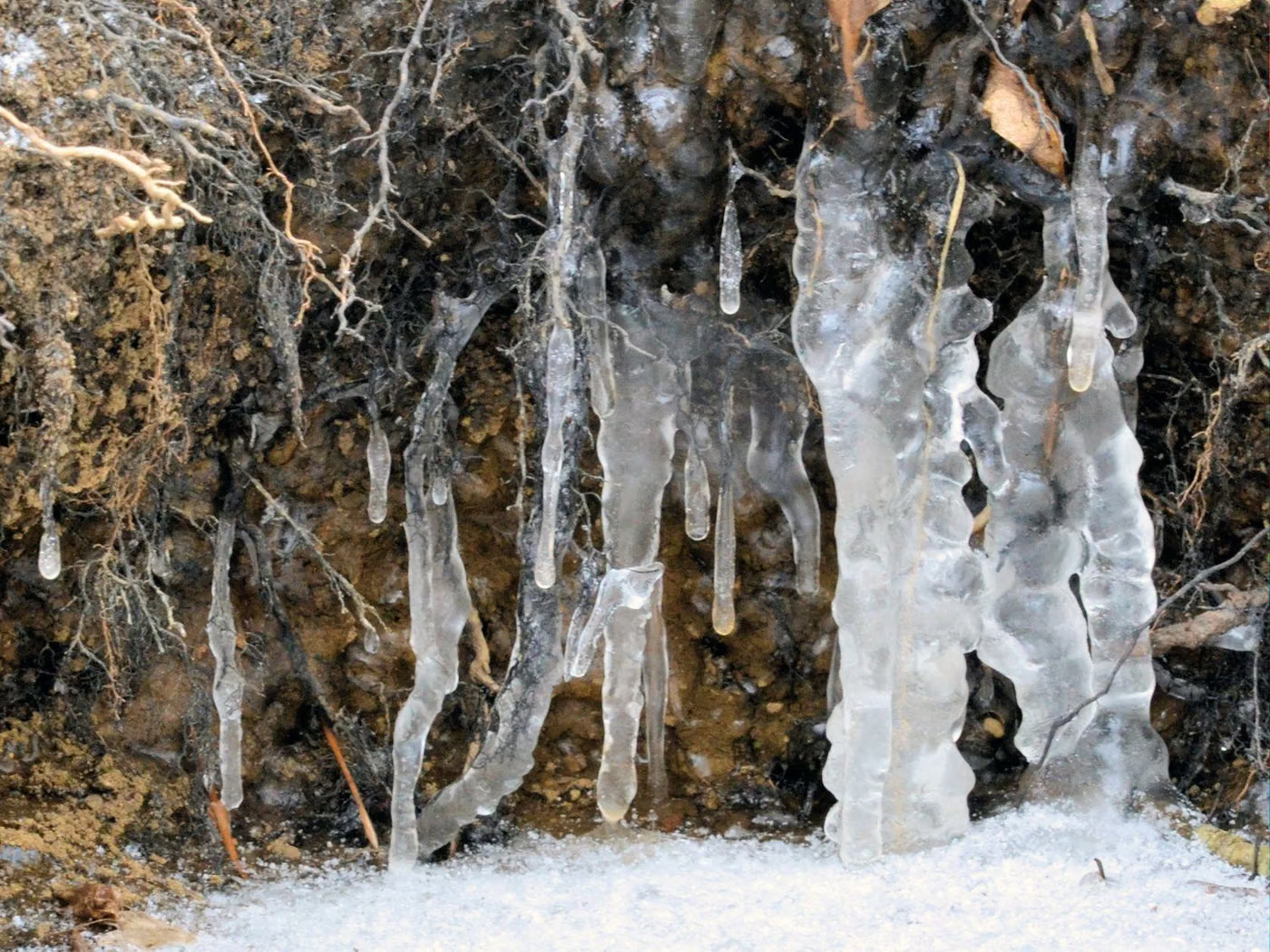
Temperature
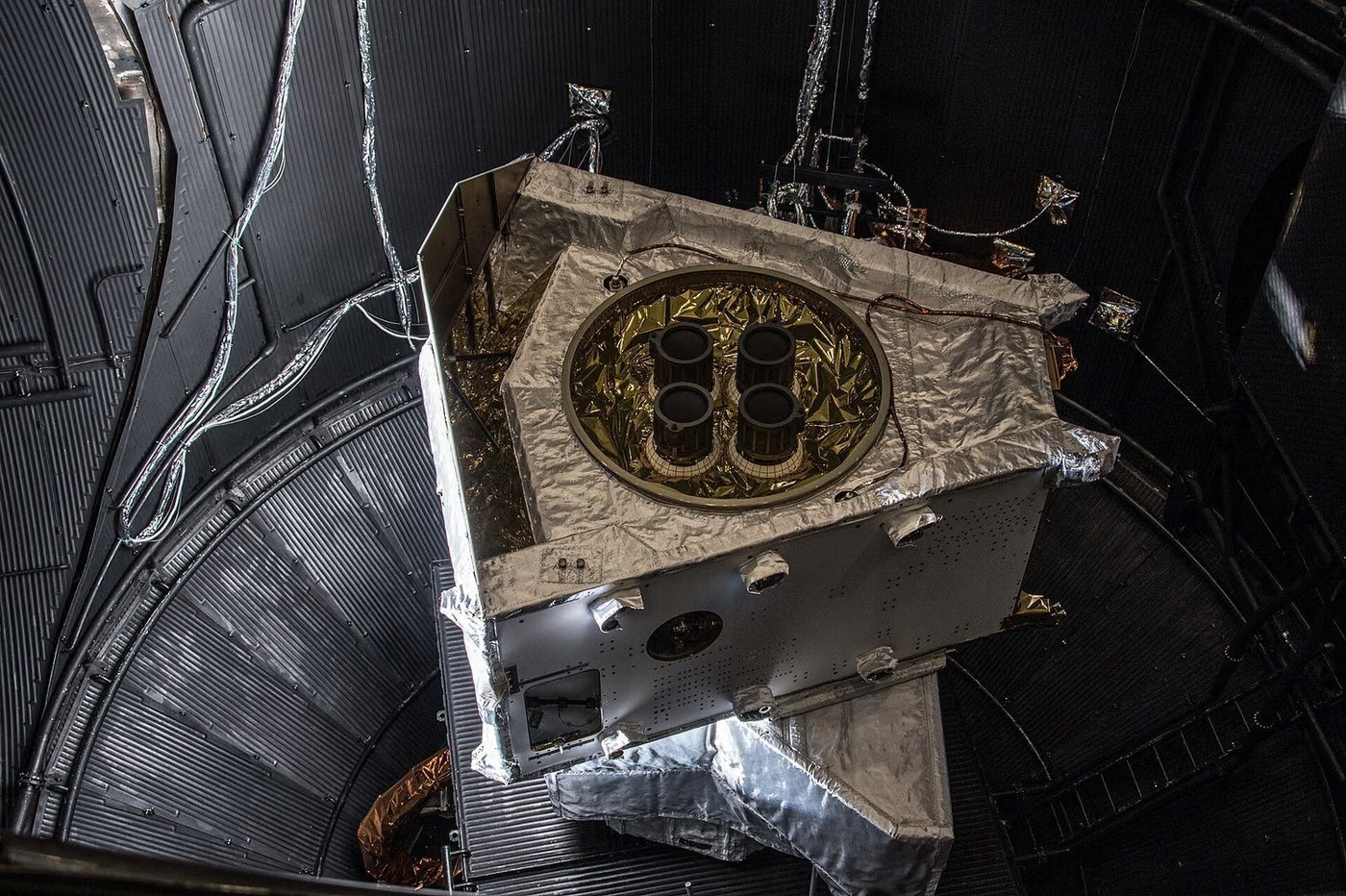
Humidity
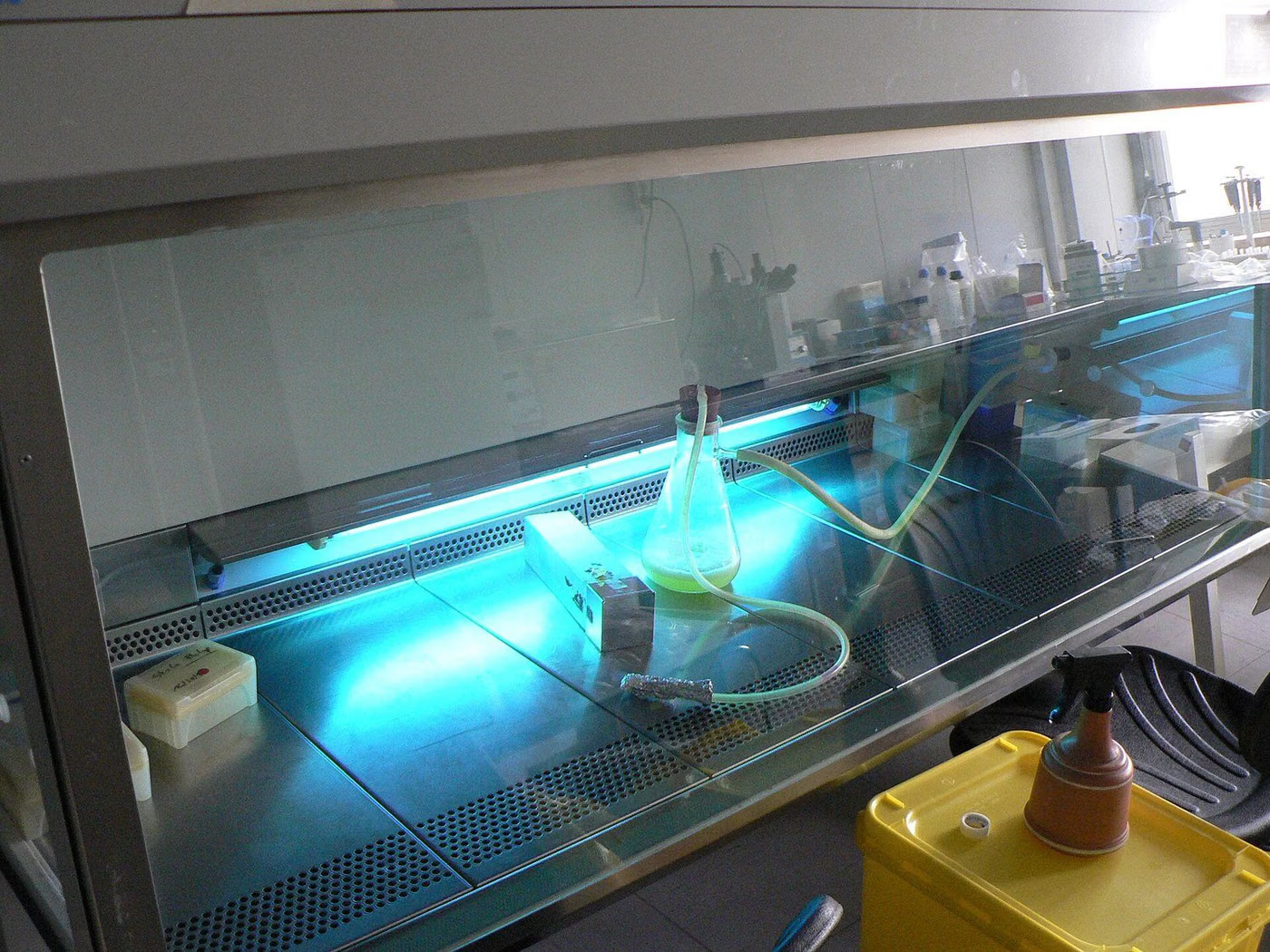
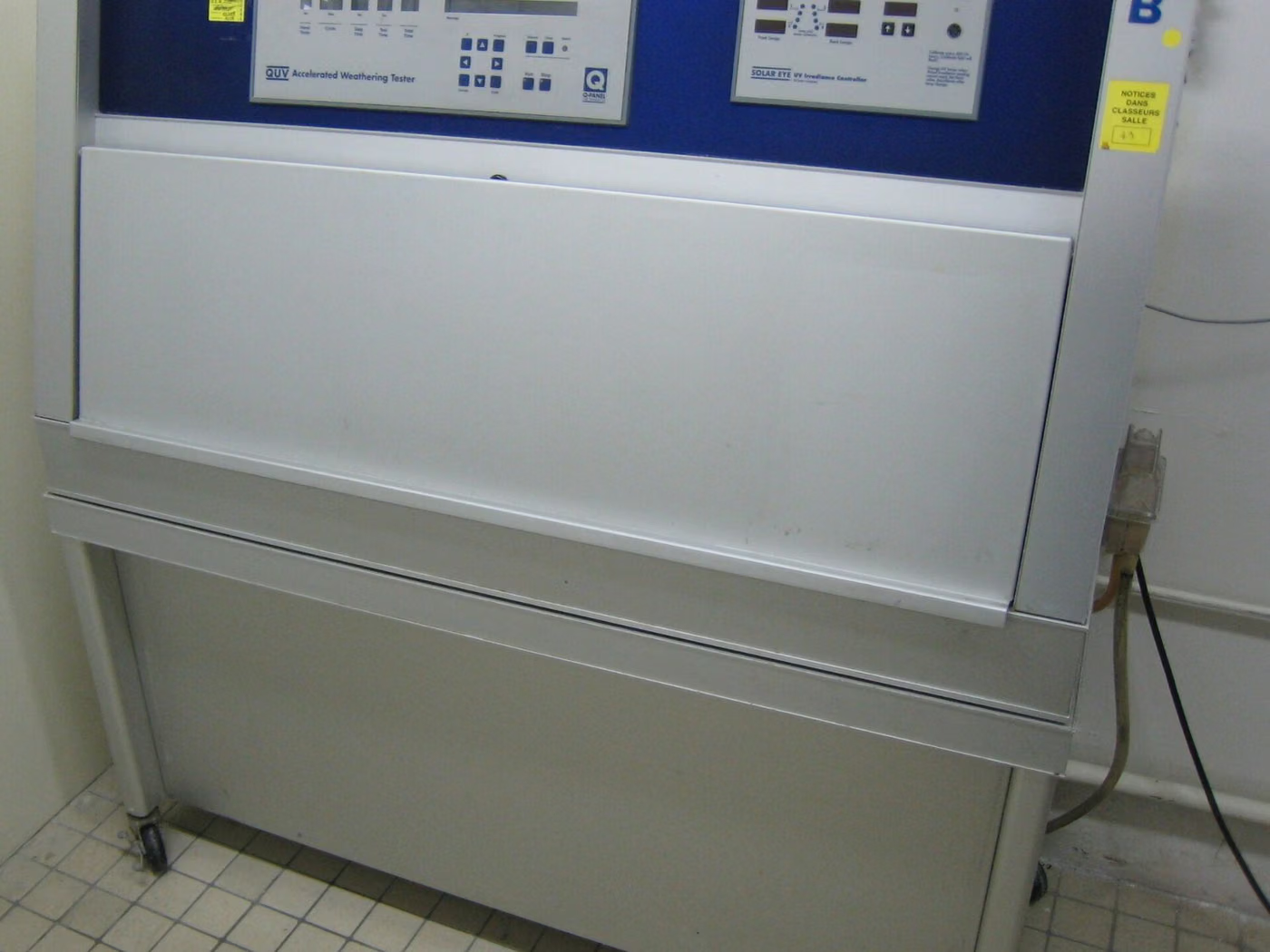
Solar & UV

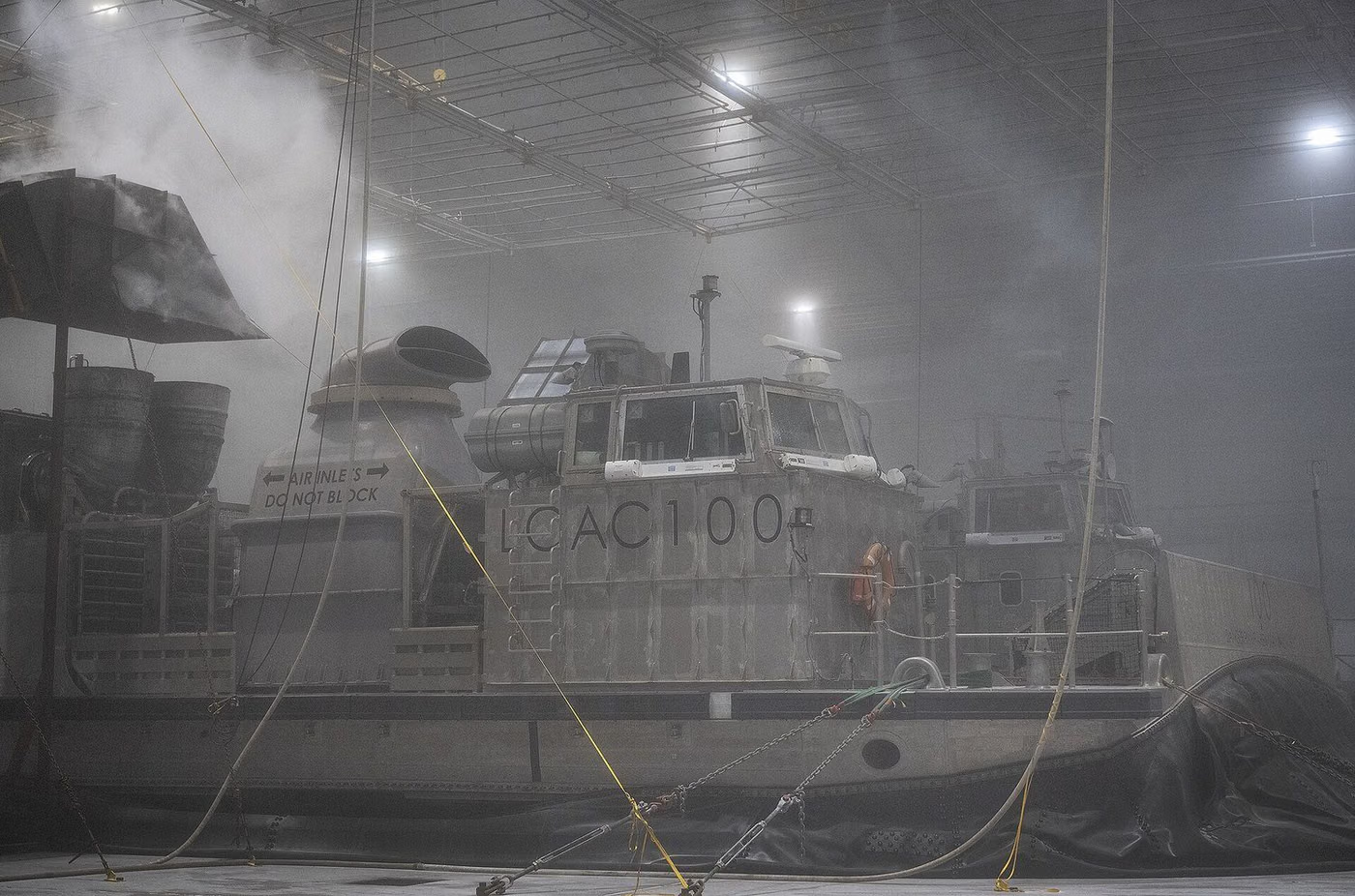
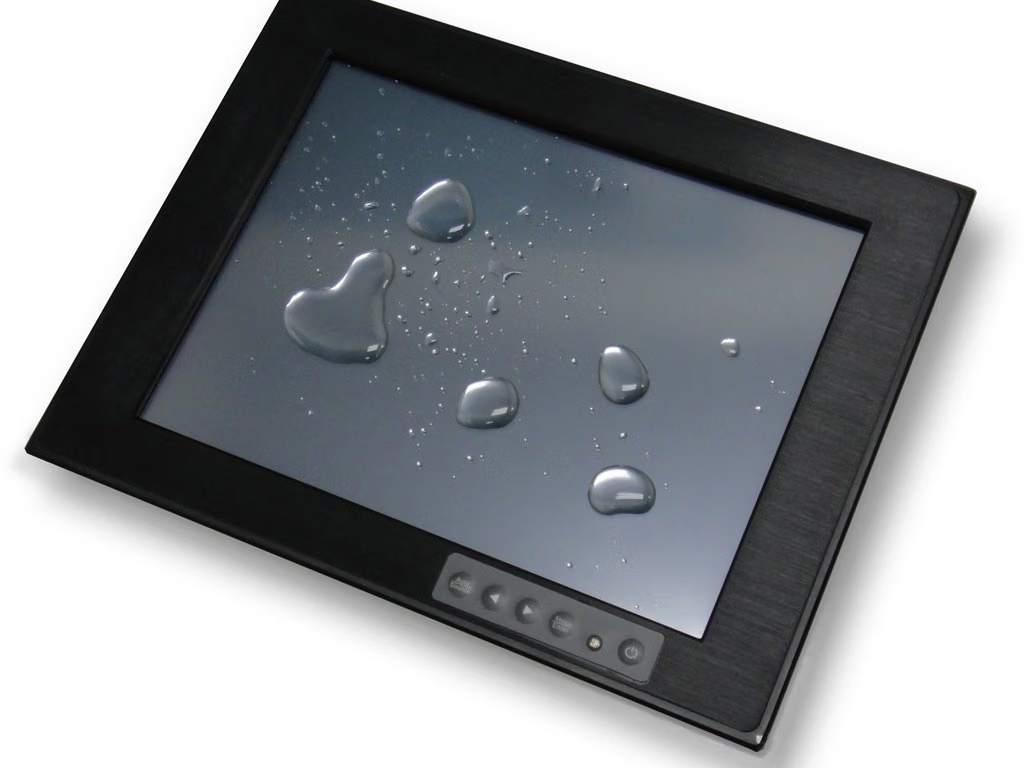
Water & Dust
Other
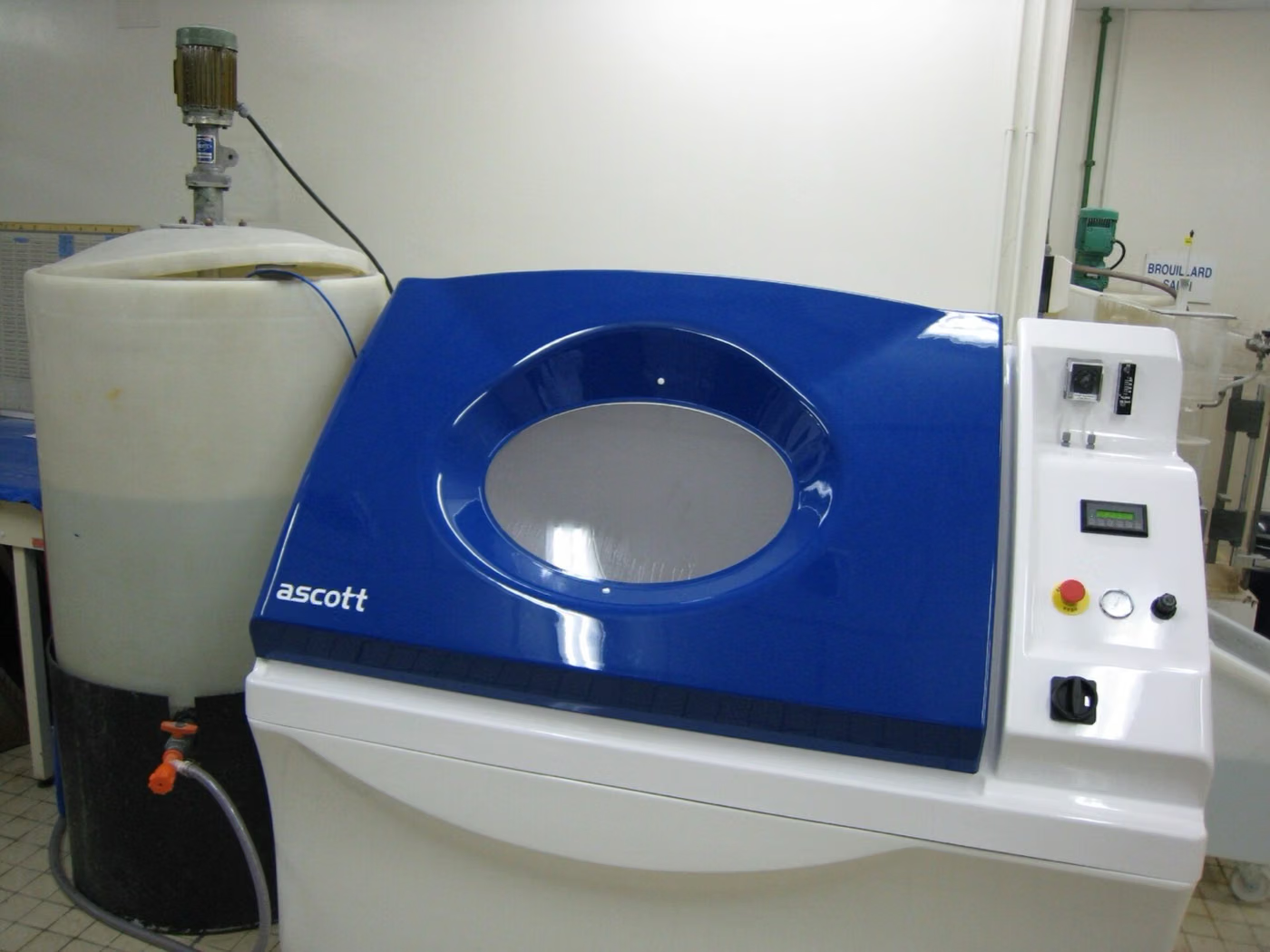
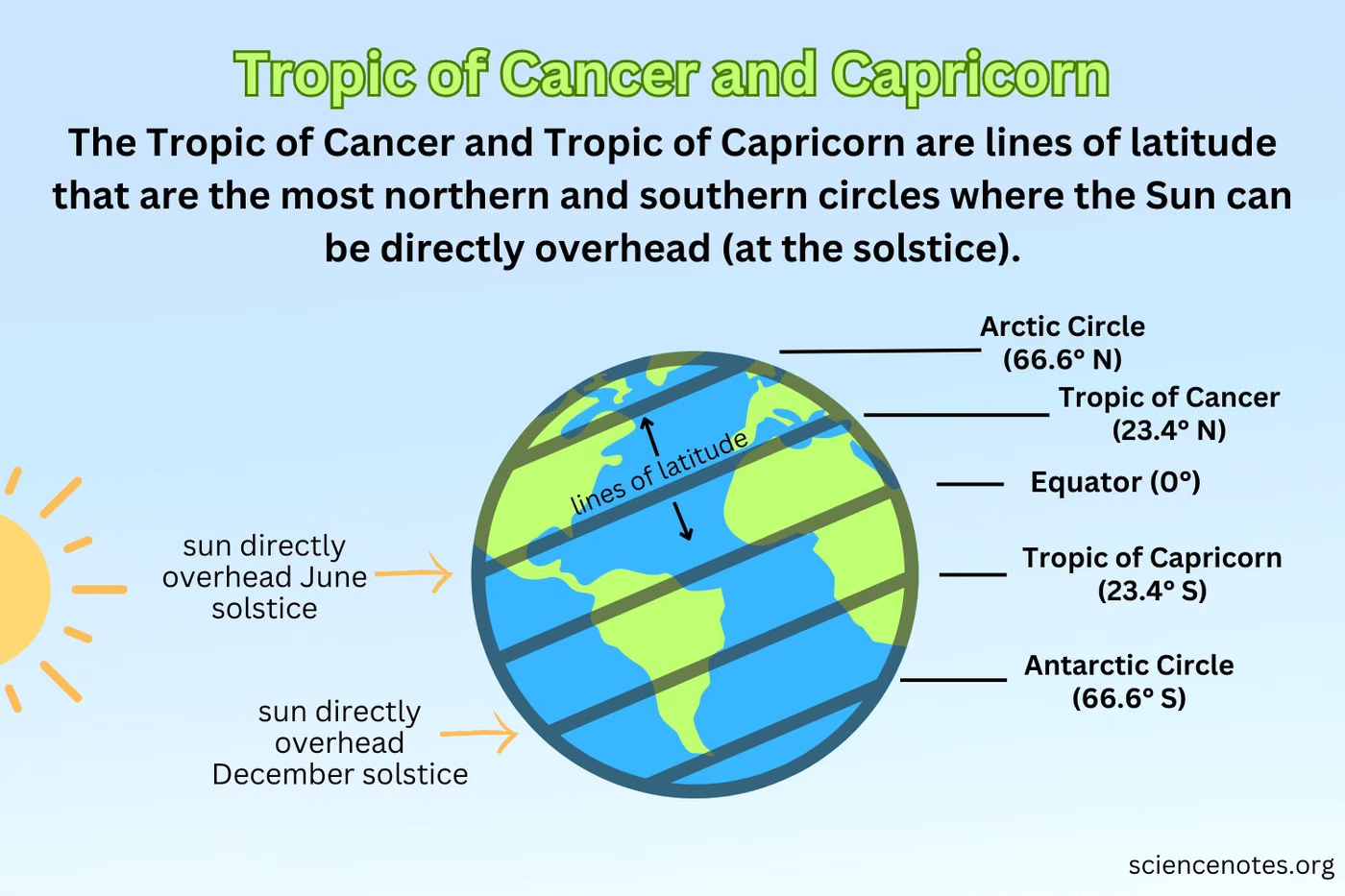

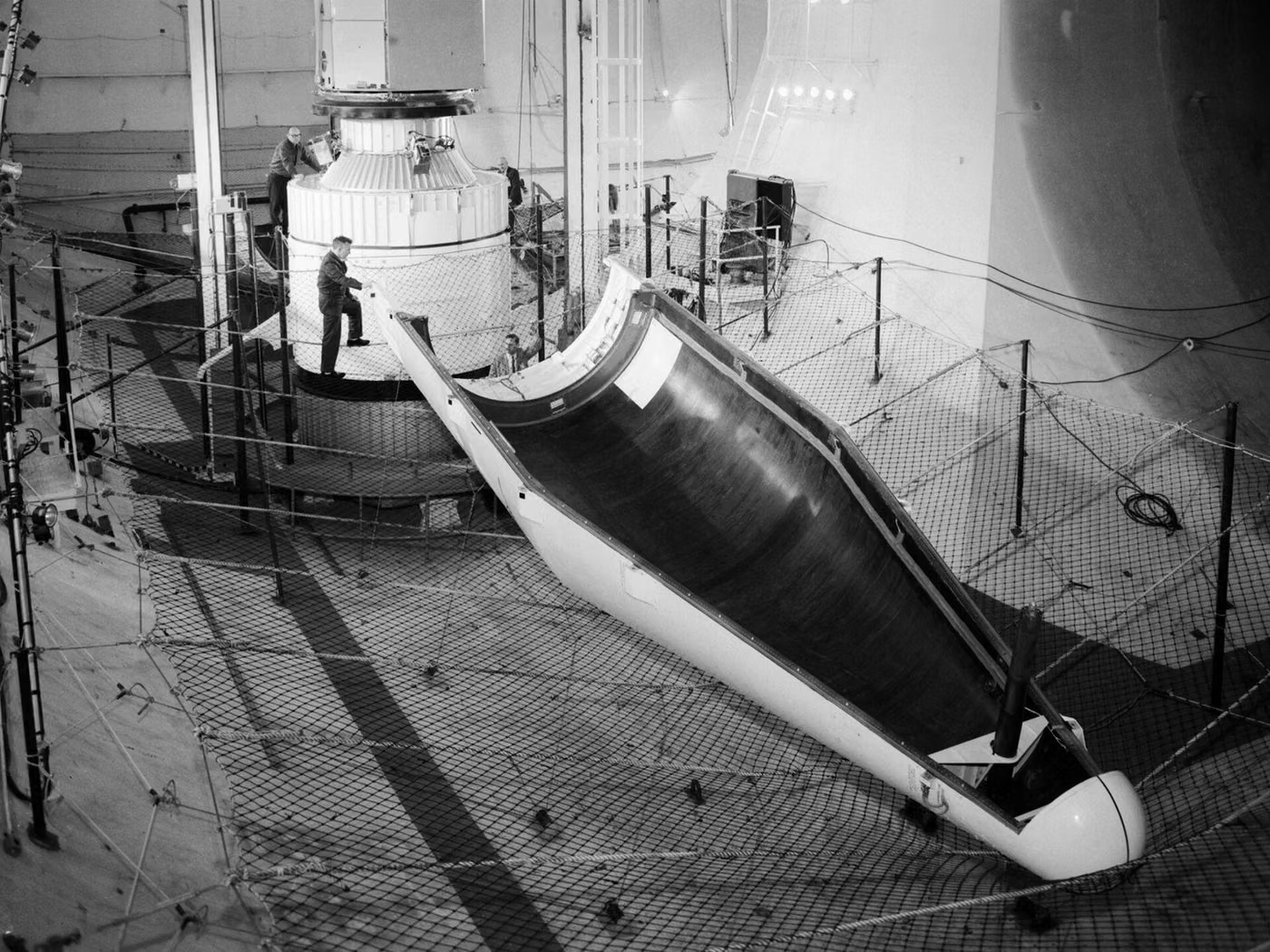
Climatic Testing — What Does This Testing Field Cover?
The section below describes how the field of Climatic Testing works. The conditions, sample requirements and acceptance criteria of the individual tests in this field are given on the relevant test pages.
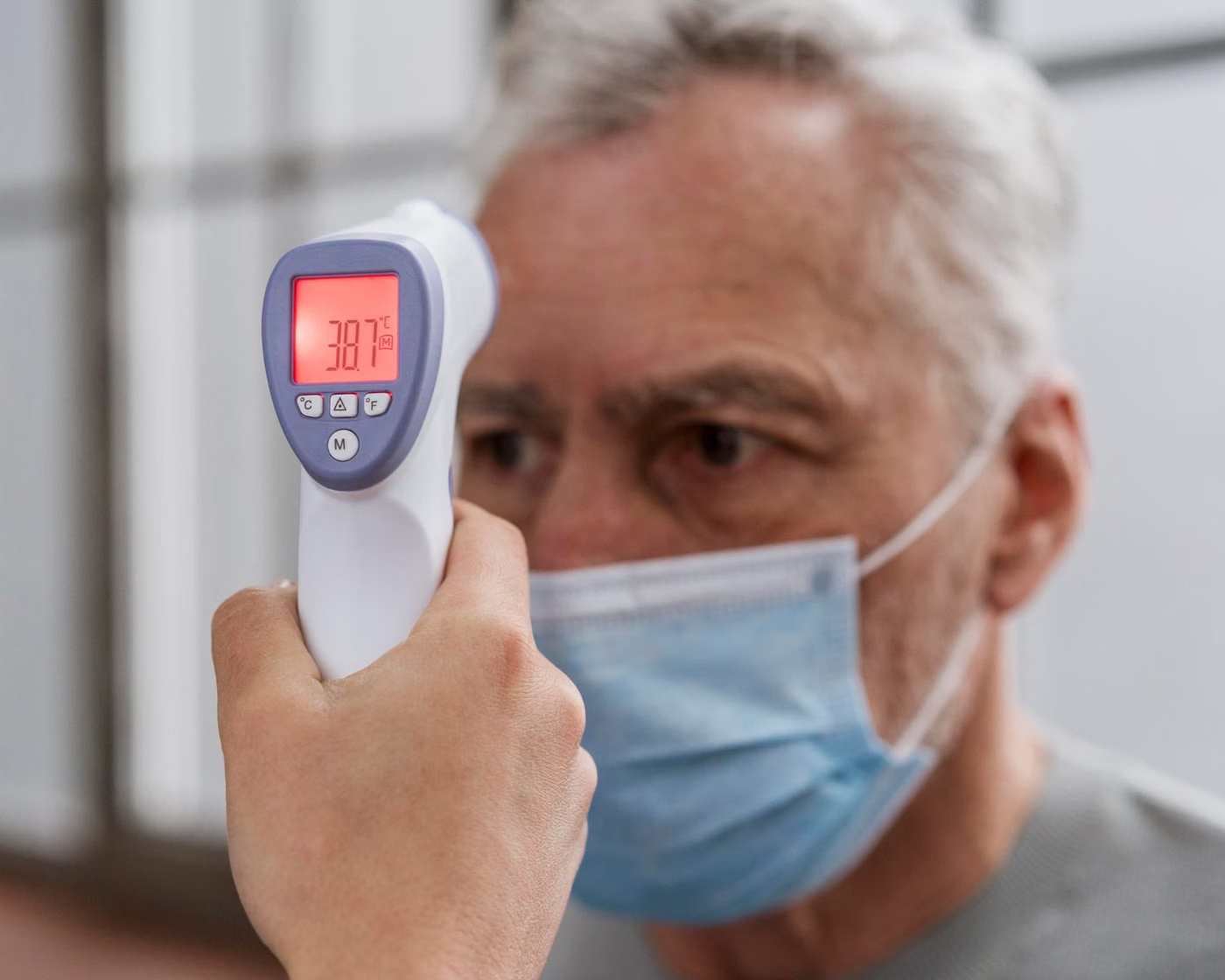
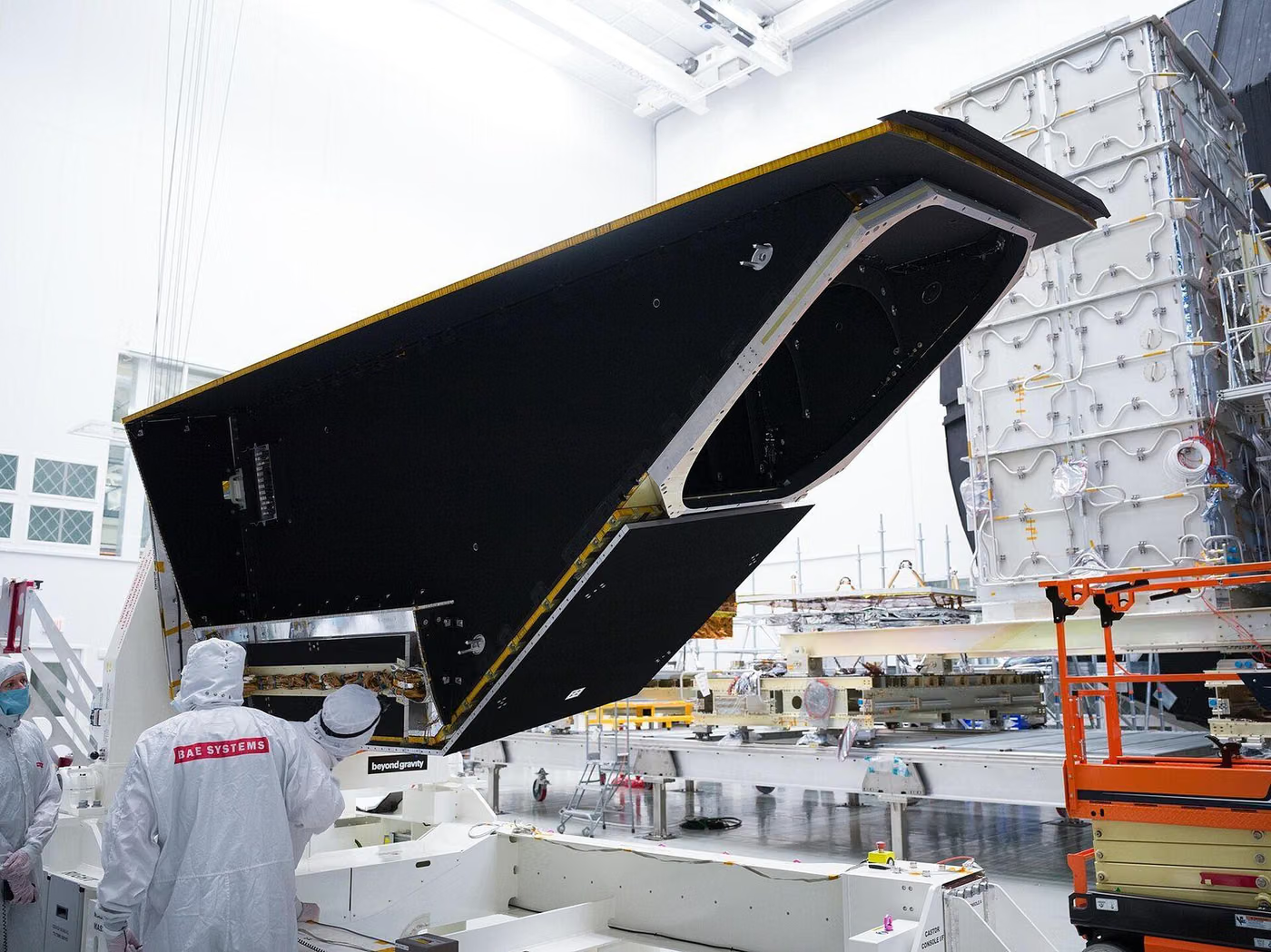
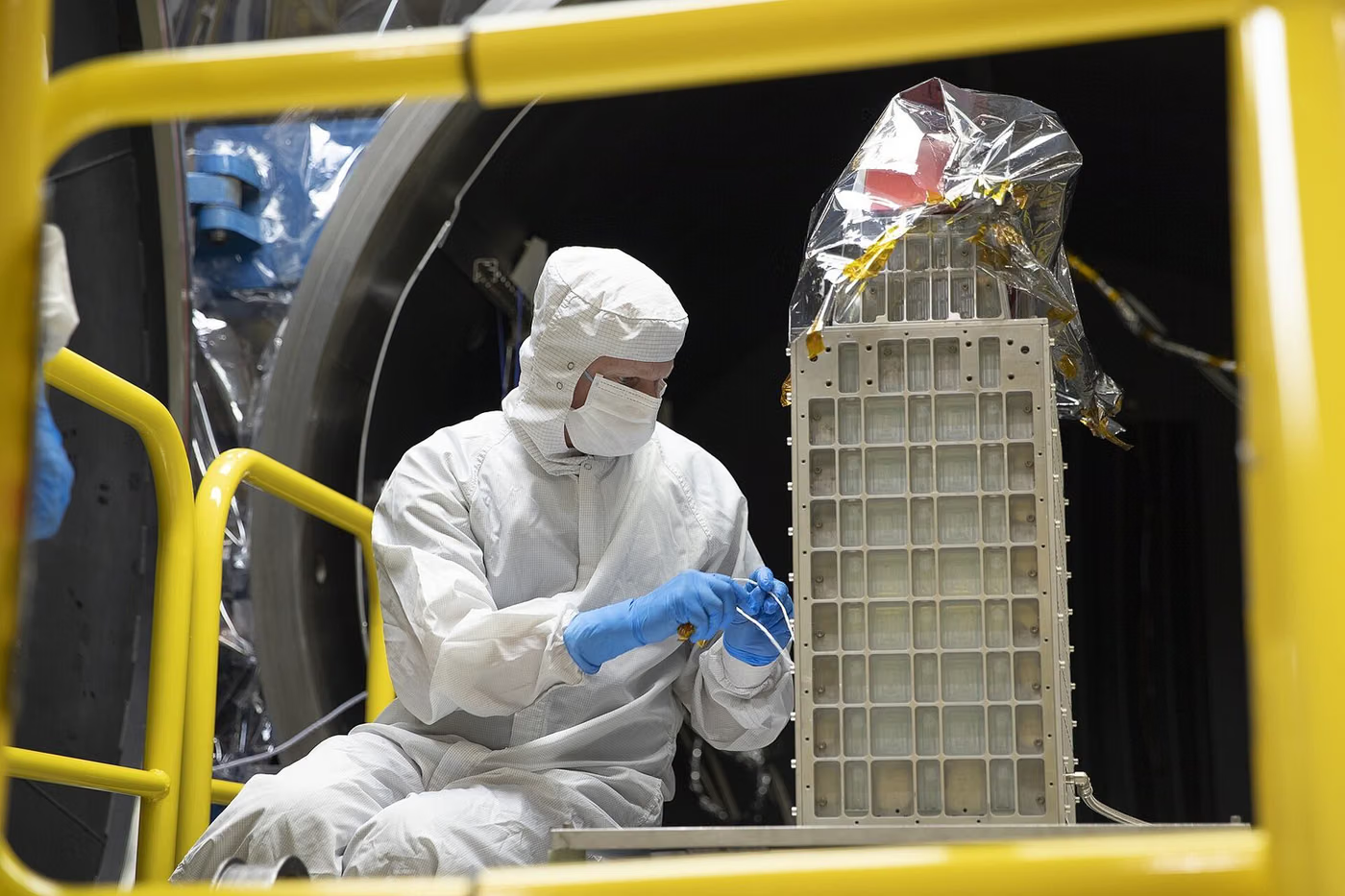
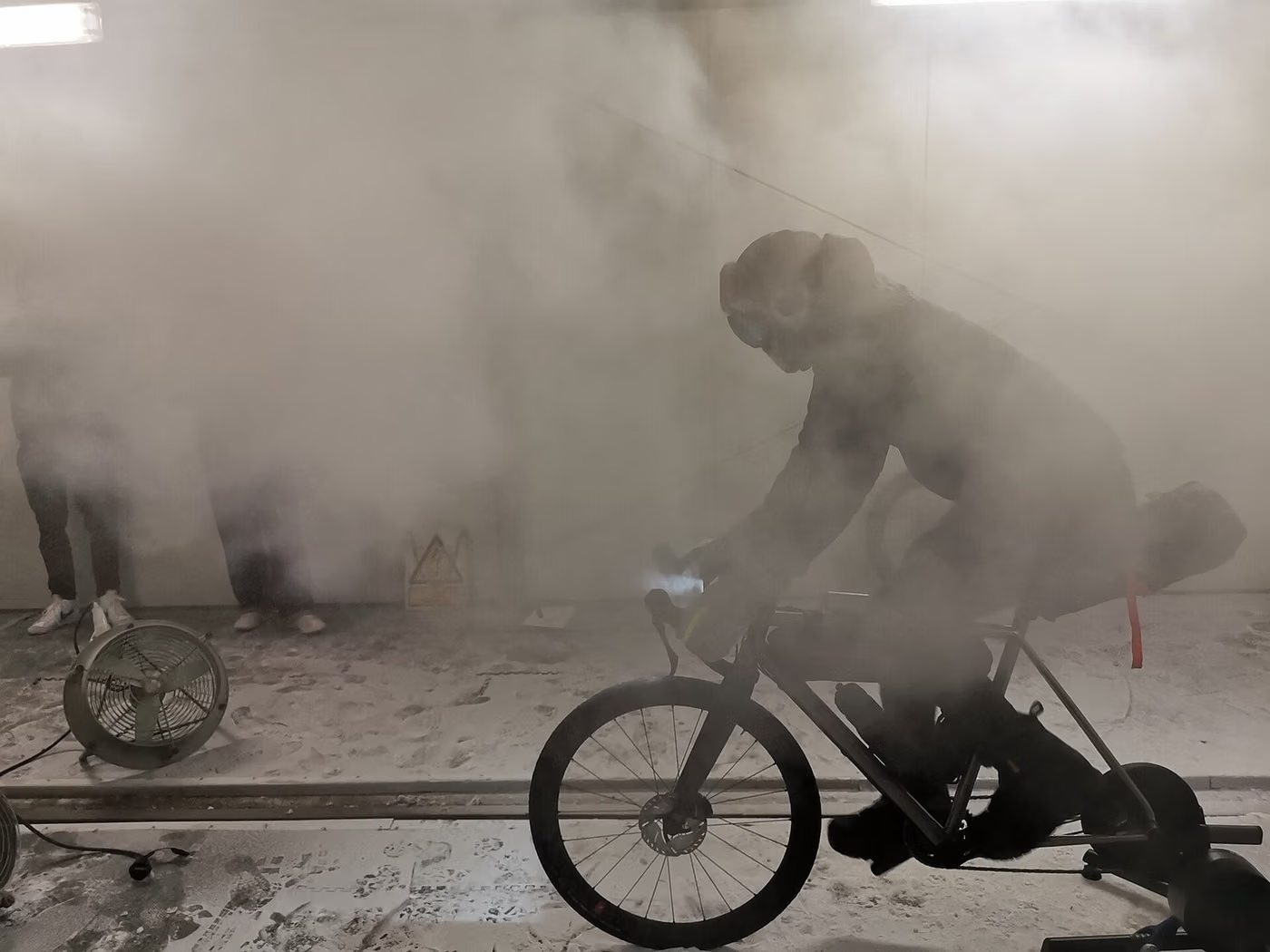
Climatic testing assesses a product's resistance to temperature and humidity conditions and its performance under those conditions. The category combines two different questions: does the product DEGRADE under these conditions, and does it deliver the expected PERFORMANCE under them?
The first question is the durability side: steady temperature, temperature cycling, thermal shock, steady and cyclic damp heat. These reveal failures such as material degradation, dimensional change, condensation and loss of insulation.
The second question is the performance side and is the main subject for heating, cooling and ventilation products in particular: an air conditioner or heat pump delivers different efficiency at different outdoor temperatures. Performance is therefore measured not at a single point but across a TEMPERATURE RANGE, and seasonal efficiency values are calculated from those measurements.
CONDENSATION is the most aggressive mechanism in this category. At steady humidity a product takes up moisture but its surface may stay dry; in cyclic humidity, water droplets form on the cooling surface and this produces leakage current, corrosion and water ingress into enclosures. A cyclic test therefore catches far more failures than a steady one.
Test duration and number of cycles come from the product standard; the category itself imposes no duration. The same climatic chamber may run a few cycles for a portable device and hundreds of cycles for an outdoor unit.
Commonly confused in this field
- Steady humidity and cyclic humidity produce different failure modes; the cyclic test is more aggressive because it creates condensation.
- Hours in a chamber cannot be converted into field life; an acceleration model is required.
- If performance is measured at a single temperature, seasonal efficiency cannot be calculated.
- If the product is not operated during the test, only permanent damage is visible; temporary functional disturbances are missed.
Which decisions these results support
- Declaration of the operating temperature and humidity range
- Efficiency declarations under ecodesign and energy labelling
- Design verification and qualification
- Determining storage and transport conditions
Sectors
In which sectors is Climatic Testing used?

Electronics
EMC / EMI Testing · Electrical Safety · RF and Wireless Testing
Explore
Electrical
Electrical Safety · EMC / EMI Testing · Environmental and Climatic Testing
Explore
Automotive
Automotive Testing · EMC / EMI Testing · Vibration and Shock
Explore
Defence
Defence Testing · Environmental and Climatic Testing · Vibration and Shock
Explore
Aerospace
Aerospace Testing · Environmental and Climatic Testing · Vibration and Shock
Explore




Climatic Testing quote
Tell us your product and the applicable standard; we'll share the timeline and sample requirements in writing.