
Testing & Laboratory
Electronics Testing
A scope heading, not a single list of experiments; The following test families conduct the experiments.
Request a QuoteElectronics Testingis a scope heading, not a single list of experiments. The following test families carry out the experiments in the scope; A complete list of each family is on its own page.
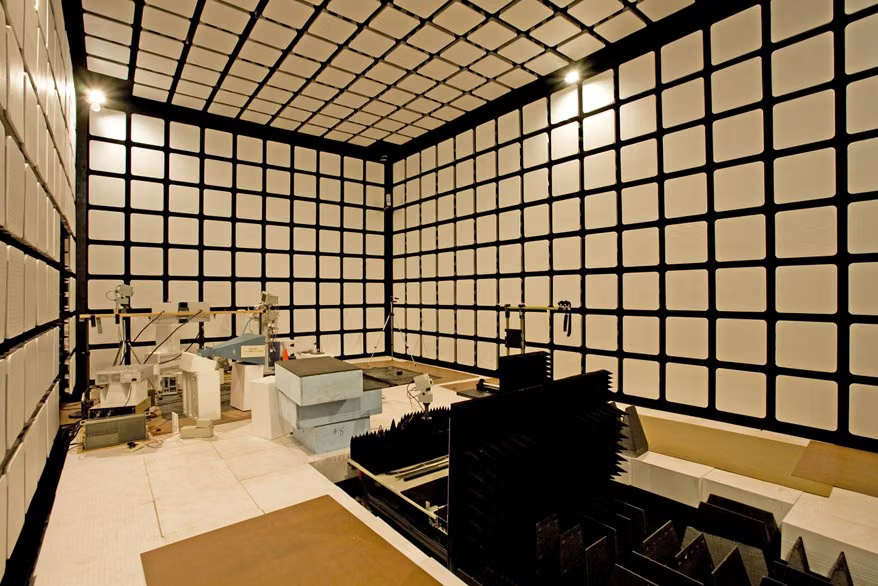
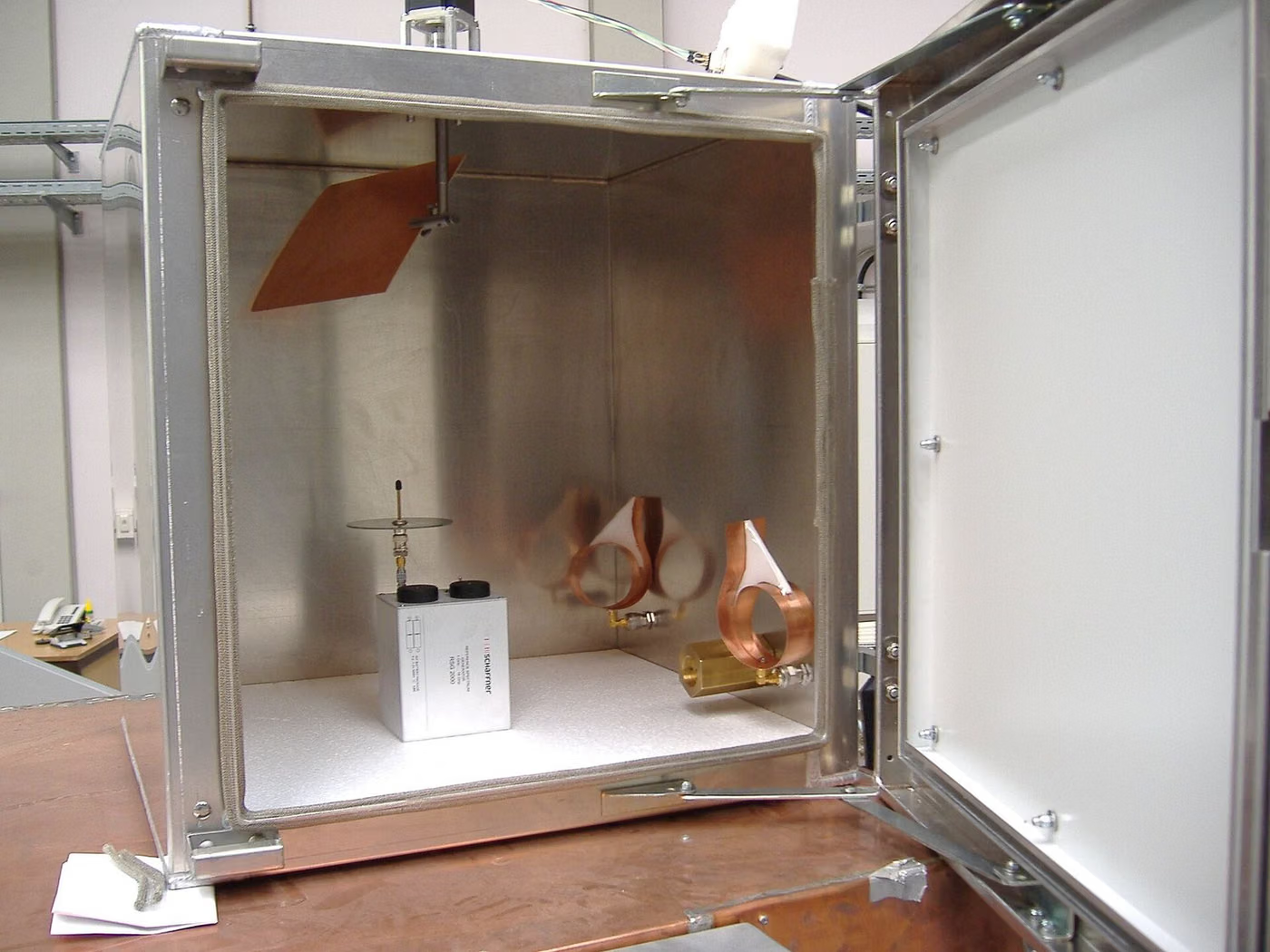
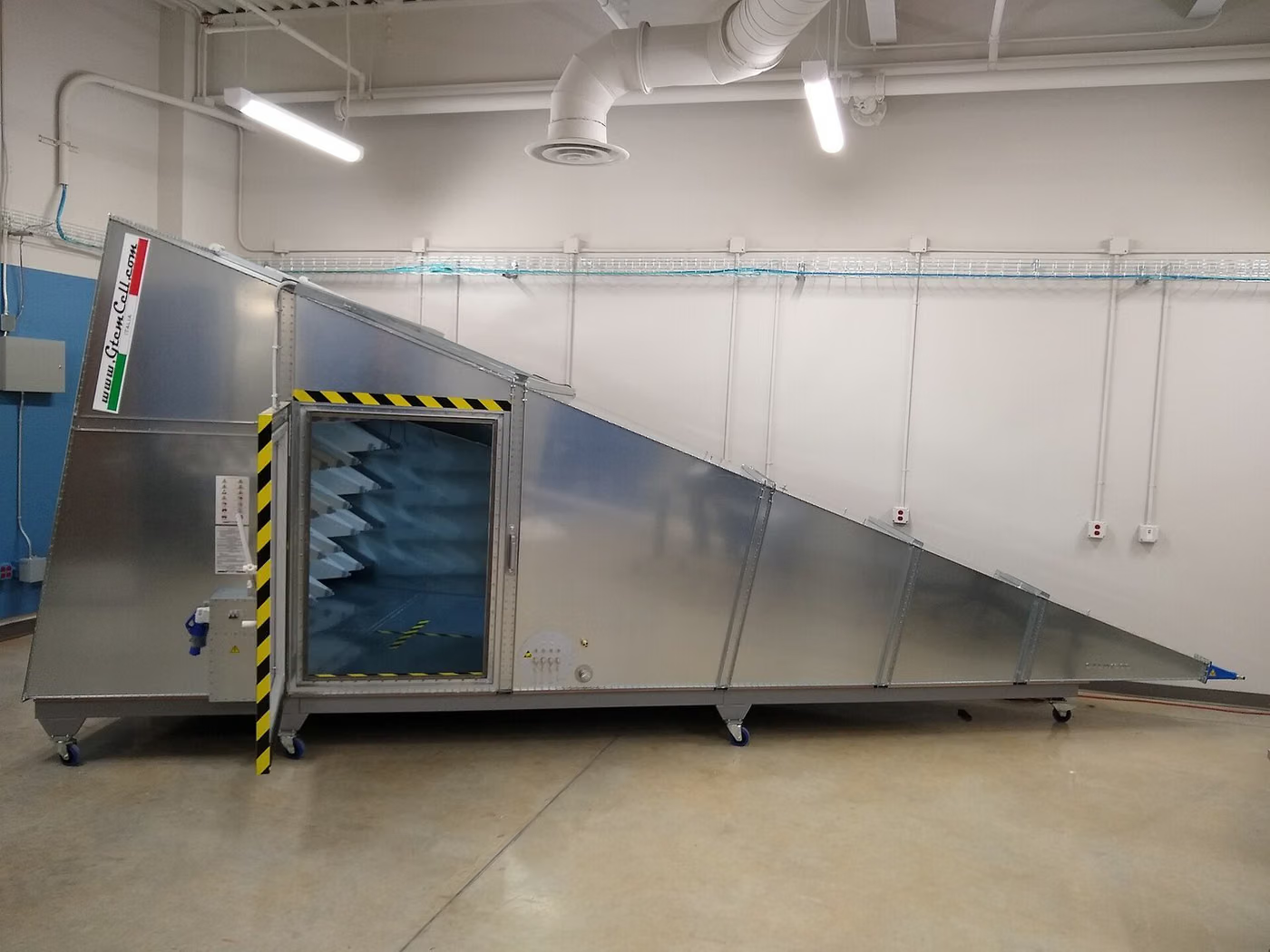
EMC / EMI Testing
Full page EMC / EMI Testing
Electrical Safety
Full page Electrical Safety
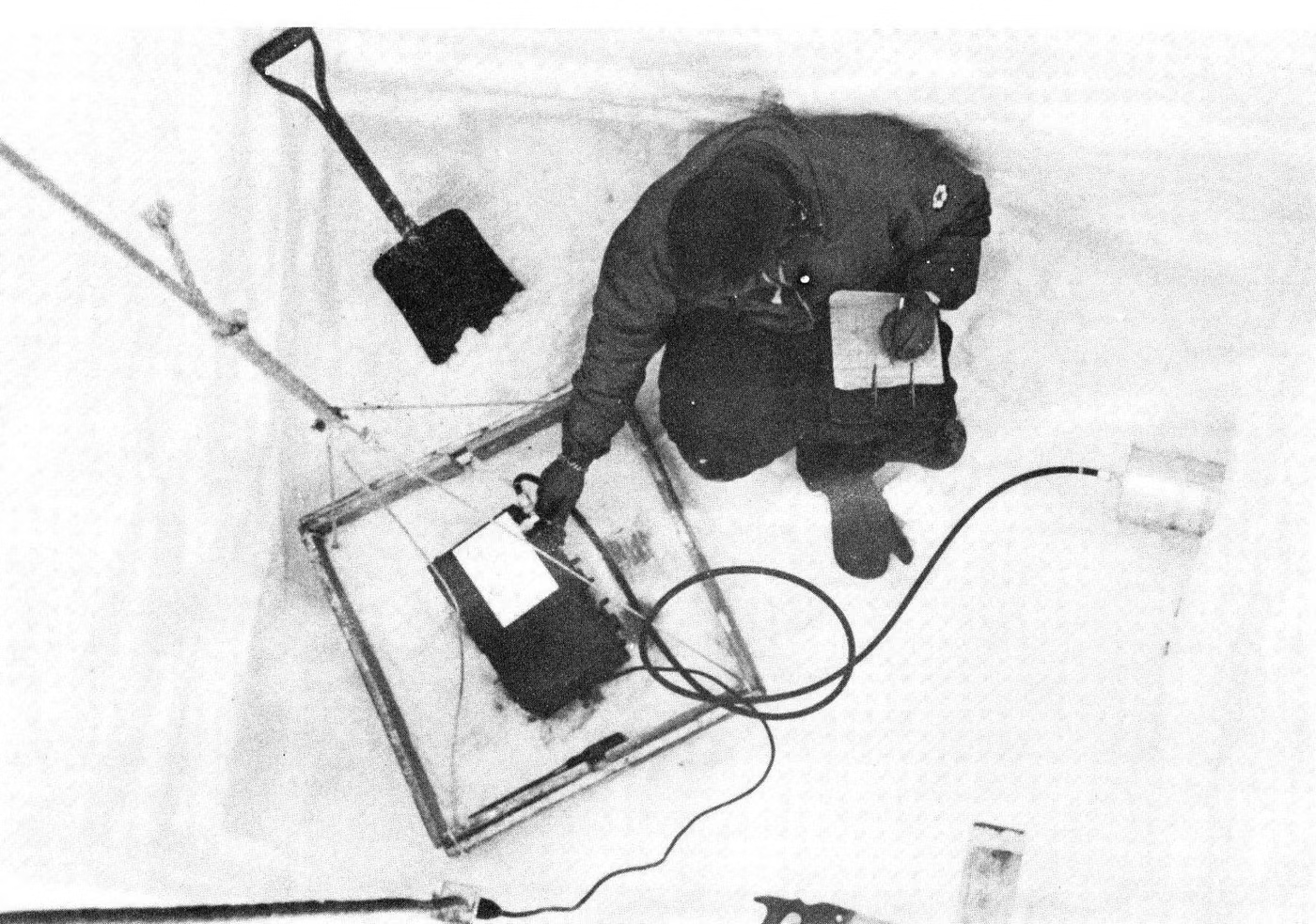
Environmental and Climatic Testing
Full page Environmental and Climatic Testing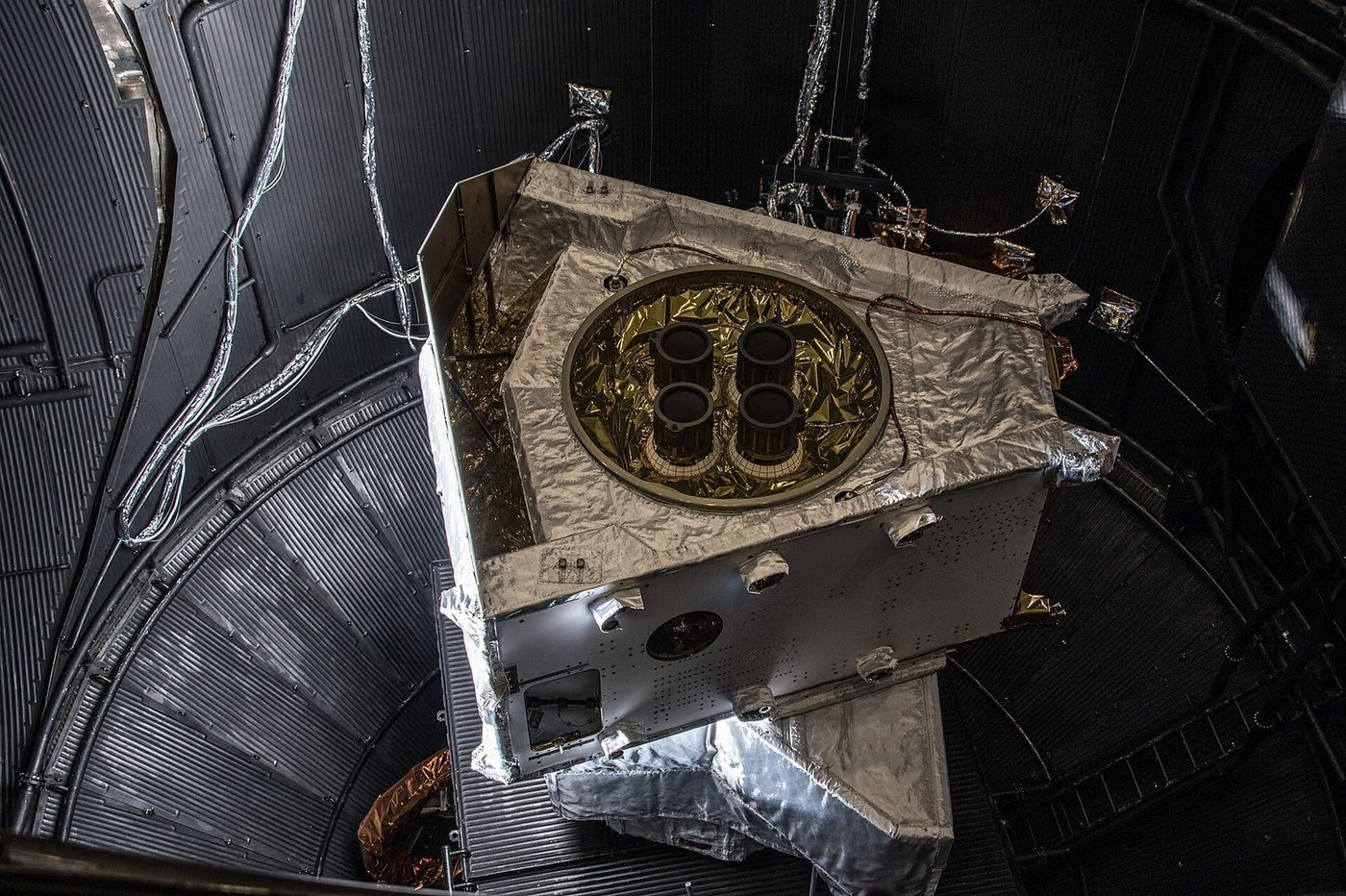
Electronics Testing — What Does This Testing Field Cover?
The section below describes how the field of Electronics Testing works. The conditions, sample requirements and acceptance criteria of the individual tests in this field are given on the relevant test pages.
Electronics testing assesses function, reliability and manufacturing quality at board and component level. It is a different question from product safety: here the real question is not "is it safe" but "does it work correctly and will it keep working".
The category combines three bodies of work. On the MANUFACTURING QUALITY side, solder joint quality, board cleanliness, ionic contamination and assembly acceptability are assessed. On the RELIABILITY side, temperature cycling, humidity, vibration and accelerated life tests are carried out. On the COMPONENT QUALIFICATION side, test methods for semiconductor and passive components are applied.
The solder joint is the most critical failure point in this field. Every joint on a board is a place where materials with different expansion coefficients (copper, solder, ceramic, resin) meet; temperature cycling produces fatigue at that junction and cracks develop over time. Electronic reliability testing is therefore mostly based on temperature cycling.
MOISTURE/REFLOW SENSITIVITY is a separate subject for surface mount components: plastic-bodied components absorb moisture from the air, and during the rapid heating of soldering that moisture vaporises and can crack the body from within. Components are therefore classified by moisture sensitivity level and storage conditions are managed accordingly.
Counterfeit component risk is a growing problem in the supply chain. The authenticity of components procured on the open market is verified by visual inspection, X-ray, decapsulation and elemental analysis; in the aerospace and defence supply chain this verification is a mandatory step.
Commonly confused in this field
- A functional test does not demonstrate reliability; a product may work today and fail from a solder crack six months later.
- The result of an accelerated life test cannot be converted directly into a life in years; an acceleration model is required.
- If a component's moisture sensitivity level is ignored, the body cracks internally during soldering and the failure appears later.
- Board cleanliness cannot be assessed visually; an ionic contamination measurement is required.
Which decisions these results support
- Verification of the board manufacturing process and assembly acceptance
- Component supplier approval and counterfeit part verification
- Supporting reliability targets and the warranty period
- Root cause analysis of field failures
Sectors
In which sectors is Electronics Testing used?
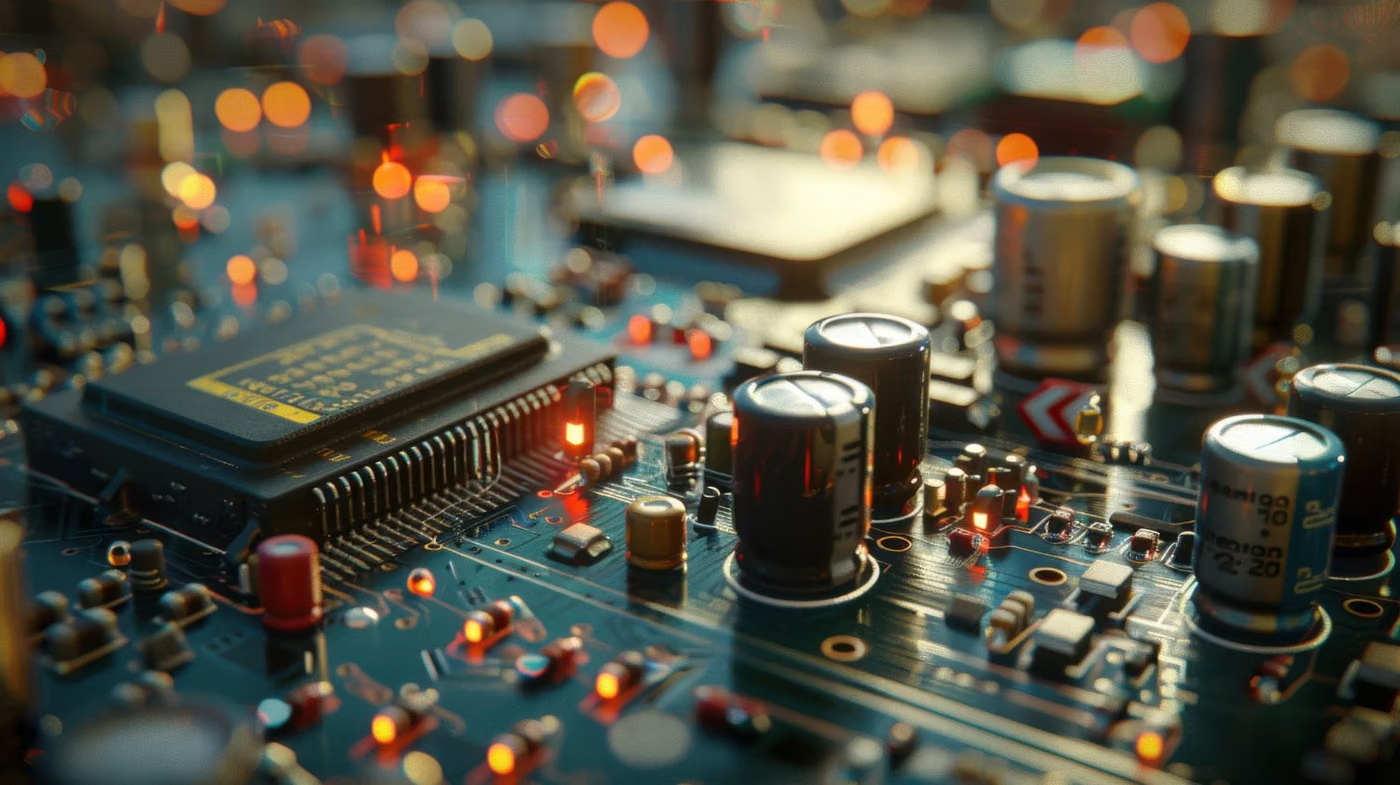
Electronics
EMC / EMI Testing · Electrical Safety · RF and Wireless Testing
Explore
Electrical
Electrical Safety · EMC / EMI Testing · Environmental and Climatic Testing
Explore
Automotive
Automotive Testing · EMC / EMI Testing · Vibration and Shock
Explore
Telecommunications
RF and Wireless Testing · EMC / EMI Testing · Electrical Safety
Explore
Defence
Defence Testing · Environmental and Climatic Testing · Vibration and Shock
Explore
Machinery
Mechanical Testing · Electrical Safety · EMC / EMI Testing
Explore
Medical Device
Medical Device Testing · Electrical Safety · EMC / EMI Testing
Explore
Aerospace
Aerospace Testing · Environmental and Climatic Testing · Vibration and Shock
Explore




Electronics Testing quote
Tell us your product and the applicable standard; we'll share the timeline and sample requirements in writing.