
Testing & Laboratory
Electrical Testing
With its subgroups, experiments and associated standards.
Request a QuoteScope
Subgroups within Electrical Testing
Each group lands in its own section on the same page; The full list of experiments is there.
Electrical safety testing
 Dielectric StrengthIEC 60335 · IEC 62368 · IEC 61010
- HipotIEC 60335 · IEC 62368 · IEC 61010
 Insulation ResistanceIEC 60335 · IEC 62368 · IEC 61010
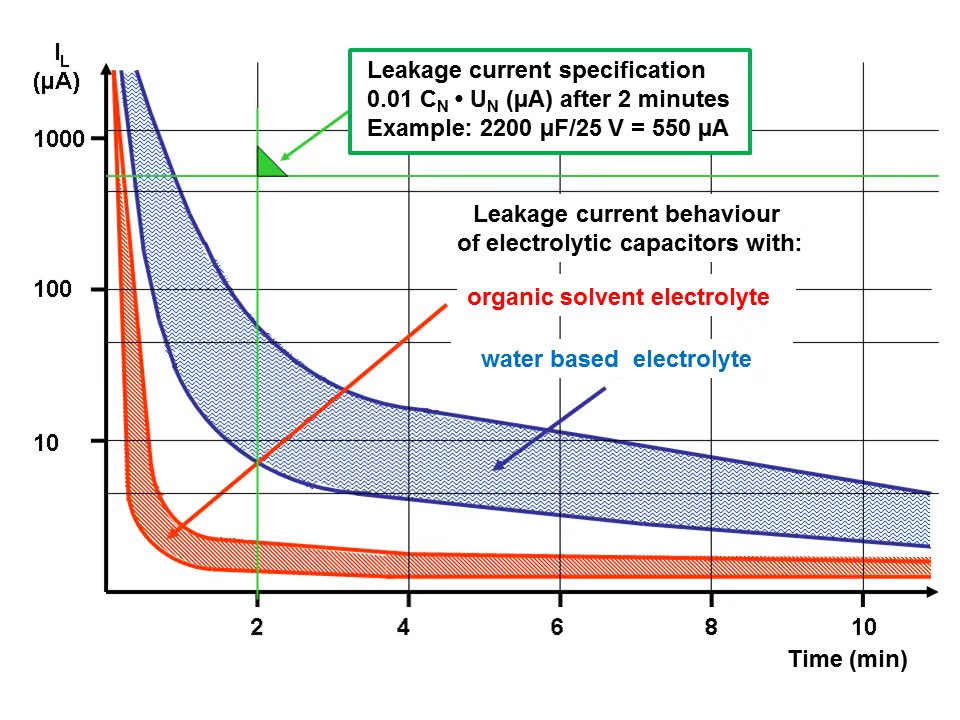 Leakage CurrentIEC 60335 · IEC 62368 · IEC 61010
 Ground BondIEC 60335 · IEC 62368 · IEC 61010
- Earth ContinuityIEC 60335 · IEC 62368 · IEC 61010
- Touch CurrentIEC 60335 · IEC 62368 · IEC 61010
 Temperature RiseIEC 60335 · IEC 62368 · IEC 61010
- Abnormal OperationIEC 60335 · IEC 62368 · IEC 61010
 OverloadIEC 60335 · IEC 62368 · IEC 61010
- Short CircuitIEC 60335 · IEC 62368 · IEC 61010
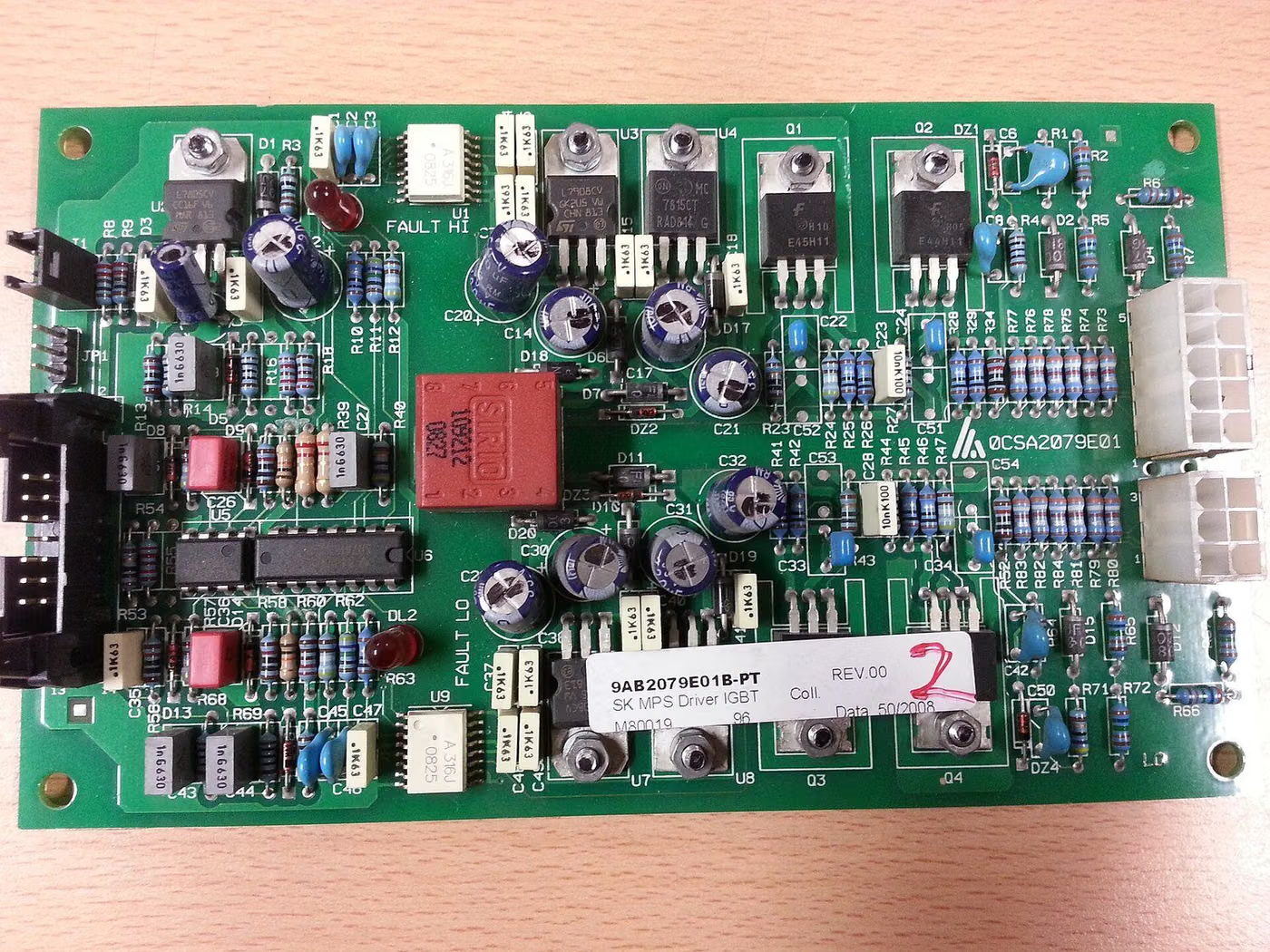 Creepage & ClearanceIEC 60335 · IEC 62368 · IEC 61010
- Glow WireIEC 60335 · IEC 62368 · IEC 61010
 Needle FlameIEC 60335 · IEC 62368 · IEC 61010
- Ball PressureIEC 60335 · IEC 62368 · IEC 61010
- CTI/PTIIEC 60335 · IEC 62368 · IEC 61010
- Tracking
 Electrical Endurance
 Power Consumption
Electrical Testing — What Does This Testing Field Cover?
The section below describes how the field of Electrical Testing works. The conditions, sample requirements and acceptance criteria of the individual tests in this field are given on the relevant test pages.
Electrical testing measures the electrical behaviour of a product or material: insulation resistance, dielectric strength, leakage current, continuity, resistance, capacitance, surface and volume resistivity, tracking resistance.
The category serves two different purposes and they must not be confused. SAFETY measurements show that the user is protected against electric shock and sit within product safety standards. CHARACTERISATION measurements determine the electrical properties of a material or component and are used as design inputs.
For insulating materials the measurement is highly sensitive to the ENVIRONMENT. Surface moisture changes surface resistivity by orders of magnitude; insulation measurements are therefore made at defined temperature and humidity, usually after conditioning. The same specimen gives completely different results wet and dry.
The dielectric strength test appears in two different contexts and the two get confused: the TYPE test is applied once in product approval and is more severe; the ROUTINE test is applied to every unit on the production line at a level that will not stress the product. Presenting the production line test as a type test is incorrect.
Tracking resistance addresses a long-term failure mechanism on insulating surfaces: on a soiled and damp surface, small leakage currents form a conductive track over time. This is behaviour that does not appear in day-one measurements but can lead to fire in the field.
Commonly confused in this field
- The type test and the production line routine test are at different levels; neither substitutes for the other.
- Insulation measurements are highly sensitive to humidity and temperature; a result obtained without conditioning is misleading.
- A high insulation resistance does not show the product is safe; a safety assessment also includes constructional examination.
- If the measurement voltage and duration are not reported, the result cannot be compared.
Which decisions these results support
- Product safety declaration and the CE file
- Insulating material selection and supplier approval
- Determining the parameters of production line routine testing
- Root cause analysis of field failures (leakage, tracking)
Sectors
In which sectors is Electrical Testing used?
Electrical
Electrical Safety · EMC / EMI Testing · Environmental and Climatic Testing
Explore
Electronics
EMC / EMI Testing · Electrical Safety · RF and Wireless Testing
Explore
Machinery
Mechanical Testing · Electrical Safety · EMC / EMI Testing
Explore
Medical Device
Medical Device Testing · Electrical Safety · EMC / EMI Testing
Explore







Electrical Testing quote
Tell us your product and the applicable standard; we'll share the timeline and sample requirements in writing.