


Testing & Laboratory
Materials Testing
A scope heading, not a single list of experiments; The following test families conduct the experiments.
Request a QuoteMaterials Testingis a scope heading, not a single list of experiments. The following test families carry out the experiments in the scope; A complete list of each family is on its own page.
Metal and Metallurgy Testing
Full page Metal and Metallurgy Testing

Plastics Testing
Full page Plastics Testing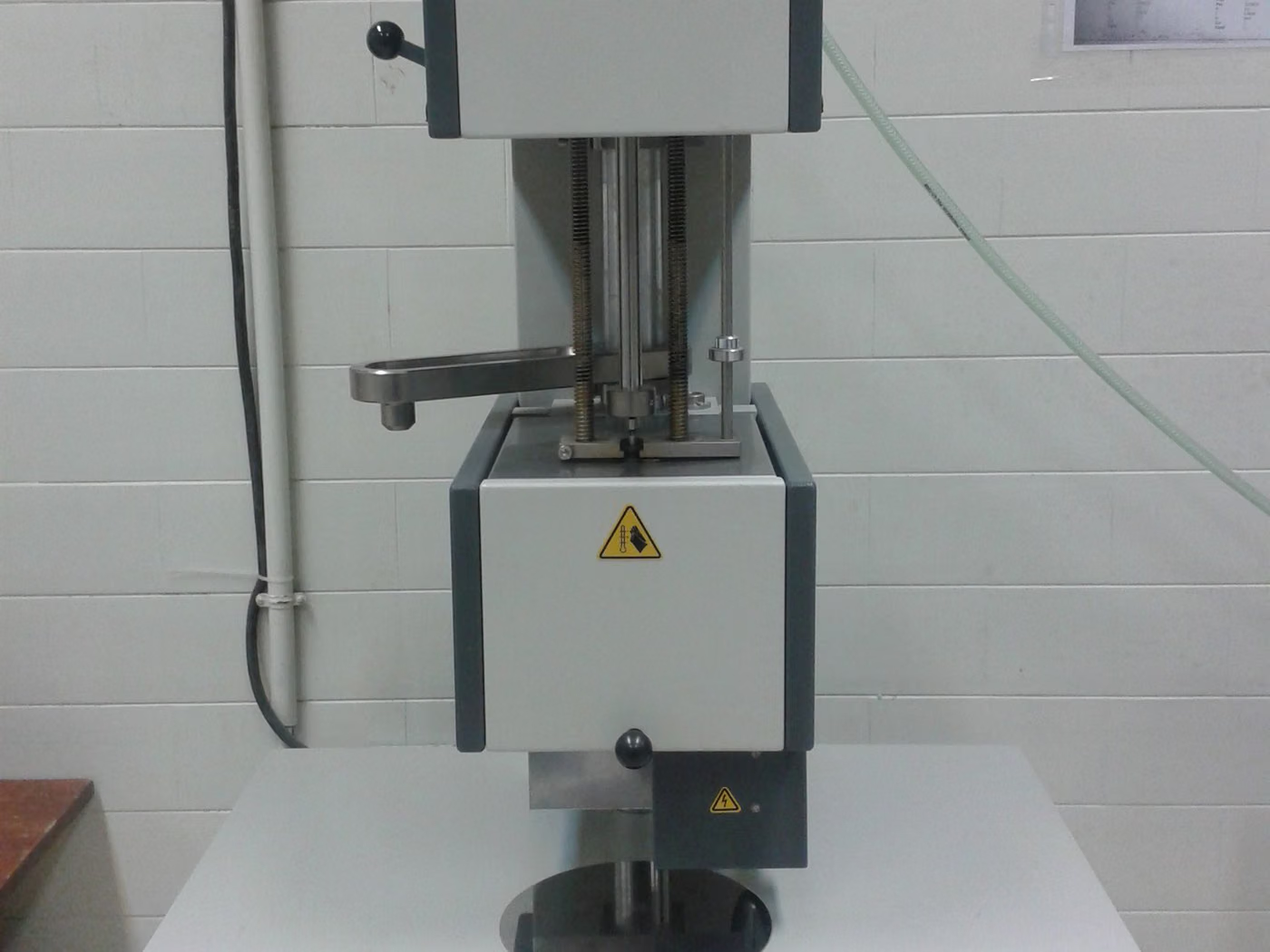
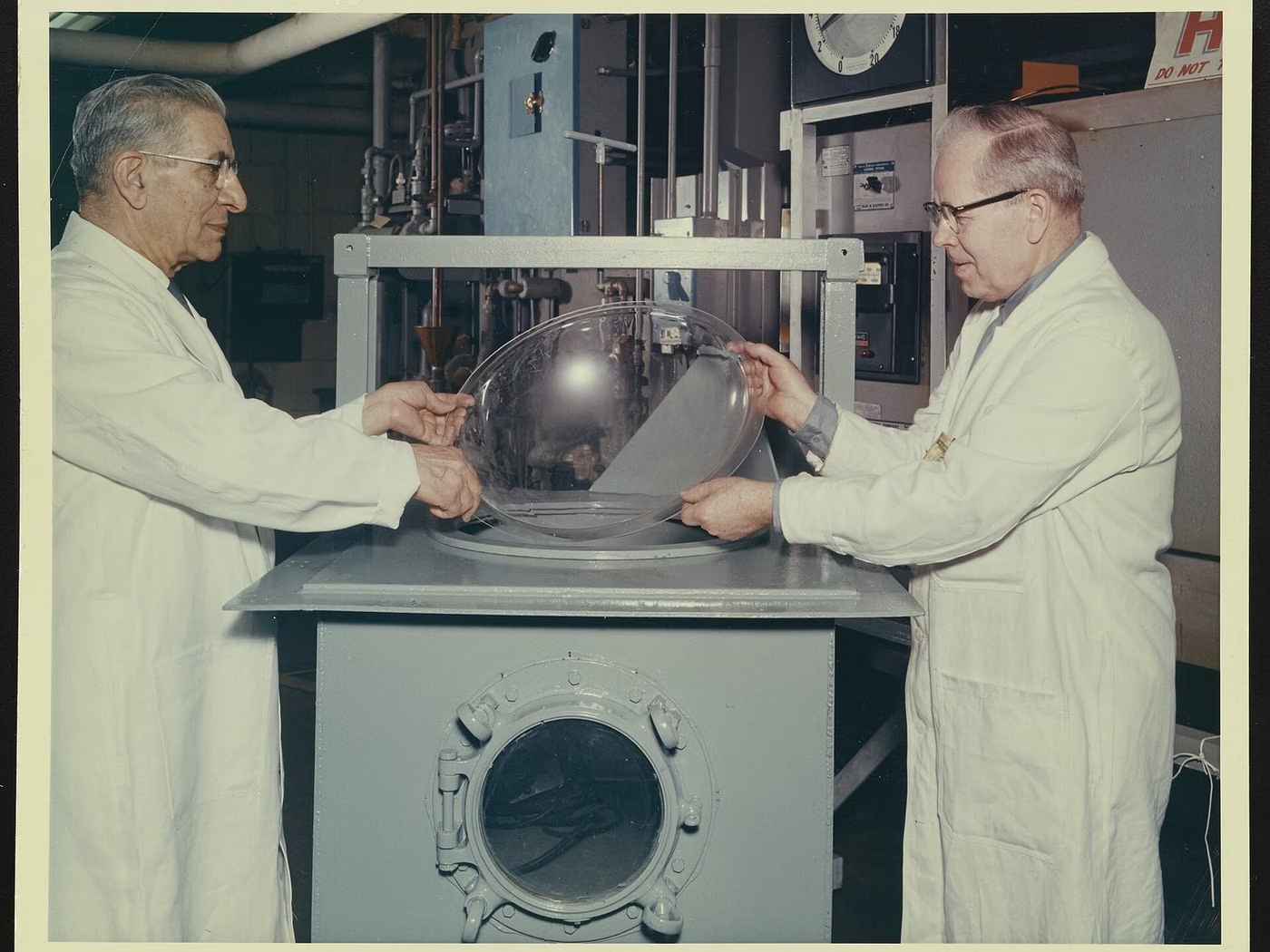
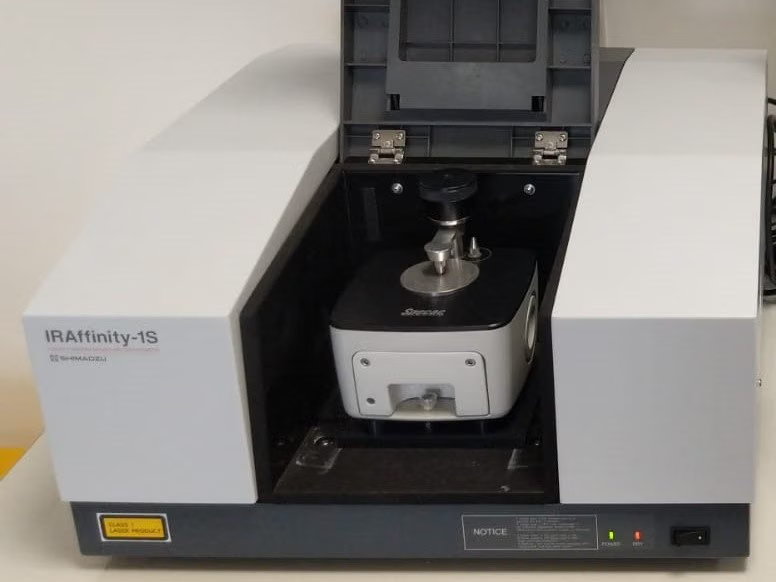
Rubber Testing
Full page Rubber Testing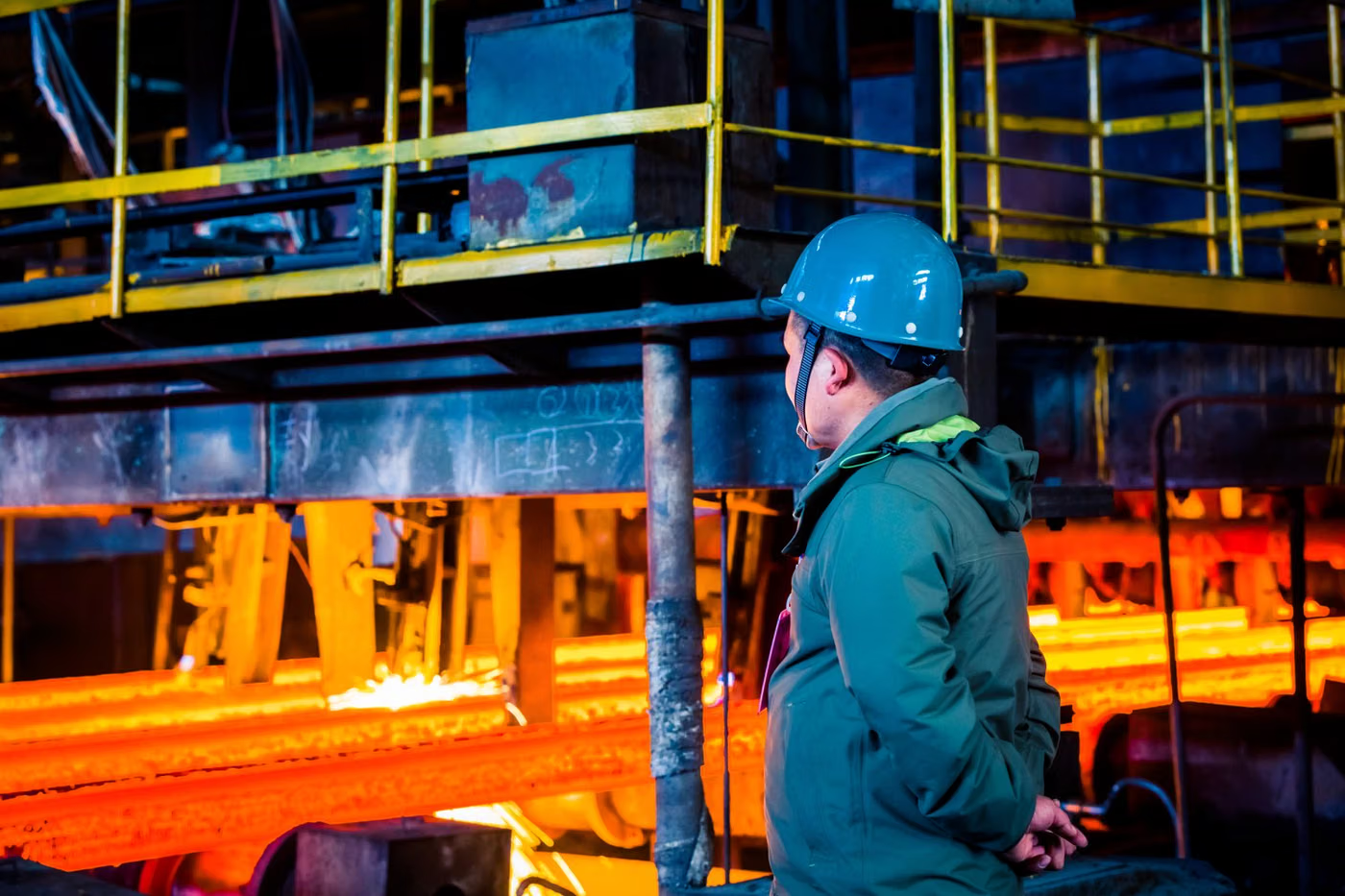
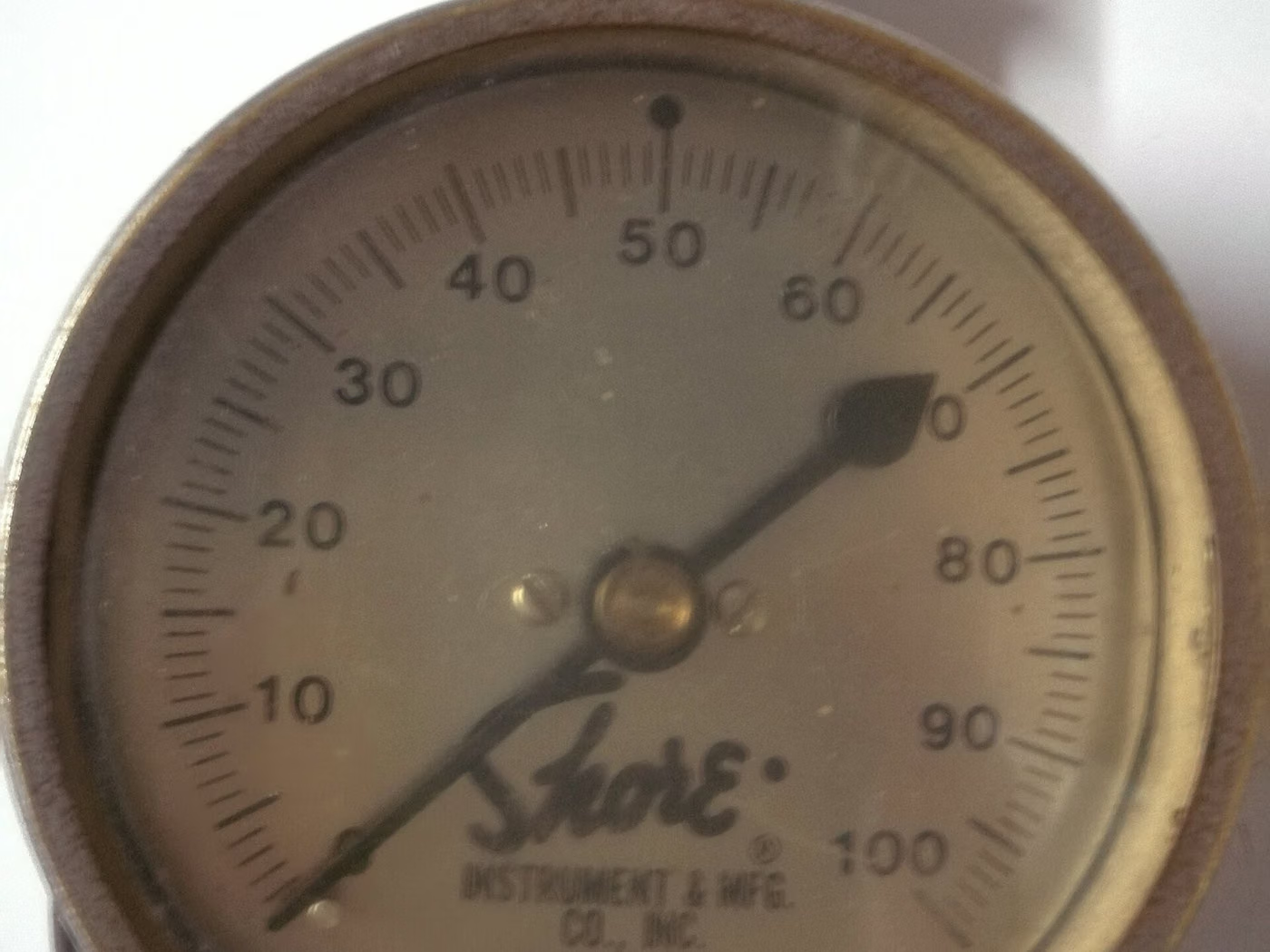
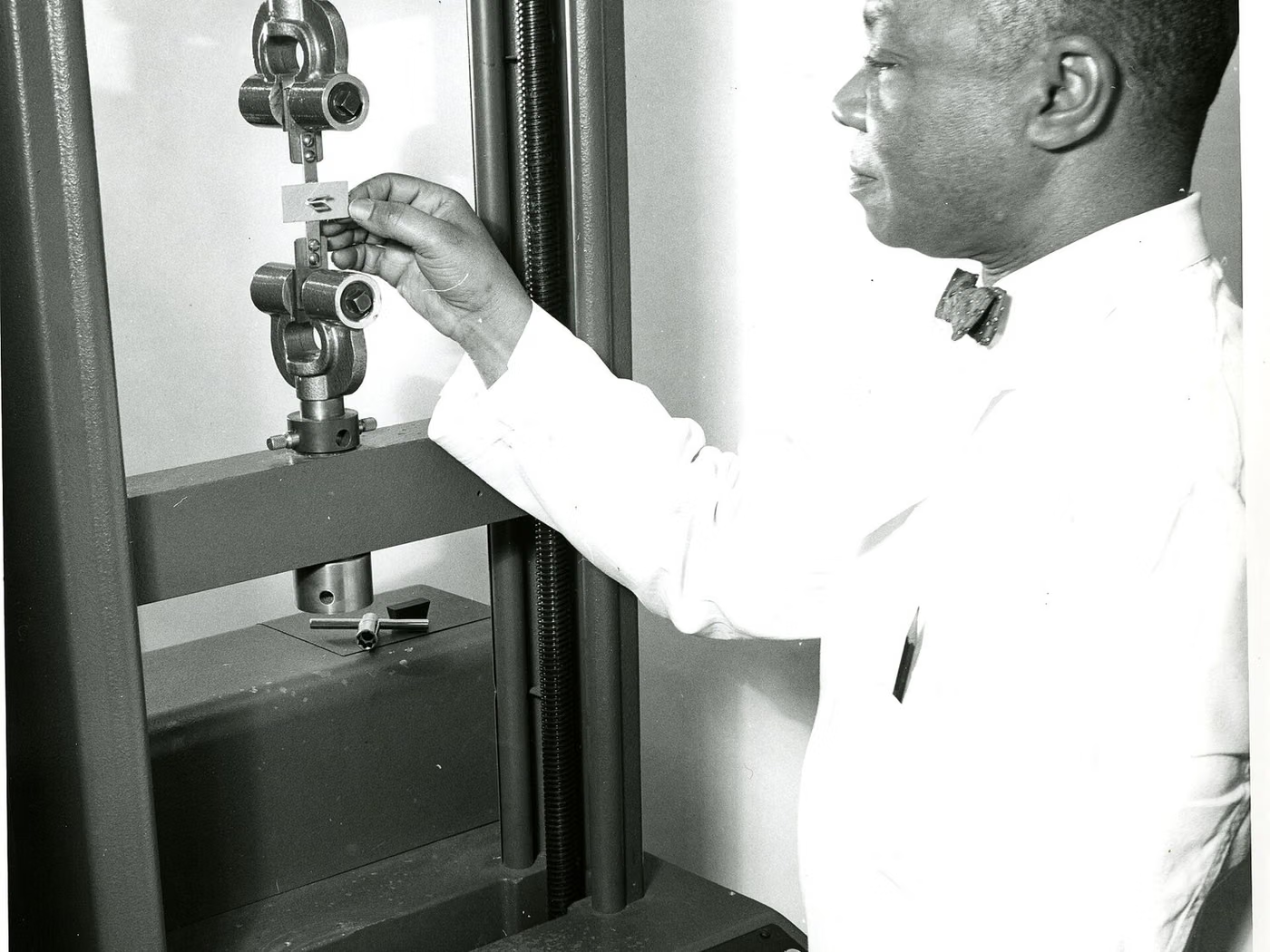
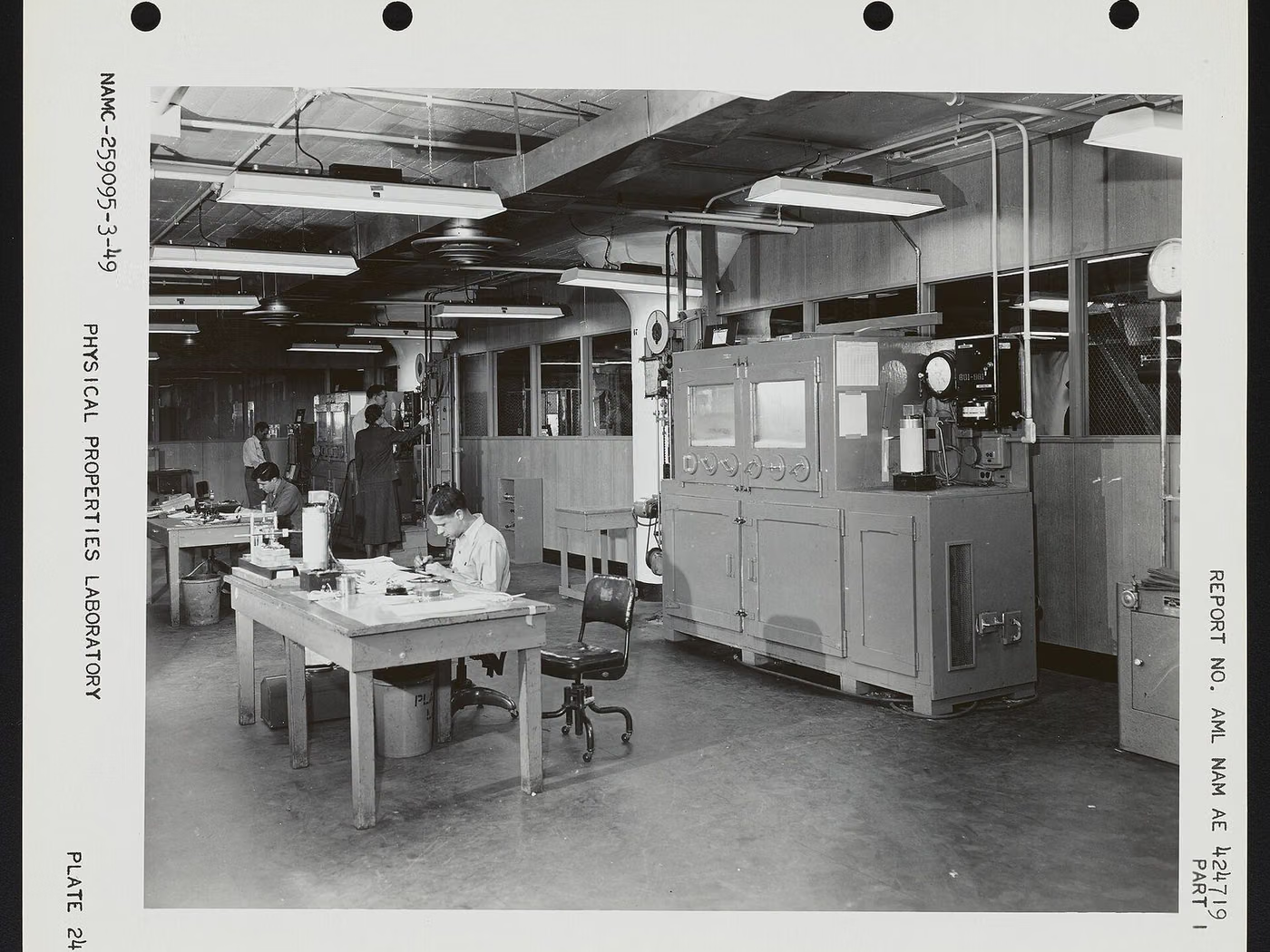
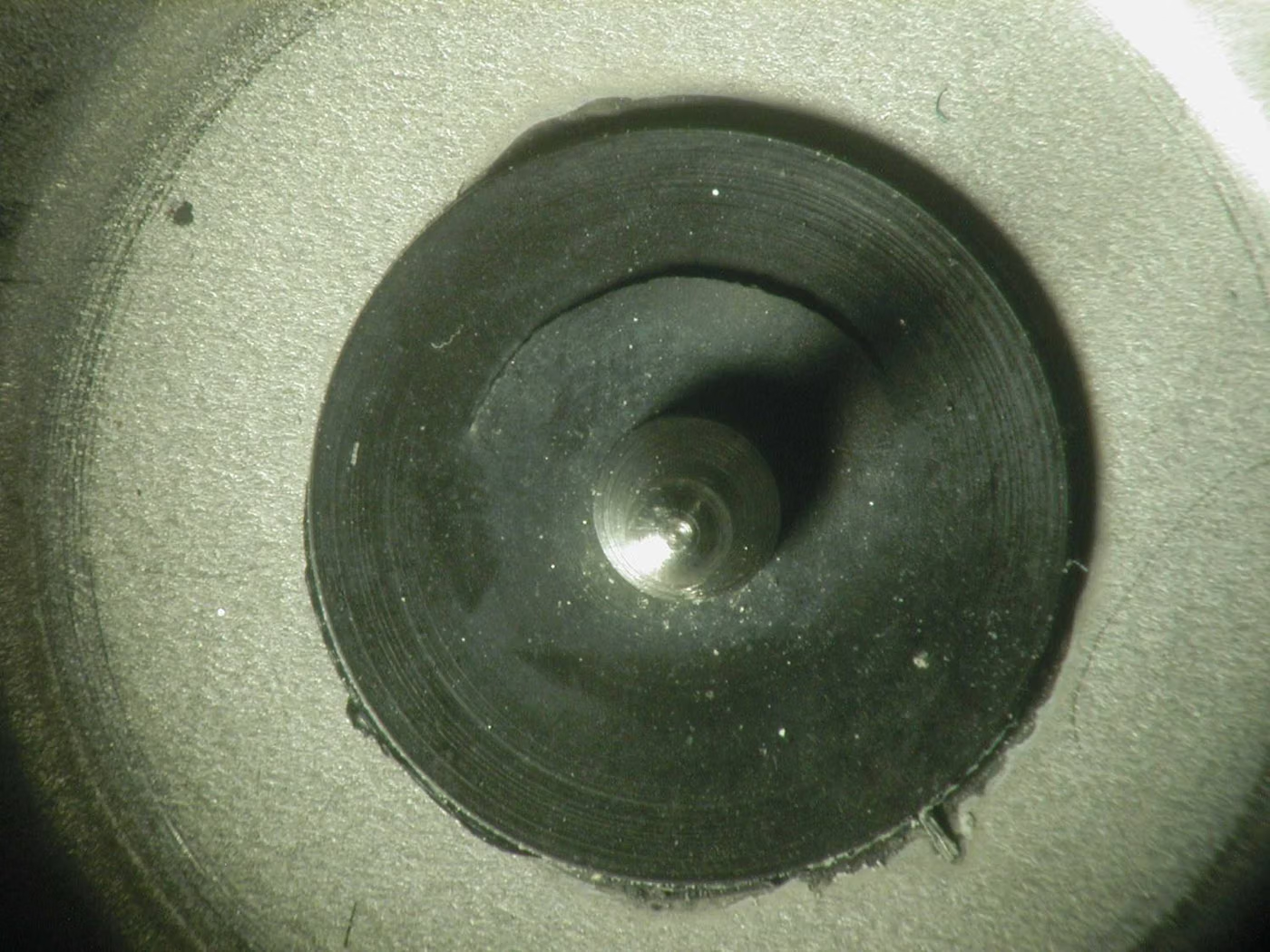

Paint and Coating Testing
Full page Paint and Coating Testing
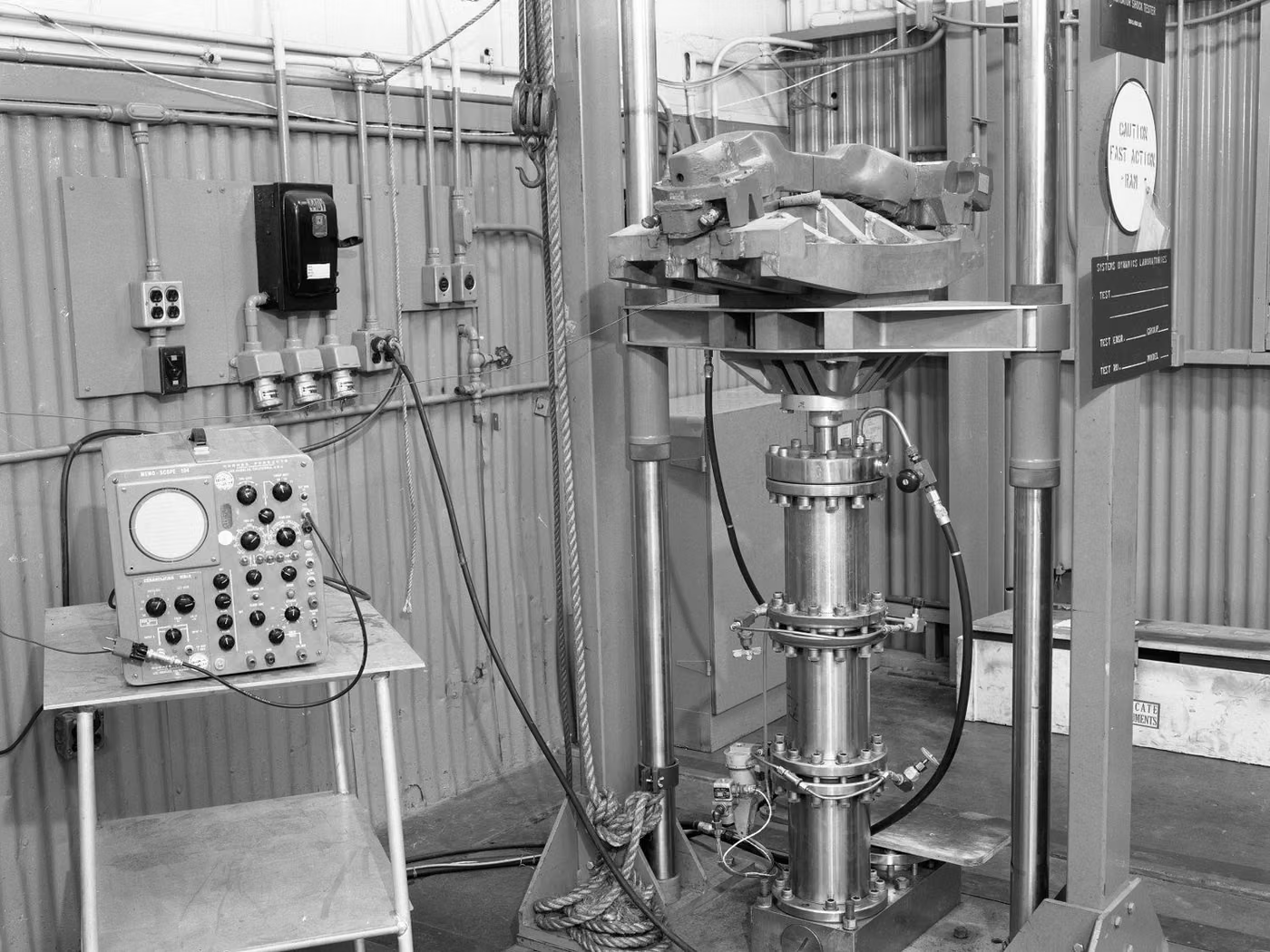


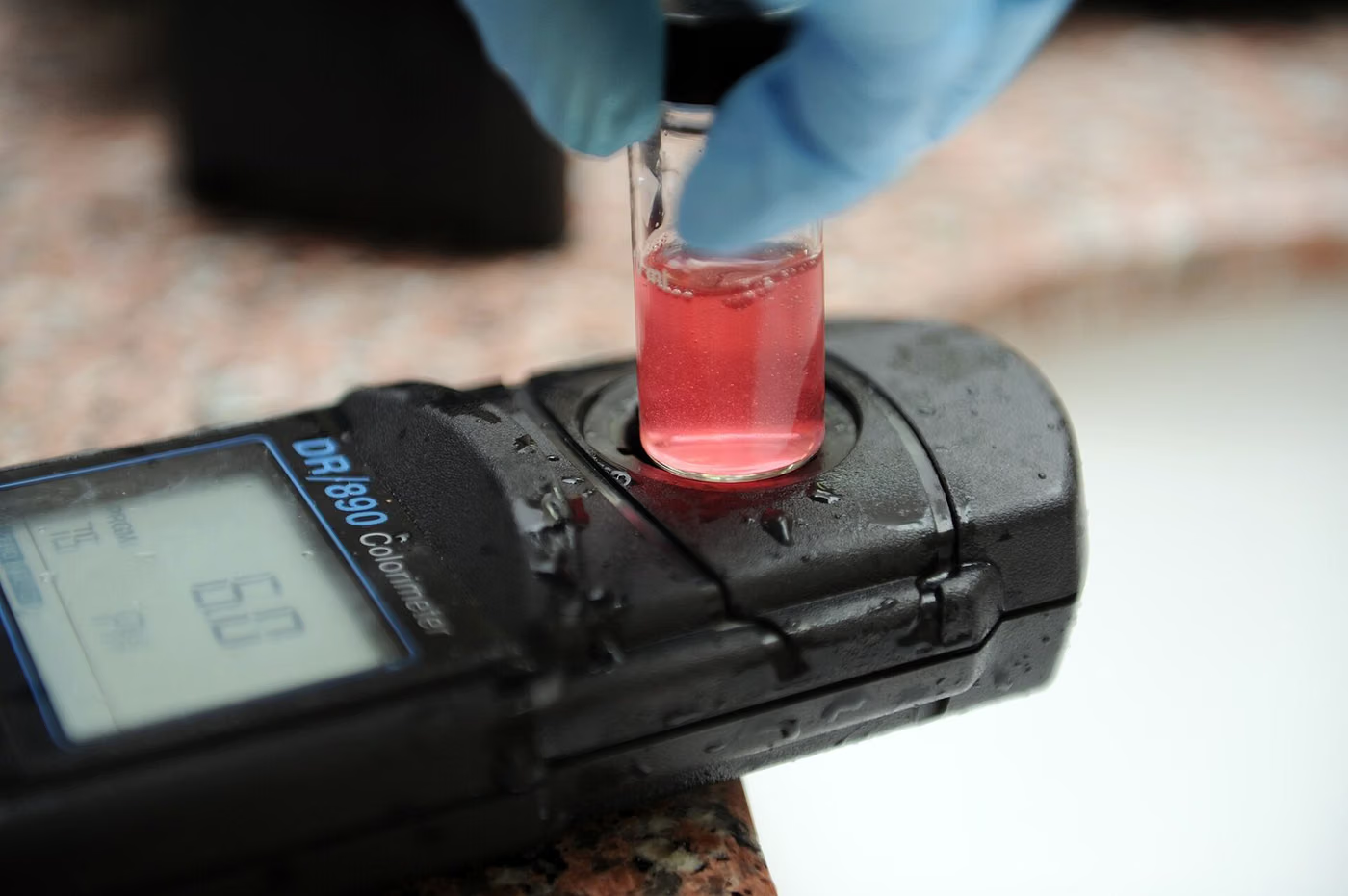
Materials Testing — What Does This Testing Field Cover?
The section below describes how the field of Materials Testing works. The conditions, sample requirements and acceptance criteria of the individual tests in this field are given on the relevant test pages.
Materials testing determines the identity and behaviour not of the product but of the MATERIAL. The category is the common intersection of the metal, plastics, rubber, composite, textile, ceramic and coating fields.
What distinguishes this category is that the result is not a conformity decision but a DATA SHEET. Tensile strength, hardness, melt flow rate or density alone do not say conforming or non-conforming; the product standard, the supply specification or the design calculation says what these values must be.
Materials testing serves three purposes, and which one it is done for determines the interpretation. INCOMING MATERIAL CONTROL verifies the supplier's declaration. DESIGN INPUT produces numerical data for engineering calculation. FAILURE ANALYSIS investigates whether a failure originated in the material. The same tensile test is read differently in the three contexts.
Sampling and preparation are the invisible half of the result. Specimen orientation in a rolled metal, flow orientation in a moulded plastic and the ply layup in a composite change the result markedly. Product standards therefore also govern the location and orientation of specimens.
A material certificate and a test report are different documents. The certificate is the manufacturer's declaration; independent testing verifies that declaration. In critical applications and in cases of doubt, independent verification is carried out, and some areas of legislation make it mandatory.
Commonly confused in this field
- A material certificate is not a test report; it is the manufacturer's declaration.
- A result without a stated specimen orientation and location is misinterpreted.
- A test specimen and the actual part may not give the same value; machining and moulding have an effect.
- The ASTM and ISO counterparts measure the same quantity with different specimens and rates; they are not treated as directly equivalent.
Which decisions these results support
- Incoming material acceptance and supplier approval
- Material data for design calculation
- Failure analysis and warranty decisions
- Verification of a material change
Sectors
In which sectors is Materials Testing used?
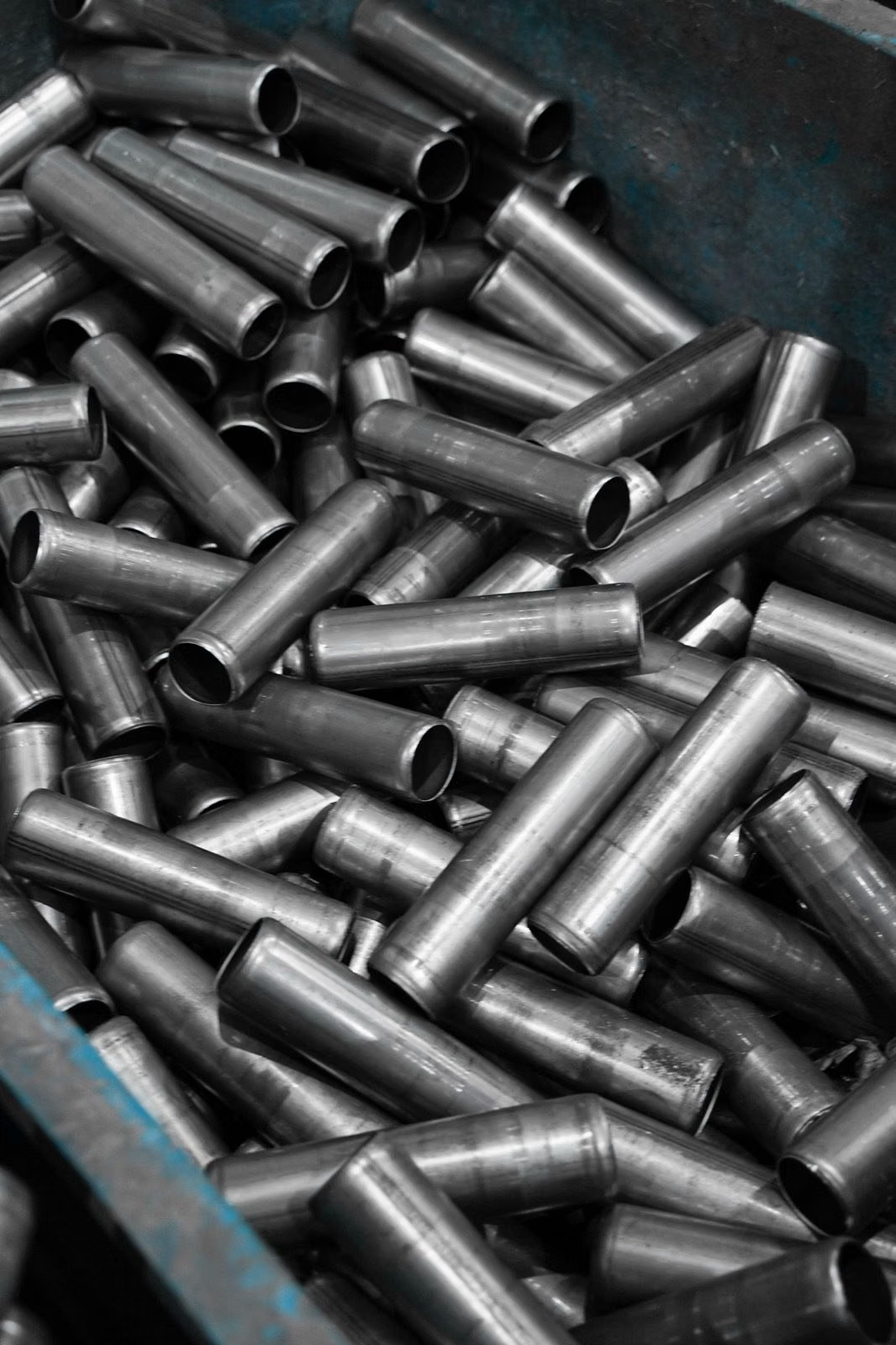
Metals
Metal and Metallurgy Testing · Mechanical Testing · Corrosion Tests
Explore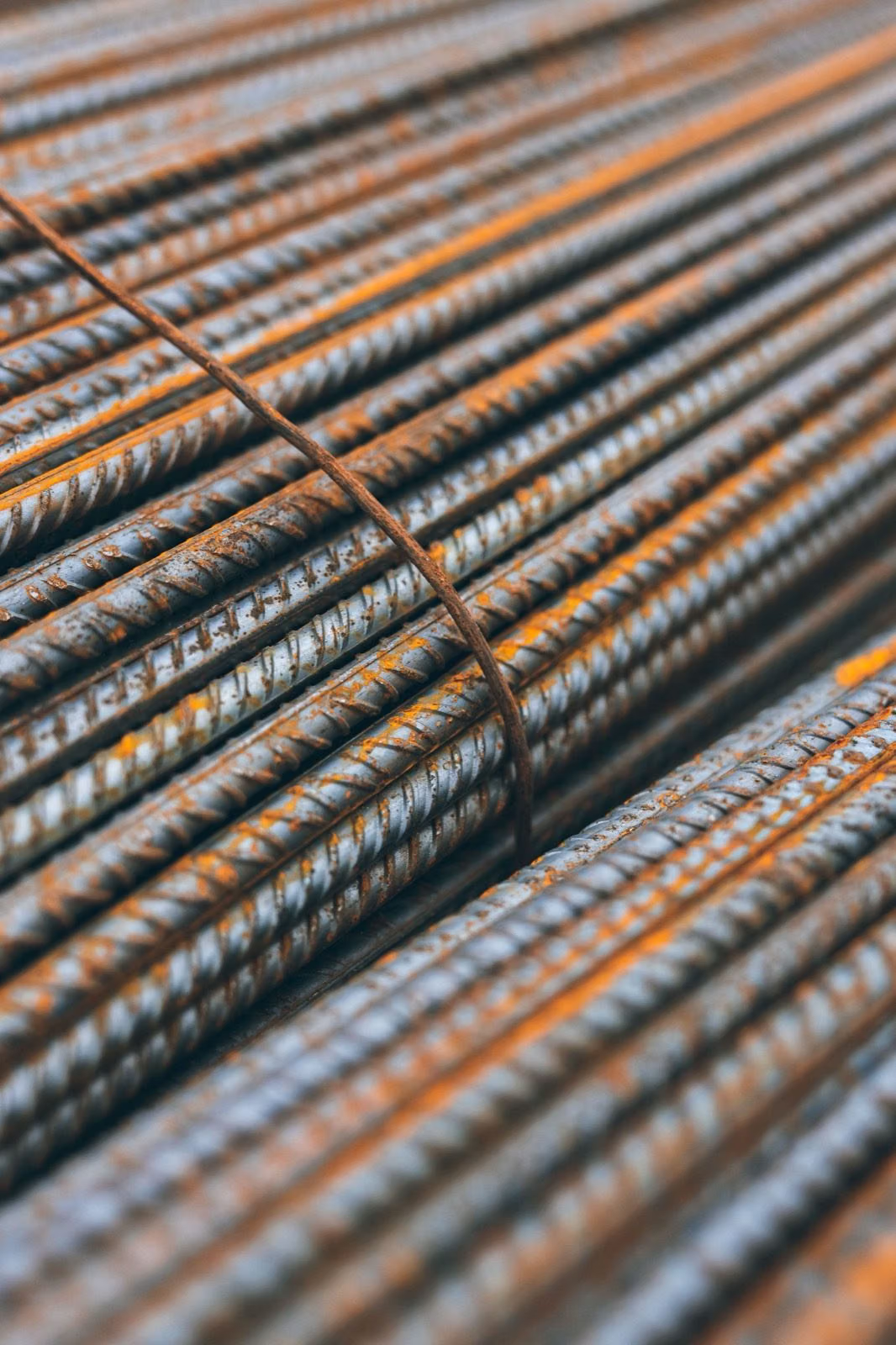
Steel
Metal and Metallurgy Testing · Mechanical Testing · Corrosion Tests
Explore
Mining
Metal and Metallurgy Testing · Environmental Analysis · Construction Materials Testing
Explore
Machinery
Mechanical Testing · Electrical Safety · EMC / EMI Testing
Explore
Oil & Gas
Petroleum, Fuel and Oil Analysis · Metal and Metallurgy Testing · Corrosion Tests
Explore
Plastics
Plastics Testing · Mechanical Testing · Fire Testing
Explore
Automotive
Automotive Testing · EMC / EMI Testing · Vibration and Shock
Explore
Packaging
Packaging Testing · Plastics Testing · Food Testing
Explore
Consumer Products
Mechanical Testing · Electrical Safety · Toy Testing
Explore
Rubber
Rubber Testing · Mechanical Testing · Environmental and Climatic Testing
Explore
Construction
Construction Materials Testing · Fire Testing · Mechanical Testing
Explore







Materials Testing quote
Tell us your product and the applicable standard; we'll share the timeline and sample requirements in writing.