
Testing & Laboratory
Acoustic Testing
A scope heading, not a single list of experiments; The following test families conduct the experiments.
Request a QuoteScope
Test families in Acoustic Testing
Acoustic Testingis a scope heading, not a single list of experiments. The following test families carry out the experiments in the scope; A complete list of each family is on its own page.
Construction Materials Testing
Full page Construction Materials Testing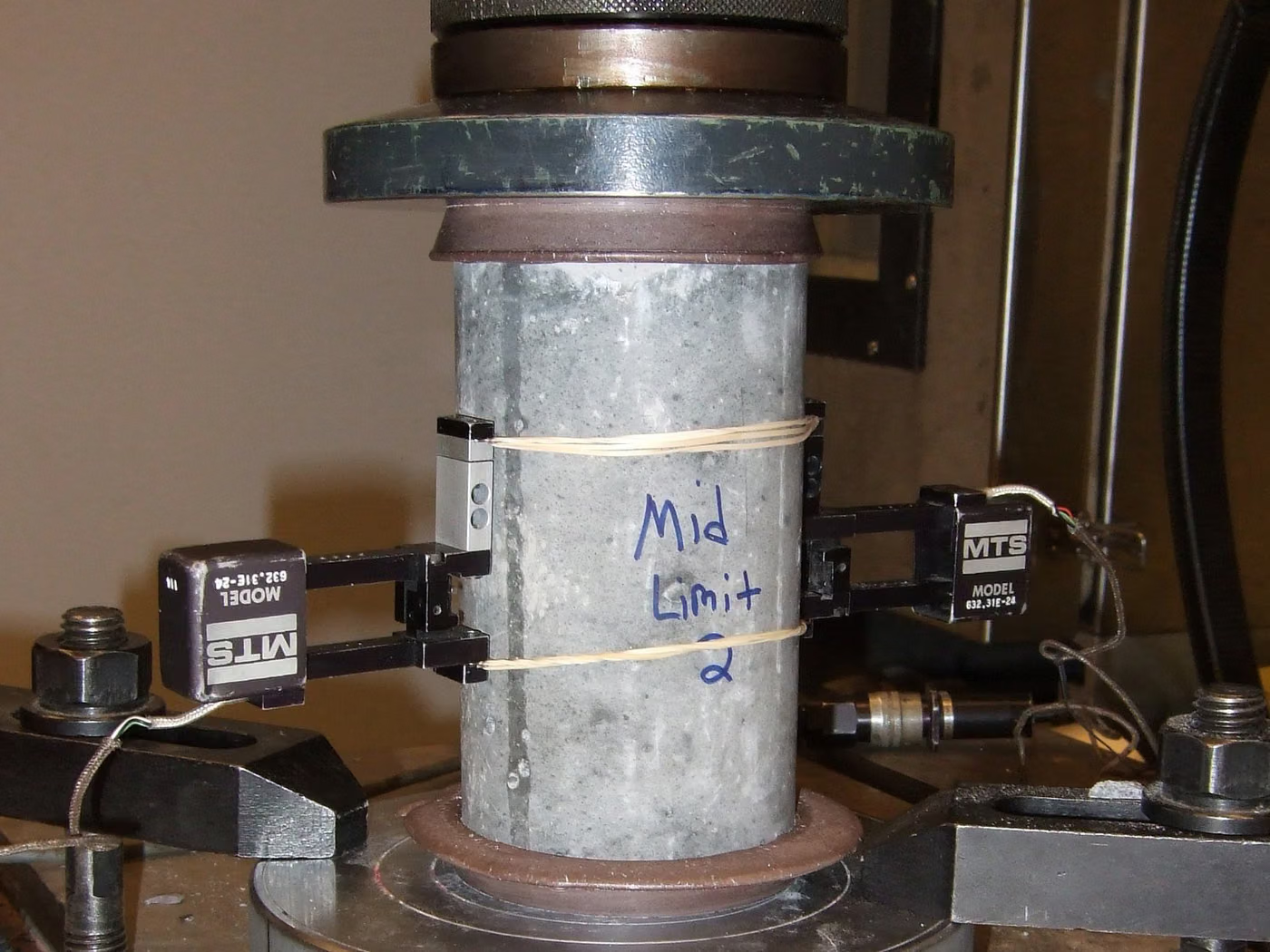
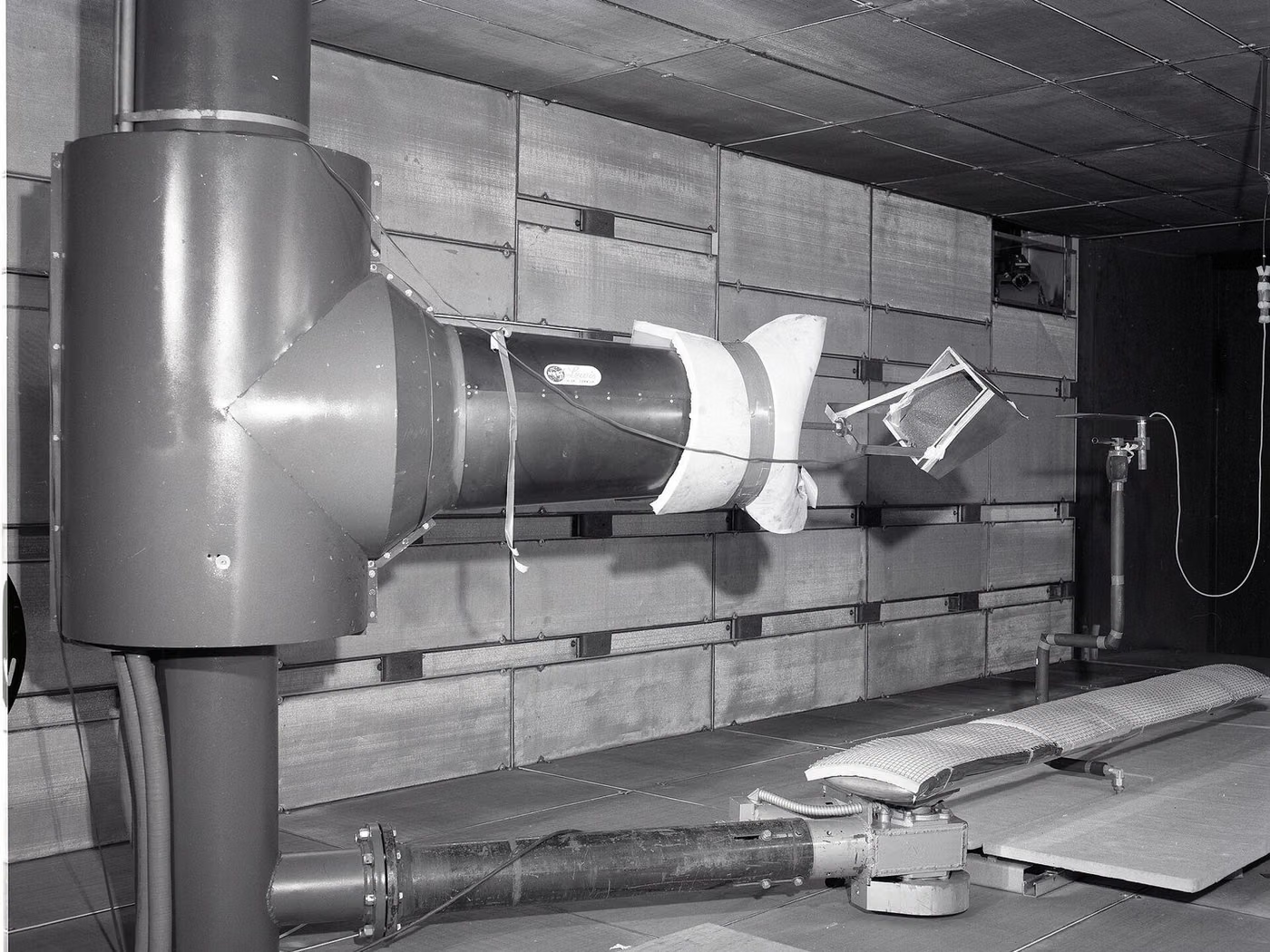
Automotive Testing
Full page Automotive Testing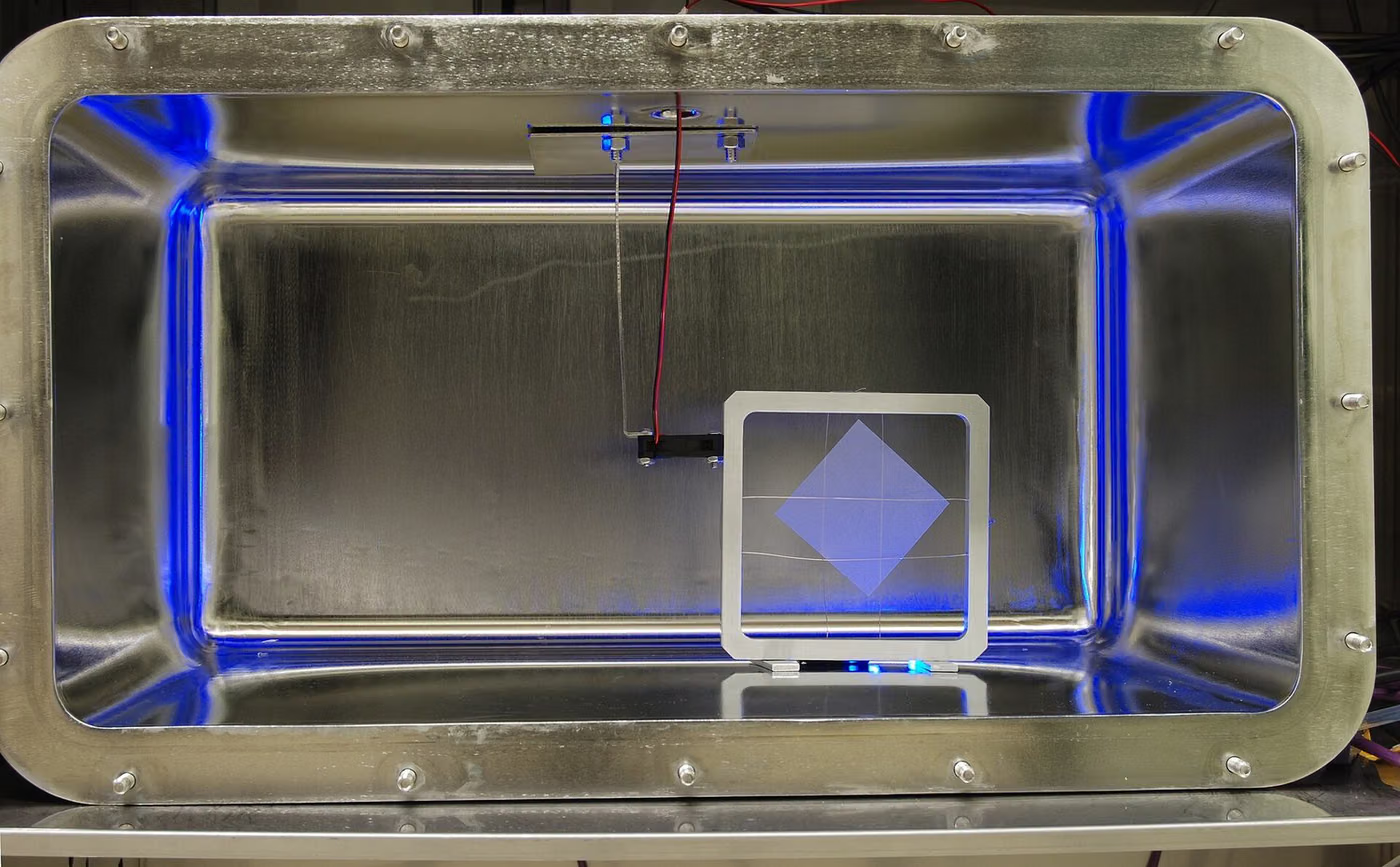


Acoustic Testing — What Does This Testing Field Cover?
The section below describes how the field of Acoustic Testing works. The conditions, sample requirements and acceptance criteria of the individual tests in this field are given on the relevant test pages.
Acoustic testing measures the sound a product produces or its ability to insulate or absorb sound. The category works in two directions: how much sound does the product PRODUCE (emission) and how much sound does it BLOCK (insulation)?
On the emission side two different quantities are measured and must not be confused. SOUND POWER LEVEL is the total acoustic power of the source and is independent of distance — this is the value written into the product data sheet and regulatory declaration. SOUND PRESSURE LEVEL is the value measured at a particular point and depends on distance and on room acoustics.
Measurement is tightly bound to the ENVIRONMENT. An anechoic room simulates free field conditions and a reverberation room diffuse field conditions; the two require different methods. Measurements made on site carry higher uncertainty because of background noise and reflections.
On the regulatory side, the sound power level of equipment used outdoors must be declared and labelled; for domestic appliances the energy label also shows the sound level. These declarations rest on measurement and are checked in market surveillance.
On the insulation side, the sound transmission loss of building elements and the absorption coefficient of absorbing materials are measured; the results feed into building acoustics calculations and regulatory compliance. Vibration measurements are a neighbour of this category: vibration transmitted into a structure is heard as sound in a distant room.
Commonly confused in this field
- Sound power and sound pressure are different quantities; one is independent of distance, the other is not.
- An acoustic result without a stated measurement environment cannot be compared.
- Site measurements are affected by background noise; they do not replace a laboratory result.
- A label declaration must rest on measurement; a value produced by calculation cannot be defended in an inspection.
Which decisions these results support
- Outdoor noise emission declaration and labelling
- Sound level declaration on the energy label
- Building acoustics and regulatory compliance
- Noise reduction work in product development
Sectors
In which sectors is Acoustic Testing used?

Construction
Construction Materials Testing · Fire Testing · Mechanical Testing
Explore
Construction
Construction Materials Testing · Mechanical Testing · Fire Testing
Explore
Glass
Construction Materials Testing · Automotive Testing · Mechanical Testing
Explore
Ceramics
Construction Materials Testing · Mechanical Testing · Food Testing
Explore
Metals
Metal and Metallurgy Testing · Mechanical Testing · Corrosion Tests
Explore
Automotive
Automotive Testing · EMC / EMI Testing · Vibration and Shock
Explore
Electric Vehicle
Automotive Testing · Battery Testing · EMC / EMI Testing
Explore
Battery
Battery Testing · Environmental and Climatic Testing · Vibration and Shock
Explore
Plastics
Plastics Testing · Mechanical Testing · Fire Testing
Explore
Rubber
Rubber Testing · Mechanical Testing · Environmental and Climatic Testing
Explore




Acoustic Testing quote
Tell us your product and the applicable standard; we'll share the timeline and sample requirements in writing.