

Testing & Laboratory
Thermal Testing
With its subgroups, experiments and associated standards.
Request a QuoteScope
Subgroups within Thermal Testing
Each group lands in its own section on the same page; The full list of experiments is there.

Temperature

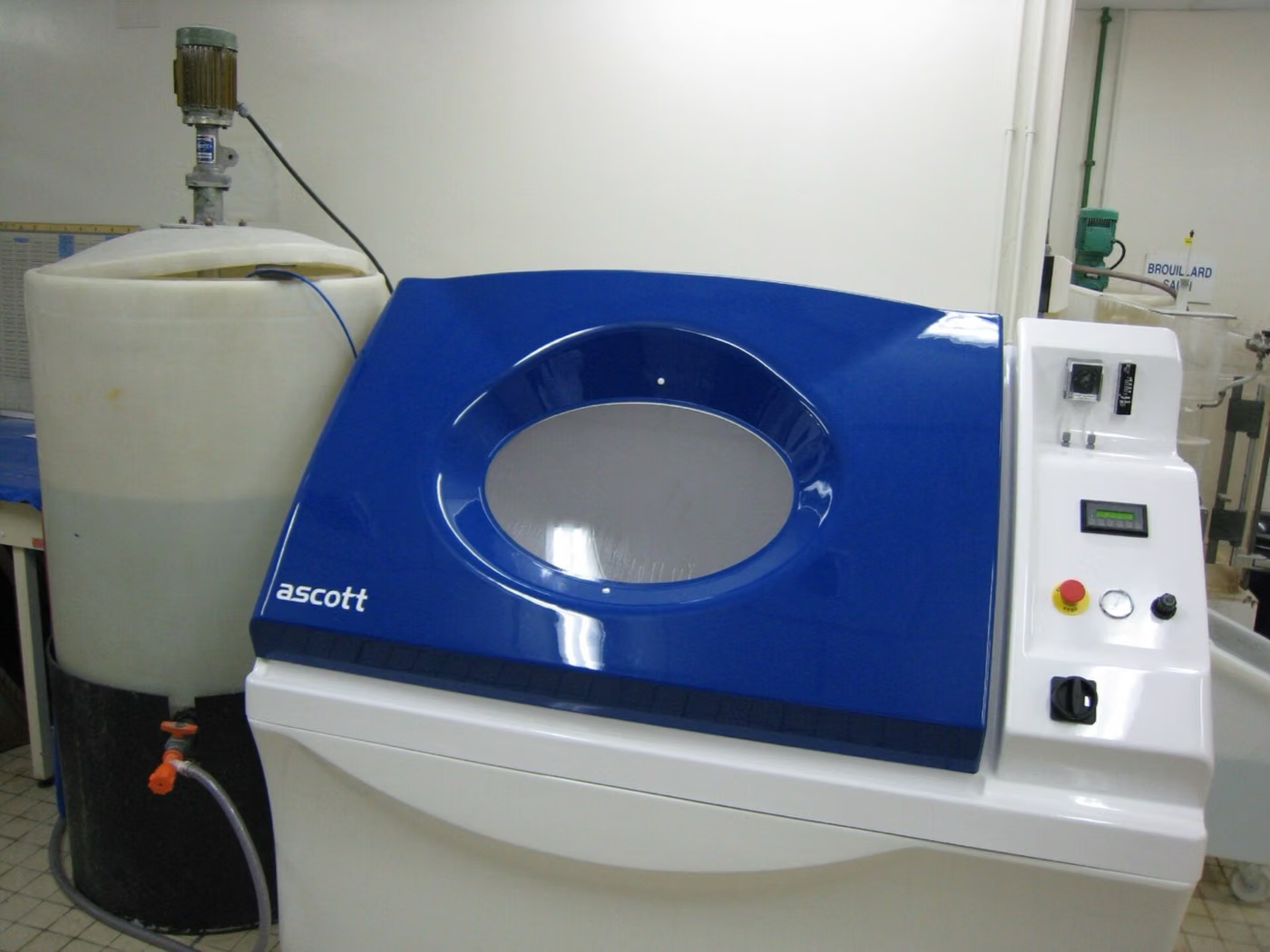
Humidity

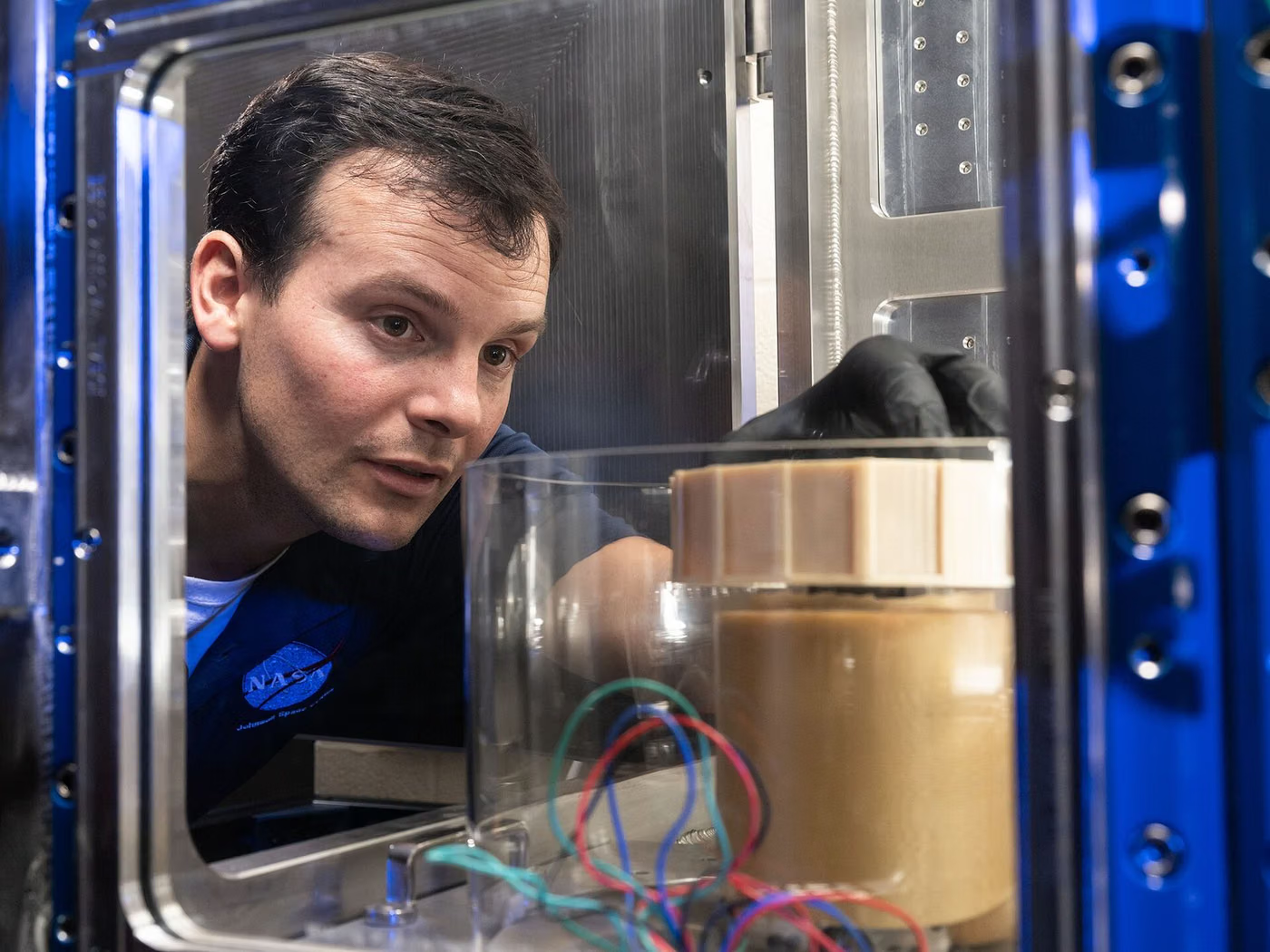
Solar & UV

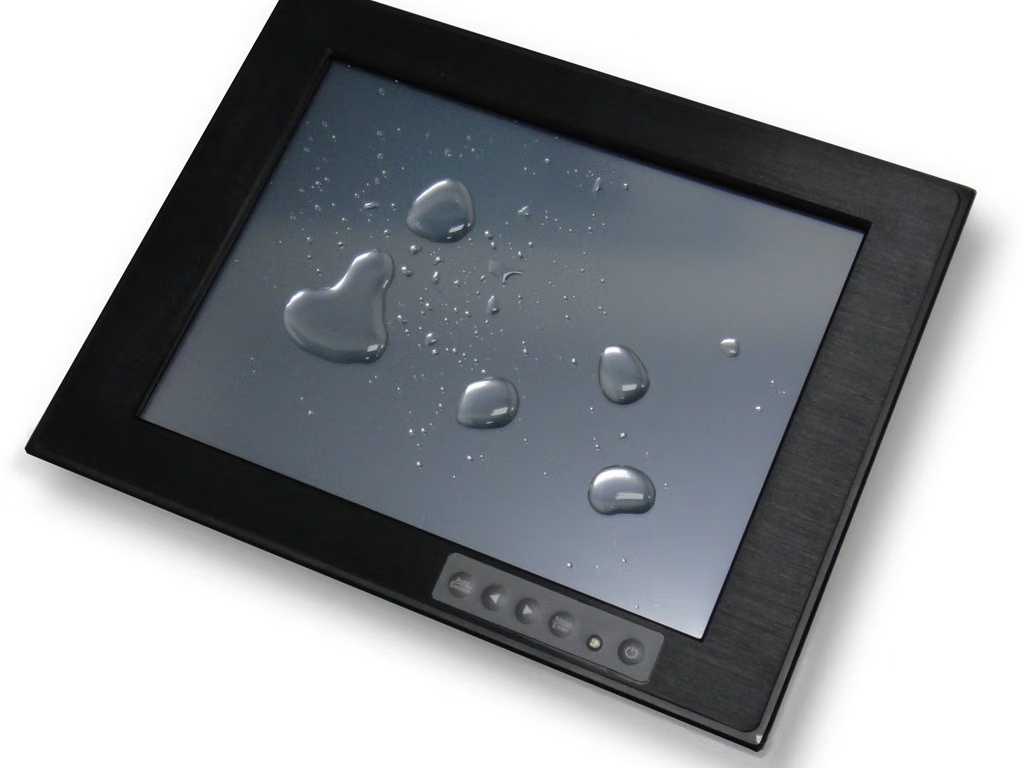
Water & Dust
Other





Thermal Testing — What Does This Testing Field Cover?
The section below describes how the field of Thermal Testing works. The conditions, sample requirements and acceptance criteria of the individual tests in this field are given on the relevant test pages.
Thermal testing measures the relationship of materials and products with heat: how much heat do they conduct, at what temperature do they change, how much do they expand when heated, how much heat do they store?
The category serves three different purposes. For INSULATION performance, thermal conductivity and thermal resistance are measured; these values go into the declaration of performance for construction products and into the energy calculation for the building. For MATERIAL IDENTITY, thermal analysis (DSC, TGA, DMA) is used; transition temperatures and decomposition behaviour are the fingerprint of the material. For DESIGN INPUT, the coefficient of expansion and specific heat capacity are determined.
Thermal analysis is a particularly powerful identification tool. The glass transition temperature, melting behaviour, degree of crystallinity and filler content of a polymer can be read from a single DSC/TGA pair. It is therefore one of the first methods turned to when a supplier changes or a material is in doubt.
THE COEFFICIENT OF EXPANSION is a critical parameter in electronics and composite design. When materials with different expansion coefficients are joined, a change in temperature produces stress at the joint; solder cracks and delamination arise largely from this mismatch.
Temperature resistance claims must be read carefully. The heat deflection temperature and the Vicat softening point are NOT SERVICE TEMPERATURES; they are rough indicators measured under a defined load. Whether a material can carry a load for a long period at a given temperature requires a separate assessment.
Commonly confused in this field
- The heat deflection temperature is not a service temperature; long-term behaviour under load is assessed separately.
- Thermal conductivity depends on the measurement temperature and moisture content; the conditions must be reported.
- An expansion mismatch is not in itself a material fault; it is managed through joint design.
- Thermal analysis results are sensitive to the heating rate; a result without a stated rate cannot be compared.
Which decisions these results support
- Thermal performance declarations for construction products
- Verification of material identity and supplier consistency
- Expansion compatibility in electronics and composite design
- Determining the operating temperature range
Sectors
In which sectors is Thermal Testing used?

Electronics
EMC / EMI Testing · Electrical Safety · RF and Wireless Testing
Explore
Electrical
Electrical Safety · EMC / EMI Testing · Environmental and Climatic Testing
Explore
Automotive
Automotive Testing · EMC / EMI Testing · Vibration and Shock
Explore
Defence
Defence Testing · Environmental and Climatic Testing · Vibration and Shock
Explore
Aerospace
Aerospace Testing · Environmental and Climatic Testing · Vibration and Shock
Explore




Thermal Testing quote
Tell us your product and the applicable standard; we'll share the timeline and sample requirements in writing.