
Testing & Laboratory
Safety Testing
A scope heading, not a single list of experiments; The following test families conduct the experiments.
Request a QuoteSafety Testingis a scope heading, not a single list of experiments. The following test families carry out the experiments in the scope; A complete list of each family is on its own page.
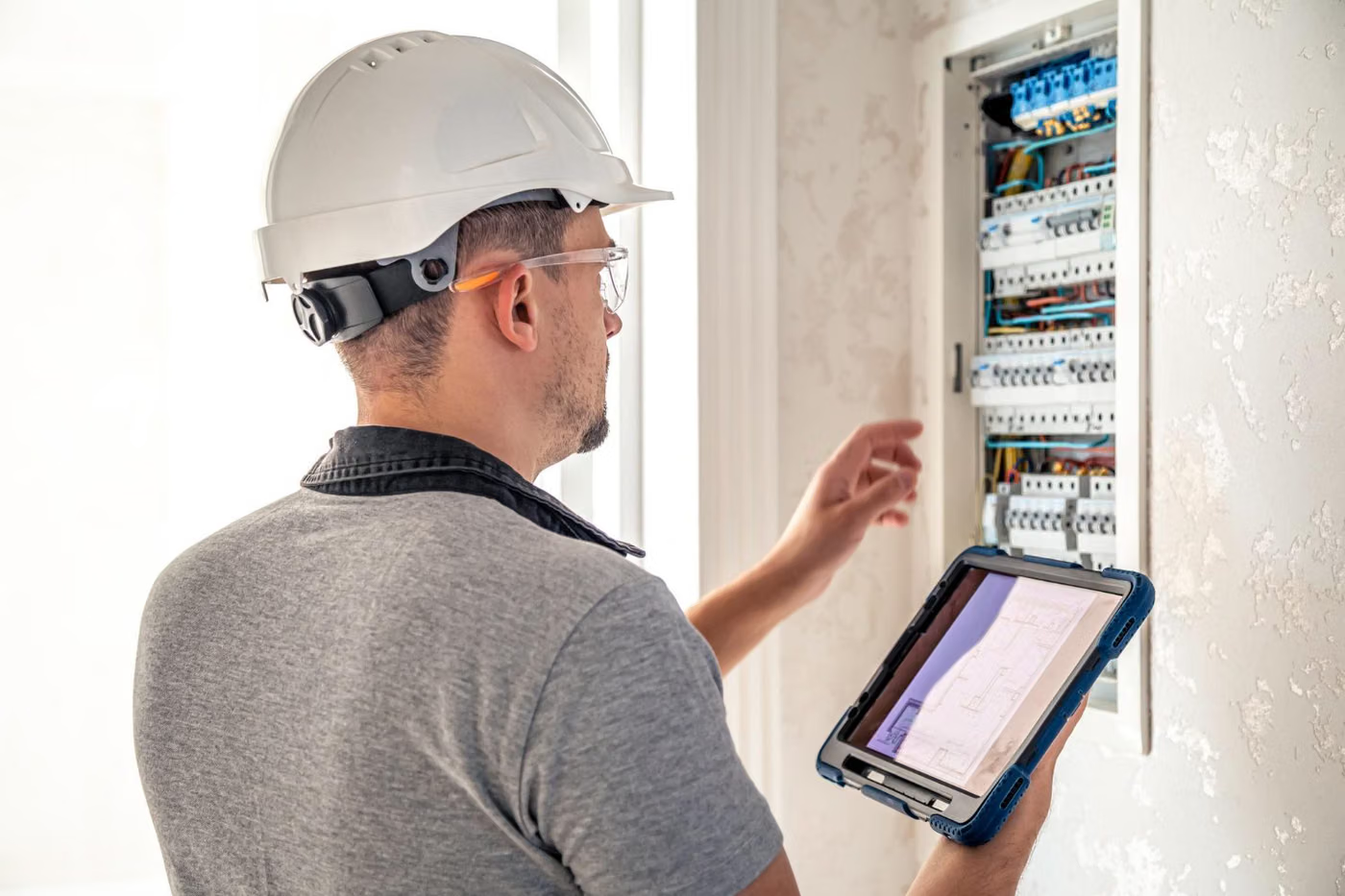
Electrical Safety
Full page Electrical Safety
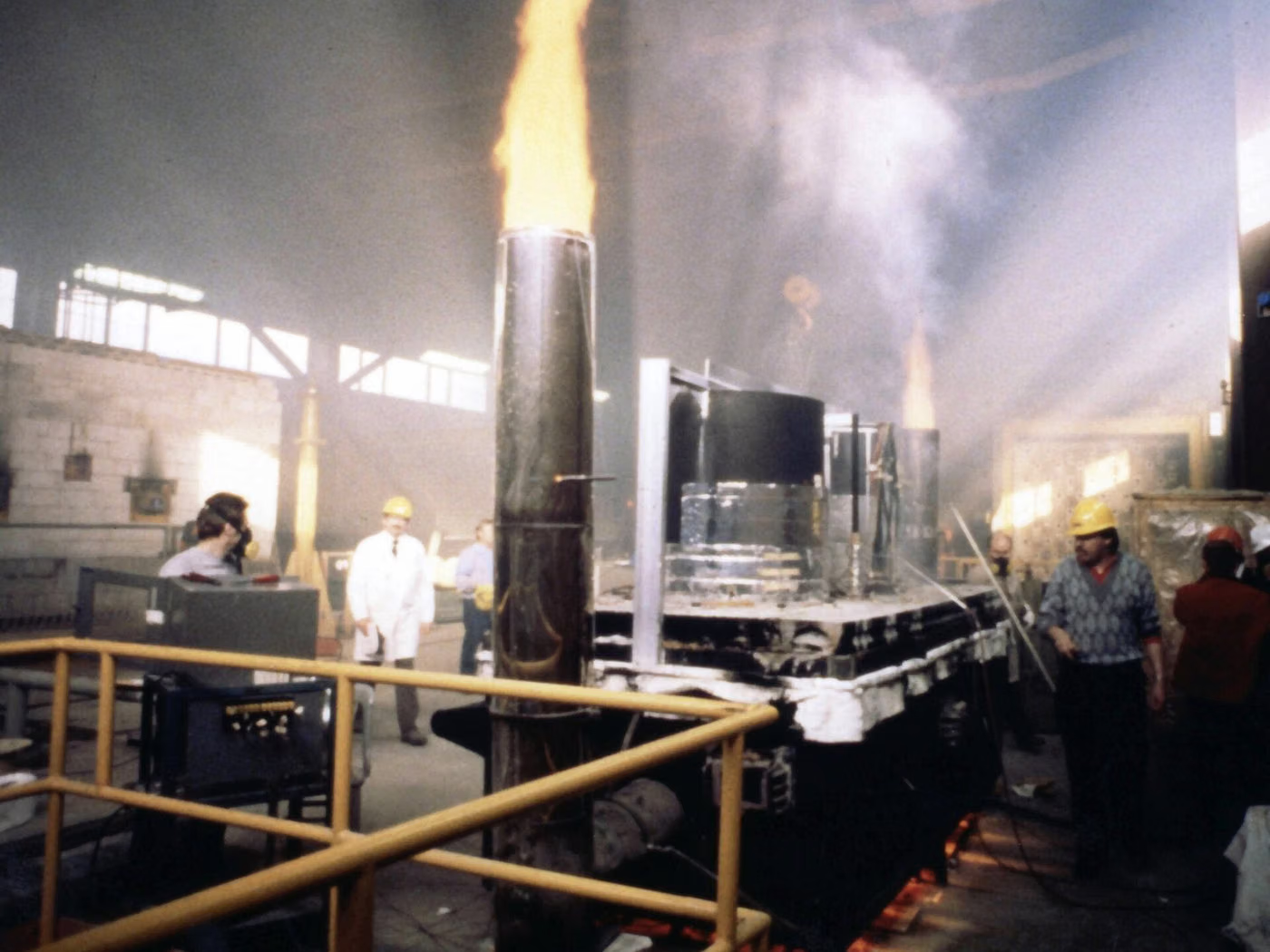
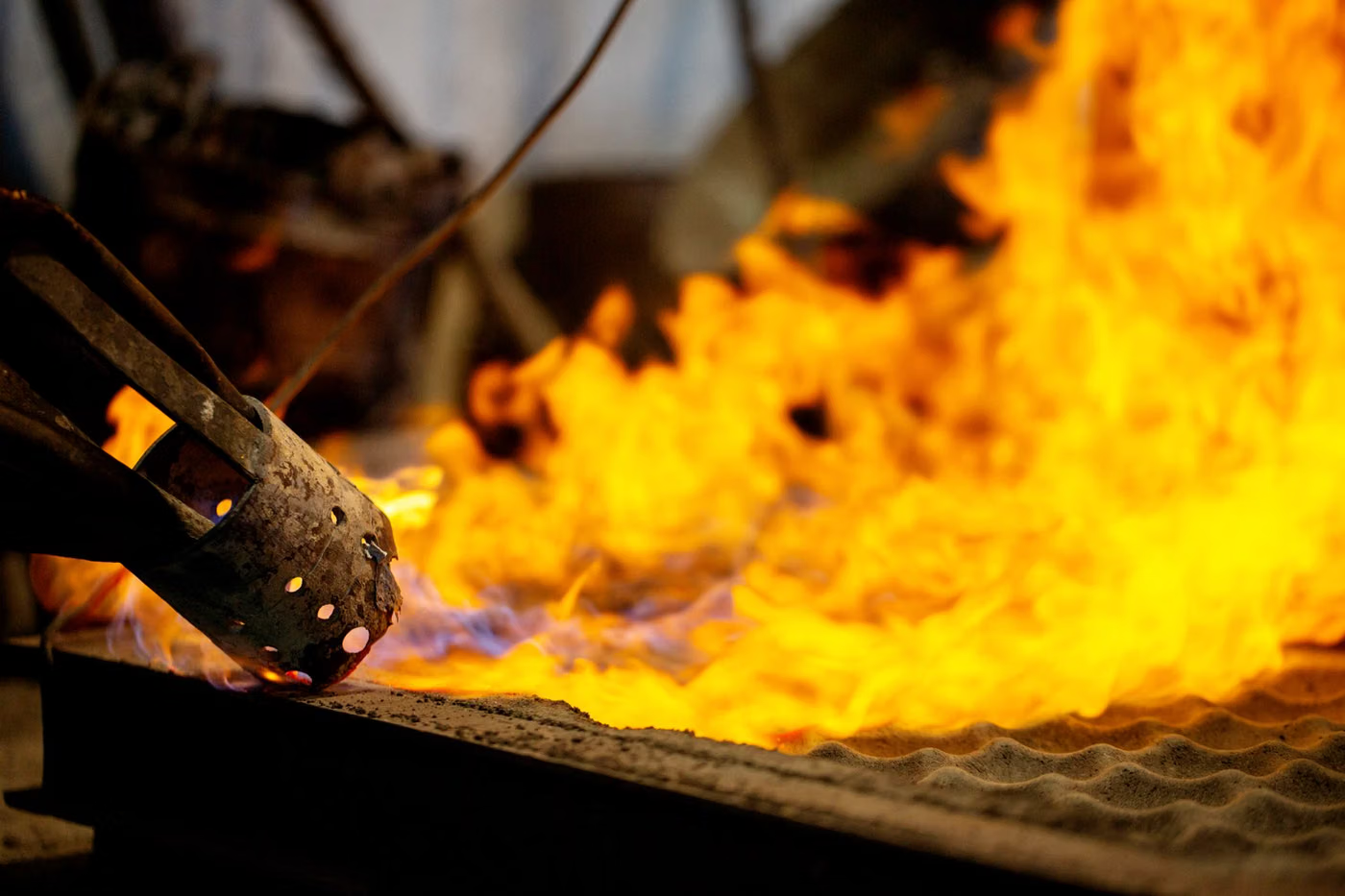
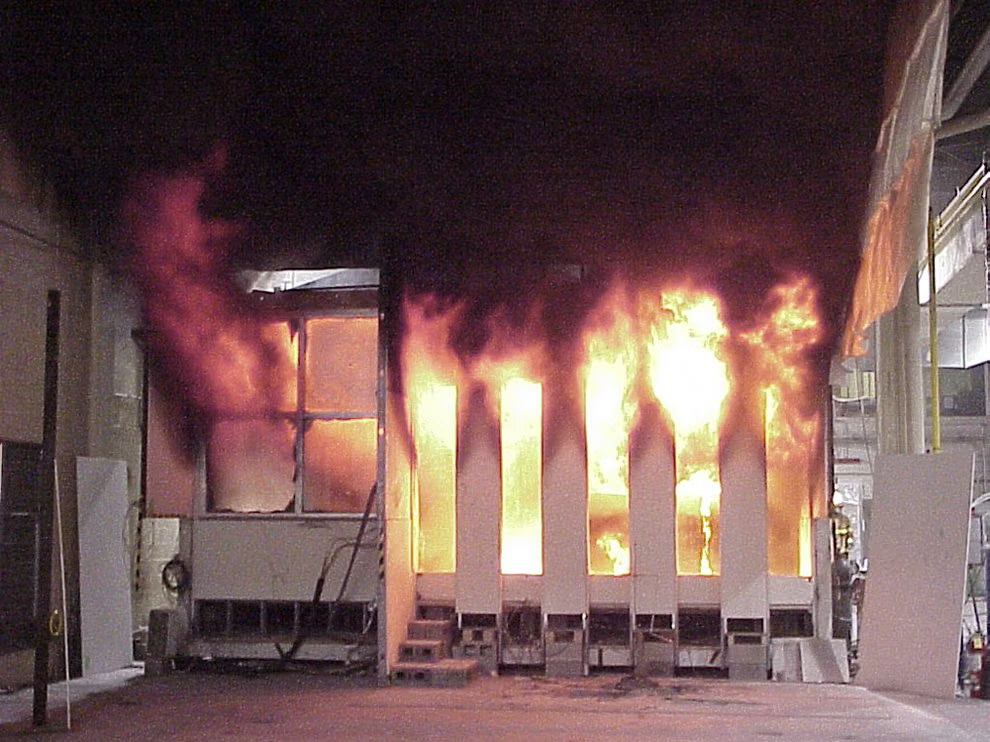
Fire Testing
Full page Fire Testing
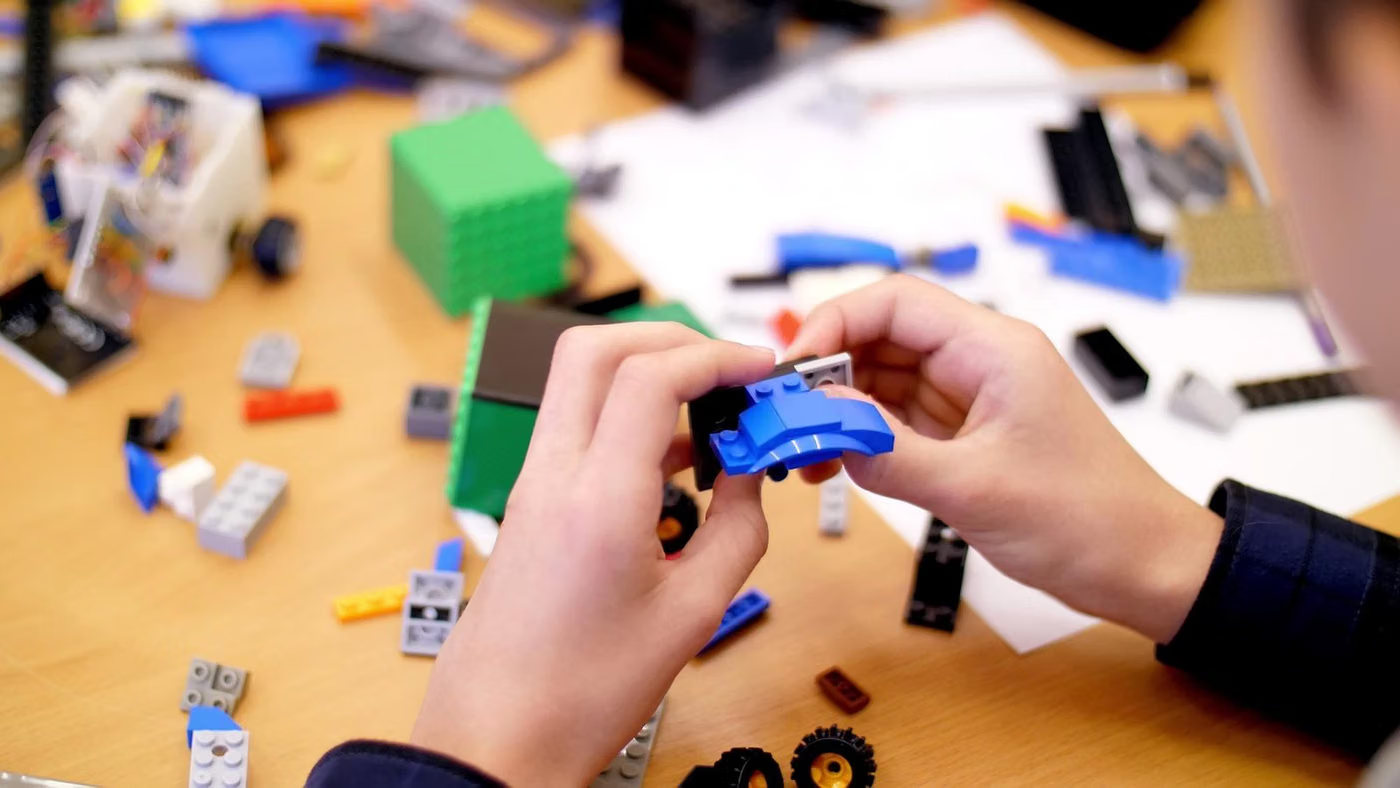
Toy Testing
Full page Toy Testing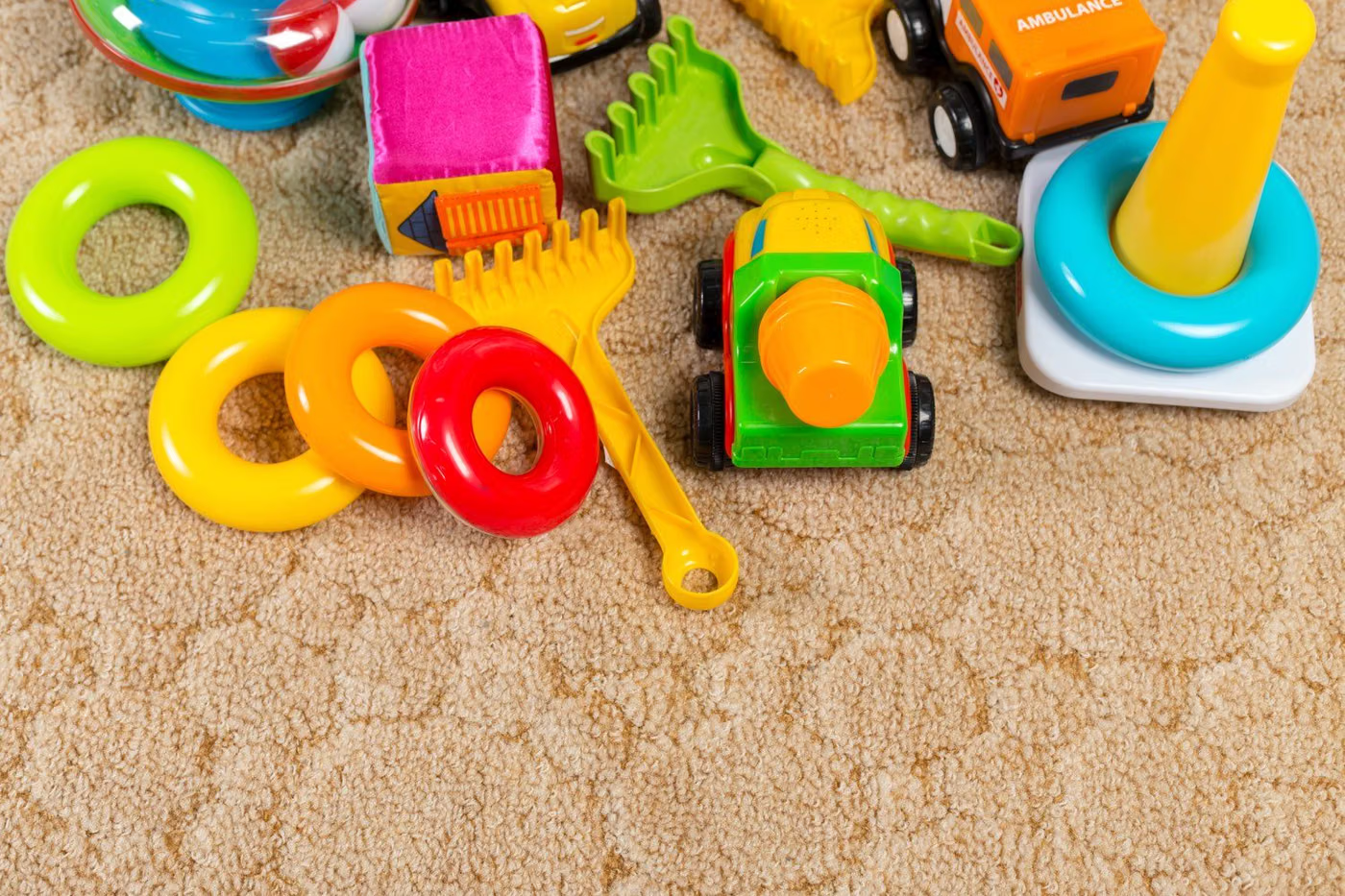
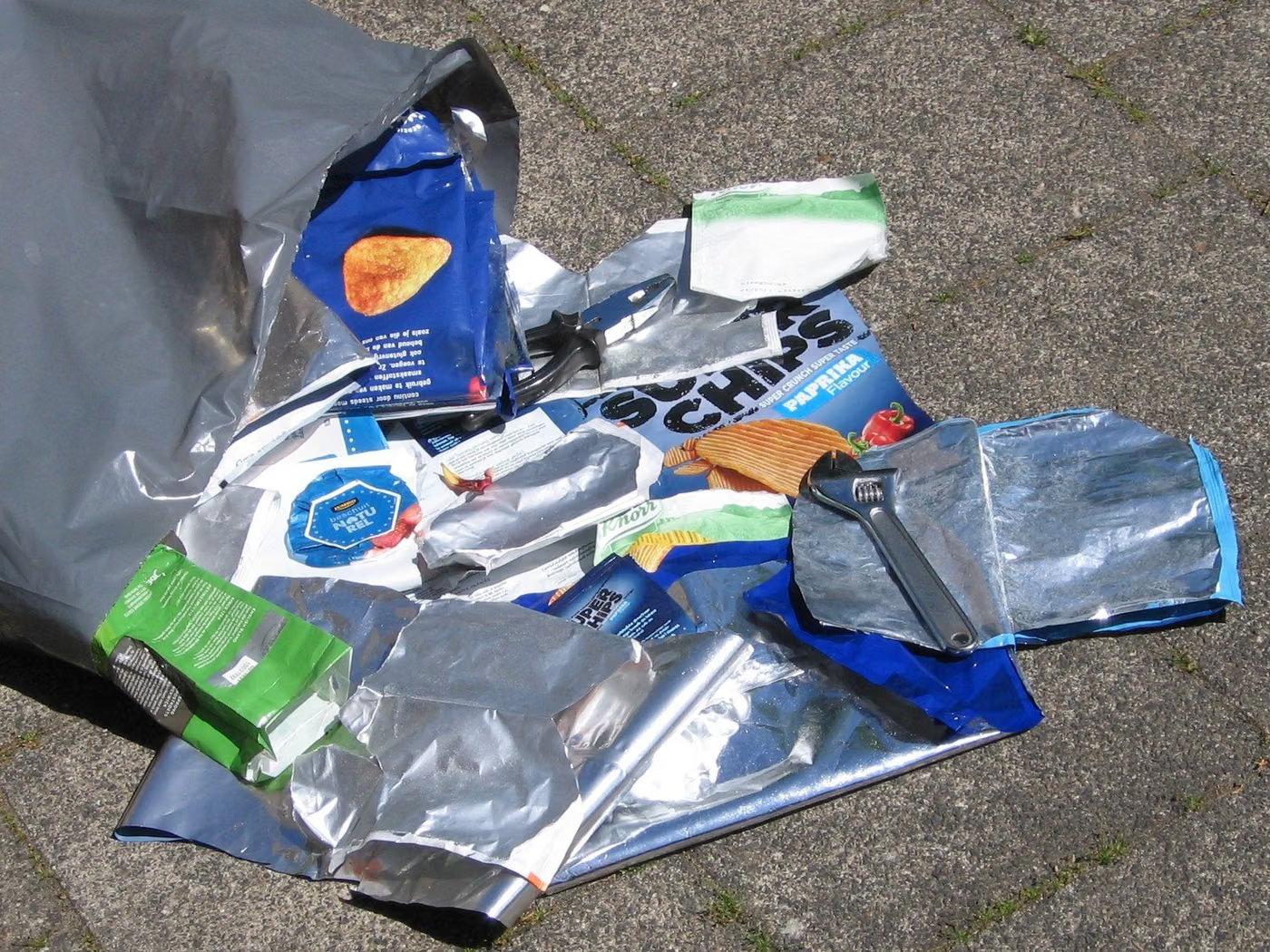
Safety Testing — What Does This Testing Field Cover?
The section below describes how the field of Safety Testing works. The conditions, sample requirements and acceptance criteria of the individual tests in this field are given on the relevant test pages.
Safety testing shows that a product does not harm the user. The category is not a single family of methods but an area of RESPONSIBILITY: electrical, mechanical, thermal, chemical and fire-related hazards are all assessed under this heading.
The working logic of the field differs from other categories: IT IS ASSUMED THAT FAULTS WILL OCCUR. A performance test examines whether the product works correctly; a safety test examines what happens when the product works INCORRECTLY. A component shorts, the user misuses it, a cable breaks, the temperature control fails — is the product still safe under those conditions?
Safety assessment is therefore largely a matter of EXAMINATION rather than testing. Insulation distances, protective barriers, the earthing arrangement, accessibility and the selection of critical components are examined without any measurement; most non-conformities are caught at this stage. The tests confirm that examination.
Which standard applies is determined by WHAT THE PRODUCT IS, and the wrong choice invalidates the entire result: household appliances, information technology products, laboratory equipment, medical devices and machinery fall under different bodies of standards.
Component conformity is often overlooked. The safety of the product rests on the conformity of the transformer, fuse, optocoupler, switch and power supply it uses; a change of component reopens the safety file.
Commonly confused in this field
- The product working normally does not show it is safe; behaviour under fault conditions is assessed.
- A report obtained under the wrong standard is not accepted in the file even when the measurements are correct.
- A CB certificate is not a CE declaration; the declaration is made by the manufacturer under its own responsibility.
- A change of critical component supplier is not a silent change; the file is reviewed.
Which decisions these results support
- The CE declaration and market access
- Establishing the critical component list
- Assessing the safety impact of a design change
- Responding to market surveillance and complaint requests
Related standards
Sectors
In which sectors is Safety Testing used?
Electrical
Electrical Safety · EMC / EMI Testing · Environmental and Climatic Testing
Explore
Electronics
EMC / EMI Testing · Electrical Safety · RF and Wireless Testing
Explore
Machinery
Mechanical Testing · Electrical Safety · EMC / EMI Testing
Explore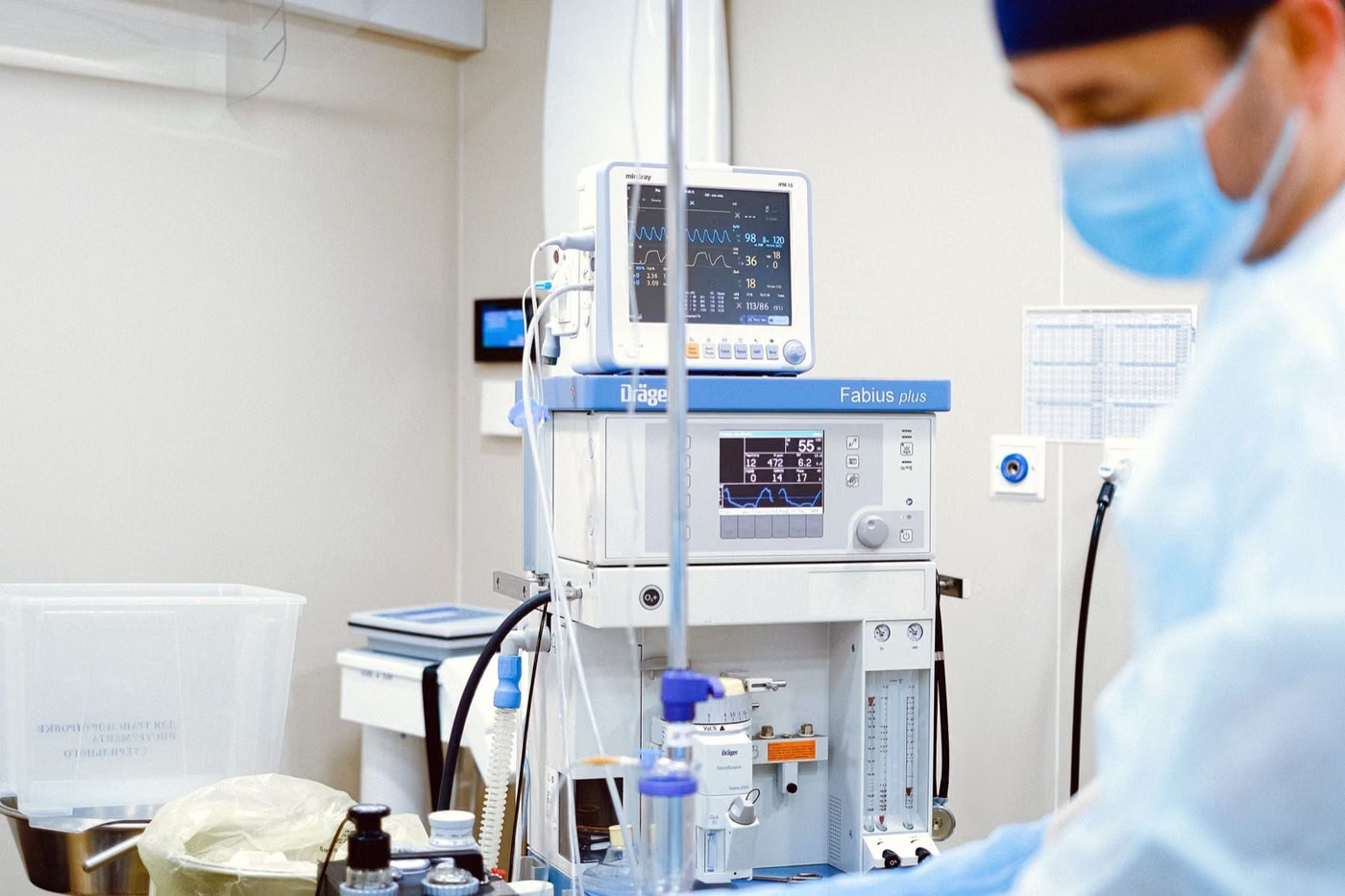
Medical Device
Medical Device Testing · Electrical Safety · EMC / EMI Testing
Explore
Construction
Construction Materials Testing · Fire Testing · Mechanical Testing
Explore
Construction
Construction Materials Testing · Mechanical Testing · Fire Testing
Explore
Railway
Railway Testing · Fire Testing · EMC / EMI Testing
Explore
Consumer Products
Mechanical Testing · Electrical Safety · Toy Testing
Explore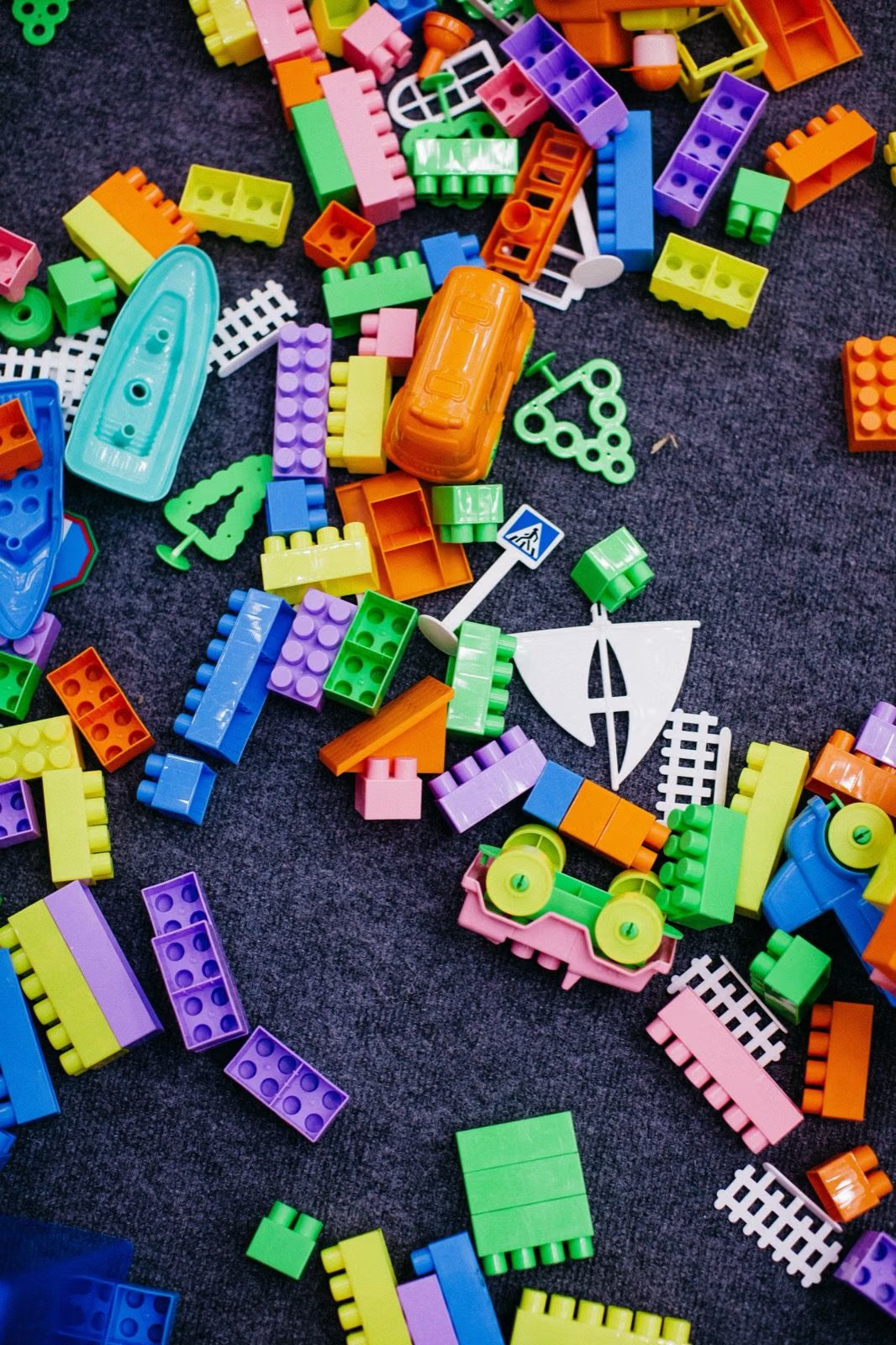
Toy
Toy Testing · Cosmetics Testing · Electrical Safety
Explore
Retail
Food Testing · Textile Testing · Toy Testing
Explore





Safety Testing quote
Tell us your product and the applicable standard; we'll share the timeline and sample requirements in writing.