
What Is Small Parts?
The small parts test checks whether the toy itself, or a part separated during testing, fits entirely inside the small parts cylinder defined in the standard. A part that fits into the cylinder without being wedged is deemed capable of being swallowed by, or obstructing the airway of, a young child.
Purpose of Small Parts
The purpose is to eliminate the risk of swallowing and choking in toys designed for children under 36 months. The leading cause of toy-related fatal accidents is small parts obstructing the airway.
Which Products Is Small Parts Applied To?
- Infant and pre-school toys
- Rattles and teethers
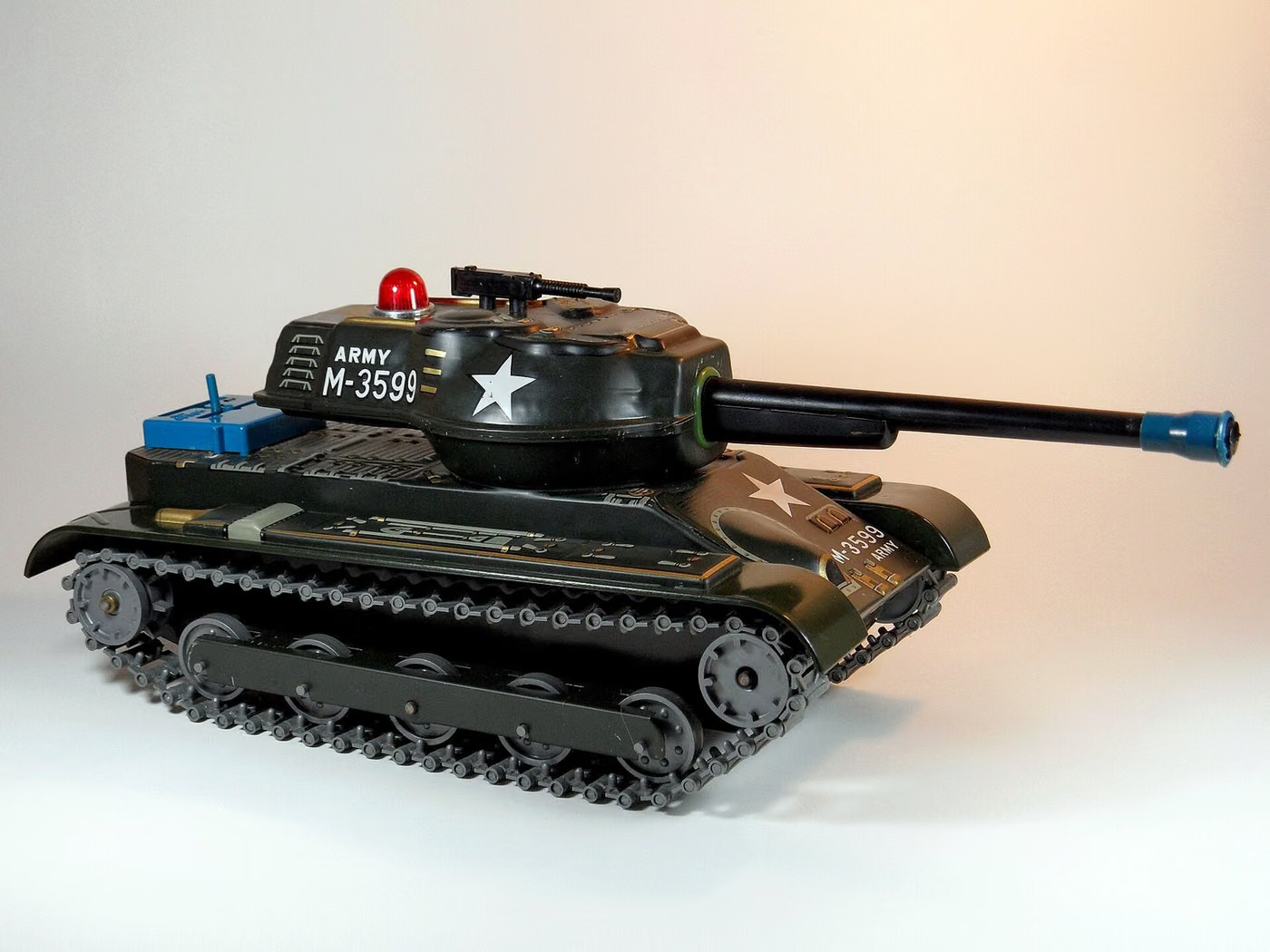
- Small figurines and toys with accessories
- Puzzles and construction toys
- Eyes, noses and accessories on plush toys
In Which Sectors Is Small Parts Used?
Standards Related to Small Parts
- TS EN 71-1 (mechanical and physical properties — small parts assessment)
- ISO 8124-1
- 16 CFR 1501 (US market)
- EN 71-1Mechanical and physical properties in toys test
- EN 71-2oyuncaklarda yanabilirlik test
- EN 71-3migration of certain elements in toys test
Small Parts Conditions
- Cylinder
- Small parts cylinder with dimensions defined in the standard
- Pre-conditioning
- Assessment is performed AFTER the tension, torque and drop tests
- Age group
- The requirement is strict for products under 36 months
Equipment for Small Parts
- Small parts cylinder
- Tension and torque test rigs
- Drop rig
- Callipers and measuring instruments
Sample Requirements for Small Parts
- Specimen as offered for sale
- The tests are destructive; multiple specimens are required
- The declared age group must be provided
- All detachable accessories must be supplied with the product
Duration of Small Parts
The assessment itself is short; duration is determined by the preceding mechanical pre-conditioning tests.
Small Parts Procedure
- 1The product and the declared age group are recorded.
- 2Tension, torque, drop and impact tests are applied.
- 3All separated parts are collected.
- 4Each part is dropped into the small parts cylinder under its own weight, without forcing it.
- 5Parts that fit entirely inside the cylinder are recorded.
- 6The result is assessed according to the age group.
Small Parts Acceptance Criteria
Toys designed for children under 36 months must not generate a small part. Products designed for 36 months and over that do contain small parts must carry the warning defined in the standard on the packaging. Testing is carried out according to the age group declared by the manufacturer. For toys designed for children under 36 months, small parts and swallowing requirements are markedly stricter; the age declaration must be consistent with the product's actual use, otherwise the declaration may be deemed invalid under market surveillance.
Evaluation of Results
The assessment is based on the post-test condition. A toy that is large as a whole can break after dropping and generate a small part; that is the real risk. On plush toys, stitched-on eyes and noses count as small parts if they separate after the tension test.
Small Parts Report
- Product identification and declared age group
- Pre-conditioning tests applied
- List of separated parts and cylinder results
- Warning-requirement assessment
- Photographs
Accreditation
EUROLAB holds internationally recognised accreditation obtained from accreditation bodies party to the IAF and ILAC multilateral recognition arrangements, under ISO/IEC 17025 for laboratory testing, ISO/IEC 17020 for inspection and surveillance, and ISO/IEC 17021-1 and ISO/IEC 17065 for system and product certification. This chain ensures the reports and certificates issued are accepted worldwide.
Whether this test can be offered within accredited scope depends on your product and the standard applied; since accreditation is method-based, the scope is confirmed in writing at the quotation stage.
Scope and authorisationsRelated Regulations
- 2009/48/EC Toy Safety Directive
Oyuncak Testleri — What Does This Testing Field Cover?
The section below describes the field that the Small Parts test belongs to; the conditions and acceptance criteria of this particular test are given in the sections above. The scope specific to your product is confirmed in writing at the quotation stage.
Toy testing shows that a product is safe in children's use. What sets this family apart is that risk is defined according to the USER: the same product may be hazardous for a child under 36 months and safe for an older child. Age marking is therefore not a marketing preference but a technical decision that determines which requirements apply, and it is justified in the technical file.
At the centre of the field is the risk of CHOKING. Children under 36 months put objects in their mouths; a part that detaches or is small to begin with can block the airway. Assessment with the small parts cylinder is the fundamental criterion for this group, and the tests examine whether the part detaches after use and misuse.
The logic of the tests is not that the toy must not break but that BREAKING must not produce a hazardous outcome. A child drops, pulls, bites and stands on a toy. Drop, tension, compression, torque, impact and tipping tests are therefore applied, and the resulting new state is then assessed: is the detached part a small part, did the broken surface leave a sharp edge, has the internal mechanism become accessible?
On the chemical axis, MIGRATION is what counts. What is measured in a toy is not how much of an element the material contains but how much of it dissolves and transfers under conditions simulating the mouth. Materials are divided into three categories (dry brittle powder, liquid or sticky, scrapable) and different limits apply to each; the amount of material a child could ingest varies by category.
Flammability is the third axis and is critical particularly for costumes, tents and plush toys: how quickly flame spreads across the surface is measured.
Electrical and battery-powered toys bring additional bodies of work: EN 62115 for electrical safety, the relevant battery standards and Battery Regulation obligations for the battery. For toys containing button cells, making the battery compartment impossible for a child to open has become a separate requirement — a swallowed button cell is a cause of serious injury.
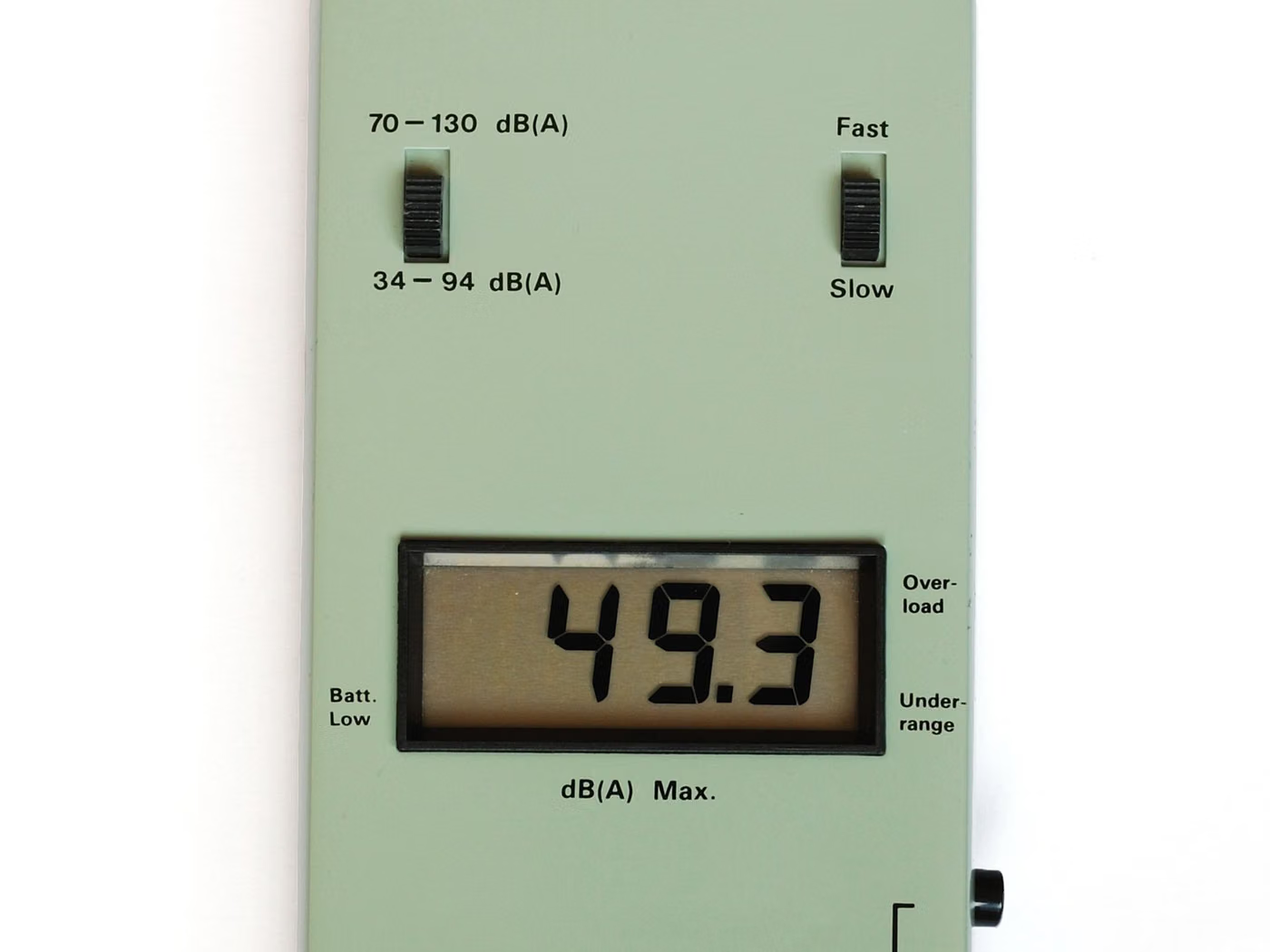
Sound level is an item that is often overlooked. For toys used close to the ear (toy telephones, rattles, cap-firing toys) the sound pressure is limited; the risk of hearing damage is assessed.
Market regimes differ and do not substitute for one another: the Toy Safety Directive and CE marking in Europe, and in the United States the CPSIA with mandatory ASTM F963 and a third-party laboratory certificate (CPC). The United States also looks at total lead content while Europe looks at migration; the two approaches can produce different results.
Method groups in this field
Mechanical and physical
Small parts assessment, sharp edges and points, entrapment, cord and drawstring safety, dynamic strength, drop and tipping (EN 71-1).
Flammability
Rate of flame spread and ignition behaviour (EN 71-2); decisive for costumes and plush toys.
Element migration
Migration of specified elements in the three material categories (EN 71-3).
Organic chemicals
Phthalates, flame retardants, azo dyes, preservatives and fragrances (EN 71-9 and REACH restrictions).
Electrical toys
Electrical safety under EN 62115; heating, insulation, battery compartment and charging safety.
Sound and other
Sound pressure measurements; the requirements of EN 71-4 and EN 71-5 for chemistry sets and chemical toys.
Commonly confused in this field
- Toy safety cannot be demonstrated with a single standard; the mechanical, flammability and chemical parts are assessed together.
- Age marking determines which requirements apply; it must be justified in the technical file and not left to marketing preference.
- An ASTM F963 report is not accepted in a CE file; the requirements and test arrangements of the two regimes differ.
- Migration and total content are different things; the CPSIA looks at total lead while EN 71-3 looks at migration.
- If the material category is chosen incorrectly the limit is applied incorrectly too; the category decision is made before sample preparation.
- For toys containing button cells, battery compartment safety is a separate requirement; passing electrical safety is not sufficient.
Which decisions these results support
- CE marking and the technical file
- Determining age marking and warning texts
- The CPC certificate and mandatory third-party testing for the US market
- Supplier and lot-based acceptance control
- Determining the scope of retesting after a design change
Related Tests

Frequently Asked Questions About Small Parts
Does adding a warning solve the small parts issue?
Only for products designed for 36 months and over. A warning is not a solution for a product aimed at infants; there must be no small part. The form and placement of the warning are also defined in the standard.
Is a battery cover also counted as a small part?
Batteries and battery covers are a separate and stricter matter. Access to button cells in particular must require a tool, and the cover must not open after testing; this requirement is independent of the small parts assessment.