
electric vehicle
automotive part testing and certification
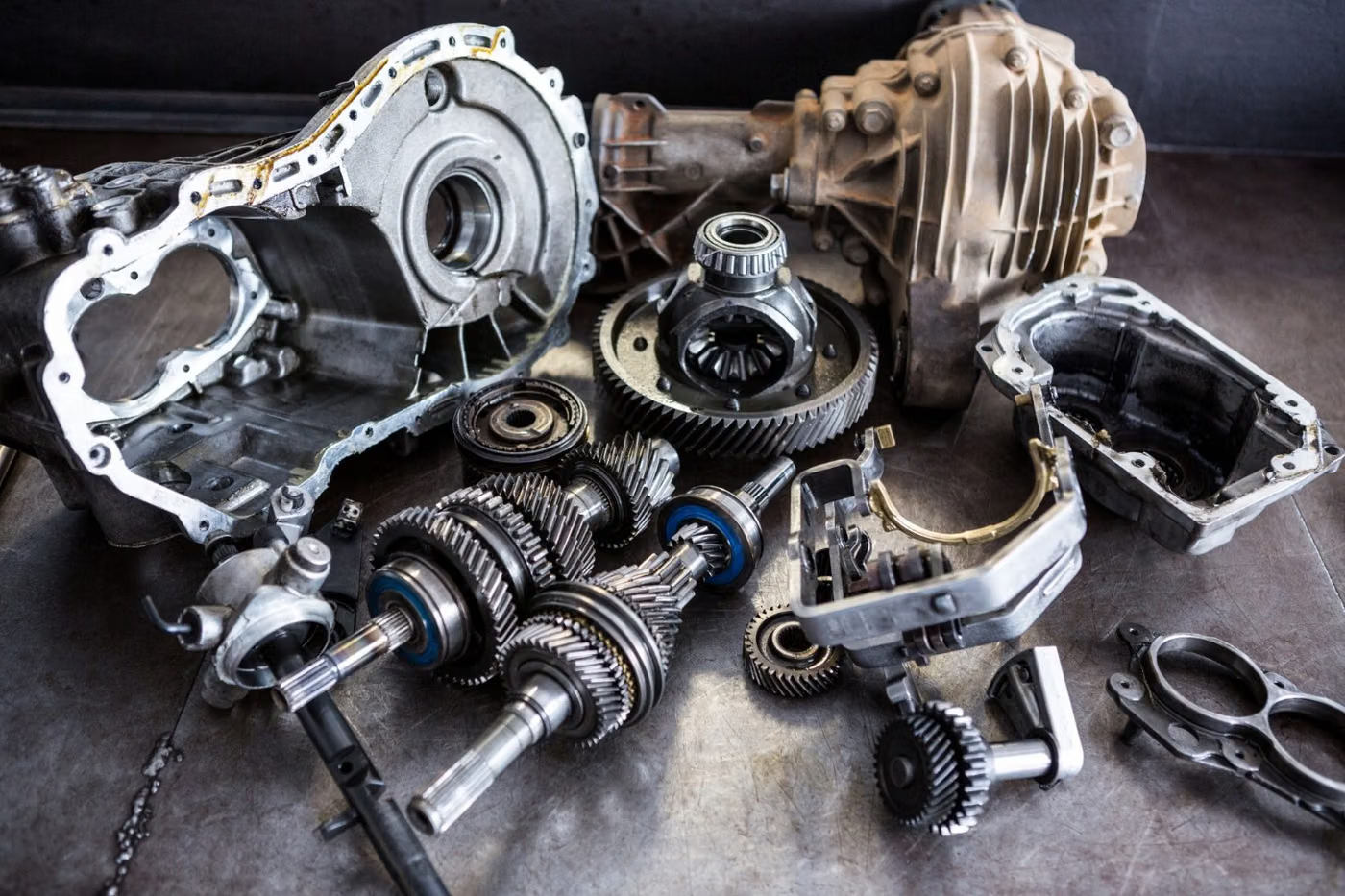
A mechanical or electronic component used in a vehicle.
automotive part — conformity scope
For an automotive part, the path runs through the type-approval regime: vehicle legislation and relevant technical regulations apply according to the part's function; in-vehicle EMC is separately assessed for electronic components. Customer (OEM) specifications often add their own requirements on top of the legislation.
The list below is the European Union framework. The same product falls under a different mark and approval regime in another market; Smart Service Finder shows that market's requirements when you select it.
Regulation
automotive part legislation that typically comes into play for
The following is the European Union framework and shows typical application. Which title actually applies depends on the class, intended use and components of the product; The scope is determined by examining the product.
Approval of motor vehicles and their components. Component and separate technical unit approval run under this framework; the E mark arises from it.
Type-approval under component-specific UNECE regulations (e.g. R10 EMC, R30/R54 tyres, R43 glazing).
Electromagnetic compatibility approval for vehicles and their components.
Restriction of hazardous substances in electrical and electronic equipment.
End-of-life vehicles. Sets heavy-metal restrictions and recoverability targets.
Standards
Standards typically referenced in the dossier
- ISO 16750Environmental conditions in vehicle electrical/electronic equipment
- ISO 7637electrical transients conducted in vehicles
- ISO 11452radiated field immunity in vehicles
- ISO 10605electrostatic discharge in vehicles
- CISPR 25Radio degradation of in-car components
- IATF 16949automotive quality management system
- ISO 26262
- SAE J1455
What is required?
Each item links to the relevant service page: the legislation entry to the certification scheme, the test family to the laboratory page, and the mark to the market page.
European Union — required mark
5- CE — European UnionThe umbrella for entering the EU market; all regulations applicable to the product are met.
- EMC — European UnionElectromagnetic Compatibility Directive — emission and immunity requirements.
- RoHS — European UnionRestriction of hazardous substances in electrical equipment; part of the CE declaration.
- REACH — European UnionChemical legislation — not covered by CE, but affects almost all products.
- E-Mark — European UnionVehicle and component type approval; mandatory for road registration.
Required legislation
4- UNECE R10 — vehicle EMCUnder type approval
- UNECE R100 — electric powertrain safety
- Battery Regulation (EU) 2023/1542
- RoHS
Required tests
5- Automotive TestingOEM specifications and ISO 16750
- Battery TestingUN 38.3 and IEC 62660
- EMC / EMI TestingCISPR 25 and ISO 11452
- Vibration & Shock
- Environmental & Climatic Testing
Required certificates
3- E-Mark type approvalFor the vehicle and components
- Automotive Quality Management (IATF 16949) CertificationRequired across the supply chain
- CoP — conformity of productionMaintaining the type approval
What must be in the technical file
6- Type approval application file
- UN 38.3 transport test summary
- Battery passport data (once in scope)
- Conformity of production (CoP) plan
- Material and component traceability records
- Details of the authorised representative or importer established in the EU
How does the process work?
The flow below is a general order independent of product type; timing and acceptance criteria are determined by the standard the product falls under.
 1
Defining the scope
It is determined which legislation the product falls under based on its technical characteristics and intended use.
 2
Testing and evaluation
Tests are planned for the applicable headings; results are evaluated according to the relevant standards.
 3
Technical file
Design, production and test records are compiled in the technical file, accompanied by a risk assessment.
 4
Declaration or certificate
Depending on the product group, the manufacturer's declaration is prepared or third-party certification is carried out.
automotive part which market is it going to?
Who bears the obligation, where the test will be performed, and what customs will require all vary by market.















What changes depending on the market?
Same product, different regimen
- European UnionComponent approval is obtained under UNECE regulations and declared with the E mark; R10 for EMC, and ELV and RoHS obligations for materials, accompany it.
- United KingdomThe UKCA regime carries the same technical requirements into its own legislation; CE marking is recognised indefinitely for many product groups.
- United StatesThe relevant FMVSS headings and SAE specifications apply; a manufacturer self-certification regime applies instead of type-approval.
Products in the same group
automotive part — let's work out the scope together
Share the product's technical characteristics; let us tell you in writing which headings apply to your scope and which tests are required.
This result is a starting roadmap, not a conformity assessment. Which legislation a product falls under depends on its technical characteristics, intended use and user group; it is only finalised by examining the product. You may have an obligation not shown in the list, and an item shown here may not apply to your product.