

Testing & Laboratory
Optical Testing
A scope heading, not a single list of experiments; The following test families conduct the experiments.
Request a QuoteScope
Test families in Optical Testing
Optical Testingis a scope heading, not a single list of experiments. The following test families carry out the experiments in the scope; A complete list of each family is on its own page.
Optical Testing — What Does This Testing Field Cover?
The section below describes how the field of Optical Testing works. The conditions, sample requirements and acceptance criteria of the individual tests in this field are given on the relevant test pages.
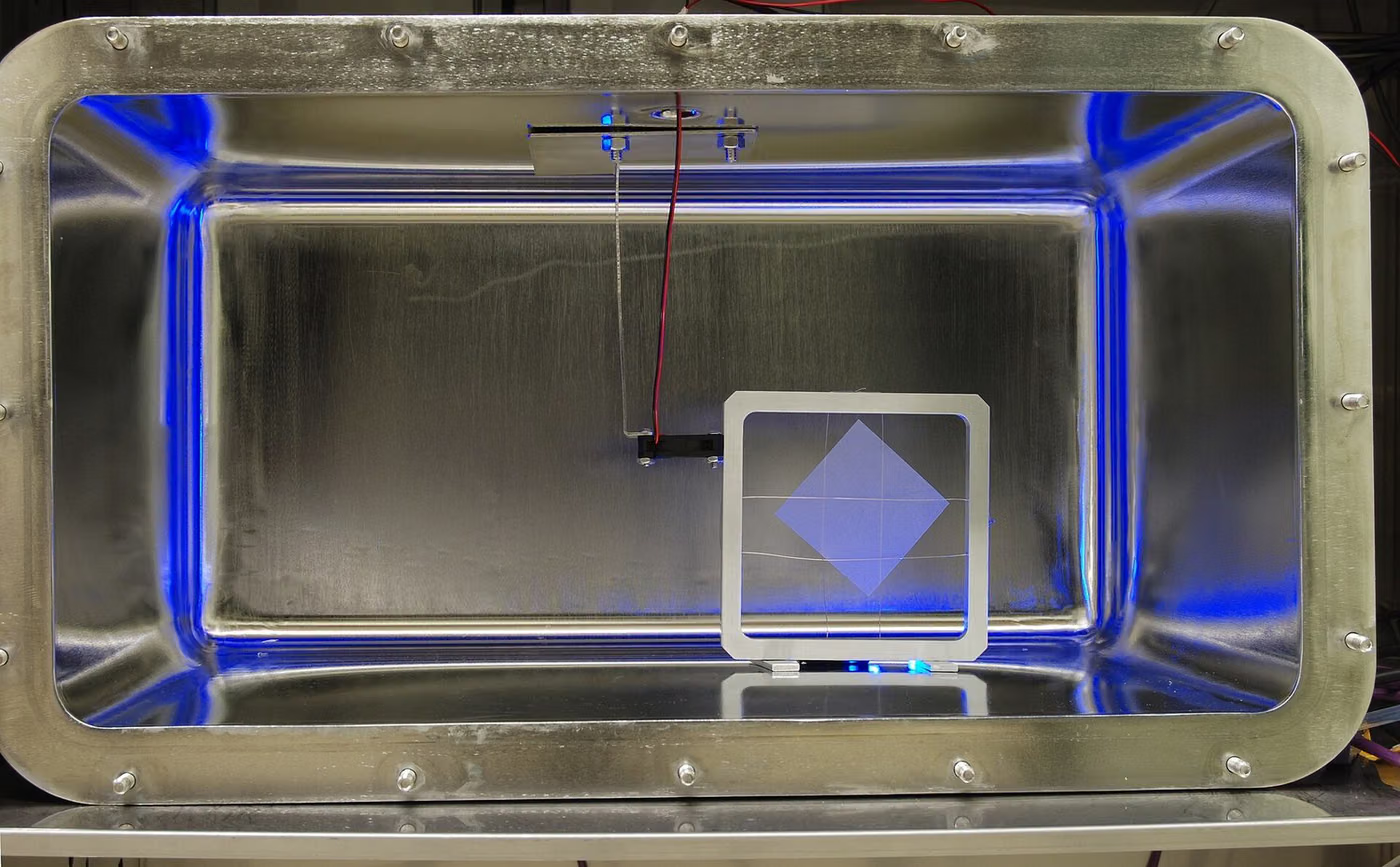
Optical testing measures the transmission and reflection of light through a material or product and the light a product produces. The category combines two bodies of work: material optics and lighting photometry.
On the material side, light transmittance, haze, gloss, colour and colour difference, UV transmittance and solar energy transmittance are measured. In glass, plastic film, coatings and textiles these values mean both appearance and function; the solar energy transmittance of a glazing unit feeds directly into the cooling load of the building.
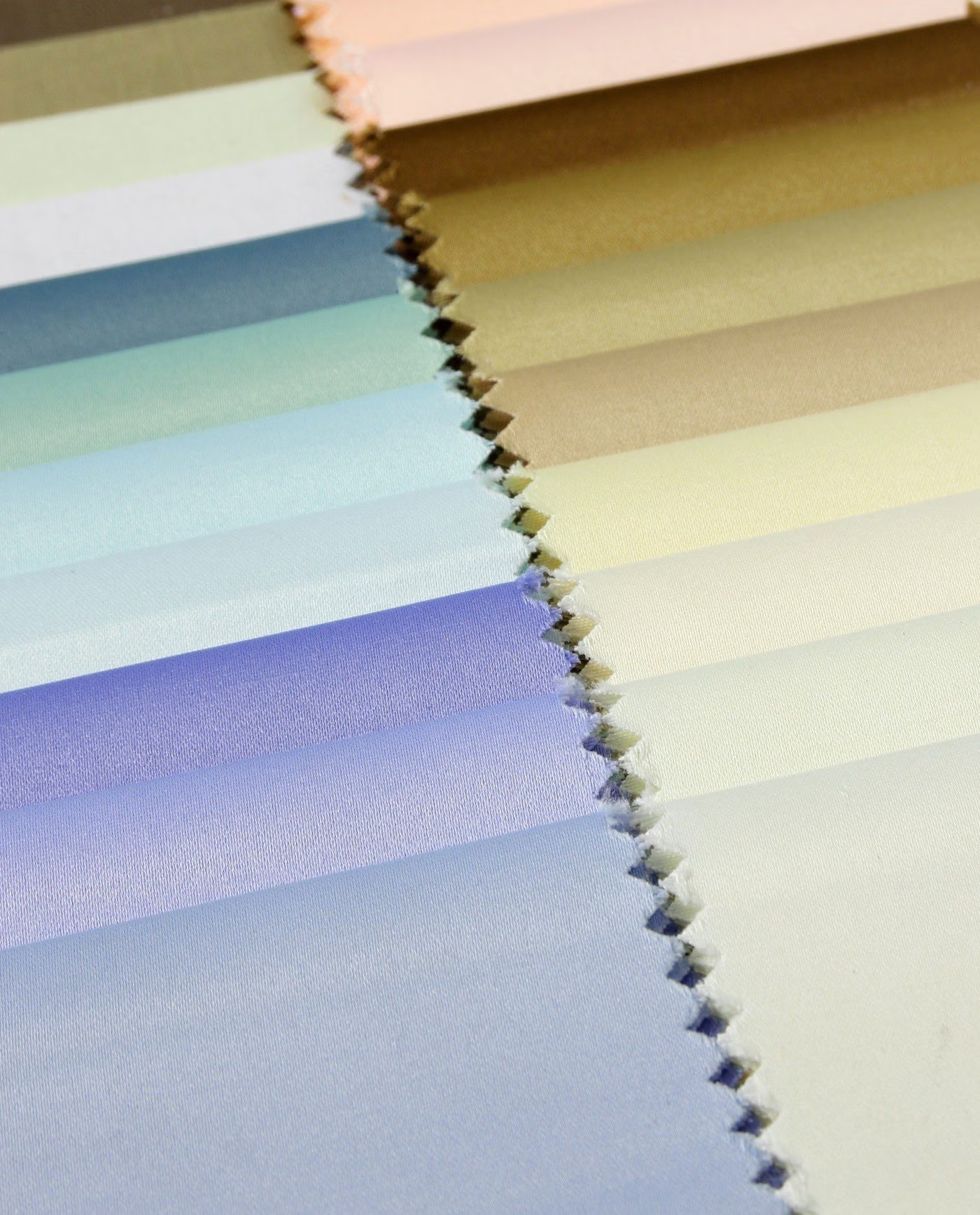
COLOUR MEASUREMENT is the part of this category that causes the most argument, because assessment by eye is subjective and not reproducible. Numerical colour measurement solves this: colour is placed in a coordinate system and the difference between two specimens is expressed as a number. Because the illuminant and observer angle change the result, the measurement conditions are stated in the report.
On the lighting side, luminous flux, luminous intensity distribution, colour temperature, colour rendering index and efficacy are measured. These values are the basis of the energy label and performance declaration for LED products; photobiological safety (blue light risk) also requires a separate assessment.
Ageing matters in this category: the luminous flux of an LED falls over time, plastics yellow, coatings dull. Optical declarations are therefore often required together with values after ageing.
Commonly confused in this field
- Colour cannot be assessed by eye; numerical measurement and defined illumination conditions are required.
- An optical result without a stated measurement geometry and illuminant cannot be compared.
- Day-one luminous flux is not maintained over the lifetime; the value after ageing is declared separately.
- Photobiological safety is an assessment separate from performance measurement.
Which decisions these results support
- Energy performance declarations for glass and facade products
- Energy label and performance declarations for LED lighting
- Monitoring colour consistency lot by lot
- Appearance and performance claims after ageing
Sectors
In which sectors is Optical Testing used?

Automotive
Automotive Testing · EMC / EMI Testing · Vibration and Shock
Explore
Electric Vehicle
Automotive Testing · Battery Testing · EMC / EMI Testing
Explore
Battery
Battery Testing · Environmental and Climatic Testing · Vibration and Shock
Explore
Plastics
Plastics Testing · Mechanical Testing · Fire Testing
Explore
Rubber
Rubber Testing · Mechanical Testing · Environmental and Climatic Testing
Explore

Optical Testing quote
Tell us your product and the applicable standard; we'll share the timeline and sample requirements in writing.