

Testing & Laboratory
Medical Device Testing
With its subgroups, experiments and associated standards.
Request a QuoteScope
Subgroups within Medical Device Testing
Each group lands in its own section on the same page; The full list of experiments is there.
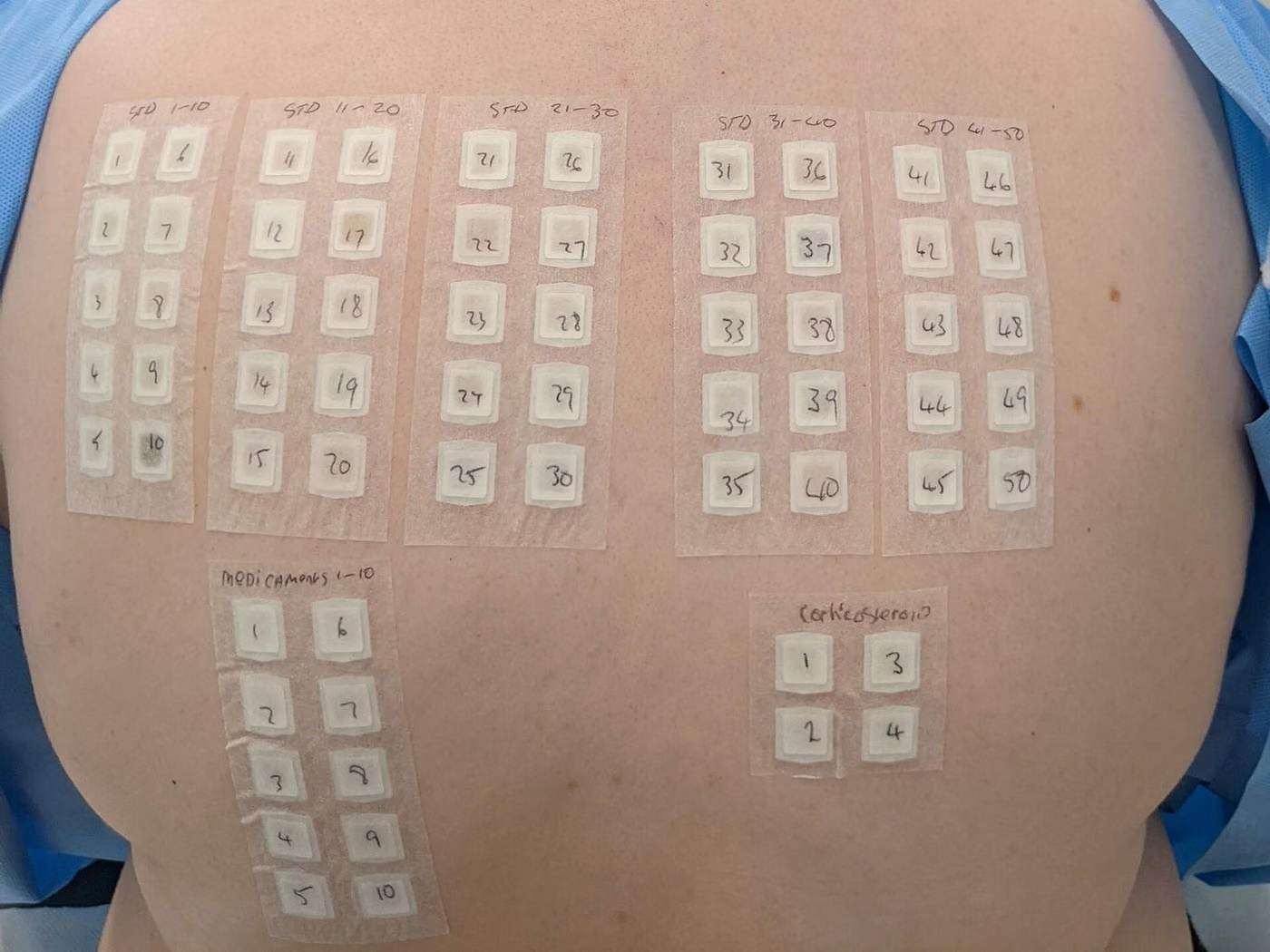
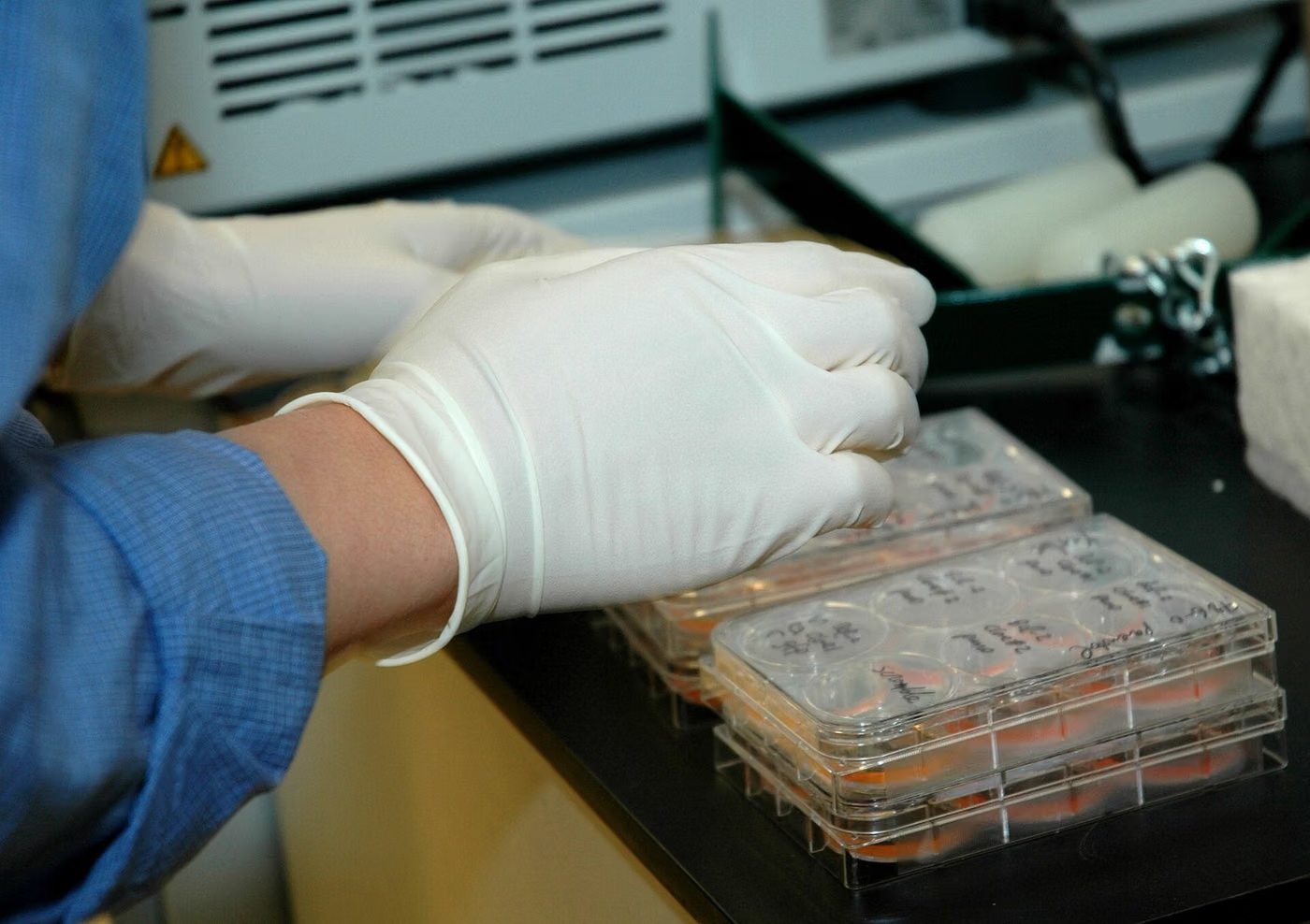 01ISO 10993 BiyouyumlulukCytotoxicity · Sensitization · Irritation
 02SteriliteSterility · Bioburden · Bioburden
 03Packaging ValidationPackaging Validation · Accelerated Aging · Transport Validation
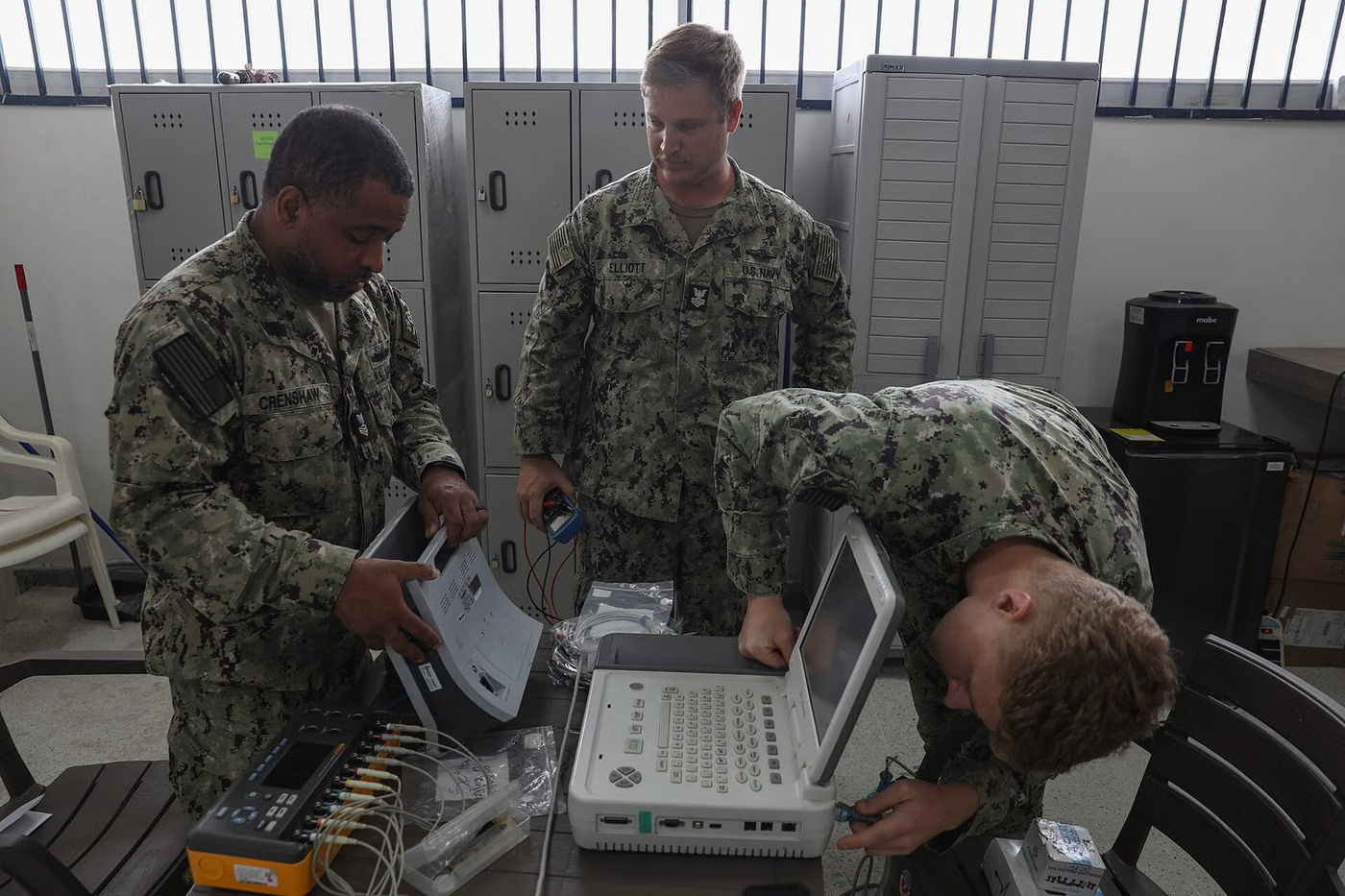 04Electrical and softwareElectrical Safety IEC 60601 · EMC IEC 60601-1-2 · Software IEC 62304
 05ValidasyonCleaning Validation · Disinfection Validation · Sterilization Validation
ISO 10993 Biyouyumluluk

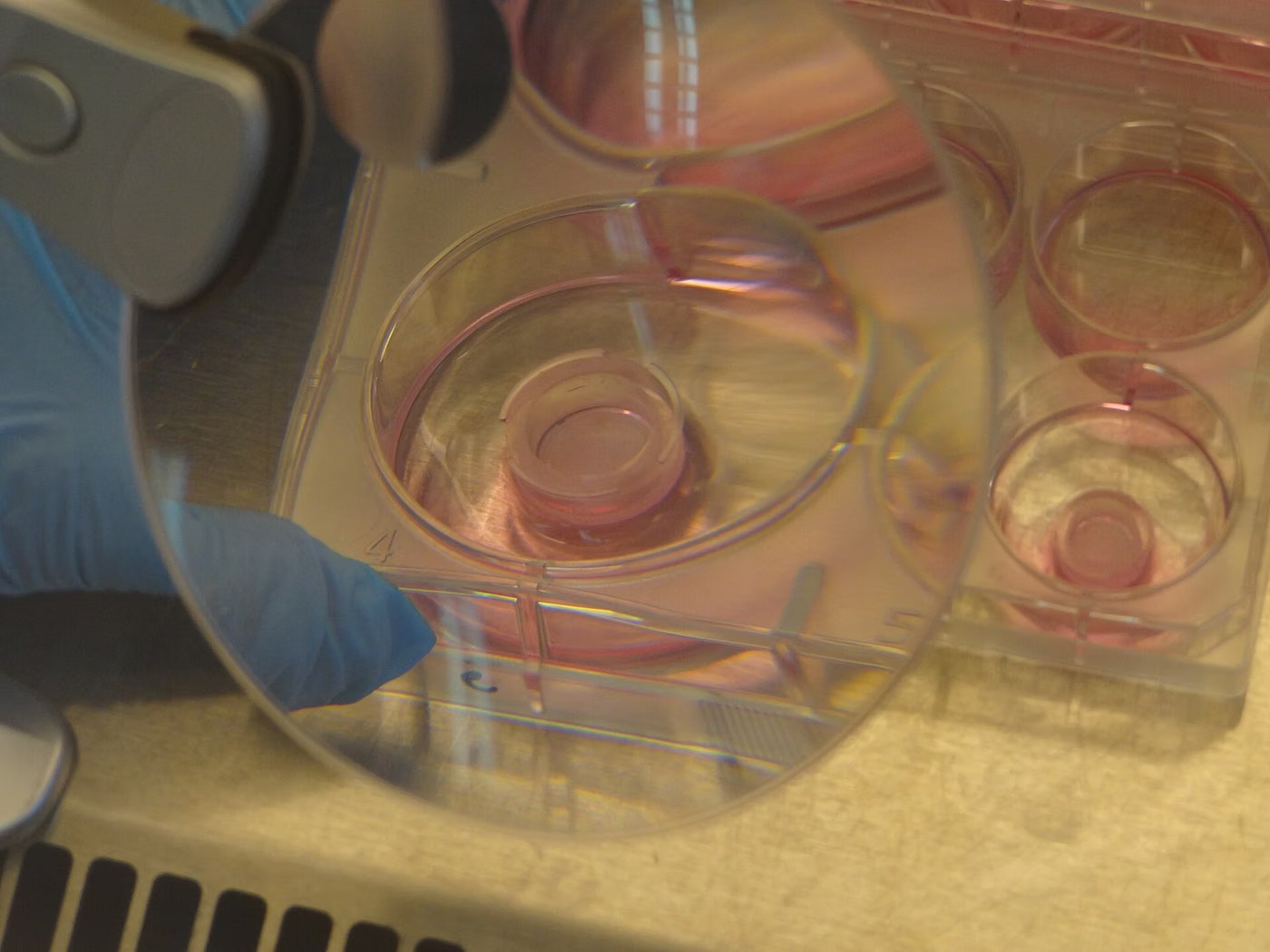
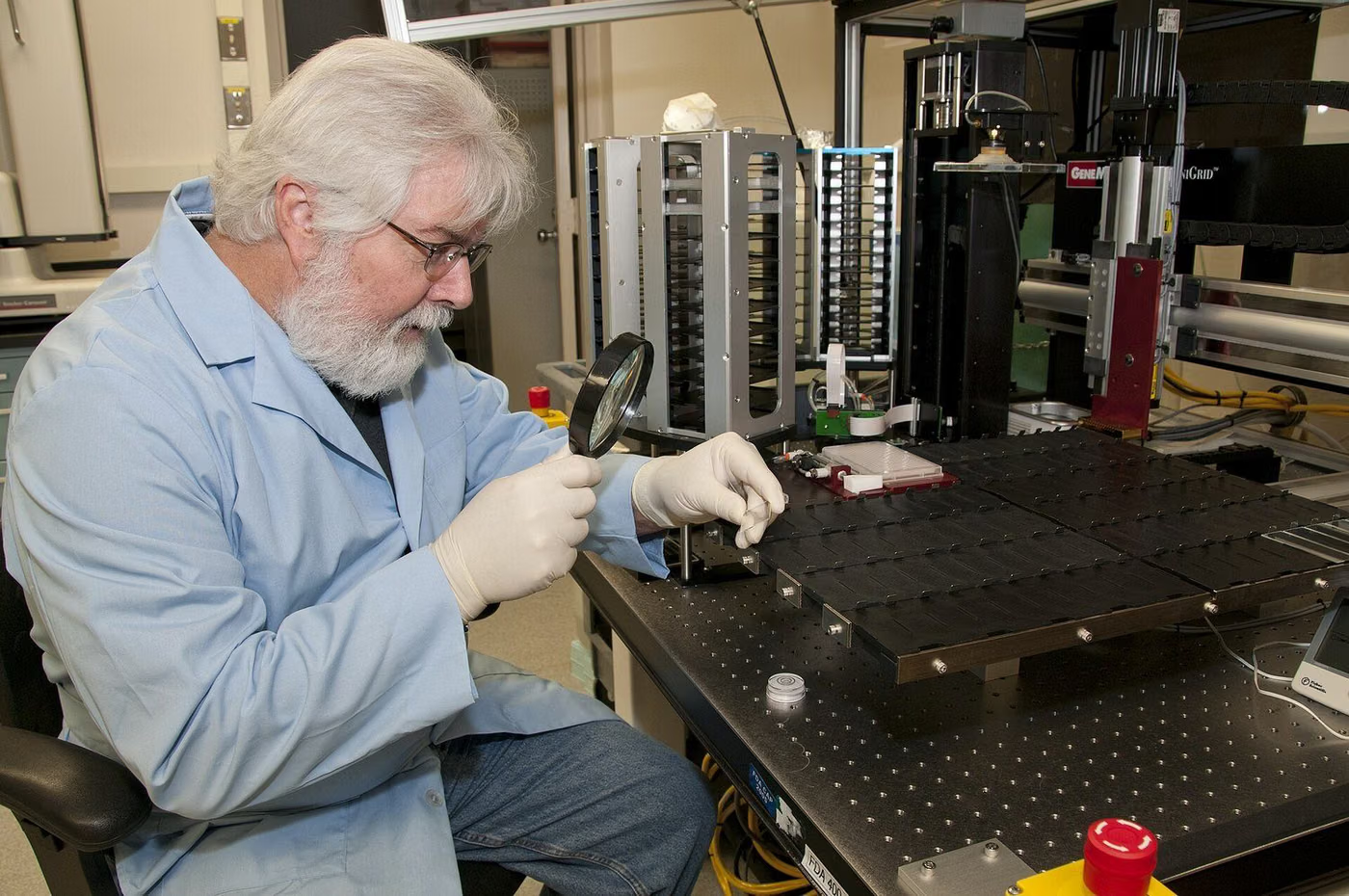


Sterilite

Packaging Validation
Electrical and software
Validasyon


Medical Device Testing — What Does This Testing Field Cover?
The section below describes how the field of Medical Device Testing works. The conditions, sample requirements and acceptance criteria of the individual tests in this field are given on the relevant test pages.
Medical device testing shows that a device is safe for the patient and the user and maintains its intended performance. In this family safety is not only about avoiding harm; a device failing to perform its expected function is also treated as a risk. A monitor missing an alarm or a pump delivering the wrong dose is directly a patient safety event.
At the centre of the field is RISK MANAGEMENT, and this is what sets medical apart from other sectors. The risk management process run under ISO 14971 also determines which tests are required. The test list is not copied from a table of standards; it is derived and justified from the device's intended use, the nature and duration of patient contact, the use environment and foreseeable misuse.
Assessment consists of several separate bodies of work, each with its own set of standards. Biocompatibility runs through the ISO 10993 series, electrical device safety through the IEC 60601 series, sterilisation through ISO 11135/11137/17665, packaging through ISO 11607, software through IEC 62304 and usability through IEC 62366. The quality system (ISO 13485) is the framework that binds these together.
Which tests are required is determined by the device's CLASS and its MODE OF CONTACT WITH THE BODY. A product in brief contact with skin and an implant entering the bloodstream do not go through the same test set; the scope is set by a biological evaluation plan prepared under ISO 10993-1. That plan justifies in writing which endpoints are required and why the others are not.
Packaging and sterilisation are taken as seriously as the device itself in this field. For a sterile device the packaging is not a transport container but the barrier that maintains sterility; if the barrier is breached, the device is no longer sterile. Packaging processes are therefore validated and shelf life is supported by real-time ageing data.
For devices containing software, assessment shifts from testing towards PROCESS assurance. IEC 62304 defines which development and verification steps must be followed according to the safety class of the software; the evidence is the traceability of the development process. Testing software does not make it safe — the process record does.
The clinical side is a separate column of the technical file. Test reports show that the device is technically safe; clinical evaluation establishes that the device delivers the intended clinical benefit and that the benefit-risk balance is acceptable. Neither replaces the other.
Method groups in this field
Biocompatibility
Cytotoxicity, irritation, skin sensitisation, systemic toxicity, haemocompatibility, genotoxicity and local effects after implantation. The required endpoints are set by the ISO 10993-1 plan.
Electrical device safety
IEC 60601-1 basic safety and essential performance; EMC, alarm, usability and environmental requirements through the collateral standards.
Sterilisation validation
Validation of sterilisation processes by ethylene oxide, radiation or moist heat; bioburden and sterility assurance level studies.
Packaging
Integrity of the sterile barrier system, seal strength, distribution simulation and shelf-life studies.
Microbiological tests
Bioburden determination, sterility testing, bacterial endotoxin and, where required, carrier validation studies.
Software and usability
IEC 62304 life cycle evidence and use-error focused evaluation under IEC 62366.
Commonly confused in this field
- Cytotoxicity alone is not evidence of biocompatibility; the required set of endpoints is determined and justified according to ISO 10993-1.
- An ISO 13485 certificate does not confer CE marking; classification under the MDR, the technical file and the notified body process run separately.
- Accelerated ageing does not replace real-time ageing; a shelf life claim is supported by real-time data.
- A change of material (supplier, pigment, sterilisation method) may require the biological evaluation to be repeated; it is not a silent change.
- An assessment made without the collateral and particular standards for IEC 60601-1 is incomplete; which -1-x and -2-x standards were applied must appear in the report.
- In vitro diagnostic devices fall under the IVDR rather than the MDR, and laboratory equipment is often on the IEC 61010-1 side.
Which decisions these results support
- MDR/IVDR technical file and notified body assessment
- Completing the biological evaluation plan
- Sterilisation and packaging validation
- Determining shelf life and storage conditions
- Determining the scope of reassessment after a design change
Related standards
Sectors
In which sectors is Medical Device Testing used?








Medical Device Testing quote
Tell us your product and the applicable standard; we'll share the timeline and sample requirements in writing.