

Testing & Laboratory
Durability Testing
A scope heading, not a single list of experiments; The following test families conduct the experiments.
Request a QuoteDurability Testingis a scope heading, not a single list of experiments. The following test families carry out the experiments in the scope; A complete list of each family is on its own page.
Environmental and Climatic Testing
Full page Environmental and Climatic Testing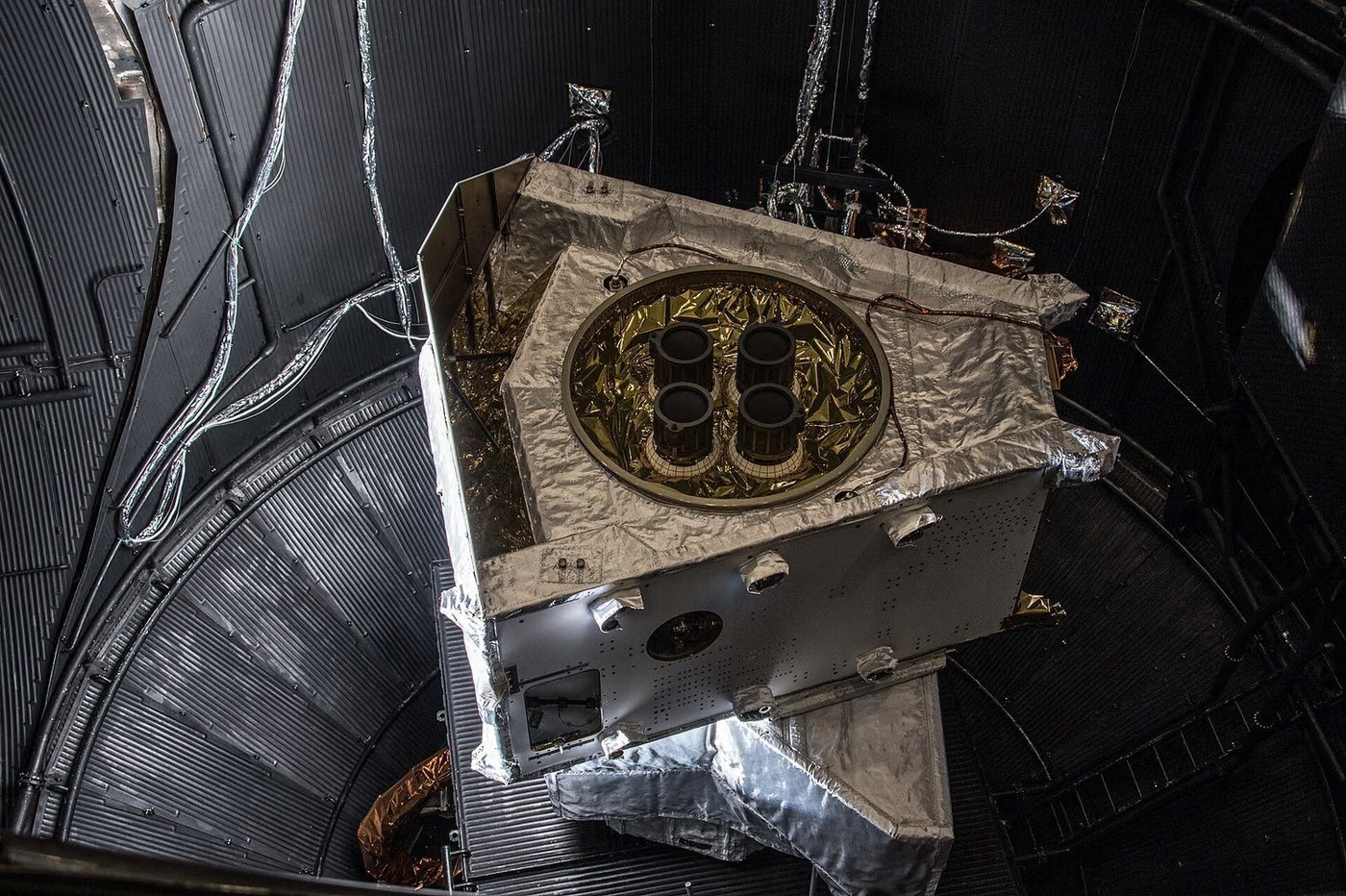
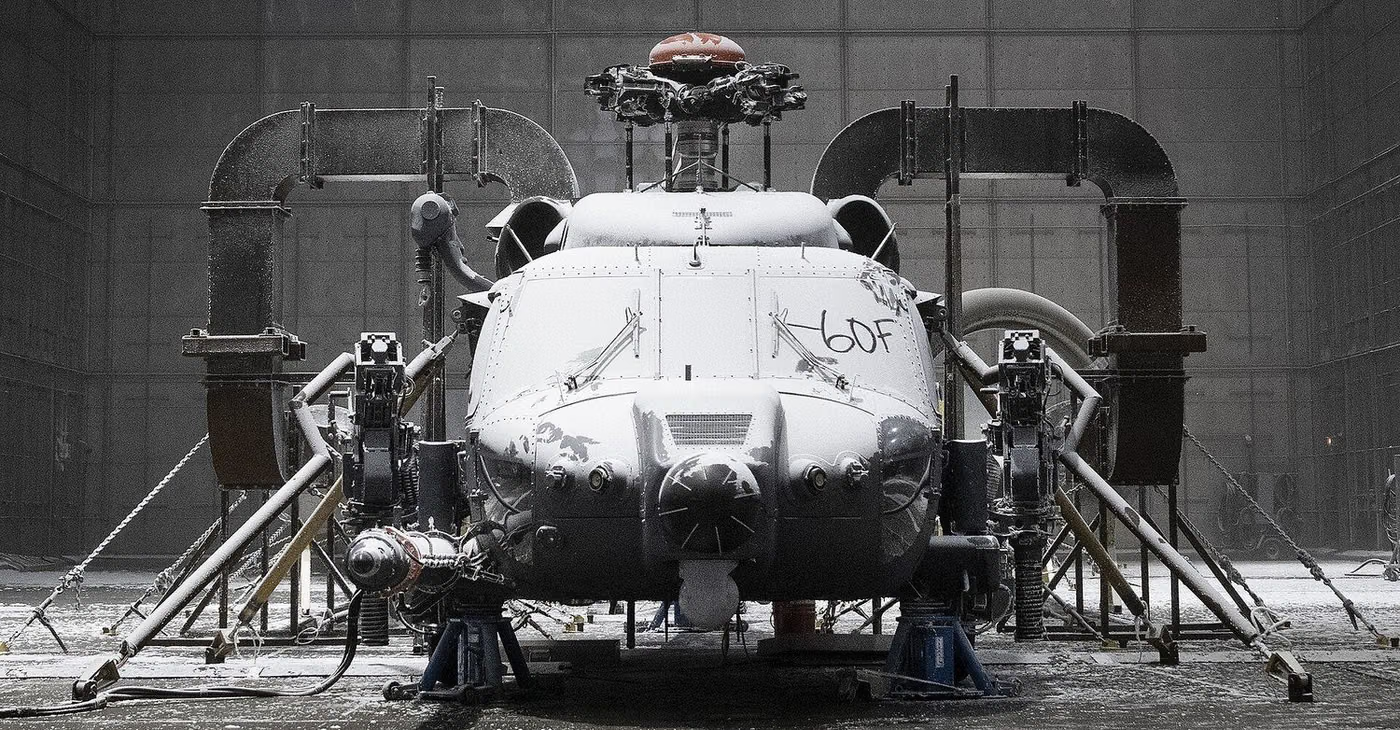
Corrosion Tests
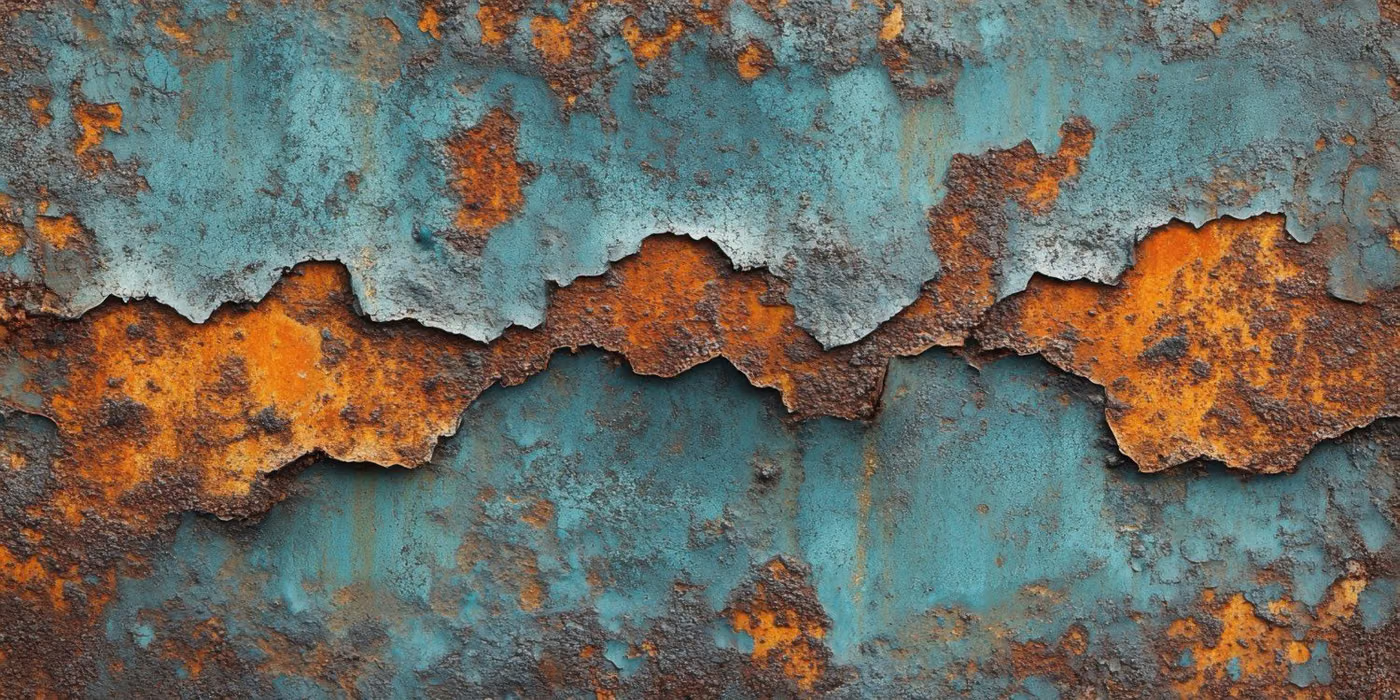
Full page Corrosion Tests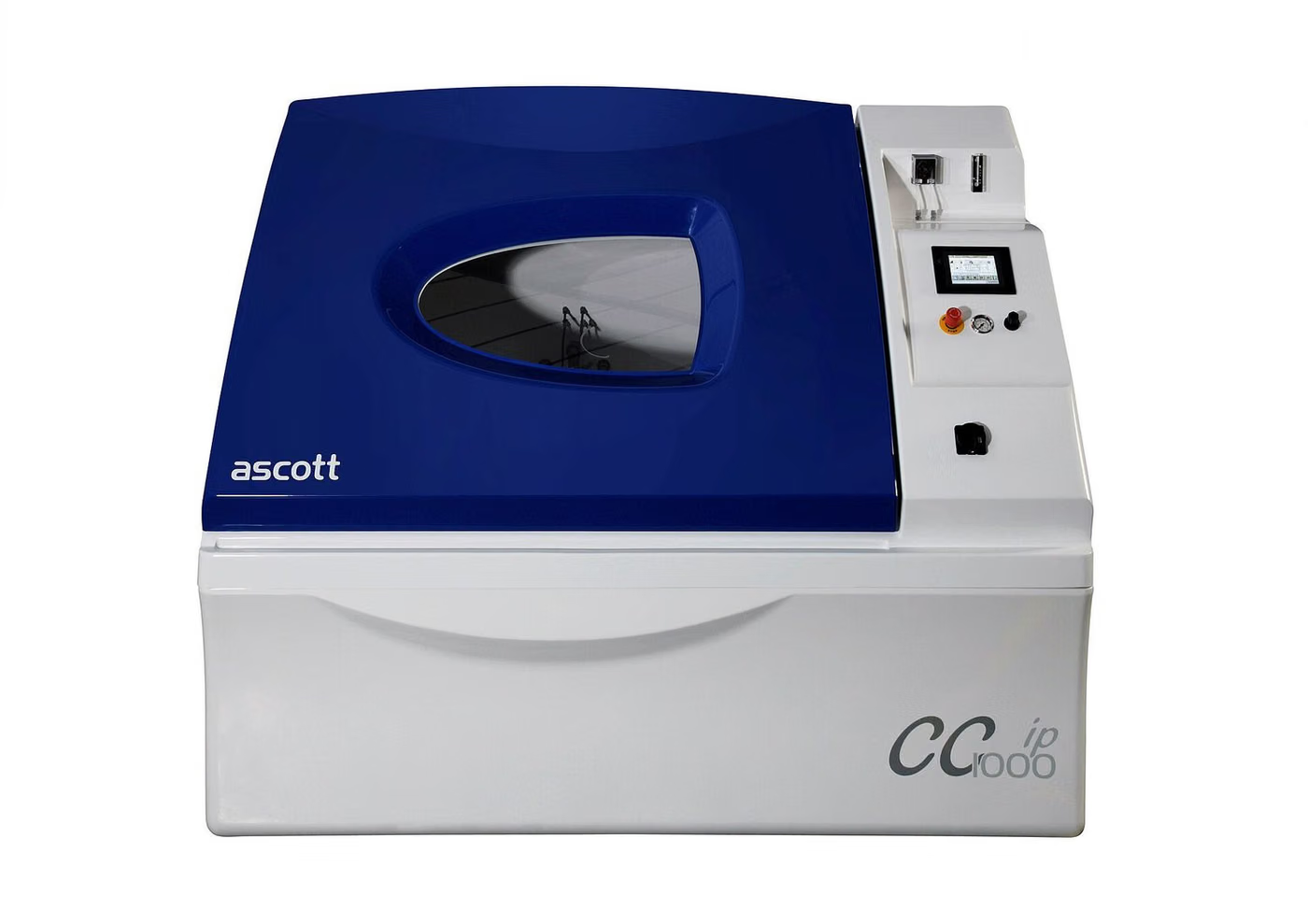
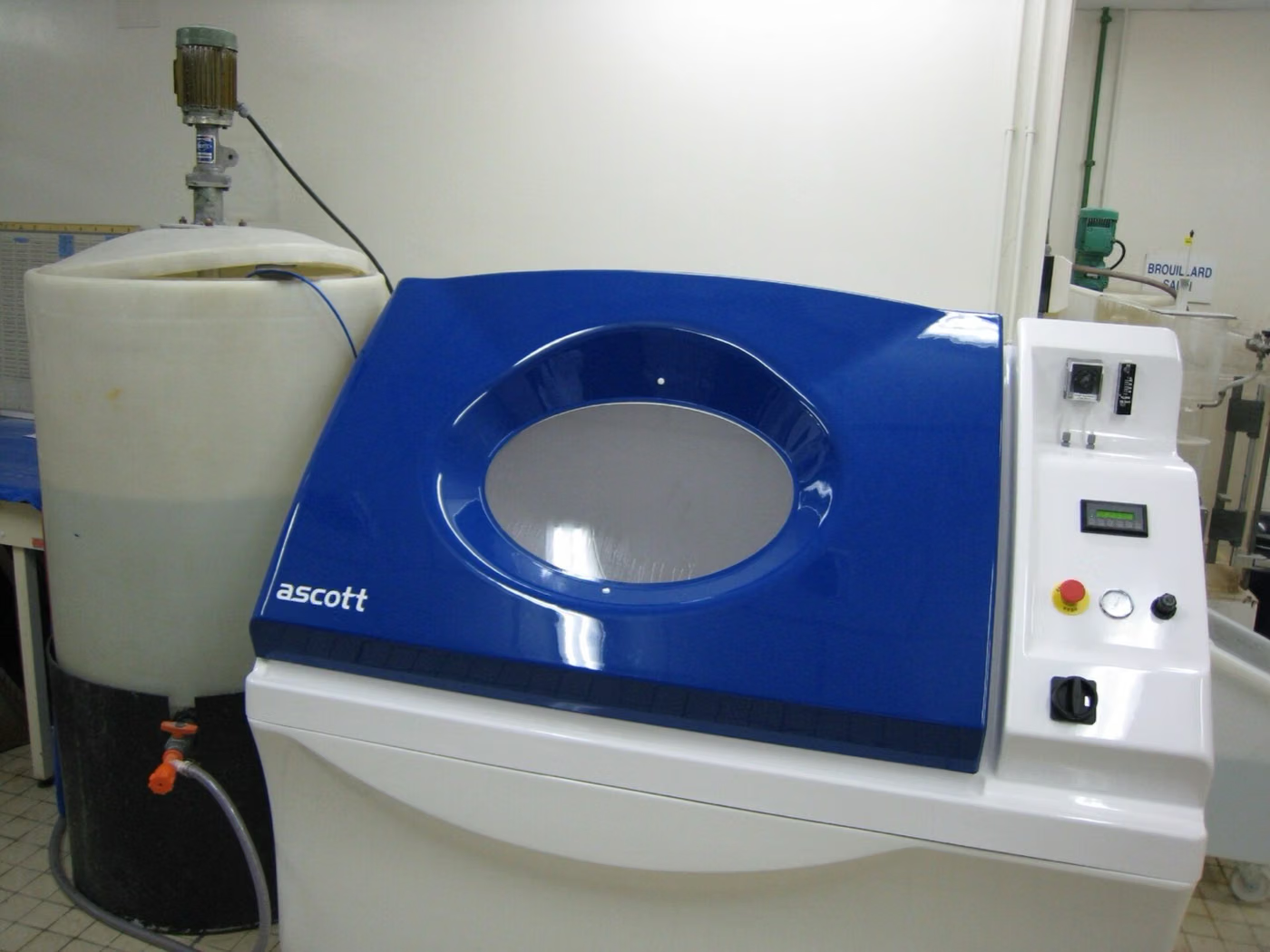
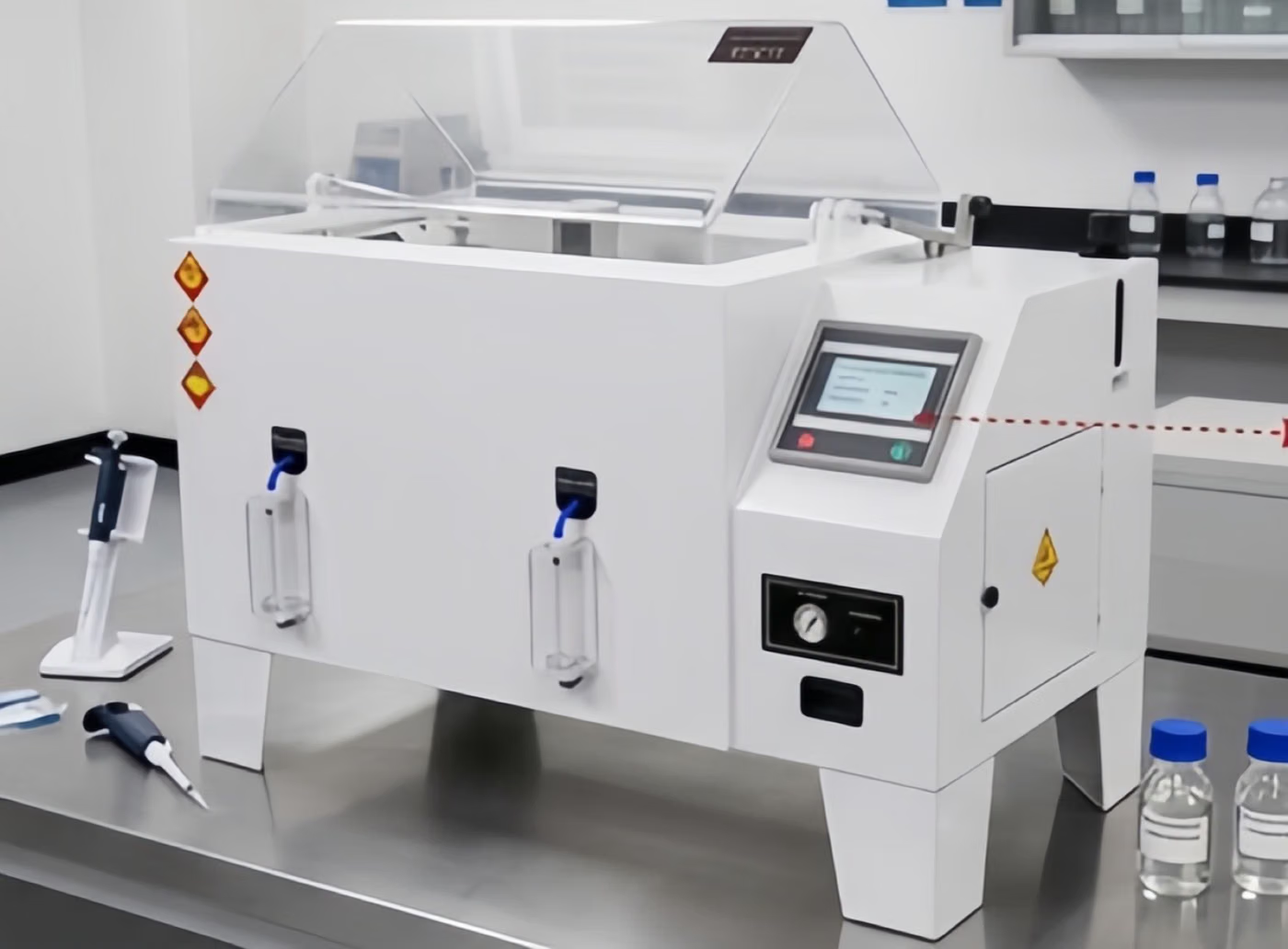
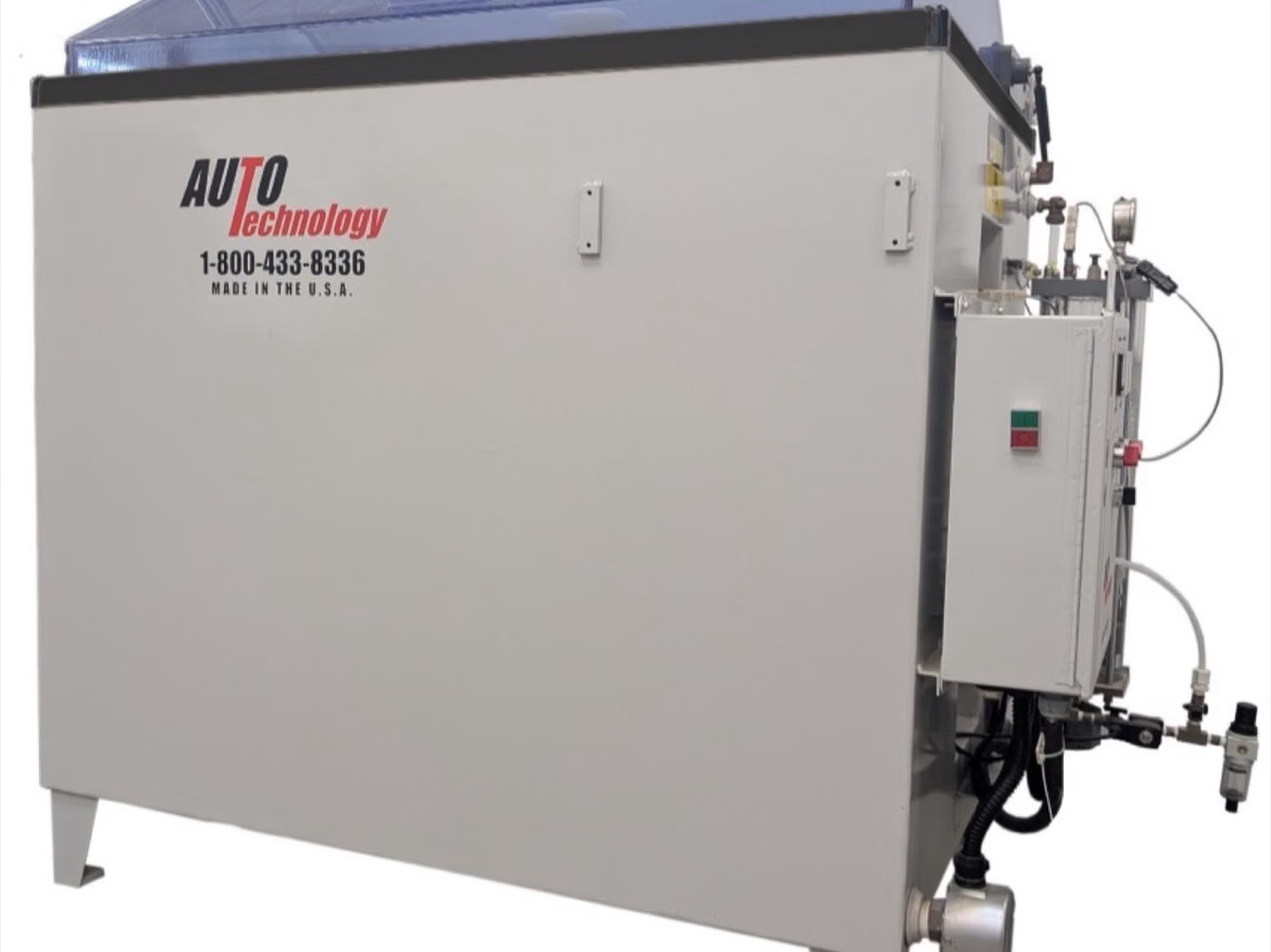
Vibration and Shock
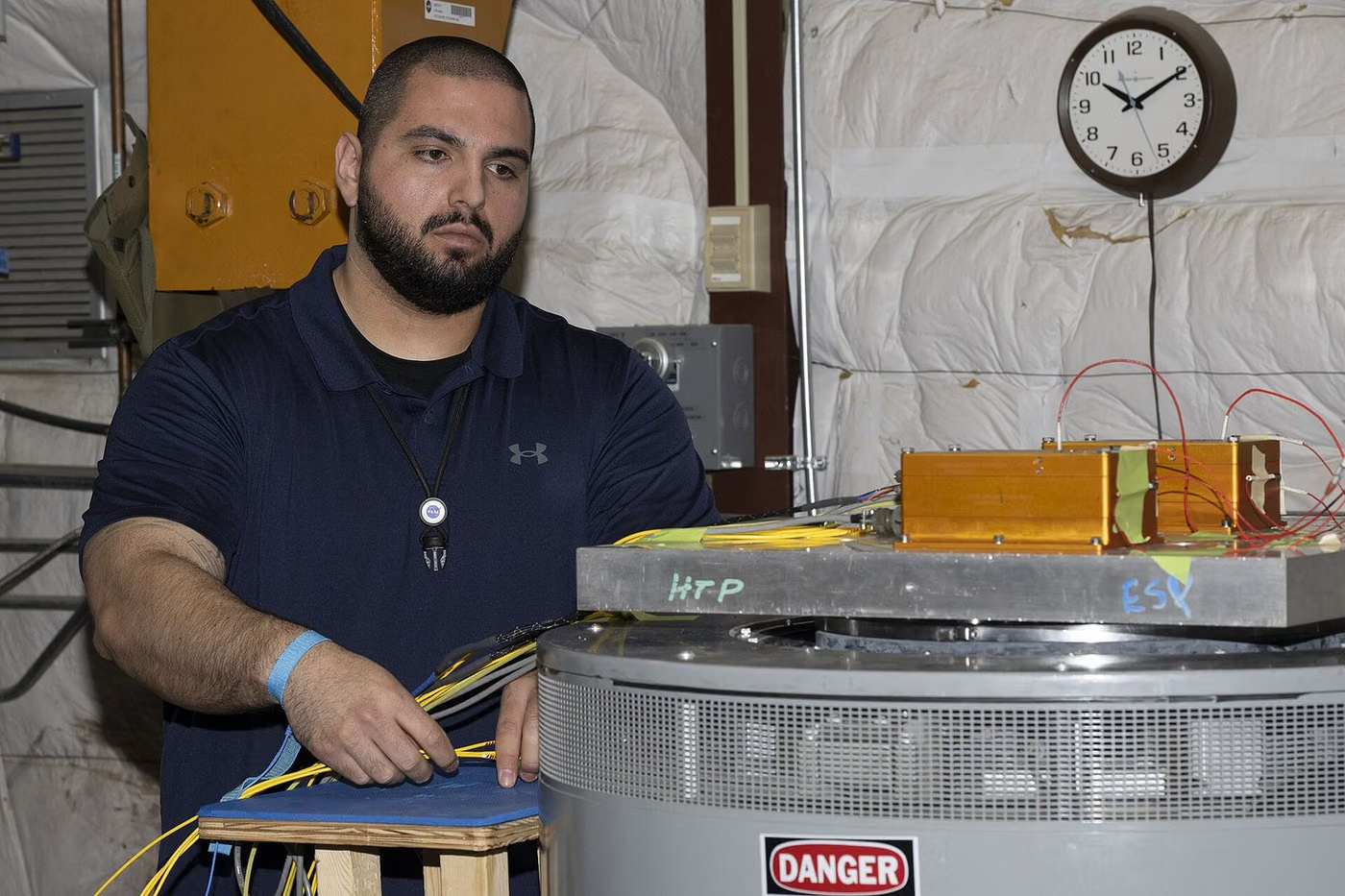
Full page Vibration and Shock

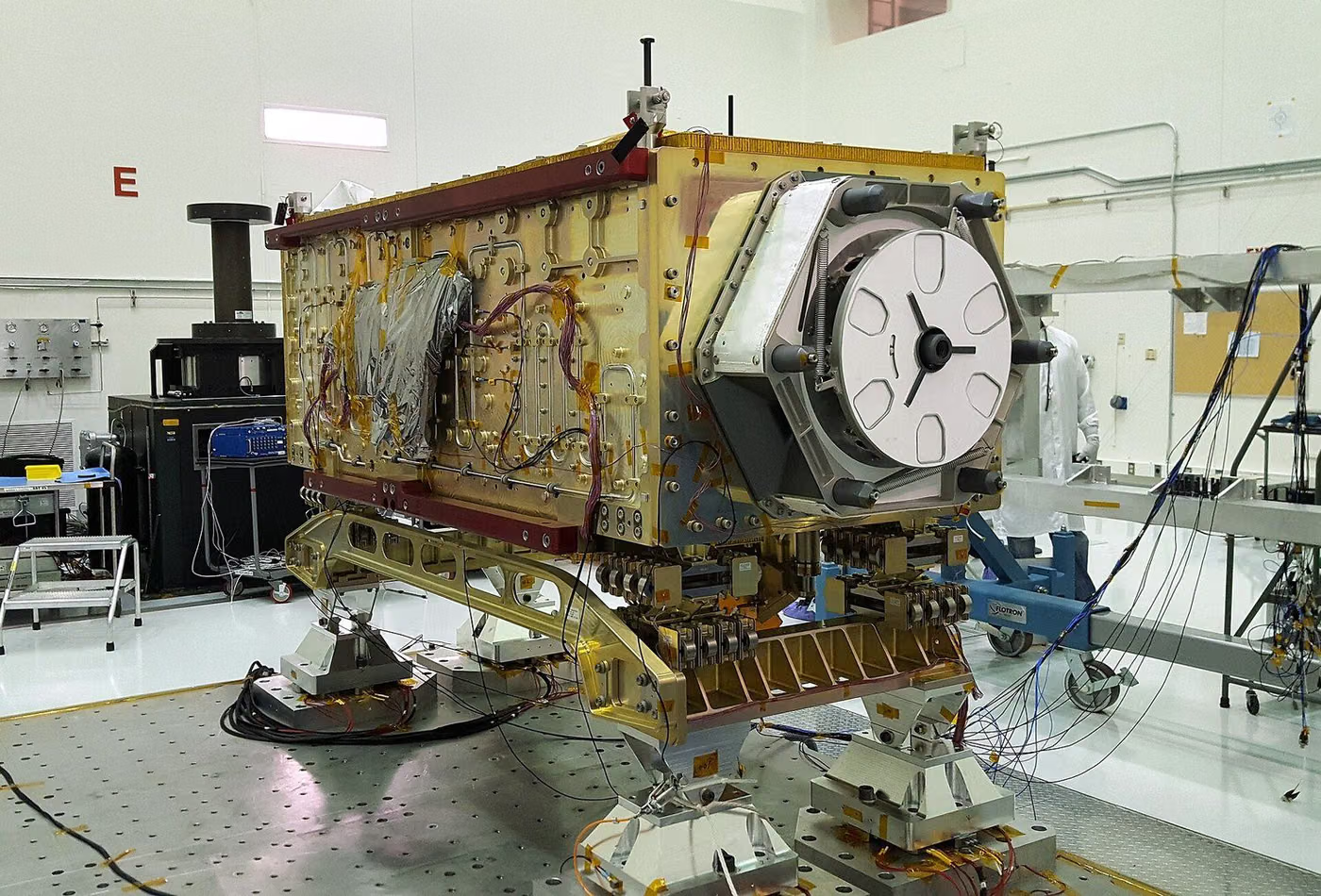
Durability Testing — What Does This Testing Field Cover?
The section below describes how the field of Durability Testing works. The conditions, sample requirements and acceptance criteria of the individual tests in this field are given on the relevant test pages.
Durability testing brings forward, in accelerated form, the repeated loads a product will meet over its life and shows how long it lasts. The category is not a single family of methods but a type of QUESTION: does the product complete its expected period of use?
The question draws on several families: mechanical fatigue, vibration, temperature cycling, corrosion, UV ageing, abrasion and usage cycles (opening and closing, pressing, turning). For a door lock the number of cycles is decisive; for an outdoor component UV and corrosion; for an electronic board temperature cycling.
The most critical concept in this category is ACCELERATION, and it is also the most misunderstood. Acceleration shortens the duration by applying real use at higher severity or higher frequency. But acceleration is valid only as long as THE FAILURE MECHANISM DOES NOT CHANGE: if raising the temperature too far opens a different degradation path in the material, the test measures not the real life but the life under laboratory conditions.
A durability result therefore does not give a life prediction on its own. How many years a mechanism that survives 1,000 cycles in a chamber will last in the field is not found by dividing the cycle count by the actual frequency of use; the usage profile, the environment and maintenance are also involved.
The real value of the result lies in COMPARISON: two designs, two suppliers or two materials are ranked in the same test. That is sufficient information for design decisions and warranty period decisions.
Commonly confused in this field
- If acceleration changes the failure mechanism, the result does not show the real life.
- A cycle count cannot be converted directly into a life in years; the usage profile and the environment are involved.
- A single durability test is not proof of life; different failure mechanisms are addressed by different tests.
- It is not enough for the product to work at the end of the test; structural change (cracking, loosening, wear) is inspected separately.
Which decisions these results support
- Supporting the warranty period and life claims
- Comparison between design options and suppliers
- Determining the life of critical components and the maintenance interval
- Reproducing field failures in the laboratory
Related standards
Sectors
In which sectors is Durability Testing used?

Electronics
EMC / EMI Testing · Electrical Safety · RF and Wireless Testing
Explore
Electrical
Electrical Safety · EMC / EMI Testing · Environmental and Climatic Testing
Explore
Automotive
Automotive Testing · EMC / EMI Testing · Vibration and Shock
Explore
Defence
Defence Testing · Environmental and Climatic Testing · Vibration and Shock
Explore
Aerospace
Aerospace Testing · Environmental and Climatic Testing · Vibration and Shock
Explore
Metals
Metal and Metallurgy Testing · Mechanical Testing · Corrosion Tests
Explore
Steel
Metal and Metallurgy Testing · Mechanical Testing · Corrosion Tests
Explore
Construction
Construction Materials Testing · Fire Testing · Mechanical Testing
Explore
Maritime
Marine Testing · Environmental and Climatic Testing · Vibration and Shock
Explore
Railway
Railway Testing · Fire Testing · EMC / EMI Testing
Explore
Logistics
Packaging Testing · Food Testing · Environmental and Climatic Testing
Explore







Durability Testing quote
Tell us your product and the applicable standard; we'll share the timeline and sample requirements in writing.