
Testing & Laboratory
Flammability Testing
With its subgroups, experiments and associated standards.
Request a QuoteScope
Subgroups within Flammability Testing
Each group lands in its own section on the same page; The full list of experiments is there.
Fire testing

Flammability Testing — What Does This Testing Field Cover?
The section below describes how the field of Flammability Testing works. The conditions, sample requirements and acceptance criteria of the individual tests in this field are given on the relevant test pages.
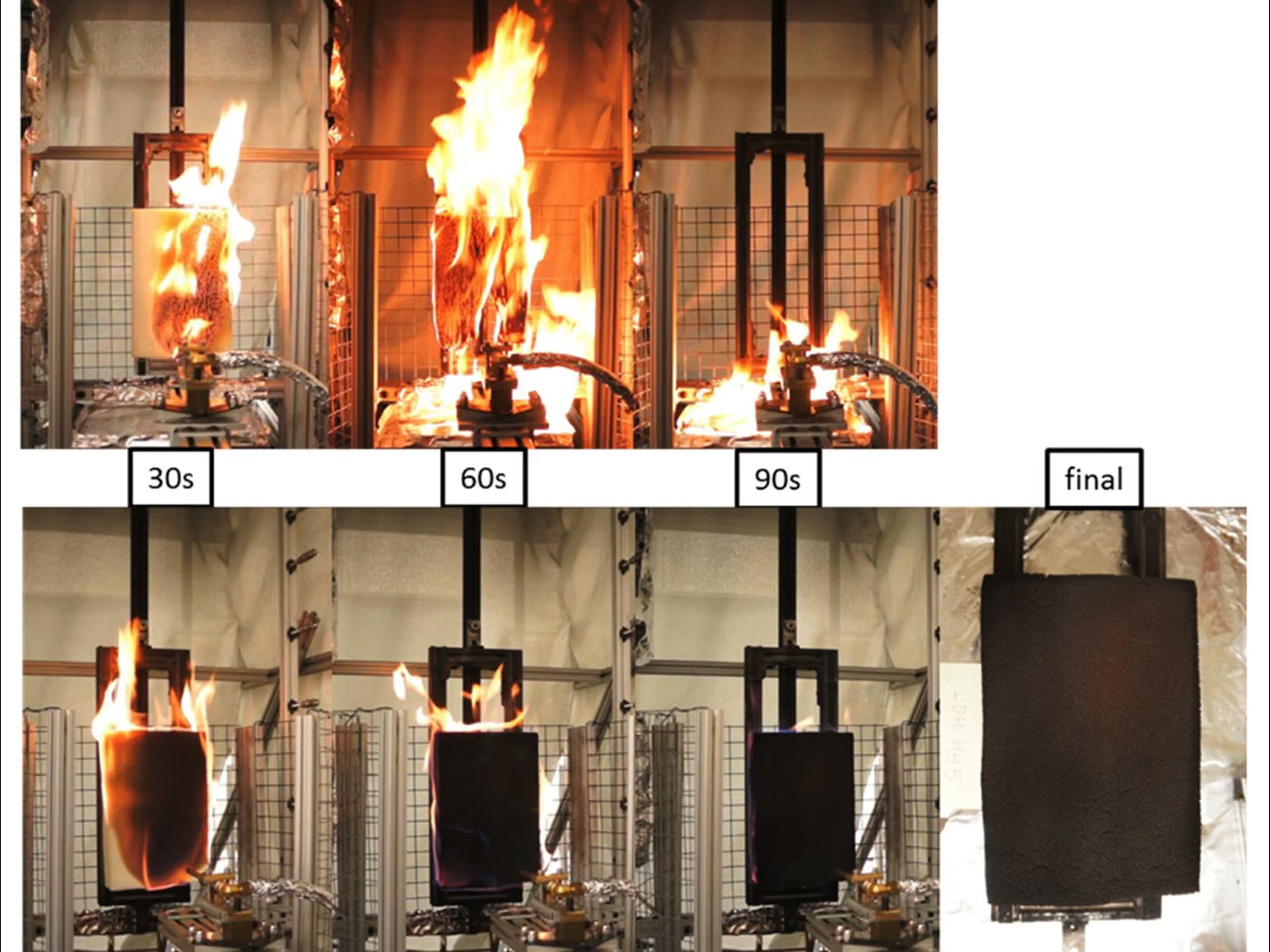
Flammability testing measures how a material behaves when exposed to fire: does it ignite, does it sustain a flame, does it self-extinguish, does it drip, how much smoke does it produce?
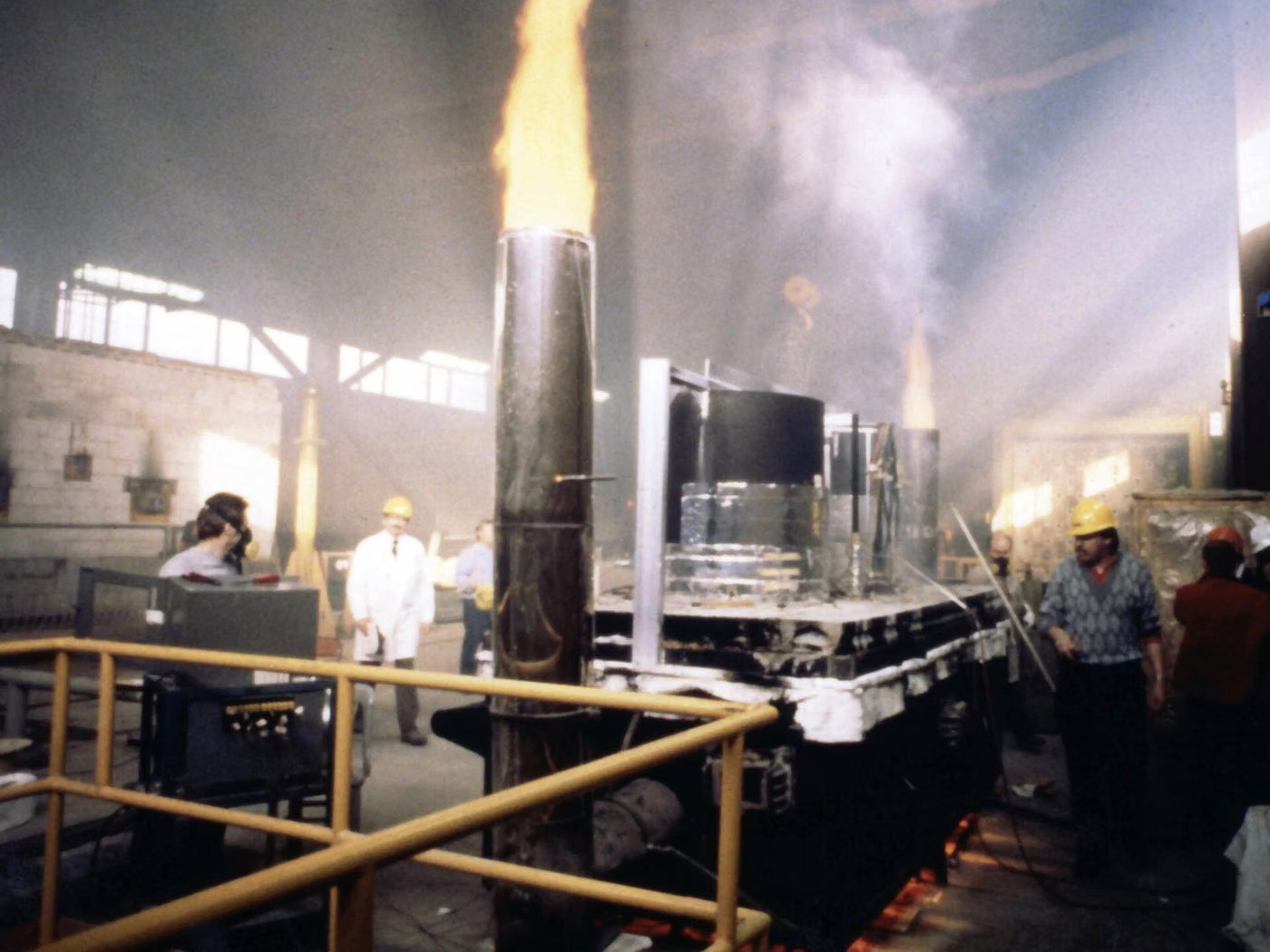
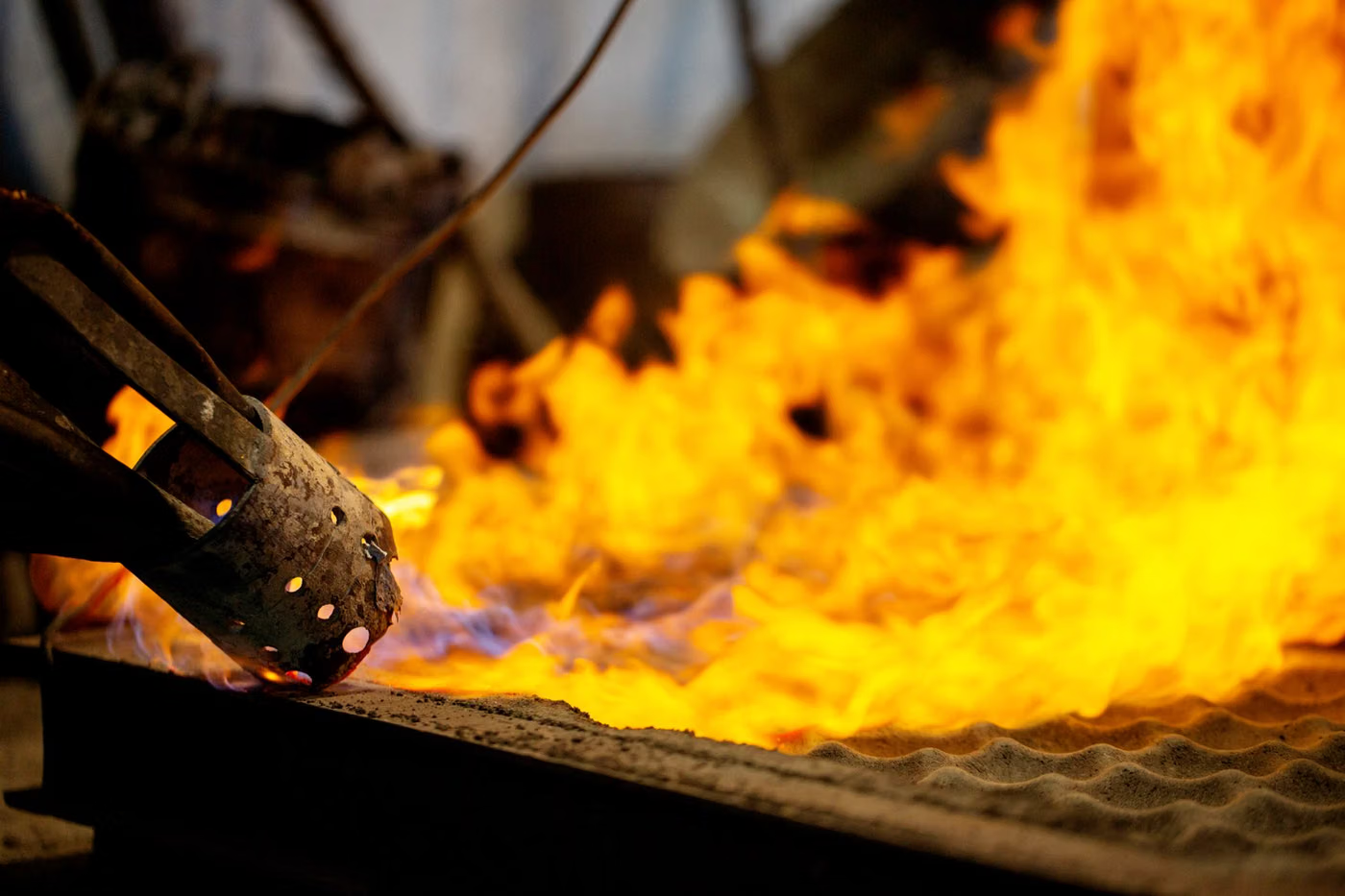
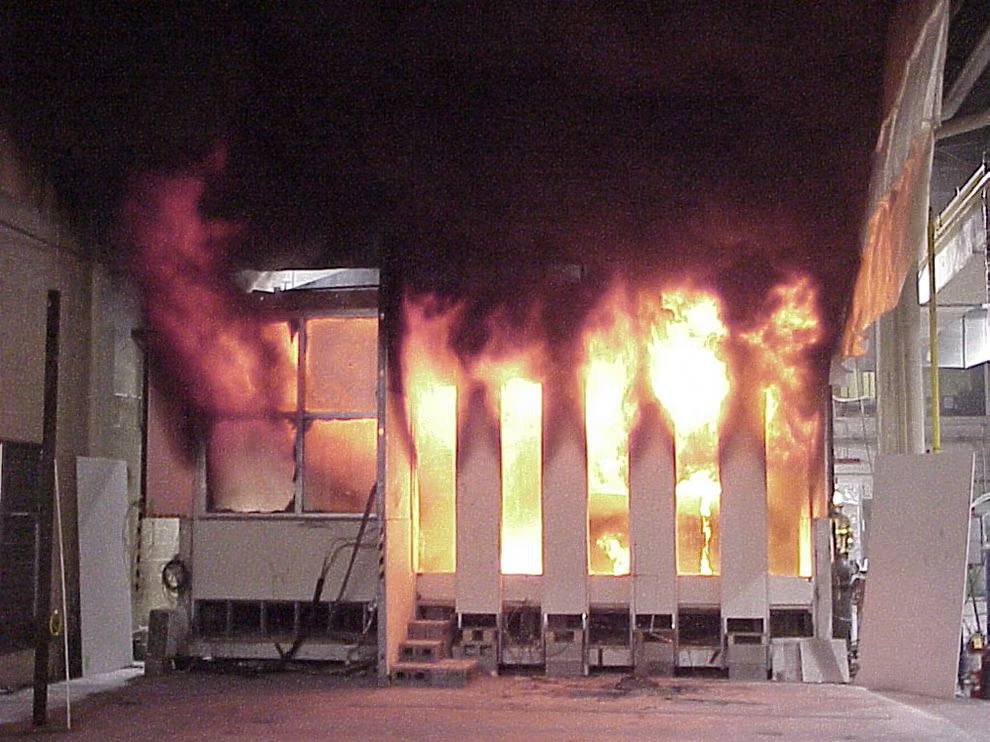
The category divides sharply by scale, and this division determines cost. SMALL FLAME tests are fast and economical for screening materials. MEDIUM SCALE tests measure heat release and come closer to real behaviour. LARGE SCALE tests (room corner, facade) show the behaviour of the system and are indispensable in critical applications.
The importance of scale is this: a material that self-extinguishes on a small specimen may sustain a flame over a large surface. The flame heats the neighbouring surface with the heat it produces and the spread accelerates — this feedback does not arise on a small specimen. A small-scale result is therefore not treated as evidence of large-scale behaviour.
Classification systems are REGIONAL and cannot be converted into one another. UL 94 applies to appliance plastics, EN 13501-1 to European construction products, ASTM E84 to North American construction products, EN 45545 to rail systems and IMO requirements to marine. A class obtained in one system cannot be used in another.
Dripping is a separate risk mechanism and appears as a separate item in most classifications: a material that melts and drips carries the flame to lower floors or to the material beneath it. A material may be good in terms of flame spread and unacceptable in terms of dripping.
Commonly confused in this field
- A small-scale result is not evidence of large-scale behaviour.
- The UL 94, EN 13501-1 and ASTM E84 classes cannot be converted into one another.
- The class depends on material thickness and the mounting arrangement; a different thickness requires re-verification.
- A material that is good on flame spread may be unacceptable on smoke or dripping.
Which decisions these results support
- The fire class in the declaration of performance for construction products
- Material selection for appliance enclosures and internal parts
- Approval of interior materials for rail vehicles, ships and aircraft
- Meeting project and regulatory requirements
Related standards
Sectors
In which sectors is Flammability Testing used?

Construction
Construction Materials Testing · Fire Testing · Mechanical Testing
Explore
Construction
Construction Materials Testing · Mechanical Testing · Fire Testing
Explore
Railway
Railway Testing · Fire Testing · EMC / EMI Testing
Explore
Electrical
Electrical Safety · EMC / EMI Testing · Environmental and Climatic Testing
Explore
Consumer Products
Mechanical Testing · Electrical Safety · Toy Testing
Explore





Flammability Testing quote
Tell us your product and the applicable standard; we'll share the timeline and sample requirements in writing.