
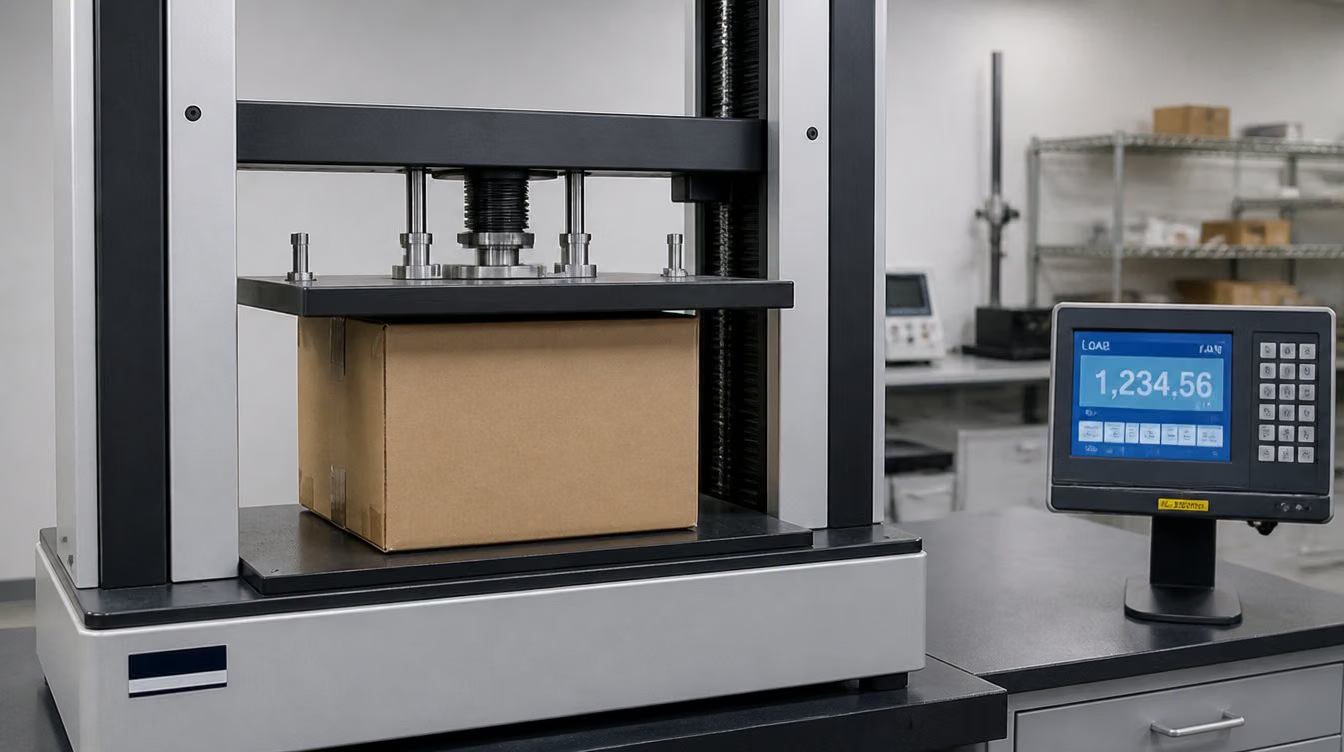
About the Standard
Scope title: parcel delivery simulation of packaging
ISTA 3A is held in the library in code form; it may be a market access mark, a sector scheme or the name of a piece of legislation — entries of this kind are not tied to a single standards organisation.
Coverage areas
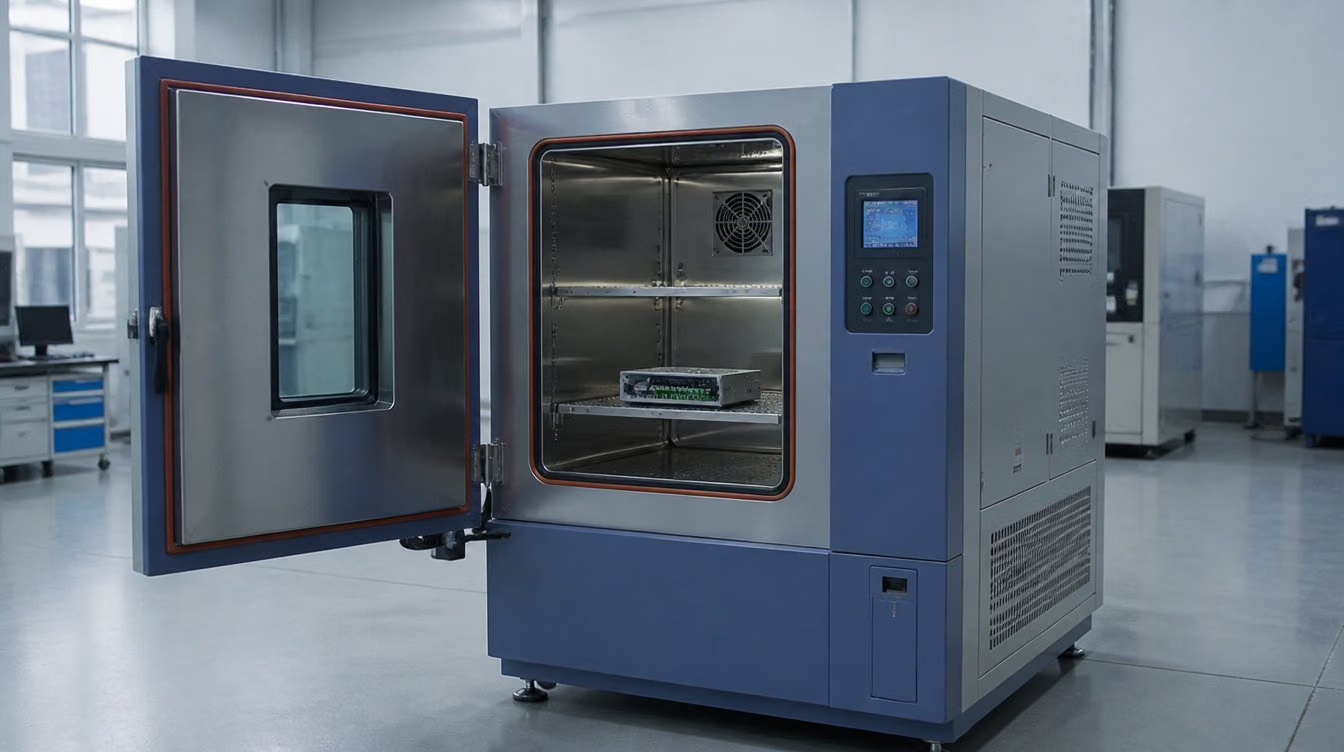
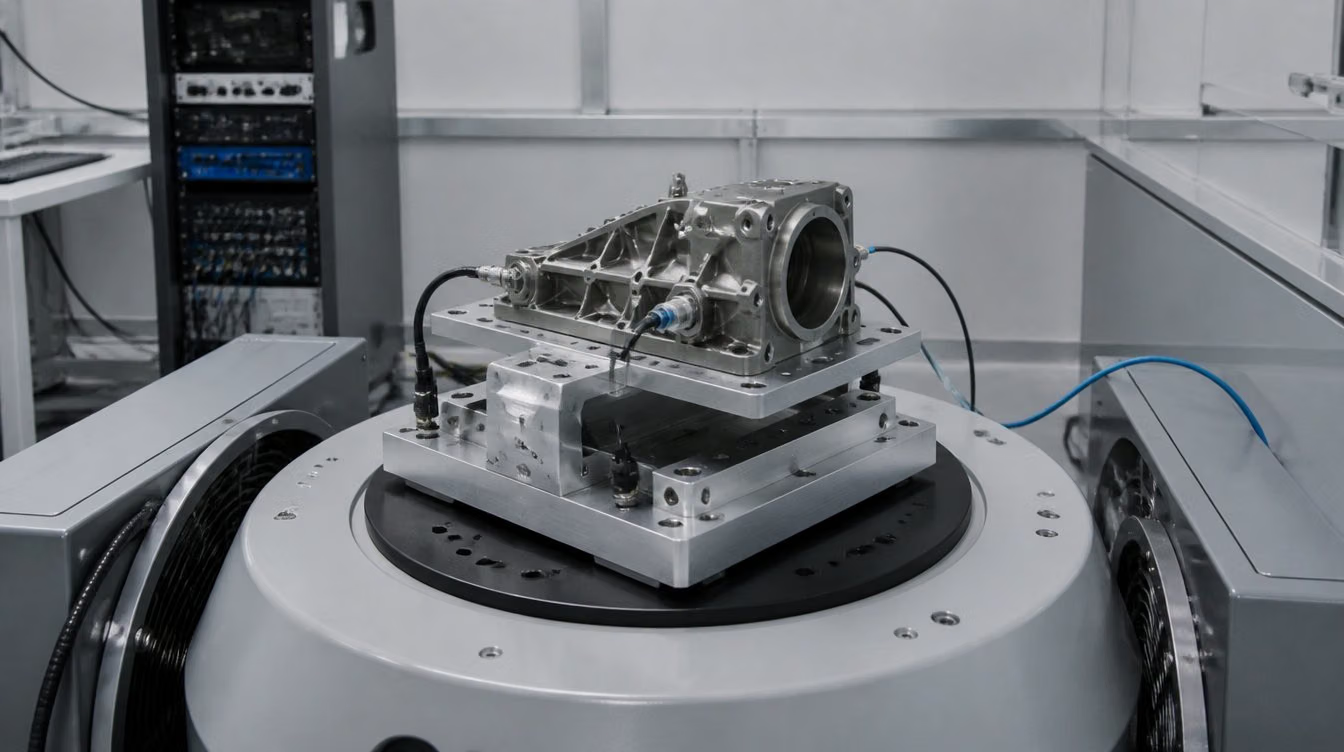

Standard-Based Tests — What Does This Group of Pages Cover?
The section below describes the field that code ISTA 3A belongs to; it is not the text of the standard or the regime itself. The scope title of the code is given above, and technical requirements are shared at the quotation stage.
Standard-based tests are test pages whose address comes from a standard number. What the user is looking for is often not the name of the test but the code written in their specification: not "salt spray test" but "ASTM B117", not "drop test" but "IEC 60068-2-31", not "vibration" but "MIL-STD-810 Method 514".
This preference reflects the reality in the field. An engineer sees a code in the specification received from a customer and searches for that code; they do not need to know the name of the test. The code is the identity of the test and distinguishes the different adoptions of the same test by different bodies.
This group addresses the different adoptions of the SAME TEST separately. The same physical phenomenon may be published under different numbers by ISO, ASTM, EN, IEC, DIN and JIS. Even where the numbers are the same (as with ISO 6892-1 and EN ISO 6892-1), specimen preparation, conditions, calculation details and reporting may differ; adoptions may carry national annexes. The code written in the specification therefore governs, and "similar" is not accepted.
Searching at code level meets a different need from searching at scope level. A user searching for "corrosion testing" wants to learn about the field; a user searching for "ASTM B117" has a specification in hand and wants to know the feasibility, duration and price of that test. Two different intents require two different page structures.
The page for a code describes the scope of that code, the test field it belongs to, the product groups in which it is required and how it differs from neighbouring codes. Test conditions, durations and acceptance criteria are NOT CARRIED: these are defined in the copyrighted text of the standard and in the product specification. This boundary is a deliberate choice; a wrong duration or acceptance criterion means directly incorrect work.
Different parts of the same code and different adoptions of the same number are linked between pages. A user searching for IEC 60335 also sees 60335-2-40; a user searching for ISO 6892-1 also sees the EN ISO 6892-1 and DIN EN ISO 6892-1 adoptions. These links are derived from the number of the code rather than written by hand.
The edition year is NOT CARRIED in the library. It is held as "ASTM D638" rather than "ASTM D638-22", because the edition in force changes over time and the address of the page should not age with the edition. If a year is stated in your specification, that edition governs; if not, the most current edition is applied.
Method groups in this field
Searching by code
Direct search for the code written in the specification; it is found in the library with its code, scope title and issuing body.
Searching by scope title
A test whose code is not known is searched by its subject; a search for "salt spray" brings up the related codes.
Series and part relationships
The other parts of the same series are shown, derived from the number of the code.
Adoption relationships
Different bodies' adoptions of the same number are matched; the claim is kept limited to "the same number".
Superseded codes
Withdrawn codes are not held in the library but, when searched for, the user is directed to the counterpart in force.
Commonly confused in this field
- Different adoptions of the same number are not identical texts; they may carry national annexes.
- The code written in the specification governs; a technically similar code cannot be substituted.
- If an edition year is stated, that edition is applied; the most current edition is not automatically accepted.
- A code page carries no test conditions or acceptance criteria; these are in the copyrighted text of the standard and in the product specification.
- A part code (for example -2-40) may not be sufficient on its own; the general part of the series is applied as well.
Which decisions these results support
- Matching the code written in the specification to the correct laboratory scope
- Distinguishing between equivalent adoptions
- Clarifying the scope and edition at the quotation stage
- Finding the current counterpart of withdrawn codes
Scope
- Test
- Standard-Based Tests
Related Tests and Services
Of the 2 pieces of content this code is referenced in, the 1 with their own published page are listed below.
Test · 1
Technical Requirements
Standard texts are copyright of the relevant organization; test condition, sample and acceptance criteria cannot be fitted here.
Technical requirements specific to your product, once we clarify the scope At offer stage shared in writing.
Related Standards
Frequently Asked Questions
Is this standard mandatory for my product?
Whether it is mandatory depends on the product group, the target market and the applicable legislation. Once you tell us your product and market, we clarify in writing whether this standard is required.
How long does the test process take?
Duration depends on the scope of the standard, the number of specimens and current capacity. The exact duration is shared, together with the specimen and scope details, at the quote stage.
Do you issue certification against this standard?
Which activity is carried out under which accreditation scope is separately confirmed at the application stage. Up-to-date scope information is published on our corporate page.
What happens if the standard I need is not here?
The library is based on a continuously growing inventory. If you cannot find the code you are looking for, you can send it through the quote form; we will assess the relevant scope and get back to you.