Overview
Leather sector: an overview of conformity processes
For leather products, restricted substances such as chromium VI, azo dyes and DMF are regulated under REACH Annex XVII. On the physical-durability side, EN ISO leather and footwear standards apply.
How we work
Six steps from scope to certificate
Scope
We determine your product, target market and sector; the required legislation list is produced.
Quote
Testing and audit items are priced separately; the quote is delivered within 24 hours.
Sample / Planning
Sample requirements are shared, or an on-site audit is scheduled.
Testing & Audit
Testing or audit is carried out according to the method of the relevant standard.
Report & Document
A report is issued; if within certification scope, the process proceeds to the decision stage.
Maintaining the validation
Surveillance audits and legislative changes are tracked.
Product groups
Leather sector: what do we test?
- 01Raw and processed leather
- 02Leather apparel and accessories
- 03Footwear leather
- 04Upholstery leather
- 05Synthetic leather products
Services
The work we carry out in this sector
From testing laboratories to inspection, surveillance, audit, verification and calibration — all the services the Leather supply chain needs are under one roof.
All services



Standards
Standards referenced by the sector
Content is linked to standards based on the product's intended use, target market and technical characteristics.
- ASTM F2413Performance conditions for protective footwear
- EN ISO 17070determination of pentachlorophenol in leather
- EN ISO 20345safety shoe requirements
- EN ISO 20347work shoe requirements
- ISO 11640fastness to skin rubbing back and forth
- ISO 17075determination of chromium (VI) in leather
- ISO 17234determination of aromatic amines from azo colorants in leather
- ISO 18219short chain chlorinated paraffins in the skin
- ISO 20344Test methods for personal protective footwear
- ISO 20345safety shoes
- ISO 3376tensile strength and elongation in leather
- ISO 3377skin tear load
- ISO 4045determination of pH in leather
- ISO 5402elastic strength of leather
- 16 CFR 1610flammability of clothing textiles
- 16 CFR 1630Flammability in carpets and rugs
- 16 CFR Part 1203Safety specification for bicycle helmets
- 16 CFR Part 1610Flammability in clothing textiles
- 16 CFR Part 1615flammability in children's pajamas (size 0–6X)
- 16 CFR Part 1616flammability in children's pajamas (size 7–14)
- 16 CFR Part 1630Flammability in carpets and rugs
- AATCC 100antibacterial finishing effectiveness in textile
- AATCC 107color fastness to water
- AATCC 118oil repellent feature on fabric
- AATCC 124Wrinkles in fabric appearance after washing
- AATCC 135Dimensional change in washing
- AATCC 15color fastness to sweat
- AATCC 16color fastness to light
- 16 CFR 1303lead in surface coatings
- ASTM D4236chronic health hazard labeling on art materials
- ASTM D5116Determination of organic emissions from indoor materials
- BS 6920Suitability of materials in contact with drinking water
- EN 12457leaching experiment in the characterization of waste
- EN 12472Nickel release after wear and corrosion in plated products
- EN 12619total gaseous organic carbon in flue gas
- EN 12873Effect of materials coming into contact with drinking water
- EN 13284Determination of dust in stationary source emissions
- EN 13432compostability and biodegradability of packaging
- EN 13650aqua regia extractable element in fertilizers
- EN 14181Quality assurance of automatic measurement systems for stationary source emissions
- EN 14789determination of oxygen in flue gas
- EN 14790determination of water vapor in flue gas
Certification
Documents that enable your product to reach the market
Global Market Access
Leather which market will you offer your product to?
Leather when offering products to different markets, technical legislation, tests, documents and conformity requirements may vary by country and region.
View all markets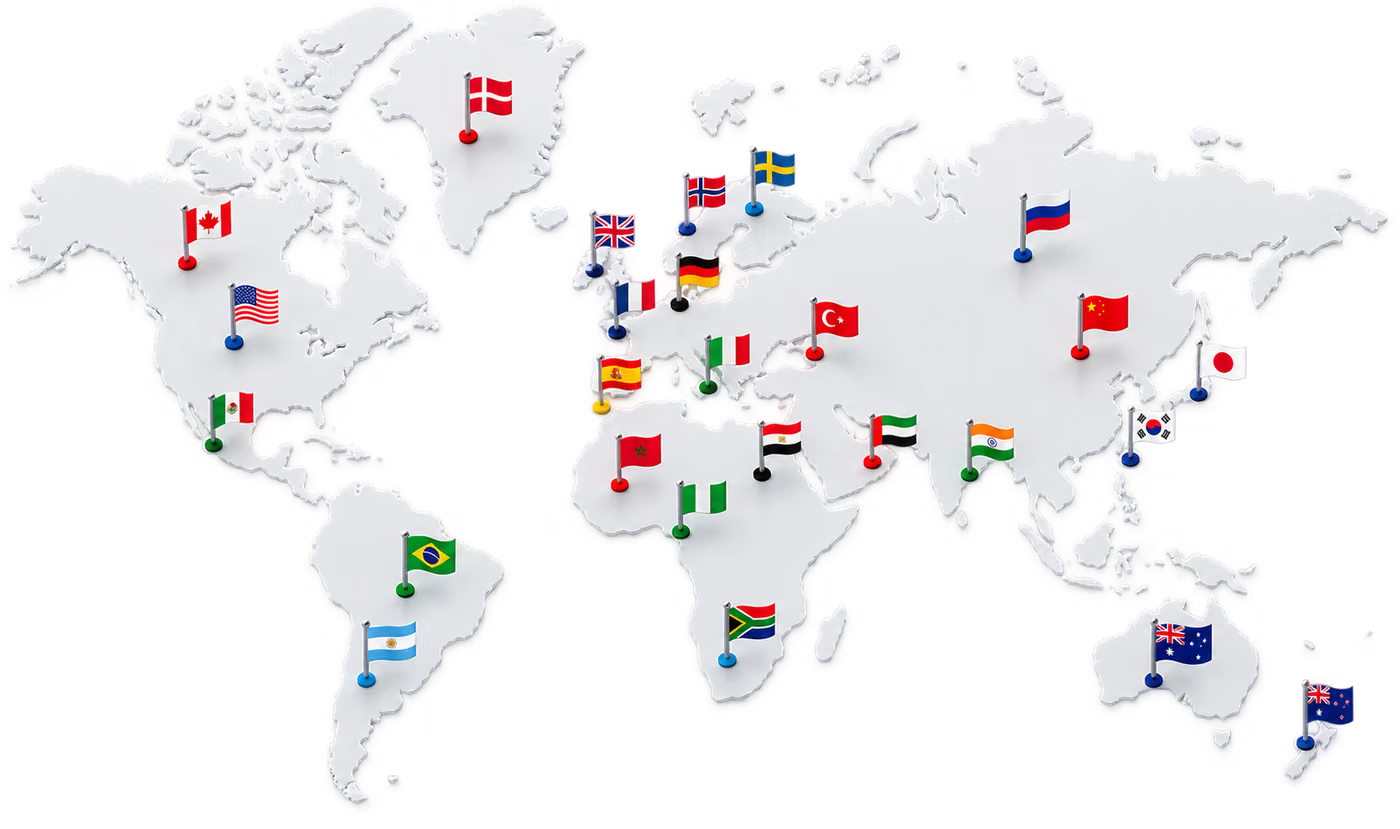
Explore other sectors