
What Is Inspection?
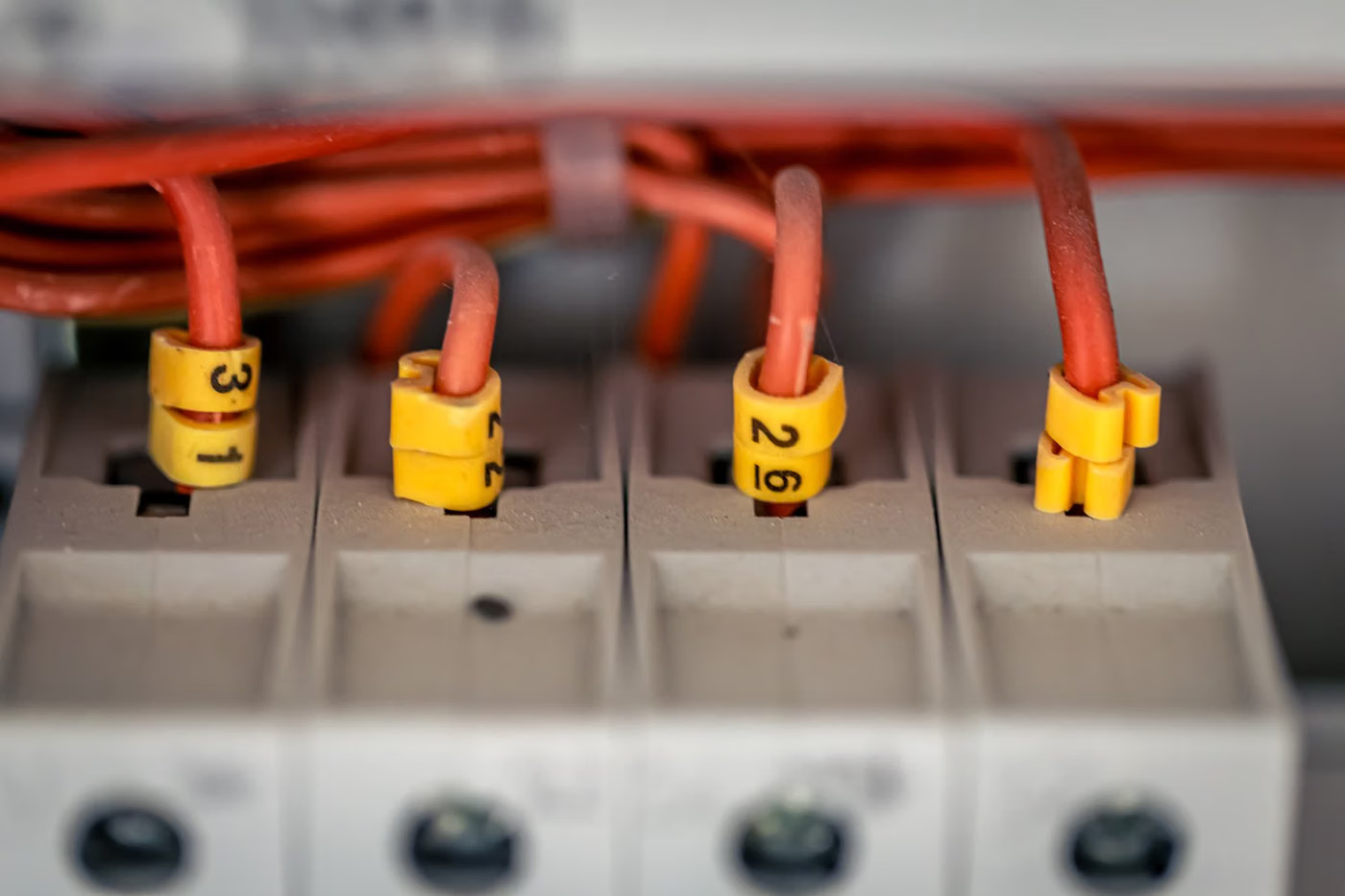
Switchboard inspection is the structural, electrical and safety assessment of distribution and control boards. The board is where faults in an installation concentrate: loose connections, overloading and wrongly selected protection all accumulate here.
Why Is It Done?
The aim is to prevent fire and electric shock originating in the board, and to verify that protective devices are correctly selected and that protection against contact is provided for those who access the board.
Which Equipment Is Covered?
- Main distribution panels (MDP)
- Sub-distribution panels
- Motor control centres (MCC)
- Power-factor correction panels
- Site and portable panels
Legal Basis and Interval
For electrical installations and protective systems the inspection interval follows the applicable electrical installation legislation and the risk class of the environment. In high-risk installations — explosive atmospheres, damp locations, construction sites — the interval is markedly shorter. Every substantial alteration to the installation calls for a new inspection.
Scope of Inspection
- Panel enclosure: ingress protection (IP) rating, locking, gaskets, mechanical damage
- Touch safety: access to live parts, covers and barriers
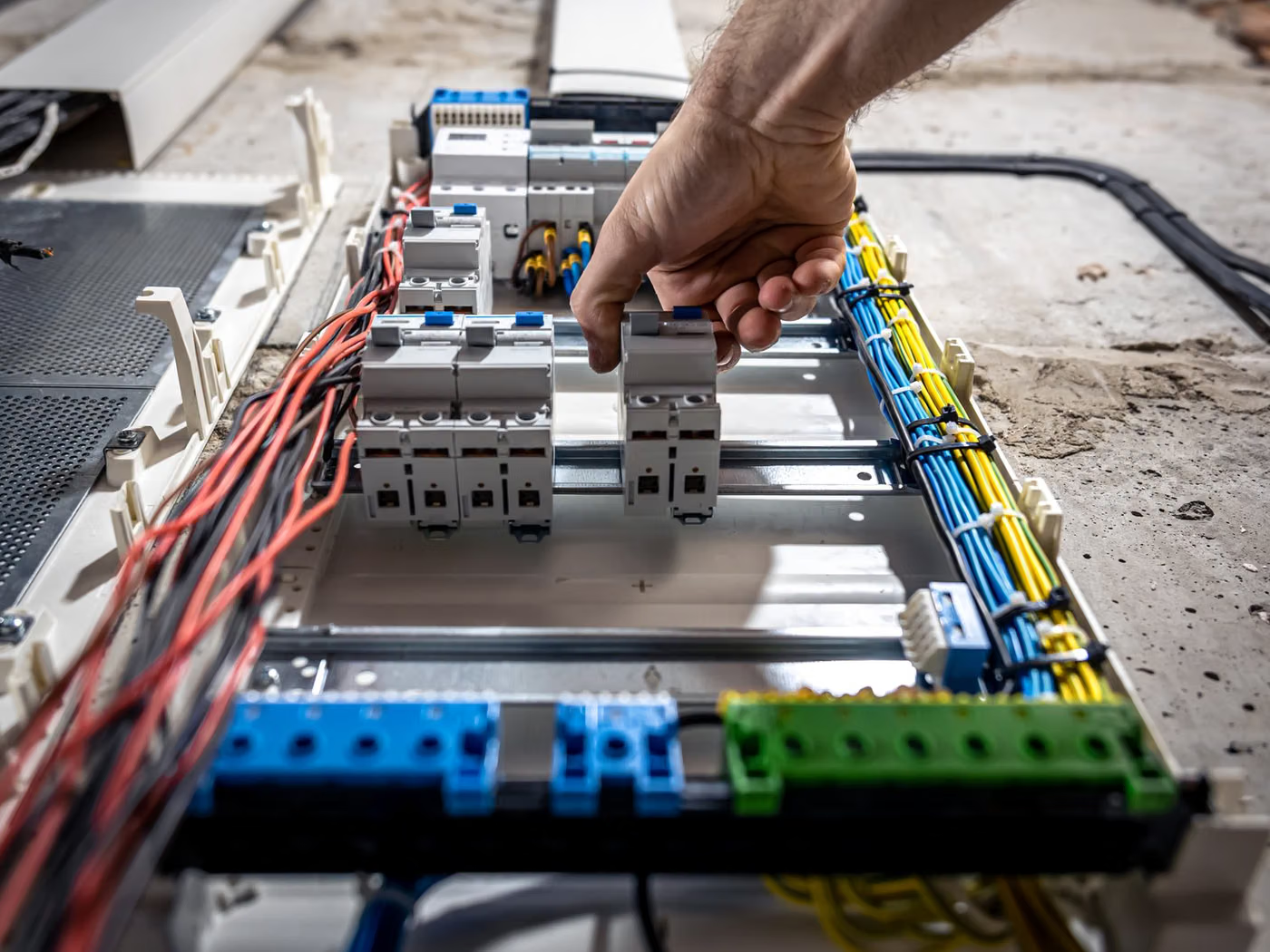
- Connection tightness and torque check
- Cable entries and exits, glands and cable ducts
- Selection and coordination (selectivity) of protective devices
- Busbar system and earthing bar
- Labelling, circuit diagram and warning signs
- Power-factor correction capacitors and reactors (if present)
- Internal heating and ventilation condition
- Thermal scan findings
Related Standards
- ISO/IEC 17020
- IEC 61439-1
- IEC 61439-2
- IEC 60364-6
- IEC 60529
Method and Equipment
- Thermal camera
- Torque wrench
- Insulation resistance tester
- Clamp meter and power analyser
- Calibrated multimeter
- IP test probes (when required)
Inspection Process
- 1Preliminary Information and PlanningThe single-line diagram, panel list, protective device data and installed capacity are collected; measurement points are defined.
- 2Visual InspectionPanel layout, conductor cross-sections, tightness of connections, labelling and protection against contact are checked visually.
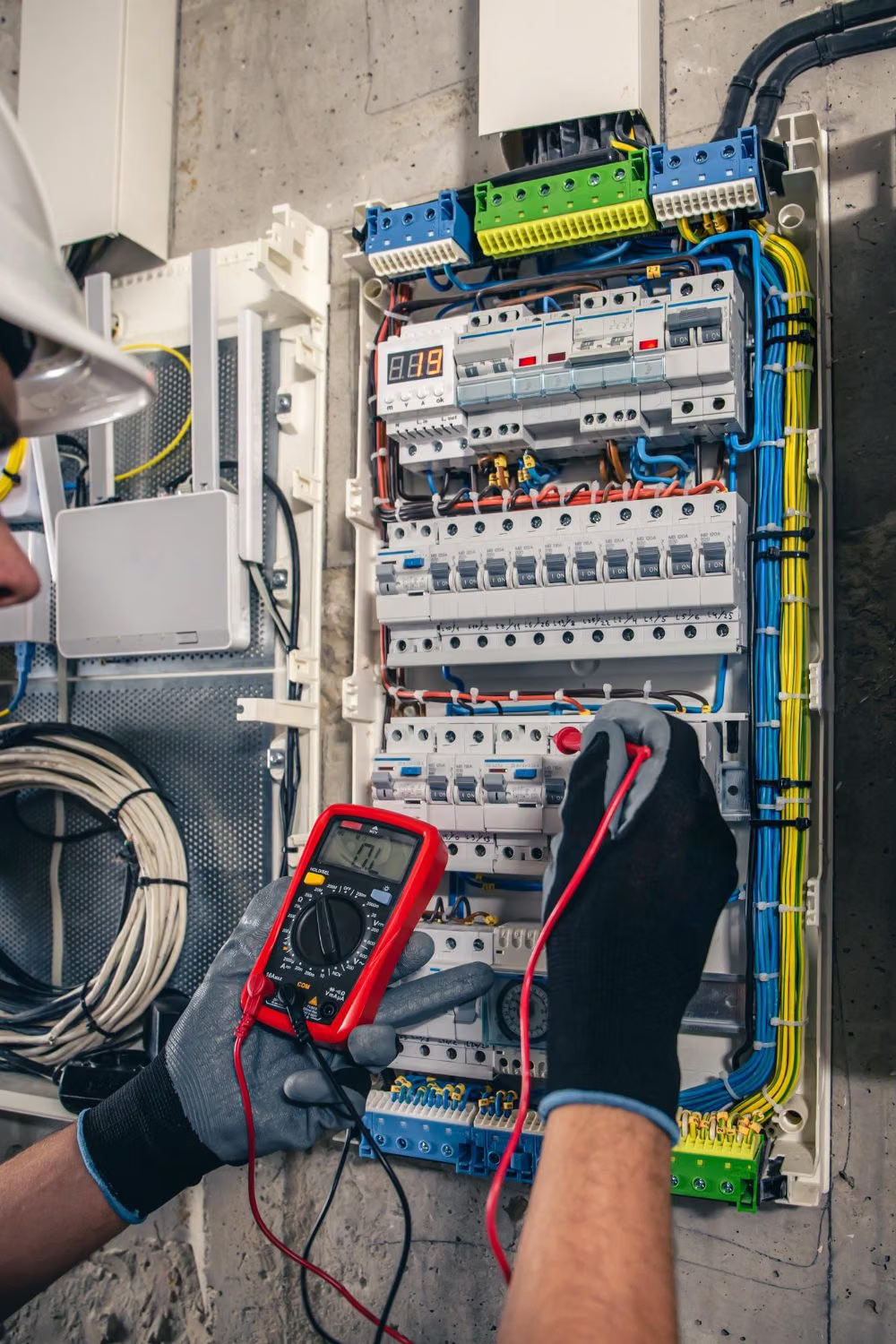
- 3MeasurementsUsing instruments with traceable calibration, earth resistance, insulation resistance, continuity, loop impedance and residual-current device trip values are measured.
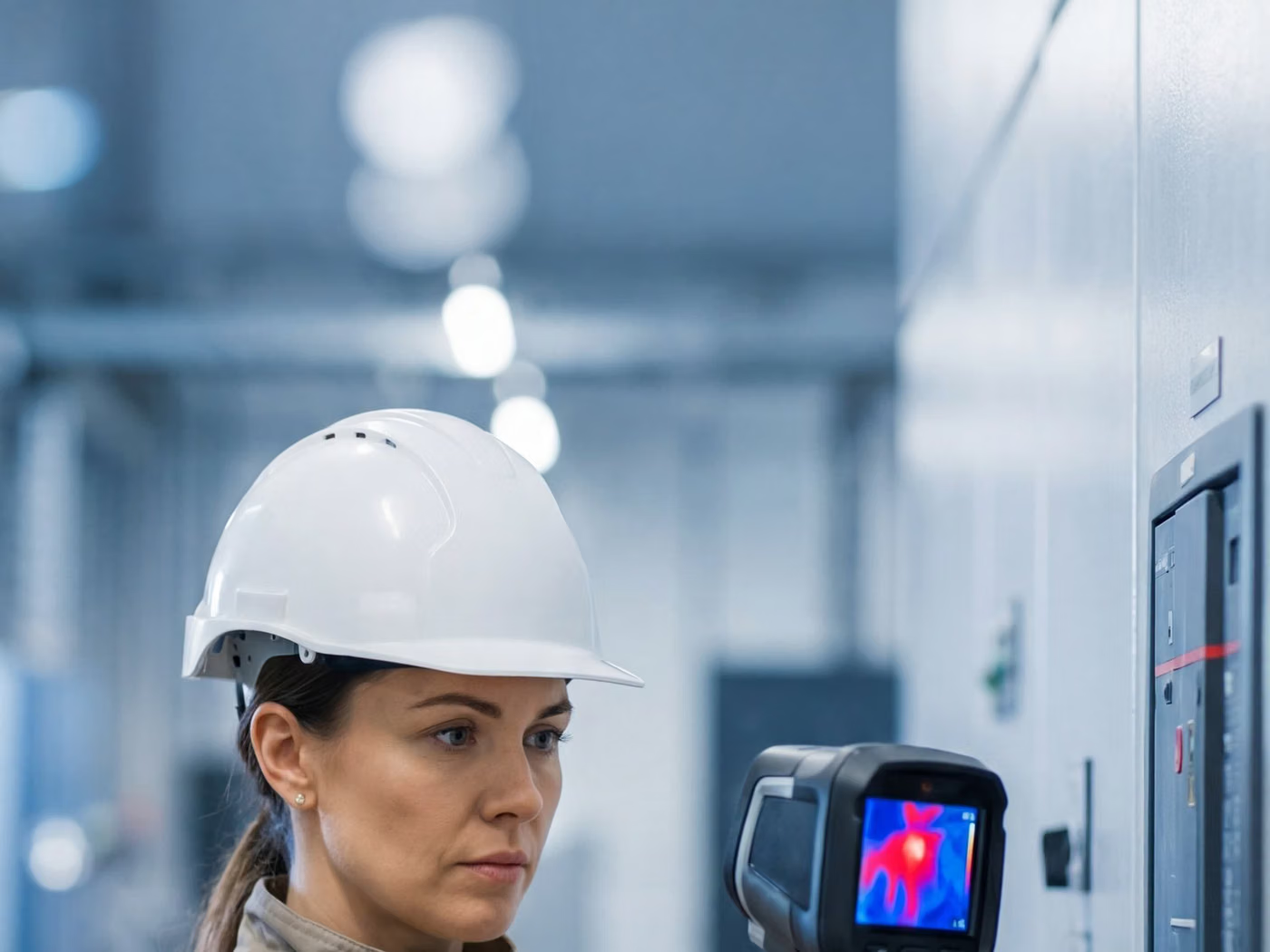
- 4Thermographic SurveyAbnormal heating at connections under load is surveyed with an infrared camera and graded against the reference temperature difference.
- 5AssessmentMeasured values are compared with the limits set by the relevant standard and by the design values of the installation.
- 6ReportingMeasurement tables, thermal images and the list of nonconformities are compiled into a report; corrective actions are proposed in order of priority.
Nonconformities
Direct access to live parts, wrongly selected protective devices and a high temperature difference found in the thermal scan are serious findings. Missing labelling and the absence of a circuit diagram are reported separately, because they create a risk of error during intervention.
Inspection Report
- Details of the inspection body and the inspection personnel
- Identification of the installation and scope of inspection
- Measuring instruments used and their calibration data
- Tables of measurement points and measured values
- Thermal images and assessment of temperature difference
- Comparison with limit values
- List of nonconformities and their priority order
- Conclusion and the next inspection date
Accreditation
Inspection activities are carried out under ISO/IEC 17020, which requires the impartiality of the inspection body, the competence of its personnel and the validity of the inspection methods. Under the impartiality rule, a party that maintains or repairs an item of equipment cannot carry out the independent inspection of that same equipment. EUROLAB holds internationally recognised accreditation under ISO/IEC 17020, granted by accreditation bodies that are signatories to the ILAC mutual recognition arrangement; because accredited scope is defined per inspection type, it is confirmed in writing at the quotation stage.
Scope and authorisationsRelated Inspections
Frequently Asked Questions
Why are connection torques checked?
Electrical connections loosen over time through heating-cooling cycles. A loosened connection's resistance increases, it heats up and can lead to a fire. Torque checking prevents this cumulative deterioration in a measurable way.
Why does the report state the calibration of the measuring instruments?
The result of an electrical inspection is not an observation but a measured value. For the measurement to be valid, the instrument must have been calibrated traceably; a measured value without calibration data cannot be defended.
Is the installation de-energised during the inspection?
Some measurements are made de-energised (insulation resistance, continuity) and others energised (loop impedance, residual current device, thermography). The inspection is therefore planned with both a short outage window and a period of operation under load.