

About the Standard
Scope title: evaluation of interactions with blood
ISO 10993-4 is a standard published by International Organization for Standardization (ISO). The international standards organisation; it publishes the widest body of management system, test method and product standards.
See the other 310 codes from ISOCoverage areas
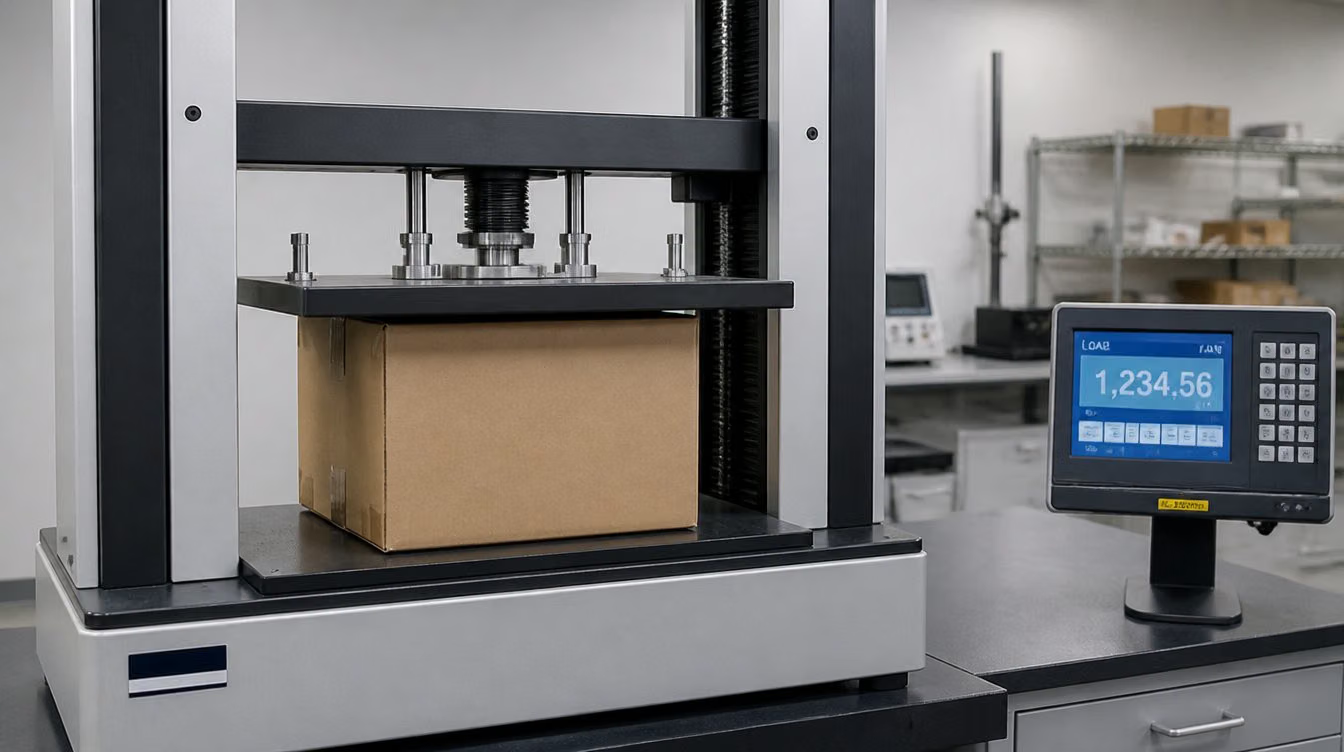
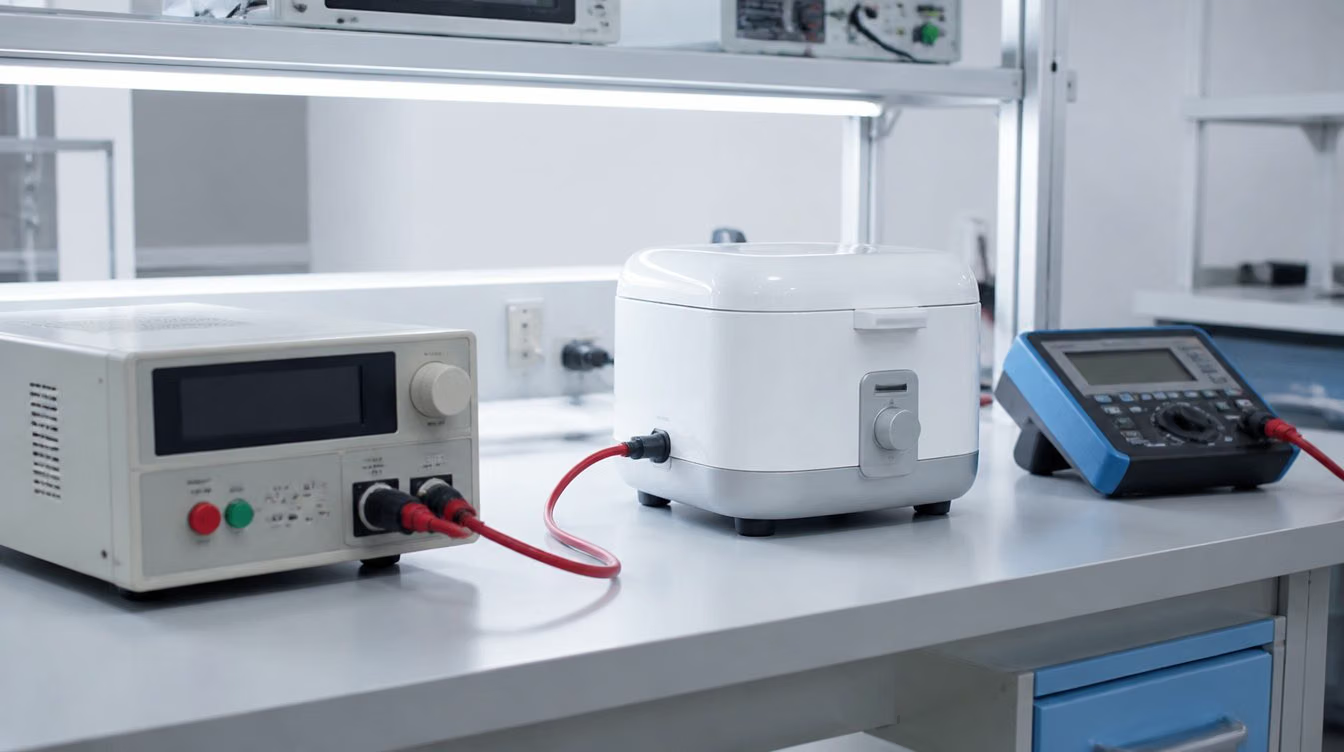
Medikal Cihaz Testleri — What Does This Testing Field Cover?
The section below describes the field that code ISO 10993-4 belongs to; it is not the text of the standard or the regime itself. The scope title of the code is given above, and technical requirements are shared at the quotation stage.
Medical device testing shows that a device is safe for the patient and the user and maintains its intended performance. In this family safety is not only about avoiding harm; a device failing to perform its expected function is also treated as a risk. A monitor missing an alarm or a pump delivering the wrong dose is directly a patient safety event.
At the centre of the field is RISK MANAGEMENT, and this is what sets medical apart from other sectors. The risk management process run under ISO 14971 also determines which tests are required. The test list is not copied from a table of standards; it is derived and justified from the device's intended use, the nature and duration of patient contact, the use environment and foreseeable misuse.
Assessment consists of several separate bodies of work, each with its own set of standards. Biocompatibility runs through the ISO 10993 series, electrical device safety through the IEC 60601 series, sterilisation through ISO 11135/11137/17665, packaging through ISO 11607, software through IEC 62304 and usability through IEC 62366. The quality system (ISO 13485) is the framework that binds these together.
Which tests are required is determined by the device's CLASS and its MODE OF CONTACT WITH THE BODY. A product in brief contact with skin and an implant entering the bloodstream do not go through the same test set; the scope is set by a biological evaluation plan prepared under ISO 10993-1. That plan justifies in writing which endpoints are required and why the others are not.
Packaging and sterilisation are taken as seriously as the device itself in this field. For a sterile device the packaging is not a transport container but the barrier that maintains sterility; if the barrier is breached, the device is no longer sterile. Packaging processes are therefore validated and shelf life is supported by real-time ageing data.
For devices containing software, assessment shifts from testing towards PROCESS assurance. IEC 62304 defines which development and verification steps must be followed according to the safety class of the software; the evidence is the traceability of the development process. Testing software does not make it safe — the process record does.
The clinical side is a separate column of the technical file. Test reports show that the device is technically safe; clinical evaluation establishes that the device delivers the intended clinical benefit and that the benefit-risk balance is acceptable. Neither replaces the other.
Method groups in this field
Biocompatibility
Cytotoxicity, irritation, skin sensitisation, systemic toxicity, haemocompatibility, genotoxicity and local effects after implantation. The required endpoints are set by the ISO 10993-1 plan.
Electrical device safety
IEC 60601-1 basic safety and essential performance; EMC, alarm, usability and environmental requirements through the collateral standards.
Sterilisation validation
Validation of sterilisation processes by ethylene oxide, radiation or moist heat; bioburden and sterility assurance level studies.
Packaging
Integrity of the sterile barrier system, seal strength, distribution simulation and shelf-life studies.
Microbiological tests
Bioburden determination, sterility testing, bacterial endotoxin and, where required, carrier validation studies.
Software and usability
IEC 62304 life cycle evidence and use-error focused evaluation under IEC 62366.
Commonly confused in this field
- Cytotoxicity alone is not evidence of biocompatibility; the required set of endpoints is determined and justified according to ISO 10993-1.
- An ISO 13485 certificate does not confer CE marking; classification under the MDR, the technical file and the notified body process run separately.
- Accelerated ageing does not replace real-time ageing; a shelf life claim is supported by real-time data.
- A change of material (supplier, pigment, sterilisation method) may require the biological evaluation to be repeated; it is not a silent change.
- An assessment made without the collateral and particular standards for IEC 60601-1 is incomplete; which -1-x and -2-x standards were applied must appear in the report.
- In vitro diagnostic devices fall under the IVDR rather than the MDR, and laboratory equipment is often on the IEC 61010-1 side.
Which decisions these results support
- MDR/IVDR technical file and notified body assessment
- Completing the biological evaluation plan
- Sterilisation and packaging validation
- Determining shelf life and storage conditions
- Determining the scope of reassessment after a design change
Structure of the Code
- Published by
- ISO
- Serial number
- 10993
- Part
- 4
The last "4" is the section number of the standard. Chapters organize different coverages of the same series; The requirements of whichever section is written in the specification are applied.
Codes in the library without release year is kept. The current version changes over time; If the year is specified in your specification, that version is taken as basis, if not specified, the most current version is applied.
Scope
- Test
- Medical Device Testing
- Medical Device Testing
Related Tests and Services
Of the 2 pieces of content this code is referenced in, the 1 with their own published page are listed below.
Test · 1
Technical Requirements
Standard texts are copyright of the relevant organization; test condition, sample and acceptance criteria cannot be fitted here.
Technical requirements specific to your product, once we clarify the scope At offer stage shared in writing.
Relevant Product Groups and Legislation
This code is included in the standard tag of the product pages below.
These product pages carry notes for the following markets: European Union, United Kingdom, USA. Whether the standard is mandatory in the relevant market varies depending on the product group and the applicable legislation.
Regulations published with this code on the same product pages:
- (EU) 2017/745MDRThe Medical Device Regulation. Classification (I, IIa, IIb, III), clinical evaluation, technical documentation and post-market surveillance obligations; the notified body's role grows as the class rises.
- (EU) 2017/746IVDRThe In Vitro Diagnostic Medical Devices Regulation. In vitro diagnostic devices fall under this regulation instead of the MDR.
- (AB) 2017/745 art. 33EUDAMEDThe European medical device database. From 28 May 2026, the actor registration, UDI/device, certificate and market surveillance modules are mandatory; placing on the market is not possible without a valid SRN.
- 2006/42/ATMachinery Directive (overlap)Relevant essential requirements also apply to medical devices that also qualify as machinery.
- 2011/65/EURoHSRestriction of hazardous substances in electrical and electronic equipment.
- (EC) 1907/2006REACHRegistration, evaluation, authorisation and restriction of chemicals; SVHC notification.
Other Parts of the Same Series
ISO 10993 series is also present in the library with the following parts.
- ISO 10993biological evaluation of medical devices
- ISO 10993-3genotoxicity, carcinogenicity and reproductive toxicity
- ISO 10993-5in vitro cytotoxicity
- ISO 10993-6local effects after implantation
- ISO 10993-10skin sensitization assessment
- ISO 10993-11systemic toxicity
- ISO 10993-12sample preparation and reference materials
- ISO 10993-18chemical characterization of materials
- ISO 10993-23irritation assessment
Related Standards
Frequently Asked Questions
Is this standard mandatory for my product?
Whether it is mandatory depends on the product group, the target market and the applicable legislation. Once you tell us your product and market, we clarify in writing whether this standard is required.
How long does the test process take?
Duration depends on the scope of the standard, the number of specimens and current capacity. The exact duration is shared, together with the specimen and scope details, at the quote stage.
Do you issue certification against this standard?
Which activity is carried out under which accreditation scope is separately confirmed at the application stage. Up-to-date scope information is published on our corporate page.
What happens if the standard I need is not here?
The library is based on a continuously growing inventory. If you cannot find the code you are looking for, you can send it through the quote form; we will assess the relevant scope and get back to you.