
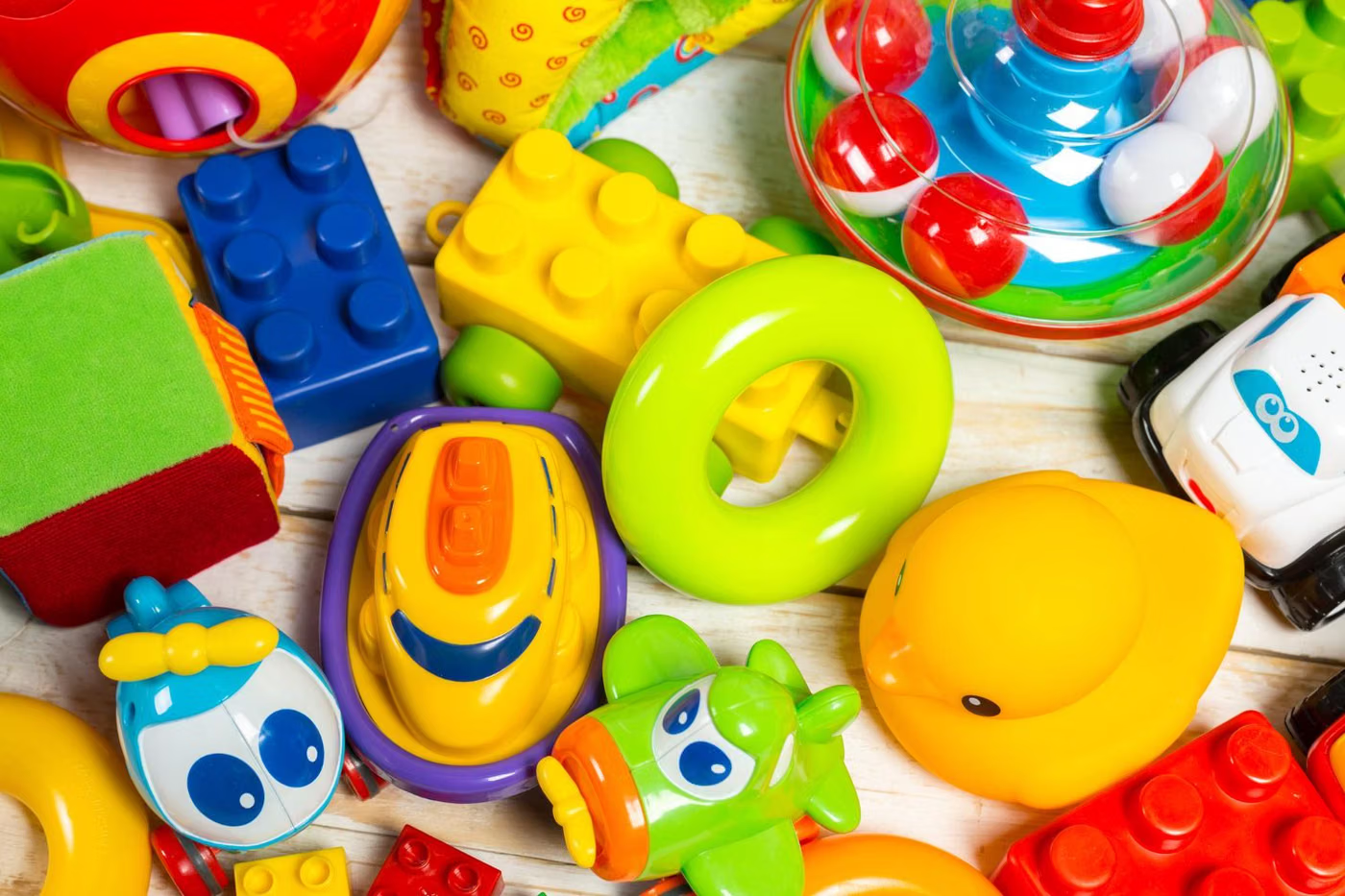
consumer product
Toy testing and certification
A product designed for use by children under 14.
Toy — conformity scope
For toys, the safety assessment covers mechanical and physical properties, flammability, chemical content and — for electric toys — electrical safety. The age group and small-parts status change which set of requirements applies.
The list below is the European Union framework. The same product falls under a different mark and approval regime in another market; Smart Service Finder shows that market's requirements when you select it.
Regulation
Toy legislation that typically comes into play for
The following is the European Union framework and shows typical application. Which title actually applies depends on the class, intended use and components of the product; The scope is determined by examining the product.
The Toy Safety Directive. Regulates mechanical, physical, flammability, chemical and electrical safety requirements together; a technical file and safety assessment are mandatory.
Safety for electric toys; applies to mains-connected or battery-powered toys.
Registration, evaluation, authorisation and restriction of chemicals; SVHC notification.
Restriction of certain phthalates in toys and childcare articles.
Battery obligations and a removability requirement for toys containing a battery.
Restriction of hazardous substances in electrical and electronic equipment.
Standards
Standards typically referenced in the dossier
What is required?
Each item links to the relevant service page: the legislation entry to the certification scheme, the test family to the laboratory page, and the mark to the market page.
European Union — required mark
3- CE — European UnionThe umbrella for entering the EU market; all regulations applicable to the product are met.
- RoHS — European UnionRestriction of hazardous substances in electrical equipment; part of the CE declaration.
- REACH — European UnionChemical legislation — not covered by CE, but affects almost all products.
Required legislation
4- General Product Safety Regulation (GPSR)
- Toy Safety DirectiveProducts within toy scope
- REACH
- POPs Regulation
Required tests
5- Mechanical TestingMechanical and physical safety
- Fire TestingAlevlenebilirlik
- Toy TestingChemical migration and small parts
- Textile Testing
- Furniture Testing
Required certificates
2- Toy Safety (CE) Certification
- Declaration of conformity based on the test report
What must be in the technical file
6- Technical file and risk assessment
- The EU declaration of conformity
- Age group declaration and warning texts
- Traceability information (batch, manufacturer, importer)
- Details of the responsible person established in the EU (GPSR)
- Details of the authorised representative or importer established in the EU
How does the process work?
The flow below is a general order independent of product type; timing and acceptance criteria are determined by the standard the product falls under.
 1
Defining the scope
It is determined which legislation the product falls under based on its technical characteristics and intended use.
 2
Testing and evaluation
Tests are planned for the applicable headings; results are evaluated according to the relevant standards.
 3
Technical file
Design, production and test records are compiled in the technical file, accompanied by a risk assessment.
 4
Declaration or certificate
Depending on the product group, the manufacturer's declaration is prepared or third-party certification is carried out.
Toy which market is it going to?
Who bears the obligation, where the test will be performed, and what customs will require all vary by market.








What changes depending on the market?
Same product, different regimen
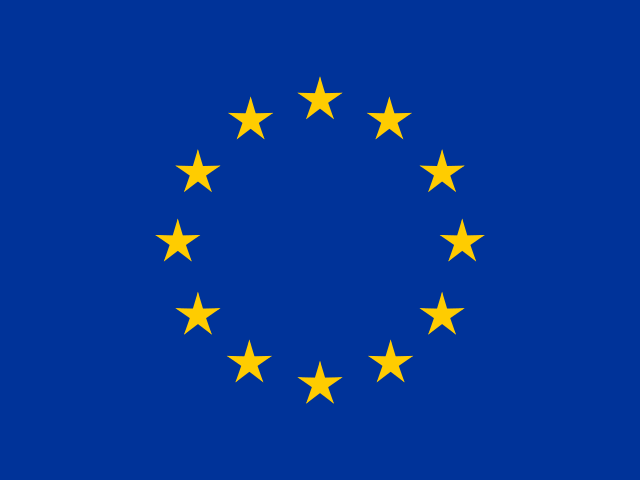
- European UnionThe CE mark is issued under 2009/48/EC; a presumption of conformity is provided by applying the EN 71 series. An EU type-examination is required for aspects not covered by a harmonised standard.
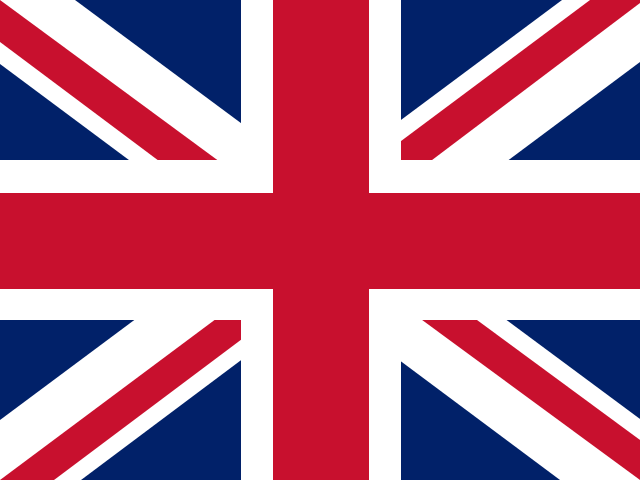
- United KingdomThe UKCA regime carries the same technical requirements into its own legislation; CE marking is recognised indefinitely for many product groups.
- United StatesLead and phthalate limits under CPSIA, the mandatory ASTM F963 consumer safety specification, and third-party laboratory testing with a certificate (CPC) before the CPSC are required.
Products in the same group



Toy — let's work out the scope together
Share the product's technical characteristics; let us tell you in writing which headings apply to your scope and which tests are required.
This result is a starting roadmap, not a conformity assessment. Which legislation a product falls under depends on its technical characteristics, intended use and user group; it is only finalised by examining the product. You may have an obligation not shown in the list, and an item shown here may not apply to your product.