
Food
food product testing and certification
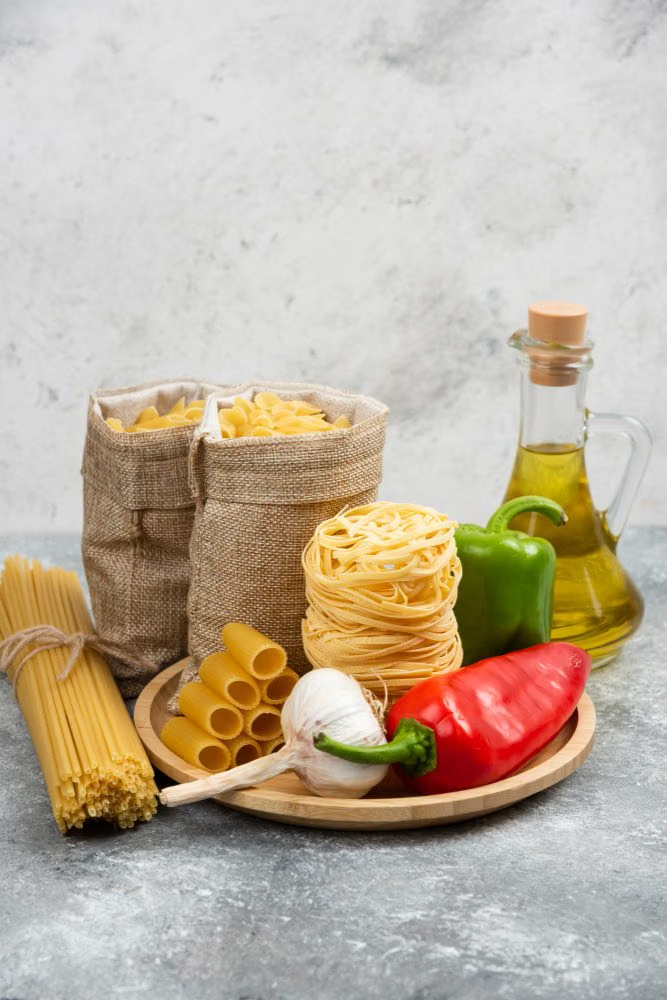
A food product intended for human consumption.
food product — conformity scope
For food, conformity is built both through product analyses (microbiology, residues, additives, nutritional value) and through system certification of the production site. Labelling and nutrition declaration apply, and for exports, the target country's own permit and certificate regime applies separately.
The list below is the European Union framework. The same product falls under a different mark and approval regime in another market; Smart Service Finder shows that market's requirements when you select it.
Regulation
food product legislation that typically comes into play for
The following is the European Union framework and shows typical application. Which title actually applies depends on the class, intended use and components of the product; The scope is determined by examining the product.
The general principles of food law, traceability and food safety responsibility.
Hygiene rules for food businesses and the obligation for a HACCP-based system.
Food labelling; nutrition declaration, allergen information and origin information.
Maximum levels of contaminants in food.
Maximum residue limits in food of plant and animal origin.
Microbiological criteria for foodstuffs.
Standards
Standards typically referenced in the dossier
What is required?
Each item links to the relevant service page: the legislation entry to the certification scheme, the test family to the laboratory page, and the mark to the market page.
European Union — required mark
0No item is defined under this heading for your product group.
Required legislation
4- General Food Law (EC) 178/2002
- Food Hygiene Regulation (EC) 852/2004
- Contaminants Regulation (EU) 2023/915
- Food Information Regulation (EU) 1169/2011
Required tests
2- Food TestingMicrobiology, nutritional composition, contaminants
- Packaging TestingFood contact and migration
What must be in the technical file
6- HACCP plan and hazard analysis
- Nutrition declaration table and label draft
- Traceability and recall procedure
- Declaration of compliance for food-contact packaging
- Shelf-life study file
- Details of the authorised representative or importer established in the EU
How does the process work?
The flow below is a general order independent of product type; timing and acceptance criteria are determined by the standard the product falls under.
 1
Defining the scope
It is determined which legislation the product falls under based on its technical characteristics and intended use.
 2
Testing and evaluation
Tests are planned for the applicable headings; results are evaluated according to the relevant standards.
 3
Technical file
Design, production and test records are compiled in the technical file, accompanied by a risk assessment.
 4
Declaration or certificate
Depending on the product group, the manufacturer's declaration is prepared or third-party certification is carried out.
food product which market is it going to?
Who bears the obligation, where the test will be performed, and what customs will require all vary by market.




What changes depending on the market?
Same product, different regimen
- European UnionThere is NO CE mark for food; conformity is demonstrated through a HACCP-based system, labelling and compliance with contaminant/residue/microbiological limits. Border control post and TRACES notification apply on import.
- United KingdomThe UKCA regime carries the same technical requirements into its own legislation; CE marking is recognised indefinitely for many product groups.
- United StatesFacility registration, preventive controls (PCHF) and the Foreign Supplier Verification Program (FSVP) under FDA FSMA; USDA-FSIS has authority over meat, poultry and eggs.
food product — let's work out the scope together
Share the product's technical characteristics; let us tell you in writing which headings apply to your scope and which tests are required.
This result is a starting roadmap, not a conformity assessment. Which legislation a product falls under depends on its technical characteristics, intended use and user group; it is only finalised by examining the product. You may have an obligation not shown in the list, and an item shown here may not apply to your product.