
What Is Inspection?
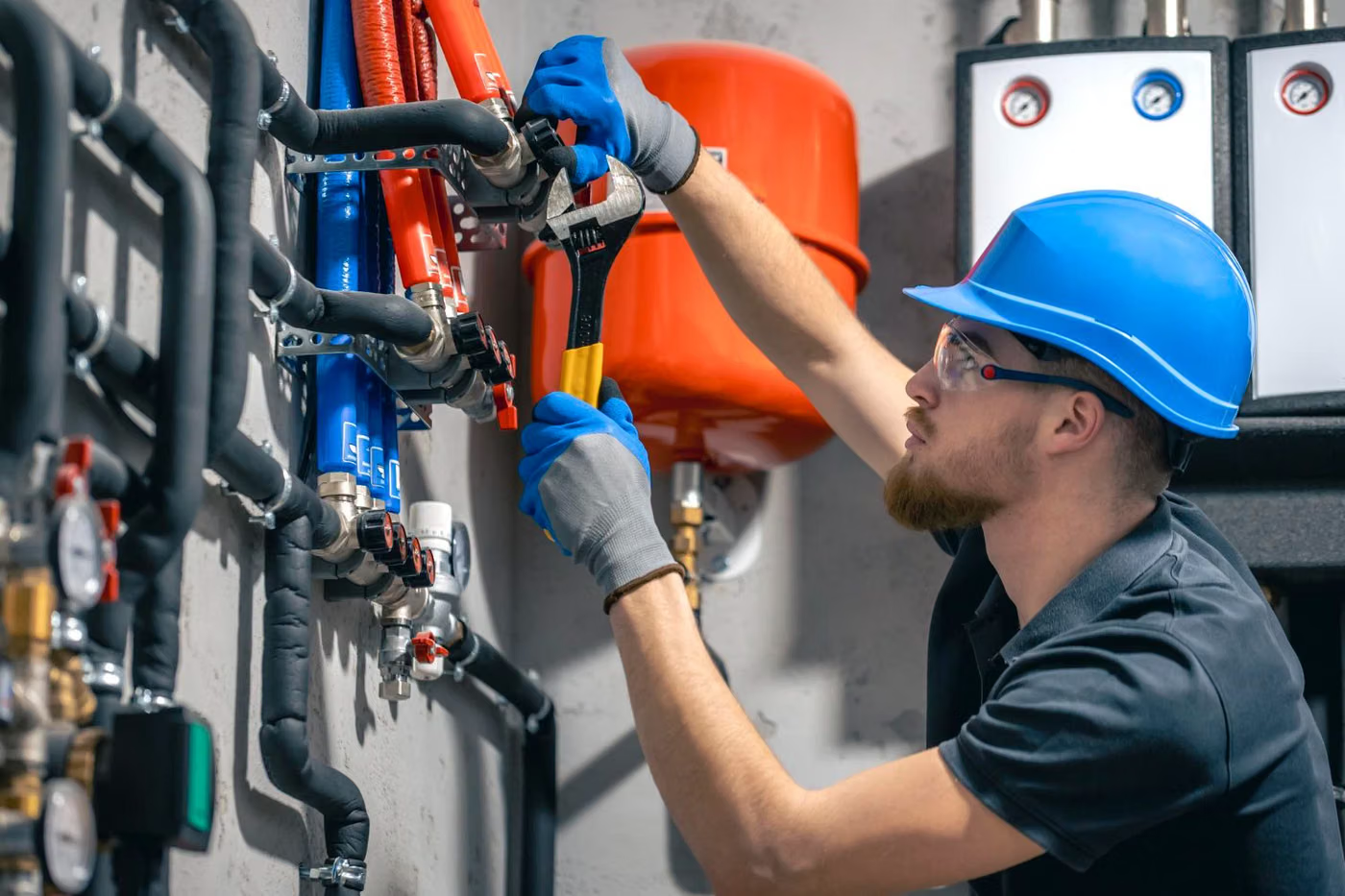
Booster set inspection covers the pressurised water supply system and, in particular, the diaphragm expansion vessel. The expansion vessel is a pressure vessel and, because it absorbs pressure fluctuations, is subject to continuous fatigue.
Why Is It Done?
The aim is to verify the integrity of the vessel and the function of the safety fittings, and also to identify operating faults that wear the system down, such as frequent cycling (short cycling).
Which Equipment Is Covered?
- Diaphragm-type expansion tanks
- Hydrophore pump sets
- Fire-fighting booster systems
- Pressurisation units
- Water storage tanks and distribution lines
Legal Basis and Interval
There is no single universal interval. The inspection interval follows the most restrictive of three sources: the maximum period set by the applicable work-equipment legislation, the instructions in the manufacturer's manual, and the operator's risk assessment. Heavy duty, corrosive environments or shift work shorten it. The next inspection date is stated in the report.
Scope of Inspection
- Expansion tank: external corrosion, deformation, wall thickness
- Diaphragm condition and pre-charge (air cushion) value
- Safety valve set pressure and opening function
- Pressure switch settings and cut-in interval
- Pressure gauge and calibration status
- Pump: leakage, seal, vibration, connecting elements
- Check valve and isolation valves
- Electrical panel, motor protection and earthing
- Dry-run protection
Related Standards
- ISO/IEC 17020
- EN 13445 series
- ISO 4126-1
- EN 12845 (fire systems)
Method and Equipment
- Ultrasonic thickness gauge
- Calibrated pressure gauges and pressure-measuring instruments
- Safety valve test rig
- Electrical measuring instruments
- Vibration meter (for pump assessment)
Inspection Process
- 1Preliminary Information and PlanningThe equipment inventory, capacity data, manufacturer's instructions and previous inspection reports are collected; the inspection date and site conditions are planned.
- 2Document ReviewThe declaration of conformity, user manual, maintenance records and, where applicable, records closing out earlier nonconformities are reviewed.
- 3Visual InspectionThe load-bearing structure, connections, guards and warning markings are checked visually; wear, deformation and corrosion are assessed.
- 4Function and Safety Device CheckSafety devices such as brakes, limit switches, emergency stop and overload protection are verified by operating them.
- 5Measurement and Load TestDepending on the type of equipment, a load test, pressure test or electrical measurements are carried out. Test values are set according to the manufacturer's limits and the relevant standard.
- 6Evaluation and ReportingFindings are graded as conforming / non-conforming / conditionally conforming; the report and the inspection label are issued.
- 7Follow-upIf nonconformities exist, a follow-up inspection is carried out once they have been corrected; the next inspection date is stated in the report.
Nonconformities
Wall thickness below the limit, a ruptured diaphragm or a safety valve that does not lift call for action. Setting the pressure switch band too narrow makes the pump cycle constantly and fail early; this too is reported.
Inspection Report
- Details of the inspection body and the inspection personnel
- Equipment identification: make, model, serial number, capacity, year of manufacture
- Standard applied and scope of inspection
- Measuring instruments used and their calibration data
- Findings of the visual inspection and function check
- Load / pressure test values
- Nonconformities identified and their severity
- Conclusion (conforming / non-conforming / conditionally conforming) and the next inspection date
Accreditation
Inspection activities are carried out under ISO/IEC 17020, which requires the impartiality of the inspection body, the competence of its personnel and the validity of the inspection methods. Under the impartiality rule, a party that maintains or repairs an item of equipment cannot carry out the independent inspection of that same equipment. EUROLAB holds internationally recognised accreditation under ISO/IEC 17020, granted by accreditation bodies that are signatories to the ILAC mutual recognition arrangement; because accredited scope is defined per inspection type, it is confirmed in writing at the quotation stage.
Scope and authorisationsRelated Inspections





Frequently Asked Questions
Why is the expansion tank's pre-charge pressure checked?
The air cushion on one side of the diaphragm absorbs pressure fluctuations. If the pre-charge pressure drops, the tank loses its function, the pump cuts in frequently, and both the pump and the tank wear out rapidly. The pre-charge pressure is measured while the system is out of service.
Who may carry out the inspection?
The inspection is carried out by an inspection body accredited under ISO/IEC 17020 and by inspectors authorised by that body. The impartiality of the inspection body is fundamental: the party that maintains the equipment cannot conduct the periodic inspection of that same equipment as an independent inspection.