
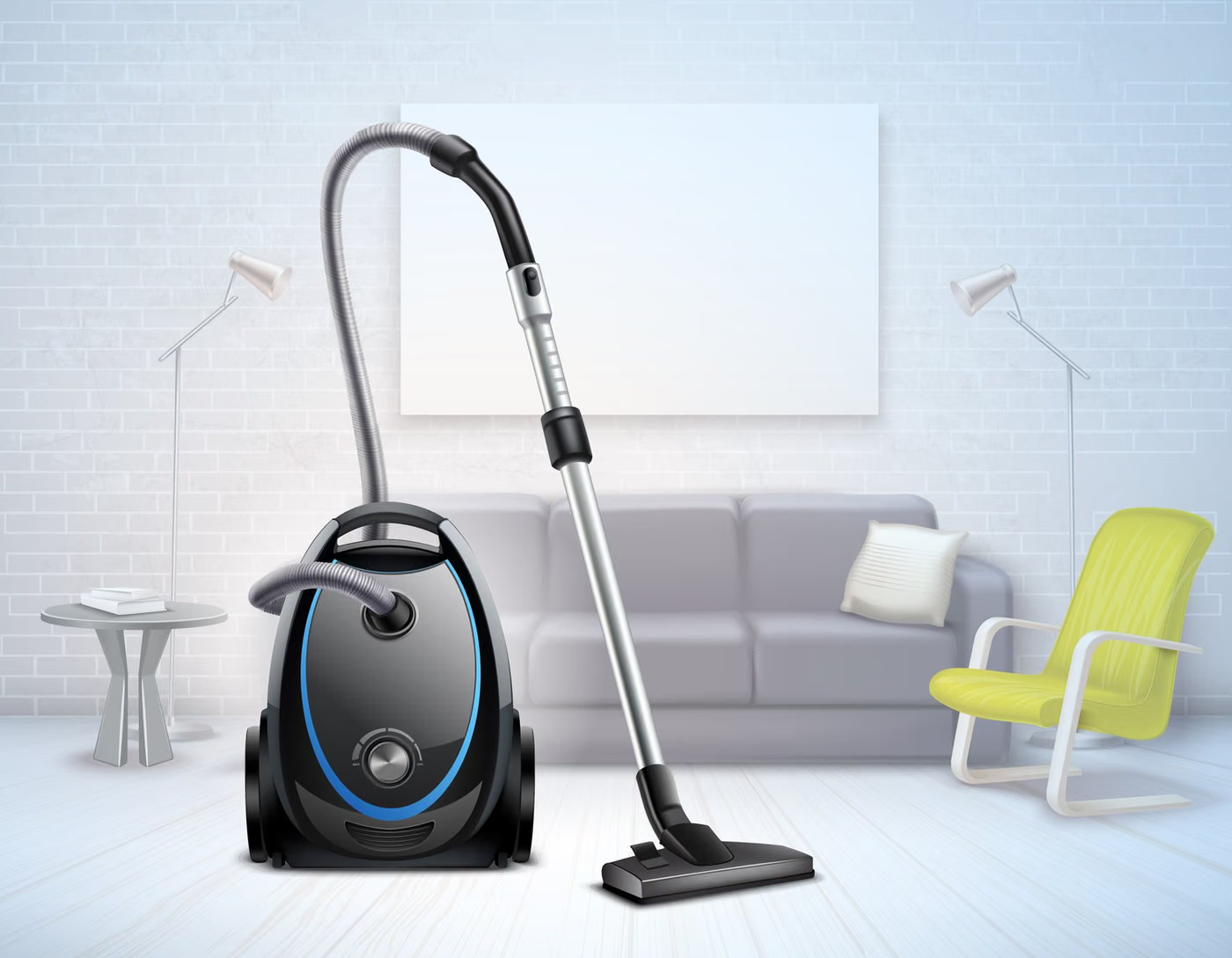
White goods & small appliances
vacuum cleaner testing and certification
A motor-driven household cleaning appliance that runs on mains voltage.
vacuum cleaner — conformity scope
For vacuum cleaners, the conformity file is built around electrical safety and electromagnetic compatibility; the product is mains-connected and used in a household environment. Energy label and material restriction obligations accompany this. Confirming the scope requires information on voltage, power and intended use.
The list below is the European Union framework. The same product falls under a different mark and approval regime in another market; Smart Service Finder shows that market's requirements when you select it.
Regulation
vacuum cleaner legislation that typically comes into play for
The following is the European Union framework and shows typical application. Which title actually applies depends on the class, intended use and components of the product; The scope is determined by examining the product.
The Low Voltage Directive. Governs the electrical safety of equipment operating in the 50–1000 V AC range; the manufacturer makes the declaration, with no notified body involvement.
The Electromagnetic Compatibility Directive. Covers both the interference a device emits into its environment (emission) and its resistance to interference from outside (immunity).
Ecodesign requirements for vacuum cleaners. Sets minimum thresholds for annual energy consumption, dust pick-up and emission.
Energy labelling for vacuum cleaners. The label class is based on measurement and is one of the first points examined in market surveillance.
Restriction of certain hazardous substances in electrical and electronic equipment; an integral part of the CE declaration.
Waste electrical and electronic equipment. Requires product marking and registration with the collection system.
Registration, evaluation, authorisation and restriction of chemicals. Creates a notification obligation for SVHC substances in the product's content.
Standards
Standards typically referenced in the dossier
- IEC 60335-1Safety in home and similar electrical devices
- IEC 60335-2-2Safety in home and similar electrical devices
- EN 60312-1
- EN 55014-1
- EN 55014-2
- IEC 61000-3-2harmonic current emission
- IEC 61000-3-3voltage fluctuation and flicker
What is required?
Each item links to the relevant service page: the legislation entry to the certification scheme, the test family to the laboratory page, and the mark to the market page.
European Union — required mark
5- CE — European UnionThe umbrella for entering the EU market; all regulations applicable to the product are met.
- LVD — European UnionLow Voltage Directive — no notified body; the declaration is made by the manufacturer.
- EMC — European UnionElectromagnetic Compatibility Directive — emission and immunity requirements.
- RoHS — European UnionRestriction of hazardous substances in electrical equipment; part of the CE declaration.
- REACH — European UnionChemical legislation — not covered by CE, but affects almost all products.
Required legislation
5- Low Voltage Directive (LVD)Safety of electrical products
- EMC Directive
- Ecodesign and energy label
- RoHS
- REACH
Required tests
4- Electrical SafetyThe IEC 60335 series
- EMC / EMI TestingEmission and immunity
- Fire TestingGlow wire and flammability
- Environmental & Climatic Testing
Required certificates
3- LVD (CE) Certification
- Ecodesign and energy label conformity
- Hazardous Substance Restriction Compliance (RoHS Compliance) Certification
What must be in the technical file
6- Technical file and risk assessment
- EU declaration of conformity (DoC)
- User manual and warnings (in the target market's language)
- Energy label and product information sheet
- Critical component list and component certificates
- Details of the authorised representative or importer established in the EU
How does the process work?
The flow below is a general order independent of product type; timing and acceptance criteria are determined by the standard the product falls under.
 1
Defining the scope
It is determined which legislation the product falls under based on its technical characteristics and intended use.
 2
Testing and evaluation
Tests are planned for the applicable headings; results are evaluated according to the relevant standards.
 3
Technical file
Design, production and test records are compiled in the technical file, accompanied by a risk assessment.
 4
Declaration or certificate
Depending on the product group, the manufacturer's declaration is prepared or third-party certification is carried out.
vacuum cleaner which market is it going to?
Who bears the obligation, where the test will be performed, and what customs will require all vary by market.







What changes depending on the market?
Same product, different regimen
- European UnionUnder the CE mark, LVD, EMC and RoHS are met together; the ecodesign and energy-label declaration is completed with EPREL registration.
- United KingdomThe UKCA regime carries the same technical requirements into its own legislation; CE marking continues to be recognised indefinitely for many product groups, and the declaration runs through a UK-based responsible person.
- United StatesElectrical safety is assessed under UL 1017, and EMC compliance is required under FCC 47 CFR Part 15.
Products in the same group
vacuum cleaner — let's work out the scope together
Share the product's technical characteristics; let us tell you in writing which headings apply to your scope and which tests are required.
This result is a starting roadmap, not a conformity assessment. Which legislation a product falls under depends on its technical characteristics, intended use and user group; it is only finalised by examining the product. You may have an obligation not shown in the list, and an item shown here may not apply to your product.