
What Is Verification?
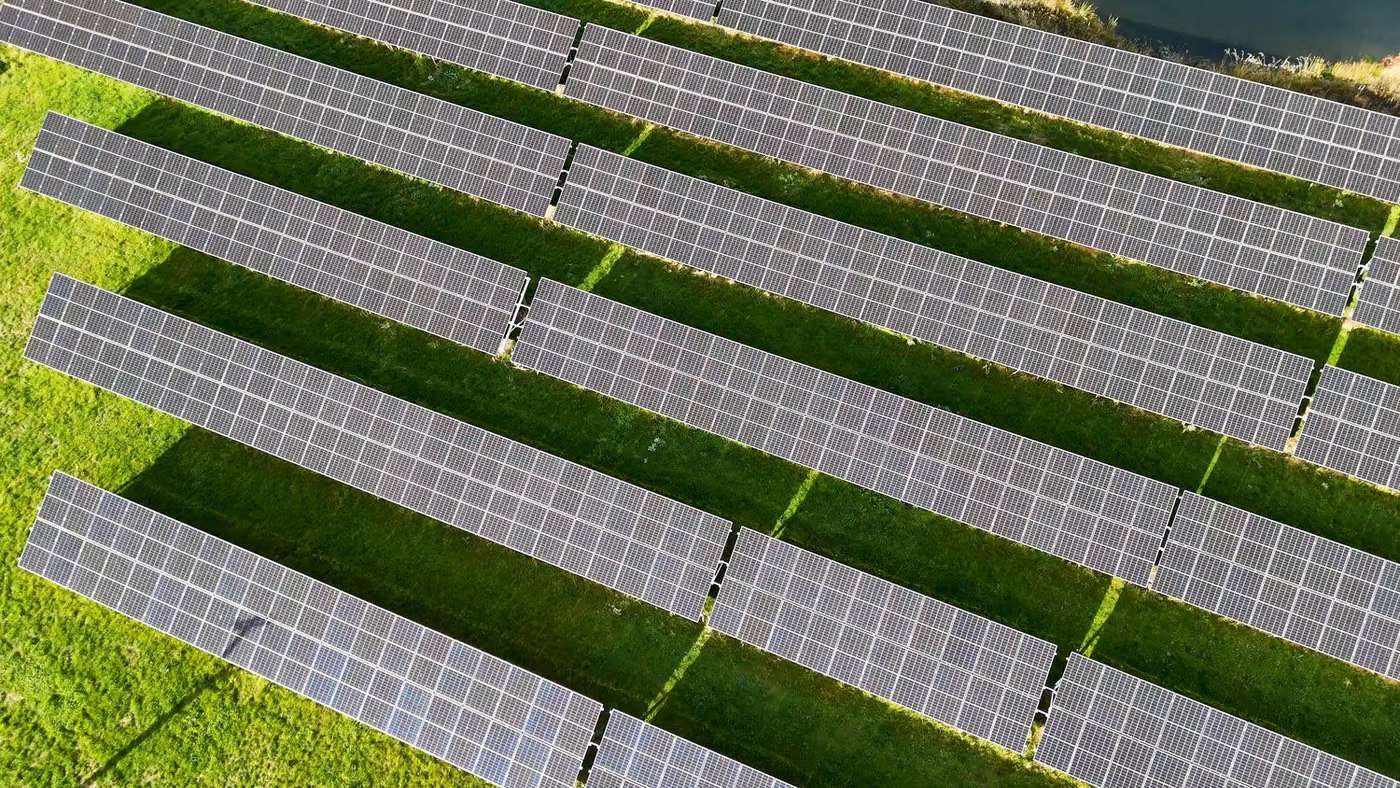
Renewable energy verification examines whether an organisation's claim that the electricity it uses comes from renewable sources is supported by origin certificates (I-REC, Guarantee of Origin/GO). Because electricity cannot be physically separated on the grid, the claim rests on a certificate system.
Why Is It Done?
The aim is to build a sound basis for reporting Scope 2 emissions with the market-based method, and to show that the renewable-energy claim is not double-counted.
Who Requests It?
- Companies claiming 100% renewable energy
- Those reporting Scope 2 emissions with the market-based method
- Organisations joining commitments such as RE100
- Manufacturers whose customers request proof of green energy
- Companies with a renewable power purchase agreement (PPA)
Scope and Boundaries
- Verifying electricity-consumption data
- Determining the certificate type: I-REC, Guarantee of Origin (GO), national systems
- Matching the certificate volume to consumption
- Checking the certificates' redemption records
- Verifying that double counting is prevented
- Assessing temporal and geographic matching criteria
- Examining PPA contracts and certificate transfer
- Reflecting it in the Scope 2 market-based calculation
- Correctly stating the scope of the claim's wording
Related Standards
- GHG Protocol Scope 2 Guidance
- ISO 14064-1
- I-REC Standard
- EU Guarantee of Origin regulations
Related Standards
- GHG Protocol Scope 2 Guidance
- ISO 14064-1
- I-REC Standard
- EU Guarantee of Origin regulations
Verification Process
- 1Engagement Acceptance and ScopeIt is agreed in writing which data will be assessed, against which reporting framework and at what level of assurance.
- 2Establishing the CriteriaThe reporting framework applied (GRI, ESRS, IFRS S1/S2) and the organisation's own calculation methodology are established as the criteria.
- 3Risk Assessment and MaterialityIndicators carrying a risk of misstatement are identified; the materiality threshold and the extent of sampling are set accordingly.
- 4Examination of Internal ControlsThe data collection process, calculation controls and approval mechanisms are examined; traceability of the data back to source is tested.
- 5Indicator-level TestingFor the selected indicators, recalculation, checking of source documents and analytical procedures are applied.
- 6Handling of FindingsErrors identified and unsupported disclosures are communicated to the organisation; the report is corrected.
- 7Assurance StatementAn assurance statement worded in line with the chosen level of assurance is issued and published in the report.
Level of Assurance
Assurance engagements are carried out at either limited or reasonable assurance level. In practice most sustainability reports are published with limited assurance, while regulation foresees a gradual move to reasonable assurance. The level is stated explicitly in the wording of the statement, and the two levels are not interchangeable.
Output and Statement
- Details of the assurance provider and the team
- Indicators covered by the assurance and the period
- Reporting framework applied and the criteria
- Assurance standard applied and the level of assurance
- Summary of the procedures performed
- The division of responsibilities between the organisation and the assurance provider
- The assurance conclusion (statement)
- Disclosures excluded from the scope
Limits of the Output
A certificate-based claim does not mean the electricity consumed is physically from a renewable source; electricity cannot be separated on the grid. The claim shows that an equivalent volume of renewable generation has been allocated via certificate. The claim's wording must therefore state that the market-based method was used. Also, certificates that have not been redeemed, or that are counted by more than one party, create double counting and invalidate the claim.
Accreditation
Greenhouse gas verification and validation activities are accredited under ISO 14065; the verification itself is performed to ISO 14064-3 and the competence of verification personnel is defined by ISO 14066. Assurance engagements, by contrast, are governed by assurance standards such as ISAE 3000 and do not fall within accredited certification. In both frameworks the impartiality rule is decisive: the party that performs the calculation cannot verify that same calculation. EUROLAB holds internationally recognised accreditation from accreditation bodies that are signatories to the ILAC and IAF mutual recognition arrangements; which verifications can be offered within accredited scope is confirmed in writing at the quotation stage.
Scope and authorisationsRelated Verifications



Frequently Asked Questions
Is it enough if I buy a green tariff?
A supplier's green-tariff statement alone may not be considered sufficient. In Scope 2 market-based reporting, it is expected to be documented that certificates corresponding to your consumption were redeemed in your name. The contract text and redemption records are examined together.
What is temporal matching?
It means the certificate was generated in the same period the electricity was consumed. Annual matching is conventionally accepted, but the expectation of hourly matching is growing, because annual matching allows electricity consumed at night to be balanced against a solar certificate generated during the day.