
What Is Verification?
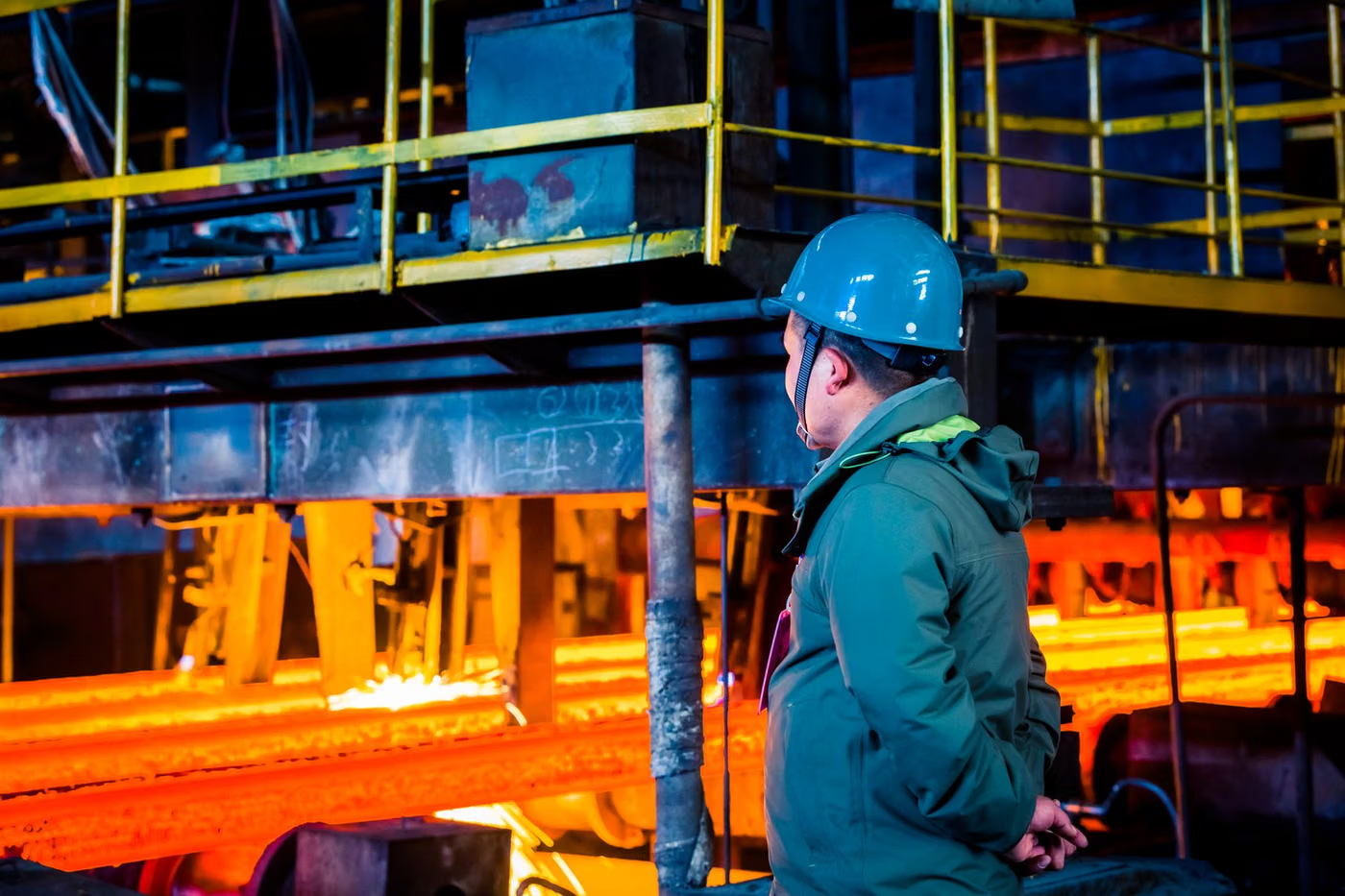
CBAM (Carbon Border Adjustment Mechanism) is an EU regulation that requires reporting the embedded emissions from producing certain products imported into the EU, and creates a corresponding cost. The product groups within scope include iron and steel, aluminium, cement, fertiliser, electricity and hydrogen. It is not a direct obligation on the exporter but creates an obligation to supply data to the EU importer.
Why Is It Done?
The aim is for a manufacturer exporting to the EU to calculate its embedded emissions data using the method the regulation prescribes, have it verified, and present it to its importer. If data cannot be provided, default values apply, and these are usually higher than actual production.
Who Requests It?
- Manufacturers exporting iron and steel, aluminium, cement and fertiliser to the EU
- Suppliers whose EU importer requests emissions data
- Exporters wanting to prepare for the expansion of scope
- Companies wanting to reflect the carbon cost in their pricing
Scope and Boundaries
- Determining whether the product falls within CBAM scope (by customs tariff heading)
- Defining facility boundaries and production routes
- Calculating direct embedded emissions
- Calculating indirect embedded emissions (electricity)
- Including precursor emissions
- Selecting the monitoring methodology under the regulation
- Assessing data quality and measurement infrastructure
- Documenting the carbon price already paid in the country of origin
- Preparing the embedded-emissions report and having it verified
Related Standards
- (EU) 2023/956 CBAM Regulation
- ISO 14064-1
- ISO 14064-3
- ISO 14065
Related Standards
- (EU) 2023/956 CBAM Regulation
- ISO 14064-1
- ISO 14064-3
- ISO 14065
Verification Process
- 1Engagement Acceptance and ScopeIt is agreed in writing which data will be assessed, against which reporting framework and at what level of assurance.
- 2Establishing the CriteriaThe reporting framework applied (GRI, ESRS, IFRS S1/S2) and the organisation's own calculation methodology are established as the criteria.
- 3Risk Assessment and MaterialityIndicators carrying a risk of misstatement are identified; the materiality threshold and the extent of sampling are set accordingly.
- 4Examination of Internal ControlsThe data collection process, calculation controls and approval mechanisms are examined; traceability of the data back to source is tested.
- 5Indicator-level TestingFor the selected indicators, recalculation, checking of source documents and analytical procedures are applied.
- 6Handling of FindingsErrors identified and unsupported disclosures are communicated to the organisation; the report is corrected.
- 7Assurance StatementAn assurance statement worded in line with the chosen level of assurance is issued and published in the report.
Level of Assurance
Assurance engagements are carried out at either limited or reasonable assurance level. In practice most sustainability reports are published with limited assurance, while regulation foresees a gradual move to reasonable assurance. The level is stated explicitly in the wording of the statement, and the two levels are not interchangeable.
Output and Statement
- Details of the assurance provider and the team
- Indicators covered by the assurance and the period
- Reporting framework applied and the criteria
- Assurance standard applied and the level of assurance
- Summary of the procedures performed
- The division of responsibilities between the organisation and the assurance provider
- The assurance conclusion (statement)
- Disclosures excluded from the scope
Limits of the Output
The CBAM obligation legally belongs to the EU importer; the exporter's role is to supply data. Verification shows that the data supplied was calculated using the method the regulation prescribes; it does not take on the importer's declaration obligation. CBAM rules and the implementation timetable are also being phased in; the requirements in force for your product group must be confirmed against the current text.
Accreditation
Greenhouse gas verification and validation activities are accredited under ISO 14065; the verification itself is performed to ISO 14064-3 and the competence of verification personnel is defined by ISO 14066. Assurance engagements, by contrast, are governed by assurance standards such as ISAE 3000 and do not fall within accredited certification. In both frameworks the impartiality rule is decisive: the party that performs the calculation cannot verify that same calculation. EUROLAB holds internationally recognised accreditation from accreditation bodies that are signatories to the ILAC and IAF mutual recognition arrangements; which verifications can be offered within accredited scope is confirmed in writing at the quotation stage.
Scope and authorisationsRelated Verifications


Frequently Asked Questions
Is CBAM mandatory for me?
The legal obligation belongs to your EU importer. However, the importer will request the embedded-emissions data from you; if you do not provide it, default values apply, and since these are usually higher than your actual production, the cost increases. It is therefore effectively a requirement for the exporter.
Is my corporate carbon footprint calculation enough for CBAM?
No. A corporate inventory (ISO 14064-1) is organisation-level; CBAM requires embedded emissions by product and production route and defines its own calculation rules. The two calculations rest on different boundaries and methods.
Is the carbon price I paid in the country of origin deducted?
The regulation allows a carbon price actually paid in the country of origin to be taken into account, but this must be documented. An undocumented payment is not accepted as a deduction.