
What Is Nickel?
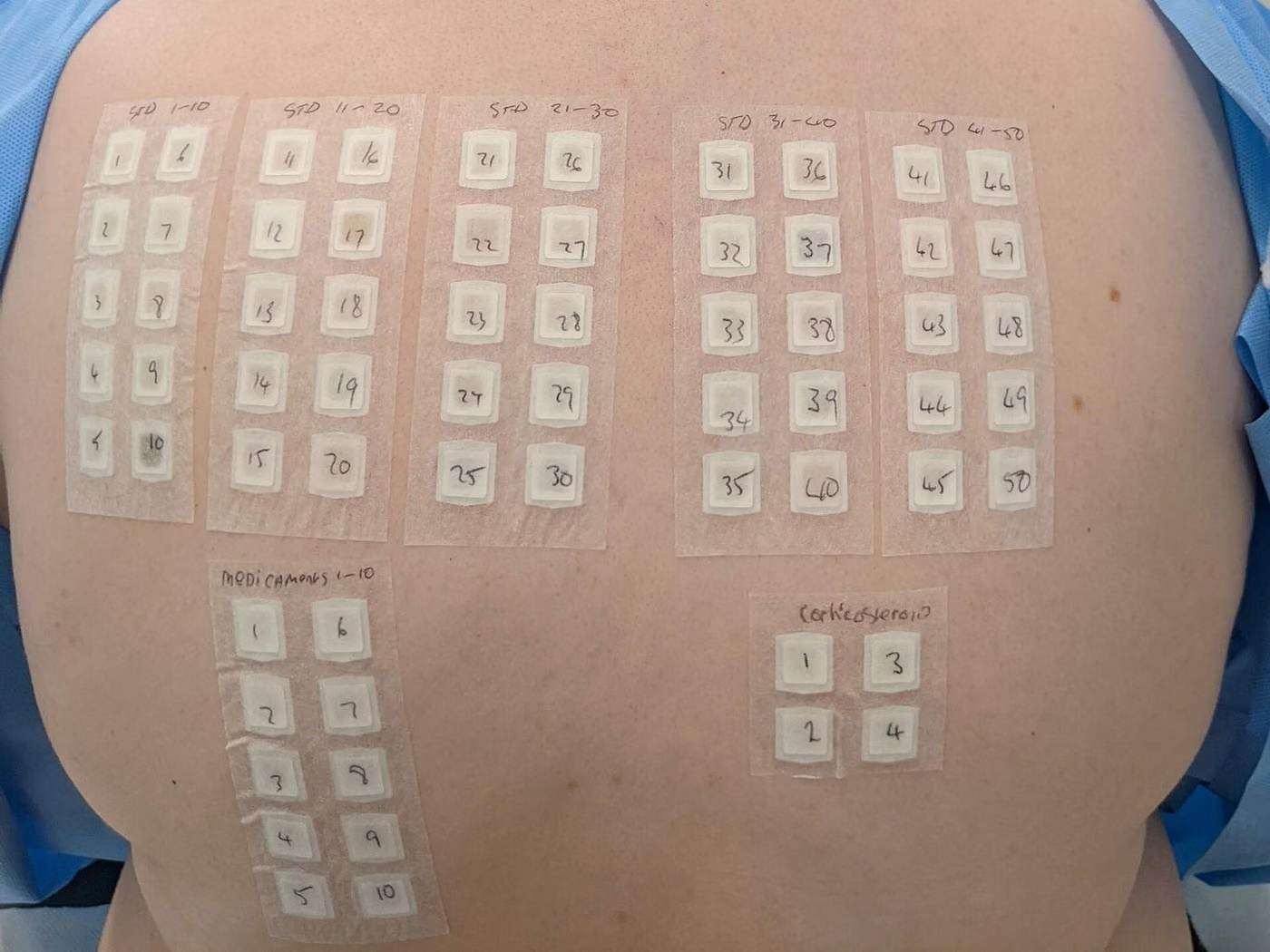
Nickel is examined in two separate contexts. In cosmetics, nickel is a prohibited substance; trace amounts from raw materials are measured by ICP-MS. In metal products in prolonged skin contact (jewellery, buckles, watches), the regulation limits not total nickel but the amount RELEASED by perspiration; this is measured by EN 1811.
Purpose of Nickel
The purpose is to limit contact allergy risk in individuals sensitive to nickel. Nickel is one of the most common causes of contact dermatitis, and the regulation therefore makes a separate provision for it.
Which Products Is Nickel Applied To?
- Cosmetic products (trace nickel)
- Eye-area and makeup products
- Jewellery and accessories in skin contact
- Eyeglass frames and watch straps
- Garment buckles, buttons and zippers
In Which Sectors Is Nickel Used?
Standards Related to Nickel
- EN 1811 (release of nickel from products intended to come into direct and prolonged contact with the skin)
- EN 12472 (simulation of wear and corrosion for the detection of nickel release from coated items)
- EU 1907/2006 REACH Annex XVII (nickel restriction)
- EU 1223/2009 Annex II (prohibited substances in cosmetics)
Nickel Conditions
- method in cosmetics
- Trace element determination by ICP-MS after microwave digestion
- Method in metal product
- Soaking in artificial sweat solution for a defined period of time and measuring the released nickel
- coated product
- Emission measurement following wear and corrosion simulation according to EN 12472
- sample surface
- The surface area in contact with the skin is determined and taken into account
Equipment for Nickel
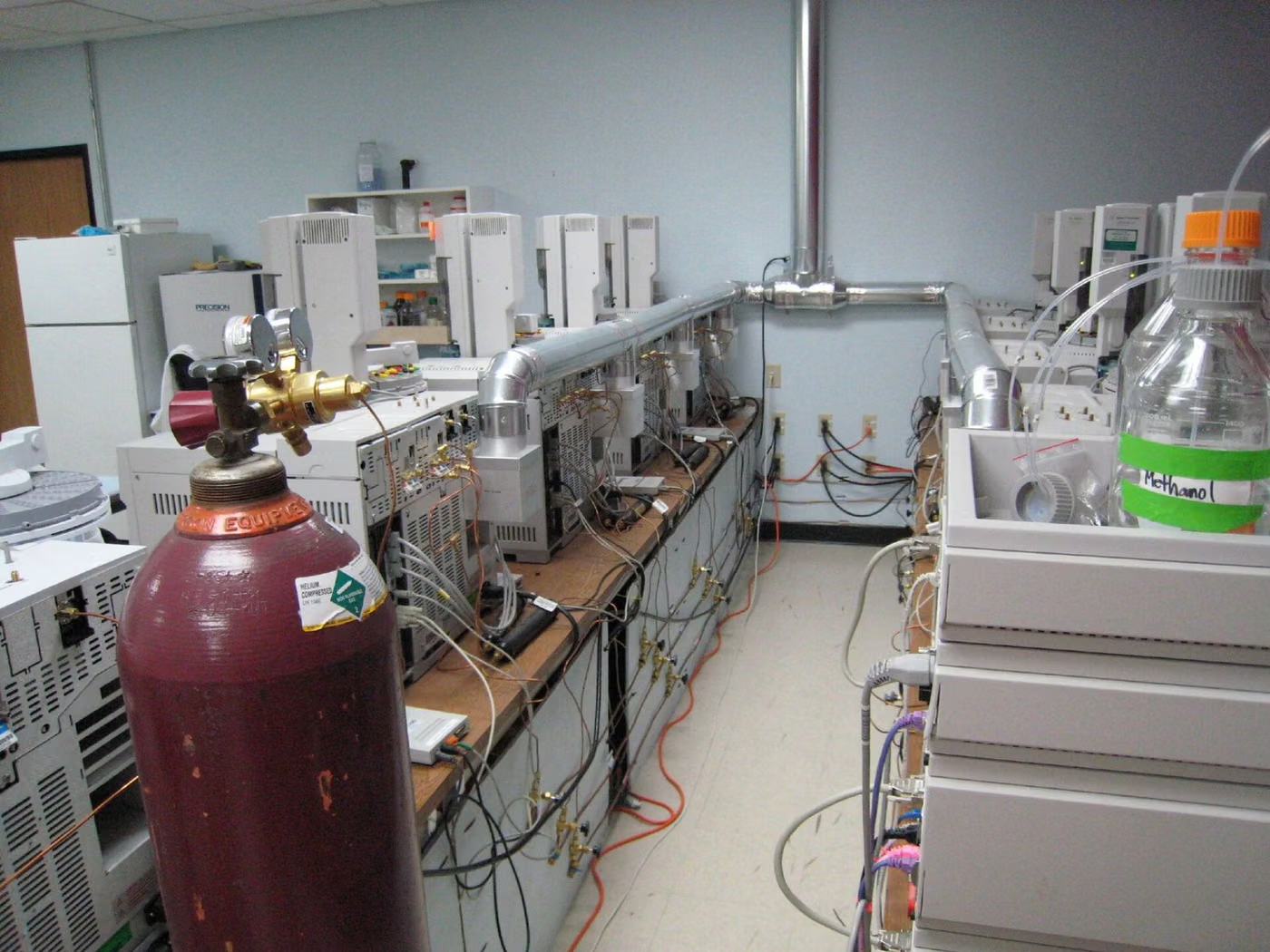
- ICP-MS and microwave digestion system
- Artificial perspiration preparation and conditioning setup
- EN 12472 wear simulation apparatus
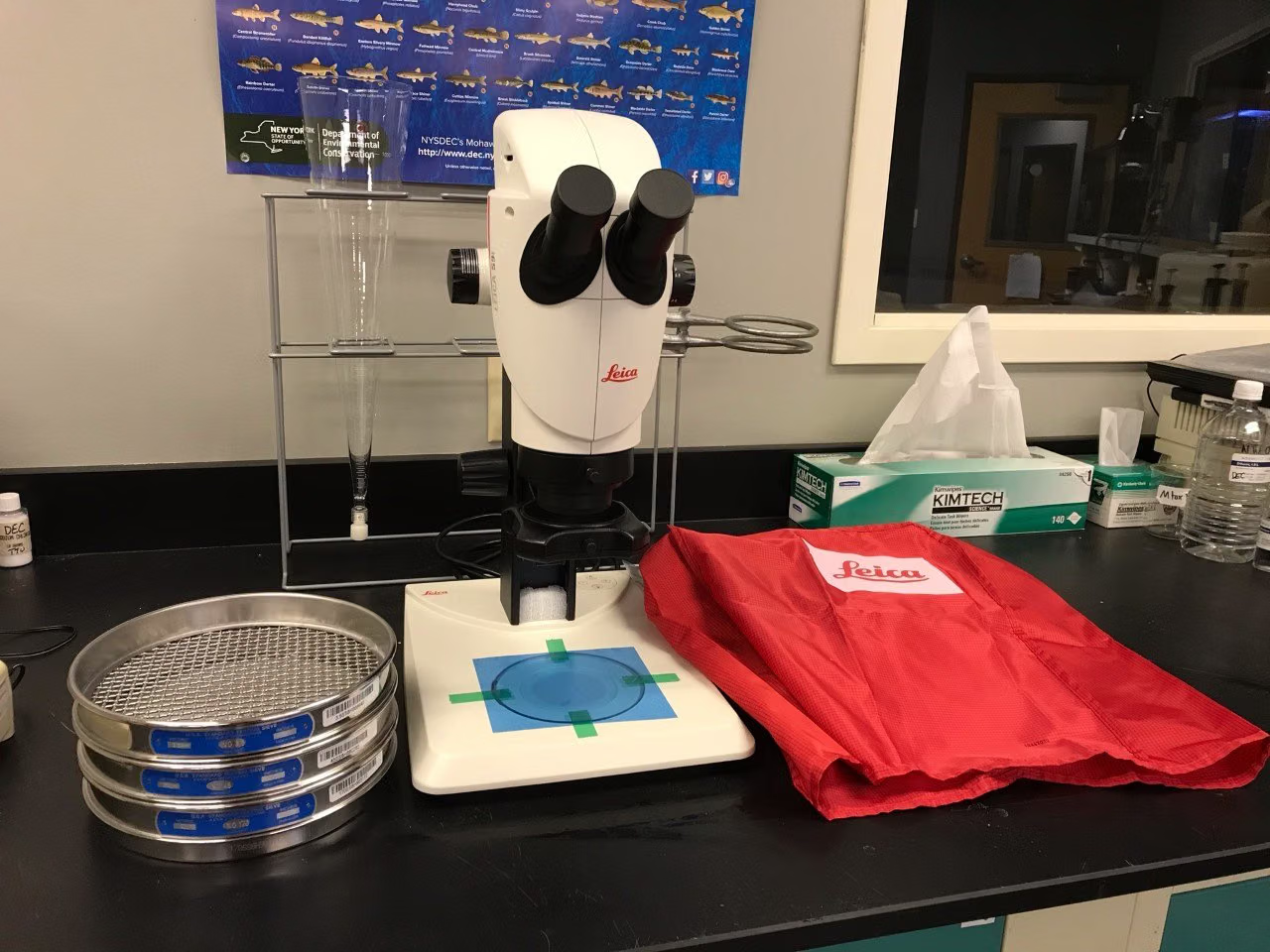
- Analytical balance and clean-room consumables
Sample Requirements for Nickel
- The product must be sent in its original, unopened packaging.
- Batch number, manufacturing and expiry dates must be stated.
- The ingredients list (INCI) and formulation information, if any, must be shared.
- The required quantity varies by number of analyses; confirmation must be obtained before shipment.
- Light- and temperature-sensitive products must be transported under suitable conditions.
Duration of Nickel
The analysis takes a few working days for cosmetics. The release test is longer for metal products due to the holding time; wear simulation additionally takes time for coated products.
Nickel Procedure
- 1The sample's skin-contact surface and manner of use are determined.
- 2For cosmetics, the sample is weighed and digested in the microwave system.
- 3For metal products, the sample is immersed in artificial perspiration solution.
- 4Wear simulation is applied first for coated products.
- 5The solution is taken at the end of the defined duration.
- 6Nickel is measured by ICP-MS.
- 7The result is reported normalised for surface area and duration.
Nickel Acceptance Criteria
The acceptance criterion for cosmetic products does not come from a single test but from the product's safety assessment report and the regulation. EU 1223/2009 and the Cosmetics Regulation define prohibited and restricted substances, microbiological expectations, and labelling requirements; this page therefore does not give a fixed limit.
Evaluation of Results
For metal products the result is compared against the nickel release limit in REACH Annex XVII; note that the measured quantity is released nickel, not total nickel. In cosmetics, nickel is a prohibited substance, and technically unavoidable trace amounts are addressed within the safety assessment.
Nickel Report
- Product name, batch number, and packaging information
- Sample receipt date and storage conditions
- Method applied and reference standard
- Test conditions and conditioning, if any
- Measurement results and units
- Measurement uncertainty (if requested)
- A statement that the result applies only to the specimen submitted for testing
Accreditation
EUROLAB holds internationally recognised accreditation obtained from accreditation bodies party to the IAF and ILAC multilateral recognition arrangements, under ISO/IEC 17025 for laboratory testing, ISO/IEC 17020 for inspection and surveillance, and ISO/IEC 17021-1 and ISO/IEC 17065 for system and product certification. This chain ensures the reports and certificates issued are accepted worldwide.
Whether this test can be offered within accredited scope depends on your product and the standard applied; since accreditation is method-based, the scope is confirmed in writing at the quotation stage.
Scope and authorisationsRelated Regulations
- EU 1223/2009 Cosmetic Products Regulation
- Cosmetics Regulation (Türkiye)
- Cosmetic Product Safety Report (CPSR) requirements
- ISO 22716 (good manufacturing practice in cosmetics)
Kozmetik Testleri — What Does This Testing Field Cover?
The section below describes the field that the Nickel test belongs to; the conditions and acceptance criteria of this particular test are given in the sections above. The scope specific to your product is confirmed in writing at the quotation stage.
Cosmetics testing shows that a product stays microbiologically safe throughout its use, delivers the performance it claims and contains no restricted substances. There is NO PRODUCT APPROVAL in this family: no authority approves a cosmetic product; responsibility rests entirely with the manufacturer and with the responsible person established in the EU.
This responsibility model shapes how the field works. Before the product is placed on the market a product information file (PIF) is prepared, a safety assessment (CPSR) is carried out and notification is completed. Inspection comes afterwards and asks for the file; if the file is incomplete the product is withdrawn from the market. Test reports form the evidence base of that file.
On the microbiological side there are two different questions and each is answered by a separate test. The CURRENT microbiological quality of the product is measured by enumeration and testing for specified microorganisms. The EFFECTIVENESS of the preservative system is examined by deliberately inoculating the product with microorganisms (challenge test): can the product resist repeated contamination throughout its use? A jar of cream is touched by a finger at every use; the preservative system must cope with that.
On the performance side, claim substantiation studies are carried out. For sunscreens, determination of SPF and UVA protection and measurement of water resistance are mandatory and are the basis of the value declared on the label. Evidence is also produced by in vivo or in vitro methods for claims such as moisturisation, appearance of wrinkles, hair care and colour retention.
On the chemical side, banned and restricted substances are screened: heavy metals, prohibited colorants, preservative concentrations, UV filter levels and contaminants such as nitrosamines. Products containing nanomaterials carry a separate notification obligation.
The BAN ON ANIMAL TESTING is the most defining constraint of the field. Animal testing cannot be carried out on finished products or ingredients, and a product tested on animals cannot be placed on the market. Alternative in vitro methods (reconstructed human skin models, cell culture based tests) are therefore at the centre of the field, and toxicological assessment rests largely on existing data, read-across approaches and in vitro results.
Stability and packaging compatibility studies determine shelf life and the period after opening (PAO). The interaction of the product with its packaging is also assessed: an active substance may migrate into the packaging, and substances that should not be present may pass from the packaging into the product.
On the process side, good manufacturing practice is demonstrated through ISO 22716; this is separate from product testing but a mandatory part of the file.
Method groups in this field
Microbiological quality
Enumeration of aerobic mesophilic bacteria, yeasts and moulds; testing for Pseudomonas aeruginosa, Staphylococcus aureus, Candida albicans and E. coli.
Preservative efficacy
Resistance of the preservative system to repeated contamination by challenge test (ISO 11930).
Sun protection
In vivo SPF determination, in vitro UVA protection determination, water resistance and critical wavelength measurements.
Chemical analysis
Heavy metals, banned and restricted substances, quantification of preservatives and UV filters, contaminant screening.
Safety assessment
In vitro irritation and sensitisation methods, toxicological risk assessment, exposure calculations.
Stability and compatibility
Real-time and accelerated stability, packaging compatibility, PAO determination, sensory and physicochemical monitoring.
Commonly confused in this field
- There is NO CE marking on cosmetics; conformity is demonstrated through the PIF, the safety assessment and notification.
- The responsible person must be established in the EU; unless the exporter arranges this, the product cannot be placed on the market.
- Microbiological quality and preservative efficacy are different tests; a product that comes out clean may still have a weak preservative system.
- The animal testing ban covers ingredients too; animal test data generated for another market creates a problem of use.
- An SPF claim must be supported by measurement; a formulation change requires a new measurement.
- A change of packaging may require the stability and compatibility studies to be repeated.
Which decisions these results support
- The product information file and the safety assessment
- Verification of the preservative system design
- Substantiation of SPF and efficacy claims
- Determining shelf life and the period after opening
- Compliance with destination market restrictions for export
Related Tests
Frequently Asked Questions About Nickel
Does a product containing nickel directly mean non-conformity?
Not for metal products. The regulation limits not total nickel content but the amount released by perspiration; a good coating can make a high-nickel alloy conform.
Why is wear applied to coated products?
The coating wears over time, exposing the alloy beneath. EN 12472 applies a wear simulation representing two years of use; release is measured after this simulation.