
What Is Sterility?
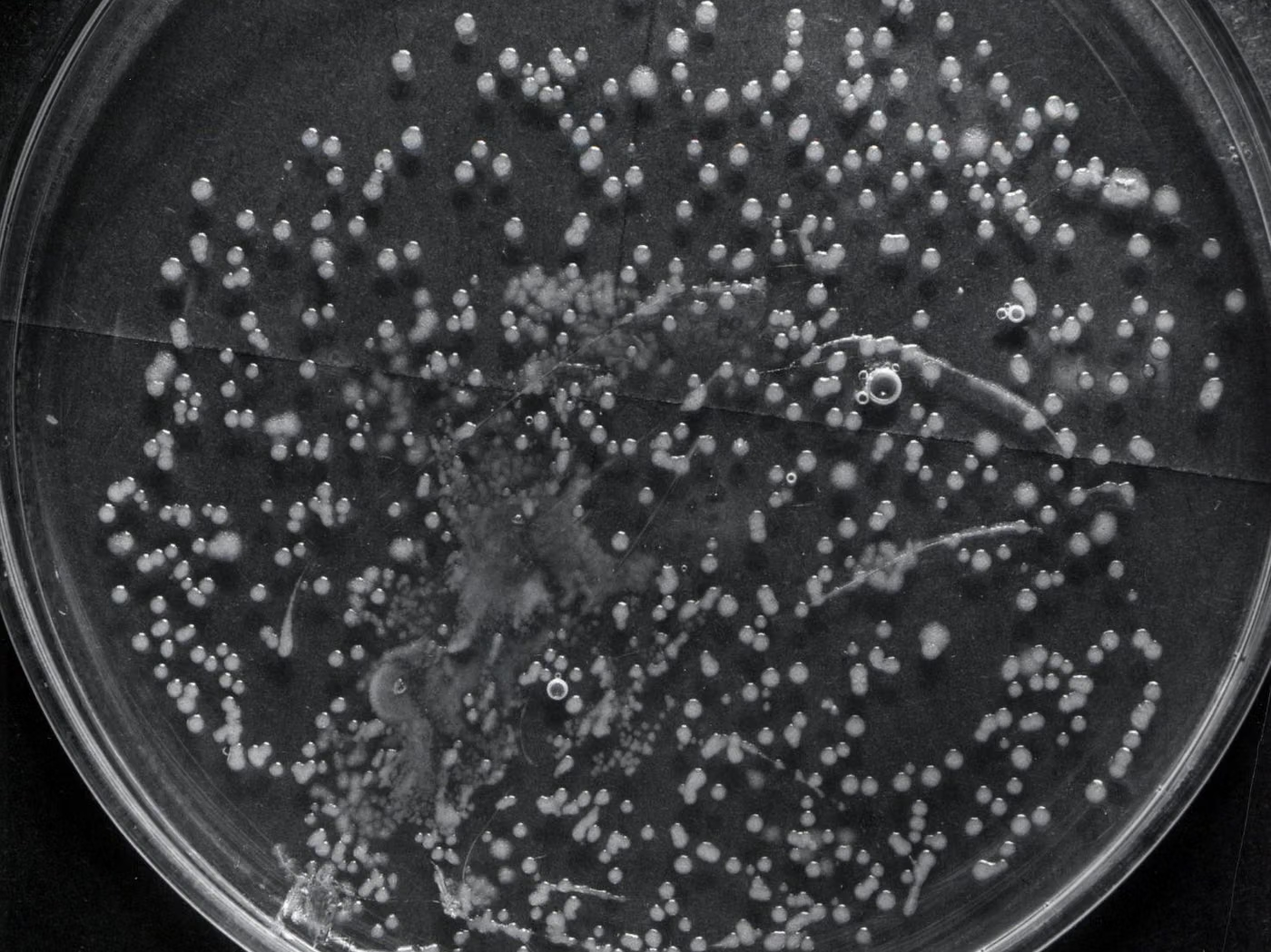
The sterility test investigates whether viable microorganisms are present in the sterilised product by incubation in culture media. It has an important limitation: the test is performed on a statistical sample and does NOT PROVE sterility; sterility assurance is primarily achieved through validation of the sterilisation process.
Purpose of Sterility
The purpose is to produce supporting evidence of the product's sterility, in sterilisation-process validation studies and in routine monitoring.
Which Products Is Sterility Applied To?
- Sterile single-use medical devices
- Implants
- Surgical sets and drapes
- Syringe and infusion sets
- Sterile-packaged wound-care products
In Which Sectors Is Sterility Used?
Standards Related to Sterility
- ISO 11737-2sterility test in sterilization verification test
- ISO 11737-1determination of microbial load in medical devices test
- EP 2.6.1
- USP <71>
- ISO 11135
- ISO 11137
Sterility Conditions
- Method
- Membrane filtration or direct inoculation; chosen according to the product
- Culture media
- Media suitable for aerobic and anaerobic growth are used
- Incubation
- At the temperatures and for the duration defined in the pharmacopoeia (commonly 14 days)
- Environment
- Aseptic work within a classified cleanroom or isolator
Equipment for Sterility
- Isolator or Grade A cleanroom cabinet
- Membrane filtration unit
- Incubators (at different temperatures)
- Autoclave and culture-media preparation infrastructure
Sample Requirements for Sterility
- The sterile product together with its final packaging
- The number of specimens is determined according to the pharmacopoeia and batch size
- The sterilisation method and batch information must be stated
- Packaging integrity must be intact
Duration of Sterility
The incubation period is typically 14 days; the duration extends if a method-suitability (bacteriostasis/fungistasis) study is being performed for the first time.
Sterility Procedure
- 1A method-suitability study is performed, or reference is made to an existing study.
- 2The specimen is removed from its packaging under aseptic conditions.
- 3Membrane filtration or direct inoculation is applied.
- 4Culture media are incubated at the defined temperatures.
- 5Growth is observed regularly throughout incubation.
- 6If growth is observed, the microorganism is identified and the source is investigated.
- 7Results are reported.
Sterility Acceptance Criteria
The acceptance criterion is that no growth is observed in any medium at the end of the incubation period. If growth occurs, it is investigated whether this is genuine contamination or contamination during the test.
Evaluation of Results
The result is interpreted together with sterilisation validation data. A negative test result does not prove sterility; the sterility assurance level (SAL) is demonstrated through process validation.
Sterility Report
- Applied pharmacopoeia/standard and method
- Specimen description, batch and sterilisation method
- Reference to the method-suitability study
- Culture media, incubation conditions and duration
- Growth observations and result
Accreditation
EUROLAB holds internationally recognised accreditation obtained from accreditation bodies party to the IAF and ILAC multilateral recognition arrangements, under ISO/IEC 17025 for laboratory testing, ISO/IEC 17020 for inspection and surveillance, and ISO/IEC 17021-1 and ISO/IEC 17065 for system and product certification. This chain ensures the reports and certificates issued are accepted worldwide.
Whether this test can be offered within accredited scope depends on your product and the standard applied; since accreditation is method-based, the scope is confirmed in writing at the quotation stage.
Scope and authorisationsRelated Regulations
- MDR (EU) 2017/745
- ISO 11135 / ISO 11137 sterilisation validation
Pharmaceutical Analysis — What Does This Testing Field Cover?
The section below describes the field that the Sterility test belongs to; the conditions and acceptance criteria of this particular test are given in the sections above. The scope specific to your product is confirmed in writing at the quotation stage.
Pharmaceutical analysis determines the identity, purity, quantity and behaviour of an active substance and of the finished product. What sets this family apart is that the methods are largely defined in PHARMACOPOEIAS: the European Pharmacopoeia (Ph. Eur.) and the United States Pharmacopeia (USP) give both the method and the acceptance framework together.
The binding nature of the pharmacopoeial method shapes how the field works. In other sectors a laboratory can choose a suitable method, whereas here the method in the monograph governs; if an alternative method is to be used, its equivalence must be demonstrated. This is what makes results comparable worldwide.
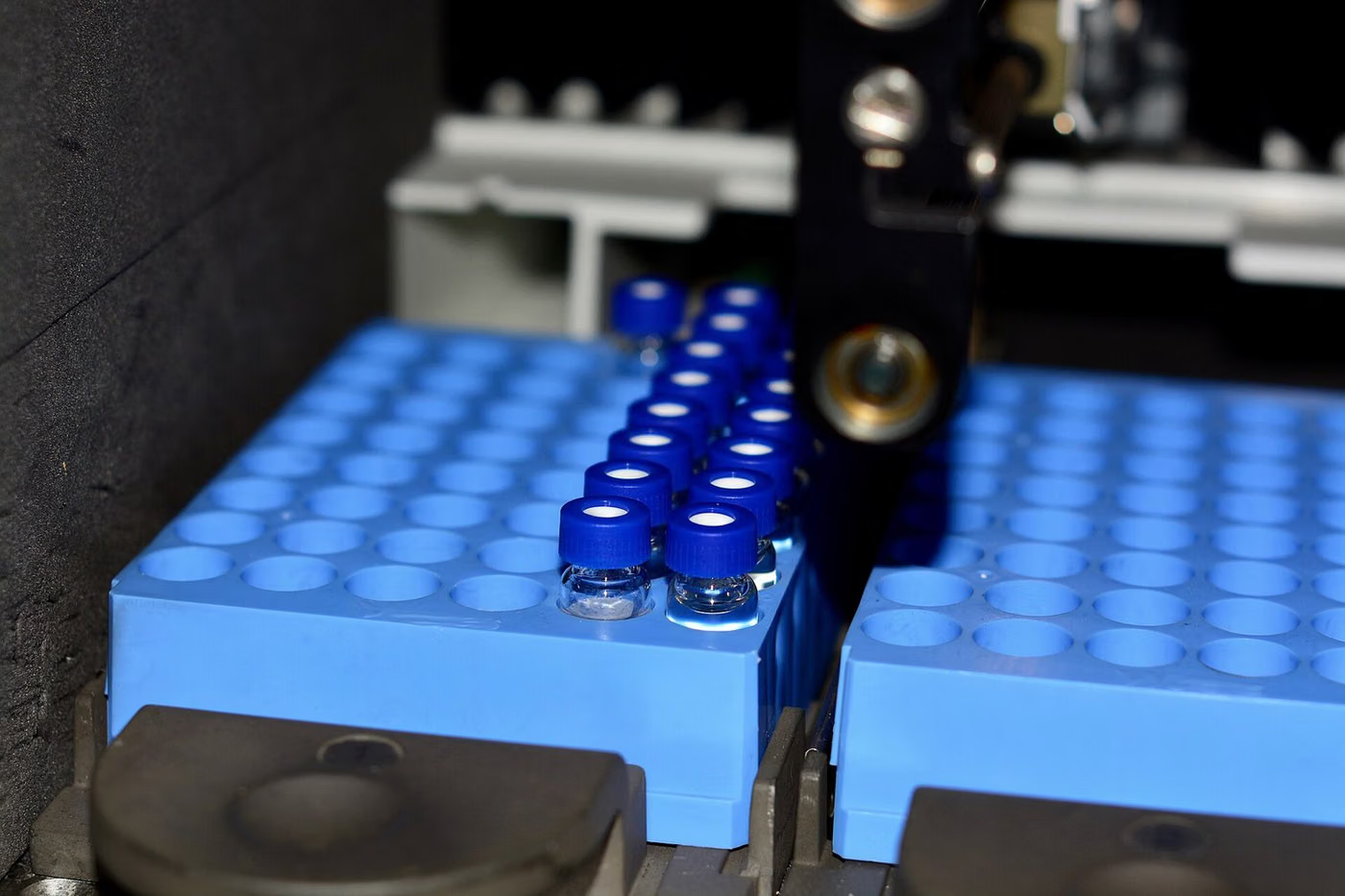
Analyses are carried out in several groups. Identity and assay (HPLC, UV, titration) show what the product is and how much active substance it contains. The impurity profile and residual solvents look for unwanted compounds arising from the manufacturing process. Elemental impurities address metals originating from catalysts and equipment. Dissolution and disintegration behaviour is the most important in vitro indicator of how the drug will be released in the body.
The DISSOLUTION TEST is one of the most critical measurements in the field. It is not enough for a tablet to contain the right amount of active substance; that substance must dissolve at a suitable rate. The dissolution profile is used to assess the effect of formulation changes on bioavailability and holds a central place in generic drug licensing.
METHOD VALIDATION is a mandatory step in this family. If a pharmacopoeial method is used, it is verified that the method works properly under that laboratory's conditions. If an in-house method has been developed, it is validated against parameters such as linearity, precision, accuracy, specificity, limits of detection and quantification, and robustness. A result produced with an unvalidated method cannot be used in a licence dossier.
Stability studies determine shelf life and are the longest-running work in the field. The product is held under defined temperature and humidity conditions, analysed at set intervals, and the results become the basis of the shelf life and storage condition claims. Accelerated conditions give preliminary information but real-time data is what counts.
The microbiological side is a separate body of work: microbial enumeration, testing for specified microorganisms, sterility testing for sterile products and the bacterial endotoxin test. For sterile products, packaging integrity and sterilisation validation also come into play.
Data integrity has moved to the centre of inspections in recent years. It is not enough for the result to be correct; the raw data must be traceable, unalterable and auditable. Validation of electronic record systems has therefore become an inseparable part of analysis.
Method groups in this field
Identity and assay
HPLC, UPLC, UV-Vis spectrophotometry, titration, identity confirmation by FTIR.
Impurities and residues
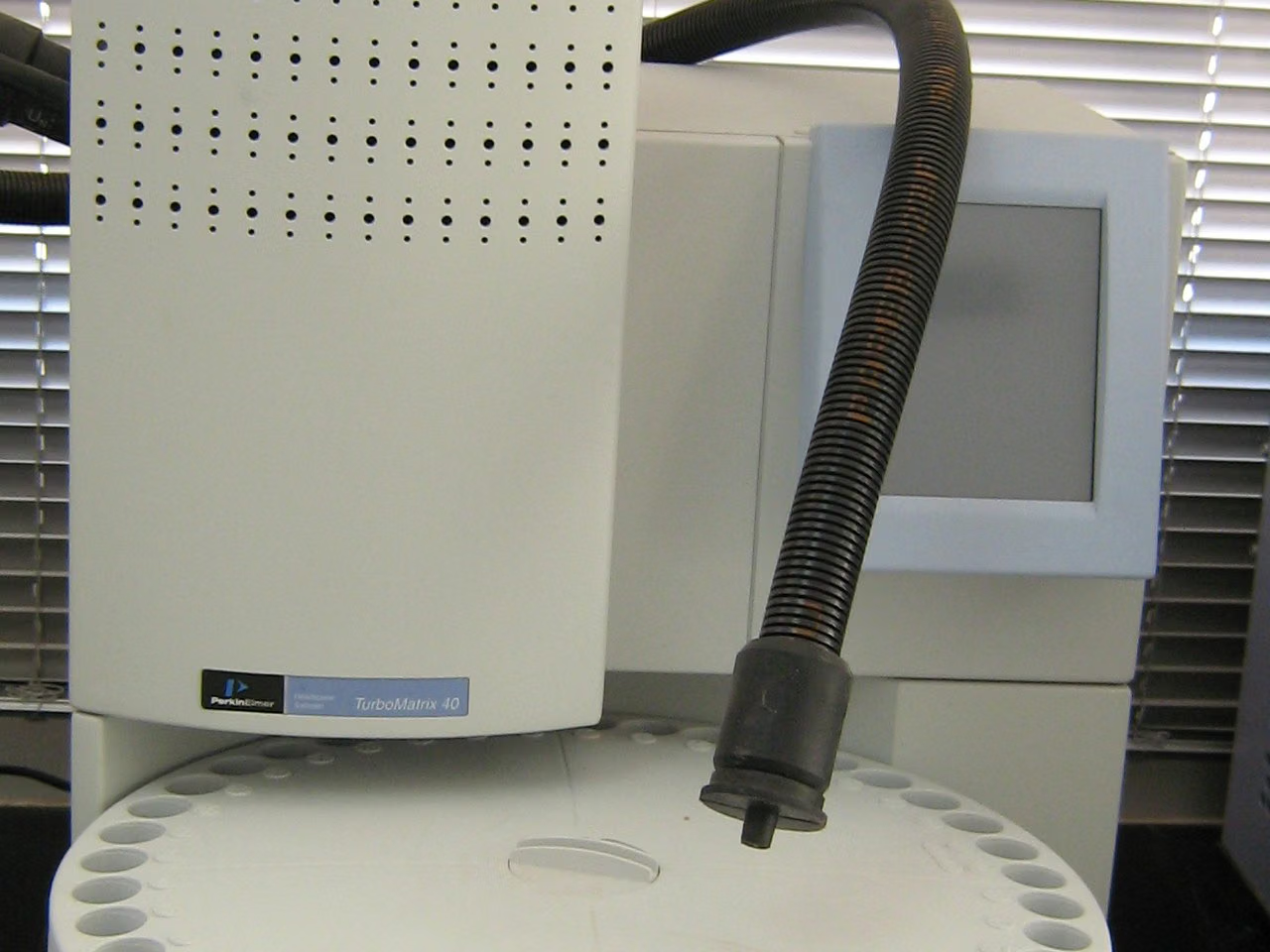
Related impurities, degradation products, residual solvents (GC headspace), nitrosamine screening.
Elemental impurities
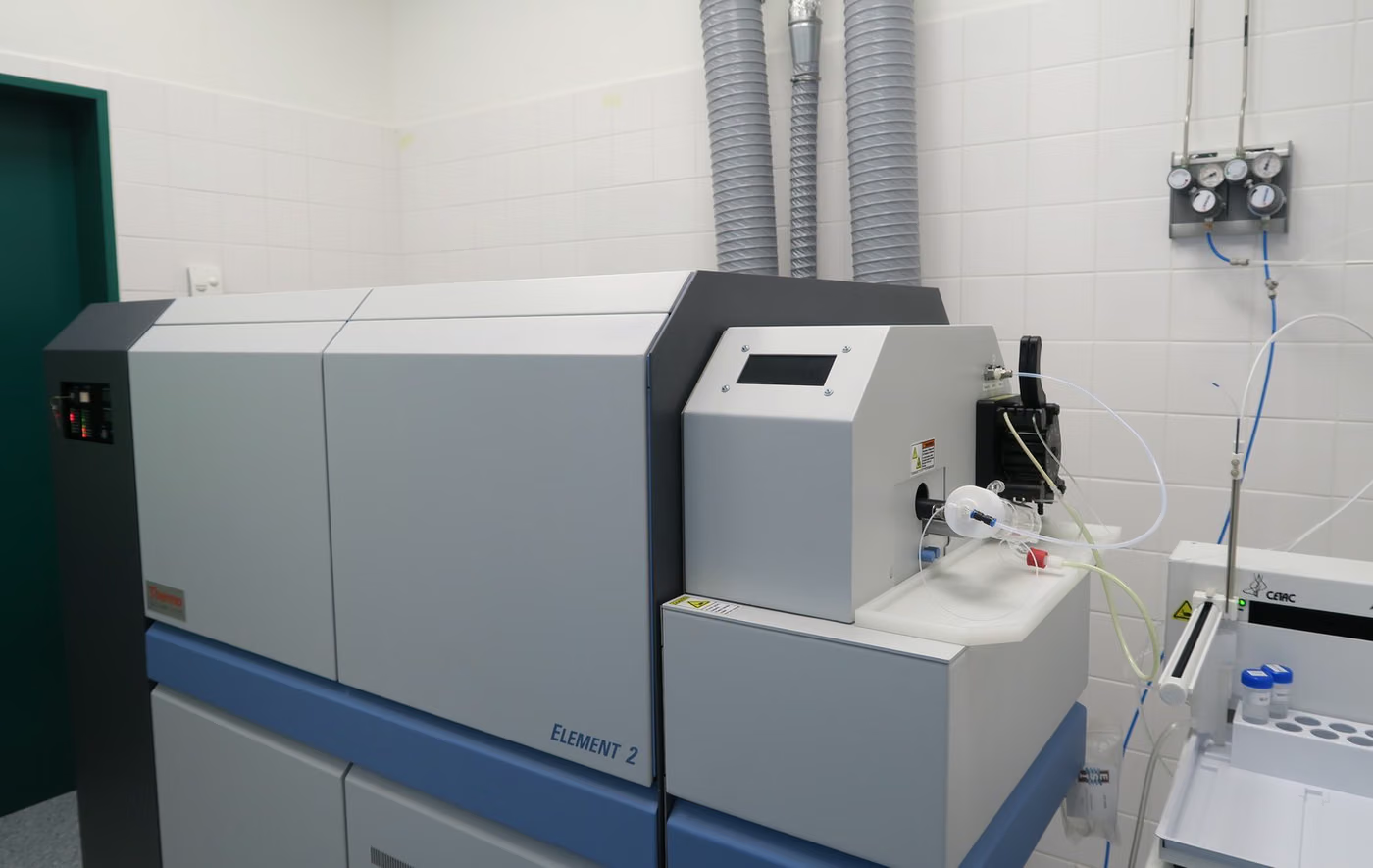
Determination of elemental impurities by ICP-MS and ICP-OES and the associated risk assessment.
Physicochemical
Dissolution and disintegration, hardness, friability, uniformity of dosage units, water content (Karl Fischer), particle size.
Microbiological
Microbial enumeration, specified microorganisms, sterility, bacterial endotoxin, preservative efficacy.
Stability
Real-time and accelerated stability studies; photostability and in-use stability.
Commonly confused in this field
- The pharmacopoeial method is binding; an alternative method may be used only by demonstrating its equivalence.
- A result produced without method validation cannot be used in a licence dossier.
- Accelerated stability does not replace real-time data; shelf life is supported by real-time results.
- The dissolution profile is sensitive to apparatus type, agitation rate and medium; the conditions must be complete in the report.
- A shortcoming in data integrity produces a non-conformity in an inspection even when the result is correct.
- A change of formulation or supplier requires analytical comparison and, where necessary, a new stability study.
Which decisions these results support
- The licence dossier and batch release
- Determining shelf life and storage conditions
- Method transfer and method validation
- Incoming raw material acceptance control from suppliers
- Assessing the effect of a formulation change on bioequivalence
Related Tests
Frequently Asked Questions About Sterility
Does the sterility test prove that my product is sterile?
No. The test is performed on a limited number of specimens and has a low probability of detecting low-level contamination. Sterility assurance is achieved through validation of the sterilisation process under ISO 11135 or ISO 11137; the sterility test is a supporting check.
Why is a method-suitability study necessary?
Antimicrobial substances migrating from the product can suppress growth in the culture medium; in that case, even a contaminated product gives a negative result. The suitability study shows that the product does not inhibit growth, and is a prerequisite for the test's validity.