
What Is Surveillance?
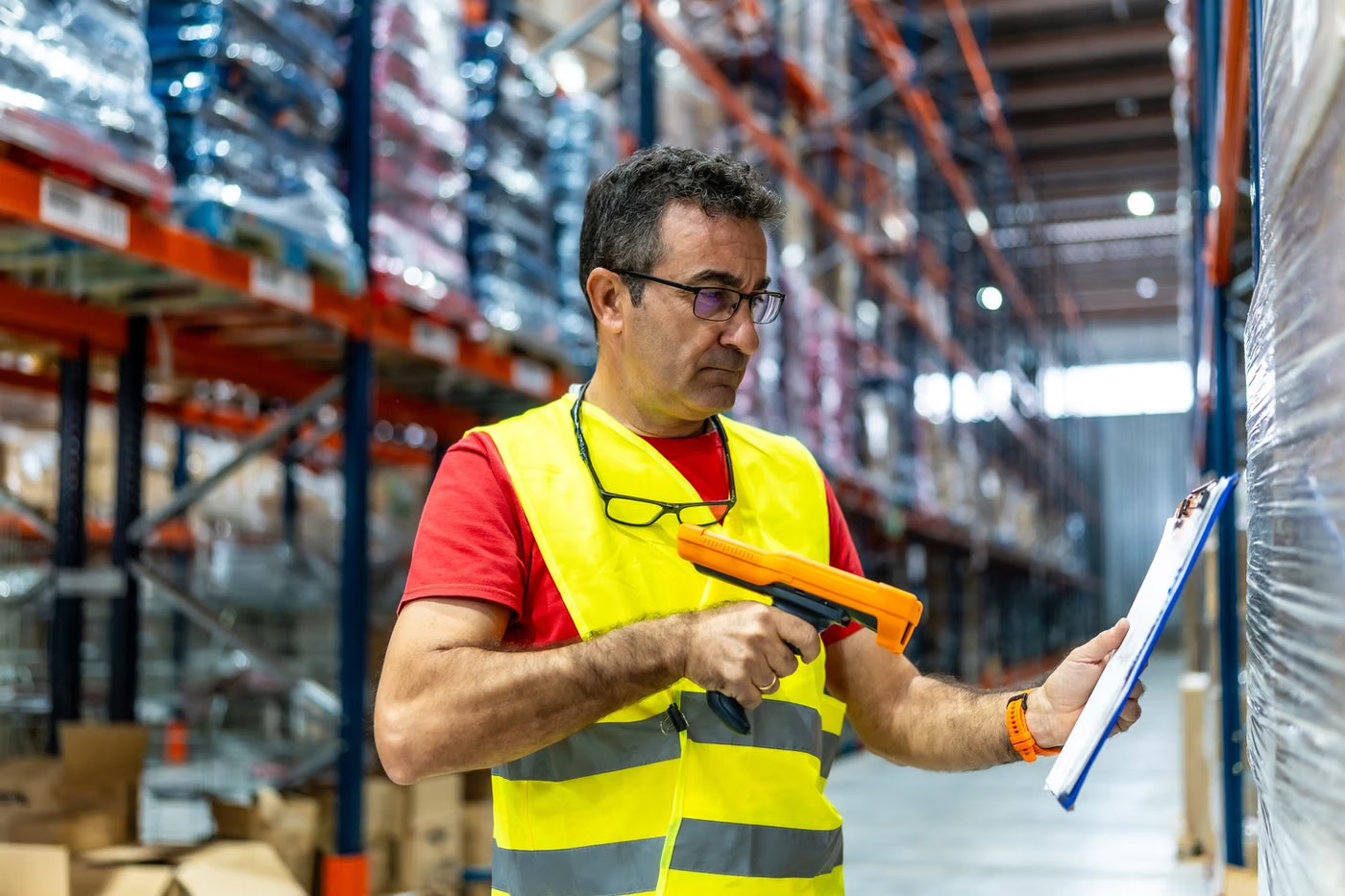
Quantity surveillance is the determination, by an independent surveyor, of the quantity of goods traded between the parties. The method depends on the nature of the goods: counting for packaged goods, weighing or volume/draft measurement for bulk cargo.
Why Is It Done?
The aim is that the quantity underlying the invoice and payment rests on a record both parties can accept. Quantity disputes are the most common source of disagreement in international trade.
Who Requests It?
- Buyer and seller companies
- Letter of credit parties and banks
- Commodity traders
- Insurance companies
- Customs brokers
Scope of Surveillance
- Count: by carton, pallet, unit and piece
- Weighing: determination of gross, tare and net weight
- Calibration and verification status of the scale used
- Volume or draft survey calculation for bulk cargo
- Verification of packaging weight (tare)
- Moisture content (for goods where it affects weight)
- Recording of the measurement method and tolerance
- Comparison with the quantity stated in the shipping documents
Related Standards
- ISO/IEC 17020
- OIML R76
- ISO 2859-1
Method and Equipment
- Calibrated scales and weighing systems
- Counting and recording equipment
- Volume measurement equipment
- Moisture meter
- Photographic recording equipment
Surveillance Process
- 1Appointment and InstructionsThe survey instruction is received in writing: scope, method to be applied, sampling plan, specification and reporting expectations are clarified. The scope of the instruction also sets the limits of the report.
- 2Collection of Shipment DataContract or letter-of-credit terms, the proforma invoice, the packing list and earlier analysis reports are reviewed; the date and place of the survey are planned.
- 3Site PreparationThe surveyor attends the location; warehouse, terminal or vessel conditions and the suitability of weighing and measuring equipment are assessed.
- 4Carrying Out the SurveyQuantity determination, sampling, inspection and the required measurements are performed by the defined method; every step is documented with photographs and records.
- 5Sample HandlingWhere samples are taken they are sealed, labelled and distributed between the parties; a witness sample is retained. If analysis is required, samples are dispatched to the laboratory.
- 6Recording of FindingsAny nonconformity, damage or shortage found is recorded on the spot and reported to the principal.
- 7ReportingThe survey report is issued; its scope and the time and place of the survey are stated explicitly. Where a letter of credit so requires, a survey certificate is issued in the format demanded.
Surveillance Report
- Details of the survey company, the surveyor and the principal
- Date, time and place of the survey
- Description of the goods, batch/lot and reference documents
- Survey method applied and the sampling plan, if any
- Measurement and weighing results, equipment used and its calibration data
- Condition of packaging, marking and stowage
- Nonconformities, shortages or damage found
- Photographic records
- Sample seal numbers and retention details
- Statement of the limits of the survey's scope
- Quantity determination method applied
- Scale/measurement equipment and calibration information
- Gross, tare and net values
- Assessment of discrepancy and tolerance against shipping documents
Limits of the Report
A survey report records the condition of the goods AT THE TIME and AT THE PLACE of the survey, and no further. It is not a quality guarantee, a certificate of conformity or an insurance cover. Where the survey is based on sampling, the result represents only the sample drawn; it gives no absolute assurance for the whole lot. Changes arising during handling, transport or storage after the survey fall outside the scope of the report.
Accreditation
Surveillance activities are carried out under ISO/IEC 17020, which requires the impartiality of the survey body, the competence of its personnel and the validity of the survey methods. The impartiality rule is decisive: a survey body may not be a party to the trade in, or the manufacture of, the goods it surveys. EUROLAB holds internationally recognised accreditation under ISO/IEC 17020, granted by accreditation bodies that are signatories to the ILAC mutual recognition arrangement; because accredited scope is defined per type of surveillance, it is confirmed in writing at the quotation stage.
Scope and authorisationsRelated Surveillance Services





Frequently Asked Questions
Is a weighing discrepancy normal?
A certain tolerance exists in every measurement and should be defined in the contract. For goods with variable moisture content (grain, coal, textile raw materials), weight changes over the course of transport; for this reason, the location and conditions under which the weighing was performed are recorded in the report.
Can the count be performed by sampling?
It can, but in that case the report clearly states that it is sampling-based. If a full count is required, this must be specified in the instructions; the two approaches differ in cost and level of assurance.
Is the surveillance report a quality guarantee?
No, it is not. The report documents the condition found at the time and place of the survey. Changes the goods undergo during subsequent transport, handling and storage are outside the scope of the report, and the surveillance body is not responsible for them.
How is the surveyor's independence ensured?
Surveillance is carried out under ISO/IEC 17020, which requires impartiality and the prevention of conflicts of interest. The surveillance body cannot be a party to the buying or selling of goods it surveys.
How long does it take to issue the report?
Preliminary findings are communicated the same day the fieldwork is completed. The final report depends on the arrival of laboratory results if analysis is required; the timeframe is specified in writing at the quotation stage.