
About the Standard
Scope title: environmental and performance testing of ammunition fuzes
MIL-STD-331 is a standard published by US Department of Defense Military Standards (MIL-STD). It publishes environmental, EMC and qualification standards for military equipment; MIL-STD-810 and MIL-STD-461 are the most widely used.
See the other 11 codes from MIL-STDCoverage areas
Savunma Testleri — What Does This Testing Field Cover?
The section below describes the field that code MIL-STD-331 belongs to; it is not the text of the standard or the regime itself. The scope title of the code is given above, and technical requirements are shared at the quotation stage.
Defence testing shows that equipment keeps working in a military mission environment. What distinguishes it from civil testing is not only the severity of the levels; the ASSUMPTION ITSELF is different. The equipment must work on the first attempt, after months of storage, in an environment where maintenance is not available, inside a platform crowded with its own transmitters and receivers.
This assumption shapes the test plan. For a civil product "normal use" can be defined; for military equipment what is defined is the LIFE CYCLE ENVIRONMENTAL PROFILE: the exposure of every stage is listed — from manufacture to storage, from storage to shipment, to transport on a vehicle, to use in the field and to maintenance — and the testing is derived from that list.
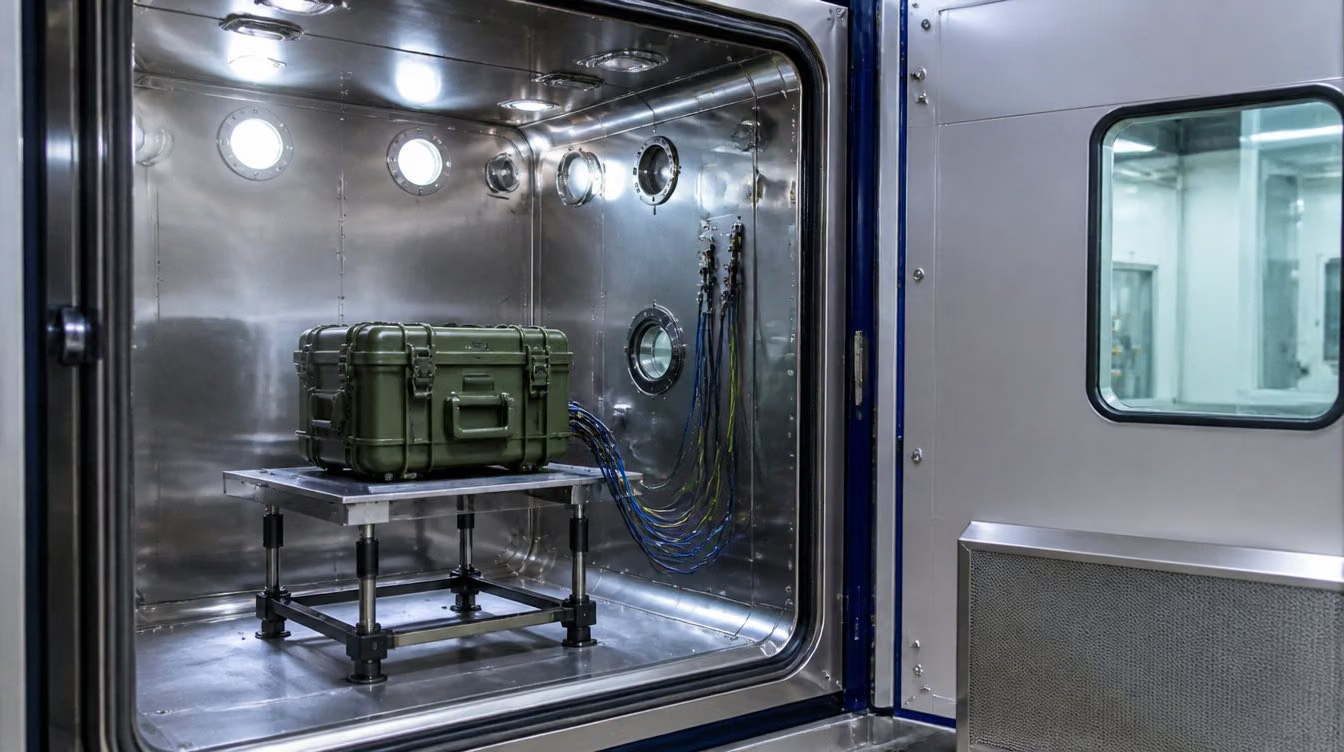
On the environmental side, MIL-STD-810 methods are applied: temperature, humidity, altitude, rain, sand and dust, salt fog, fungus, shock, vibration, explosive atmosphere and gunfire vibration. The standard itself sets no acceptance criterion; which method is applied at which level, and what is acceptable, come from the programme specification.
On the electromagnetic side, MIL-STD-461 requirements come into play and interference within the platform is controlled. It measures the same physics as civil EMC but with a different assumption: the equipment will operate on a platform crowded with its own radars and radios, and interference inside the platform puts the mission directly at risk. The limits are therefore far stricter.
Power quality is a separate body of work. MIL-STD-1275 for military vehicles and MIL-STD-704 for aircraft define the supply characteristics: voltage ranges, transients, ripple and interruption behaviour. This is where commercially derived equipment most often gets stuck when integrated into a military platform.
On the shock side, naval vessels carry their own regime: the MIL-S-901 high-impact shock test simulates the effect of an underwater explosion and tests the equipment on a real impact machine. This is an entirely different scale from classical laboratory shock testing.
The suitability of commercial off-the-shelf (COTS) equipment for military use is a growing subject in the field. Cost and lead time pressures encourage the use of commercial products; but a commercial product is not considered suitable unless it has been through the military profile, and a gap analysis plus additional qualification is required.
In this family the test plan comes from the PROGRAMME SPECIFICATION. The phrase "complies with MIL-STD-810" is therefore not a verifiable claim on its own; which method, which procedure, which level and which revision must all be answered.
Method groups in this field
Environmental
MIL-STD-810 methods: temperature, humidity, altitude, solar radiation, rain, sand and dust, fungus, salt fog, immersion, explosive atmosphere.
Mechanical
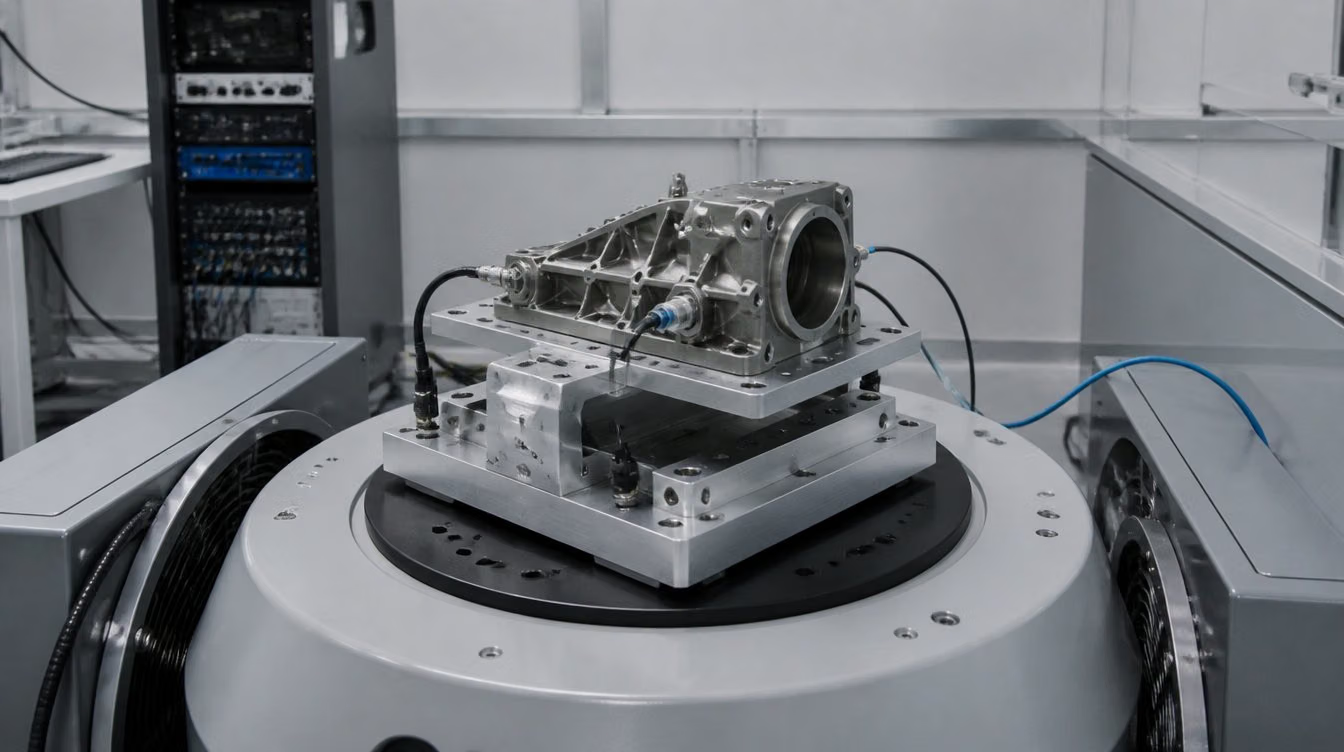
Vibration (random, sine, gunfire), shock, acceleration, free fall and transport simulation.
Electromagnetic
MIL-STD-461 CE/CS/RE/RS requirements; MIL-STD-464 at platform level.
Power quality
Conformity to the MIL-STD-1275 vehicle and MIL-STD-704 aircraft supply characteristics.
High-impact shock
The MIL-S-901 naval shock test; simulation of the effect of an underwater explosion.
Component qualification
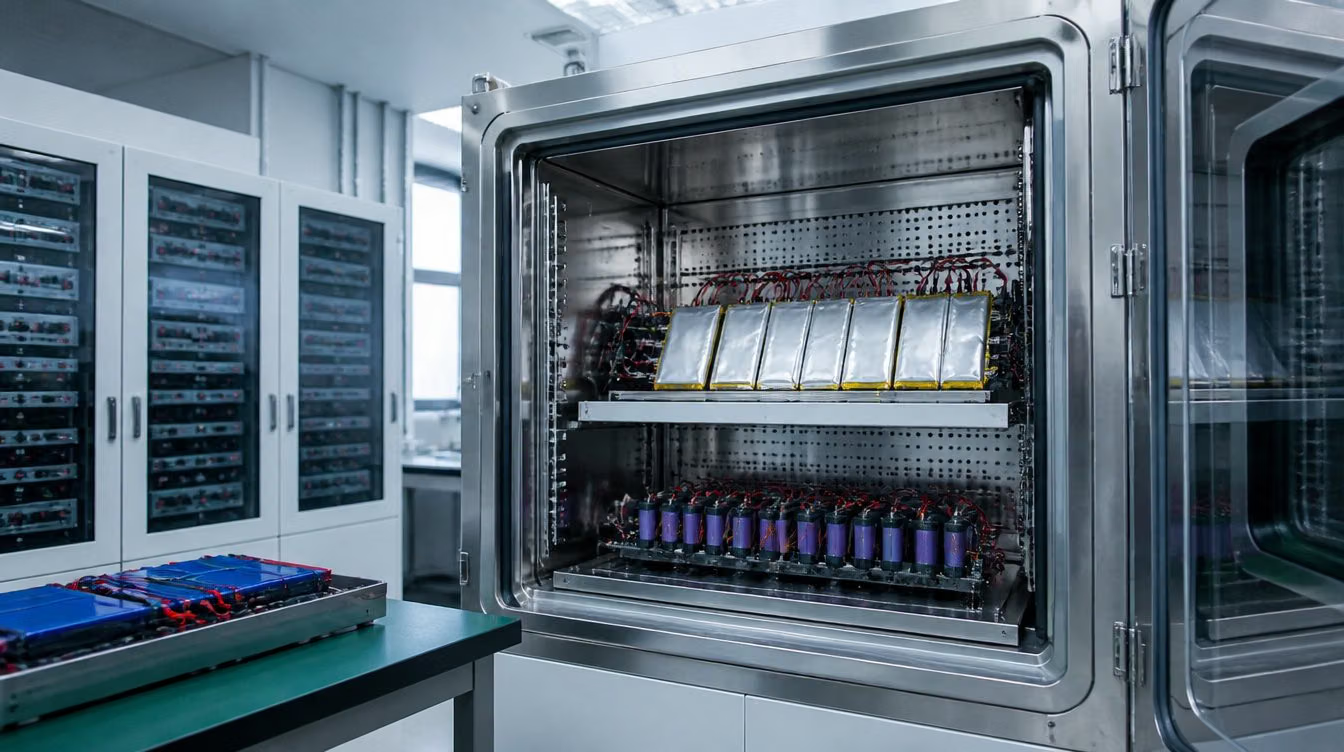
MIL-STD-883 microelectronics and MIL-STD-202 electronic parts test methods.
Commonly confused in this field
- The phrase "MIL-STD-810 certified" is incorrect; the standard produces no certificate, the output is a qualification report.
- A conformity claim that does not state the method, procedure and level cannot be verified.
- The revision letter (F, G, H) changes the content of methods and the procedure numbers; the specification must state the revision.
- A civil EMC report does not replace MIL-STD-461; the limits, distances and set-ups are different.
- Power quality is the requirement most often skipped when integrating a commercial product into a military platform.
- Applying a method does not show that the equipment maintains its function in that environment; the functional acceptance criterion is defined separately.
Which decisions these results support
- Qualification under a supply contract
- Component verification before platform integration
- Suitability of commercially derived equipment for military use and gap analysis
- Specification compliance in NATO and export programmes
- Establishing the life cycle environmental profile
Structure of the Code
- Published by
- MIL-STD
- Serial number
- 331
- Part
- without partition
Codes in the library without release year is kept. The current version changes over time; If the year is specified in your specification, that version is taken as basis, if not specified, the most current version is applied.
Scope
Related Tests and Services
A separate test page based on this code has not yet been released. The code falls within the scope of the following test families.
Technical Requirements
Standard texts are copyright of the relevant organization; test condition, sample and acceptance criteria cannot be fitted here.
Technical requirements specific to your product, once we clarify the scope At offer stage shared in writing.
Related Standards
Frequently Asked Questions
Is this standard mandatory for my product?
Whether it is mandatory depends on the product group, the target market and the applicable legislation. Once you tell us your product and market, we clarify in writing whether this standard is required.
How long does the test process take?
Duration depends on the scope of the standard, the number of specimens and current capacity. The exact duration is shared, together with the specimen and scope details, at the quote stage.
Do you issue certification against this standard?
Which activity is carried out under which accreditation scope is separately confirmed at the application stage. Up-to-date scope information is published on our corporate page.
What happens if the standard I need is not here?
The library is based on a continuously growing inventory. If you cannot find the code you are looking for, you can send it through the quote form; we will assess the relevant scope and get back to you.