
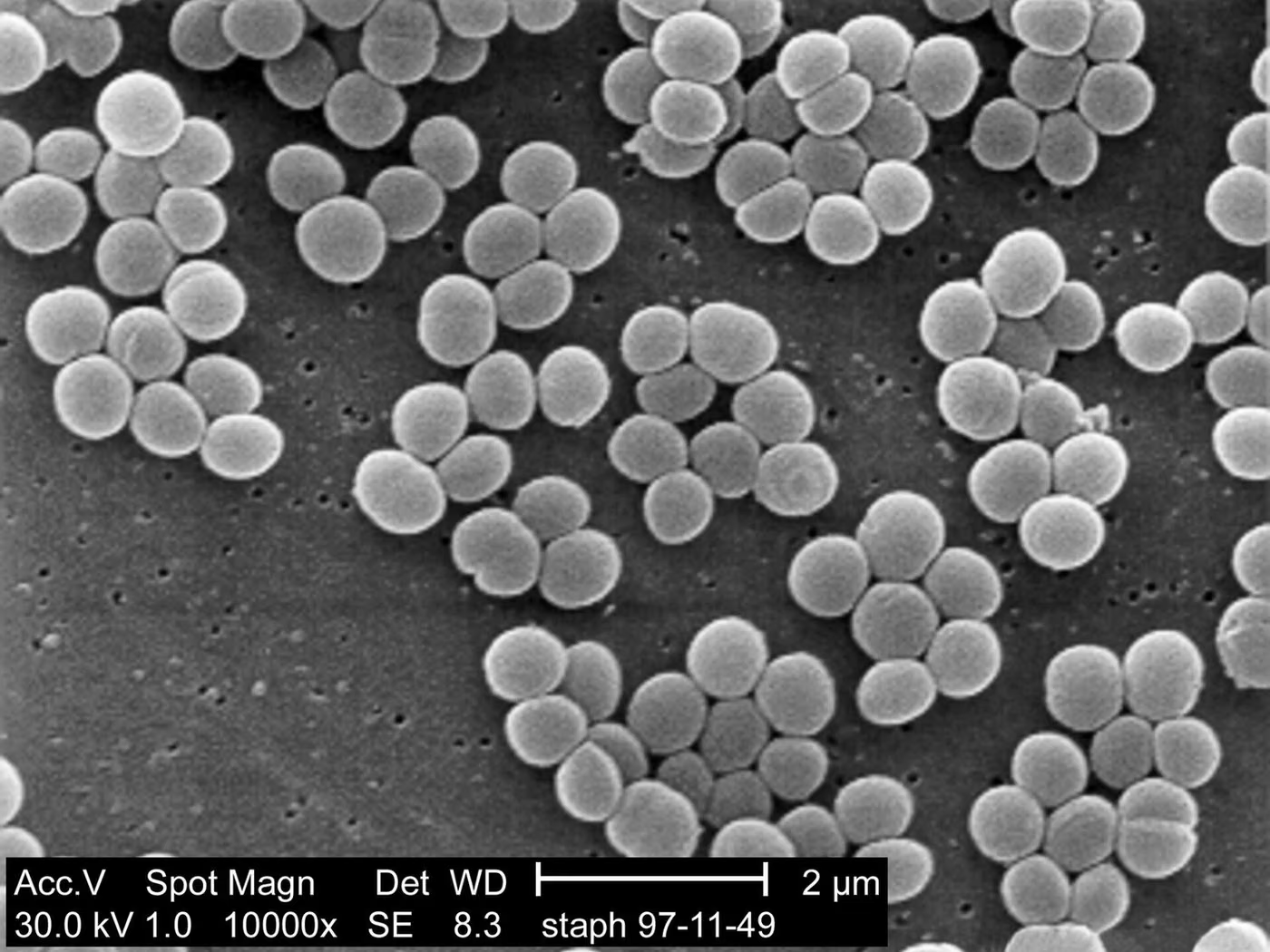
What Is Staphylococcus?
Coagulase positive staphylococcus analysis is the determination of the number of staphylococci that can produce enterotoxin, especially Staphylococcus aureus. Staphylococci that reach high numbers produce heat-stable enterotoxin; This toxin is not broken down by cooking. Therefore, in addition to counting, direct enterotoxin detection can also be performed.
Purpose of Staphylococcus
The aim is to determine whether this bacterium, which is mostly transmitted through hand contact, has reached a dangerous level in the product and to evaluate the risk of toxin formation.
Which Products Is Staphylococcus Applied To?
- Prepared meals processed by hand
- Cheese and dairy products
- Delicatessen and sliced meat products
- Cream cakes and desserts
- Salad and sandwich products
In Which Sectors Is Staphylococcus Used?
Standards Related to Staphylococcus
- TS EN ISO 6888-1/-2/-3 (coagulase positive staphylococcus count)
- TS EN ISO 19020 (stafilokokal enterotoksin tespiti)
- TS EN ISO 6887 series (sample preparation)
Staphylococcus Conditions
- Culture medium
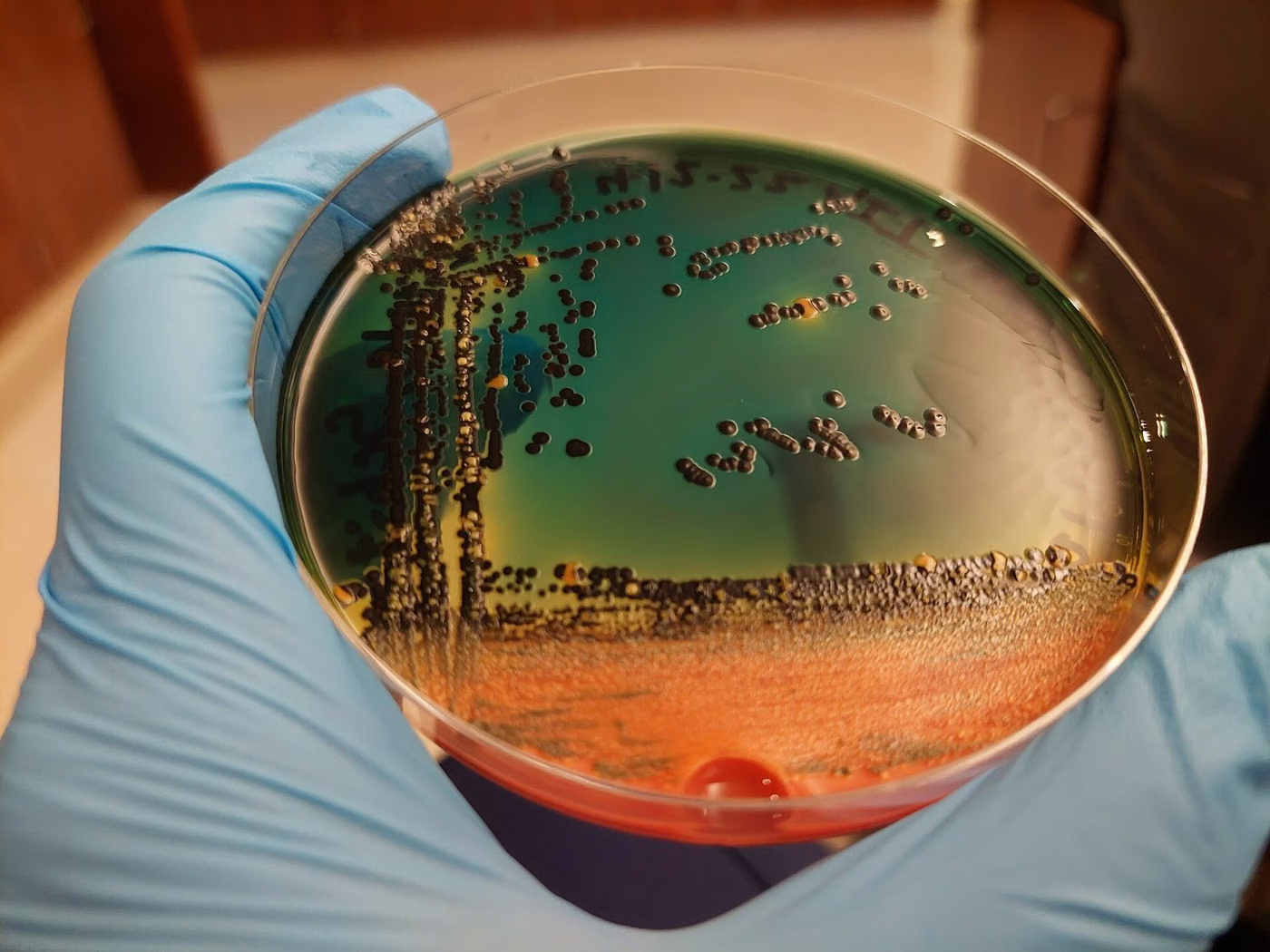
- Selective media defined in the standard (Baird-Parker etc.)
- Incubation
- At standard defined temperature and time
- Verification
- Confirmation with coagulase test
- Toksin
- If the count is high, enterotoxin detection is performed separately.
Equipment for Staphylococcus
- Sterile cabinet and incubators
- Coagulase test reagents
- Enterotoxin detection system (immunological)
- Stomacher and autoclave
Sample Requirements for Staphylococcus
- The sample must be sent unopened and in its original packaging, maintaining the cold chain. Whether the sampling method is representative of the batch determines the validity of the result; The result from a single unit is not enough to make a decision about the party.
- Sampling points should be diversified for manually processed products.
- Sufficient sample quantity is required if toxin analysis is desired
- Sampling plan must be appropriate to the product category
Duration of Staphylococcus
Counting continues until incubation and coagulase verification. Enterotoxin detection is an additional study and adds time.
Staphylococcus Procedure
- 1The sample is prepared and diluted aseptically.
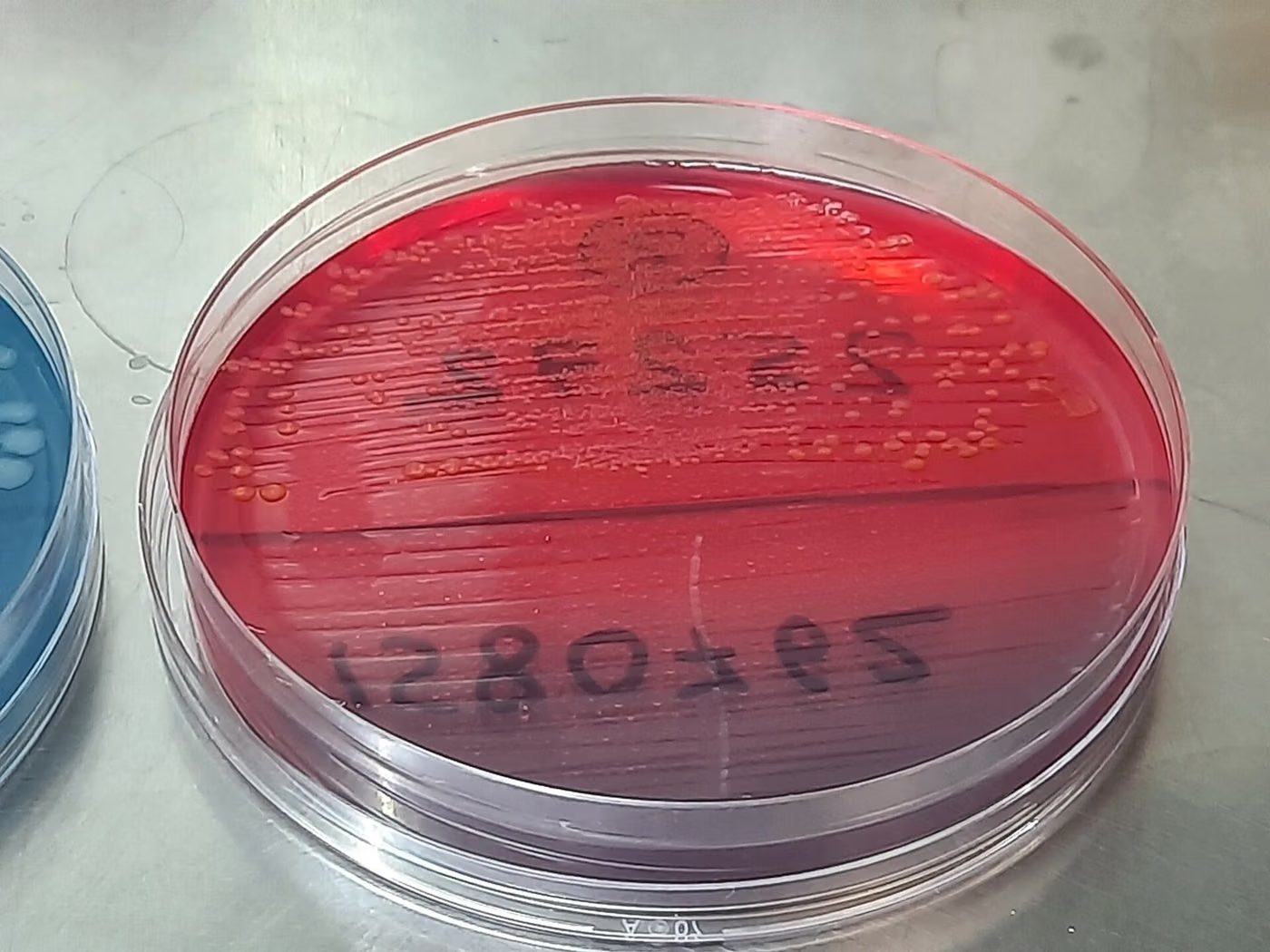
- 2Broadcast planting is done on selective media.
- 3It is incubated at defined temperature and time.
- 4They are considered typical colonies.
- 5Confirmation is made by coagulase test.
- 6If necessary, enterotoxin detection is applied.
Staphylococcus Acceptance Criteria
(EC) 2073/2005 defines process hygiene criteria for coagulase-positive staphylococci; If a certain level is exceeded, investigation for staphylococcal enterotoxin is envisaged. Enterotoxin detection is a food safety criterion. Acceptance criteria are microbiological criteria defined on a food category basis in (EU) 2073/2005. The regulation distinguishes two types of criteria: the food safety criterion (can the product be placed on the market) and the process hygiene criterion (is the production process under control). Which one applies depends on the product category and is confirmed by the text of the applicable regulation.
Evaluation of Results
Toxin and live bacteria are evaluated separately: heat treatment kills the bacteria but does not break down pre-formed enterotoxin. So a low bacterial count doesn't mean no toxins are present; If high numbers have been reached in the production history, the toxin should be investigated.
Staphylococcus Report
- Specimen identification and batch information
- Applied standard and medium
- Counting result and measurement uncertainty
- Coagulase verification result
- Varsa enterotoksin tespiti sonucu
Accreditation
EUROLAB holds internationally recognised accreditation obtained from accreditation bodies party to the IAF and ILAC multilateral recognition arrangements, under ISO/IEC 17025 for laboratory testing, ISO/IEC 17020 for inspection and surveillance, and ISO/IEC 17021-1 and ISO/IEC 17065 for system and product certification. This chain ensures the reports and certificates issued are accepted worldwide.
Whether this test can be offered within accredited scope depends on your product and the standard applied; since accreditation is method-based, the scope is confirmed in writing at the quotation stage.
Scope and authorisationsRelated Regulations
- (EC) 2073/2005 Microbiological Criteria Regulation
- Food Hygiene Regulation (EC) 852/2004
Food Testing — What Does This Testing Field Cover?
The section below describes the field that the Staphylococcus test belongs to; the conditions and acceptance criteria of this particular test are given in the sections above. The scope specific to your product is confirmed in writing at the quotation stage.
Food testing shows that a product is safe for consumption and contains what its label states. The family works along three axes: microbiological safety, chemical safety and nutritional composition. All three require different laboratory infrastructure, a different body of methods and a different turnaround time.
The most distinctive feature of the field is TIME PRESSURE. A steel specimen can wait on a shelf; a raw milk or fresh meat sample cannot. The time the sample was taken, the transport temperature and how long it takes to reach the laboratory directly determine the validity of the result. In food microbiology the cold chain record is therefore an inseparable part of the test report.
On the microbiological side there are two different questions and they must not be confused. DETECTION of a pathogen is a qualitative question: is Salmonella present in the sample or not? ENUMERATION of indicator organisms is a quantitative question and an indicator of production hygiene. The absence of a pathogen in a product does not show that hygiene is good; if the total mesophilic aerobic count is high, there is a problem in the process.
On the chemical side, pesticide residues, mycotoxins, heavy metals, additives, veterinary drug residues and process contaminants (acrylamide, furan, PAH) are measured. Multi-residue methods in this area (QuEChERS-based LC-MS/MS and GC-MS/MS) can screen hundreds of active substances in a single analysis; limits are defined separately for each product–substance pair.
On the composition side, protein, fat, moisture, ash, fibre, sugar profile, fatty acid composition, vitamin and mineral content are determined. These values are the basis of the nutrition declaration on the label and the tolerance ranges are defined in legislation — the difference between the declared value and the measured value must stay within that tolerance.
There is NO CE marking on food, and this shapes how the field works. Conformity is demonstrated through operating a HACCP-based food safety system, complying with labelling rules and not exceeding contaminant, residue and microbiological limits. A test result produces evidence not for a certificate but for a functioning system.
Allergen management carries particular weight. The presence of an undeclared allergen in a product is one of the most frequent causes of food recalls. Analysis here runs together with cleaning validation: it is shown that the line has been cleaned adequately after a production run containing an allergen and that the risk of cross-contamination is under control.
Voluntary schemes have become effectively mandatory in this field. Retail chains require their suppliers to hold a certificate under a GFSI-recognised scheme (BRCGS, IFS, FSSC 22000); without it, getting onto the shelf is practically impossible.
Method groups in this field
Pathogen detection
Detection of Salmonella, Listeria monocytogenes, Campylobacter, Cronobacter and Shiga toxin-producing E. coli; culture-based and molecular methods.
Indicator counts
Total mesophilic aerobic count, Enterobacteriaceae, coliforms and E. coli, coagulase-positive staphylococci, yeasts and moulds, lactic acid bacteria, sulphite-reducing Clostridia.
Pesticide and veterinary residues
Multi-residue screening by LC-MS/MS and GC-MS/MS with QuEChERS extraction.
Mycotoxins and contaminants
Aflatoxins, ochratoxin A, deoxynivalenol, patulin; heavy metals (ICP-MS), acrylamide and PAH compounds.
Nutritional composition
Kjeldahl protein, fat and fatty acid profile, moisture, ash, dietary fibre, sugar profile, vitamin and mineral analyses.
Allergens and authenticity
Gluten, milk, egg, nut and soy allergen analyses; molecular methods for species identification and adulteration detection.
Commonly confused in this field
- Sampling is half the result. A sample transported at the wrong temperature or delayed gives an invalid result even if it is analysed correctly in the laboratory.
- The absence of a pathogen does not show that hygiene is good; indicator counts give separate information and the two are read together.
- A result from a sample taken from a lot can be generalised to the whole lot only if the sampling plan was set up statistically.
- Limits are defined in separate regulations by product group and are updated regularly; a conformity decision based on an outdated limit table may be wrong.
- For exports, the limits of the destination country may differ from EU limits; the same product may be compliant in one market and non-compliant in another.
Which decisions these results support
- Verification of the HACCP plan and process monitoring
- The basis for the nutrition declaration and allergen information on the label
- Health certificates before export and compliance with destination market limits
- Supplier and lot-based acceptance control
- Shelf-life studies and determining storage conditions
- Producing evidence for audits under GFSI-recognised schemes
Related Tests
Frequently Asked Questions About Staphylococcus
We cook the product, is there any risk of staphylococcus?
It does not remain in terms of bacteria, but it may remain in terms of toxins. Staphylococcal enterotoxin is heat stable and does not break down at normal cooking temperatures. The way to prevent the risk is to ensure that the bacteria never reaches high numbers.