
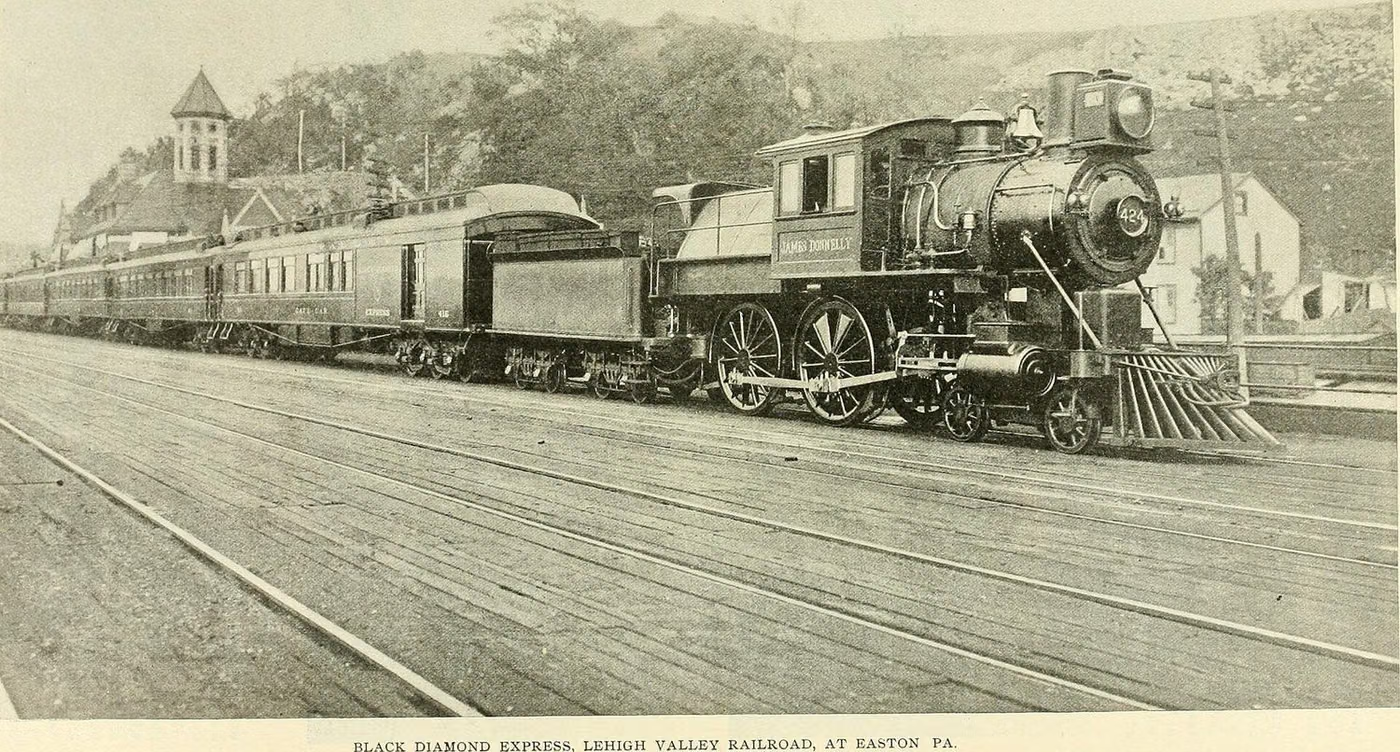
What Is Railway Cybersecurity?
Railway cyber security testing is the study in which rail system components are evaluated in terms of zone and channel separation, authentication, authorization, data integrity and event recording requirements according to EN 50701 and IEC 62443 series.
Purpose of Railway Cybersecurity
The aim is to demonstrate through risk assessment and experimentation that cyber security vulnerabilities do not jeopardize safety and usability.
Which Products Is Railway Cybersecurity Applied To?
- On-board communication and control systems
- Signaling and traffic management systems
- Passenger information and Wi-Fi systems
- Remote maintenance and diagnostic interfaces
In Which Sectors Is Railway Cybersecurity Used?
Standards Related to Railway Cybersecurity
- EN 50701
- IEC 62443-3-3
- IEC 62443-4-1
- IEC 62443-4-2
- EN 50155electronic equipment in railway vehicles test
- EN 50121electromagnetic compatibility in railway applications test
- EN 45545fire safety in railway vehicles test
- IEC 61373vibration and shock in railway vehicle equipment test
Railway Cybersecurity Conditions
- Risk assessment
- Asset inventory, region and channel definition, threat and risk analysis
- Security level
- SL targets (SL-T) defined in IEC 62443
- Component requirements
- Evaluation according to component requirements in IEC 62443-4-2
- The test
- Vulnerability scanning, robustness tests and penetration tests
Equipment for Railway Cybersecurity
- Network traffic analysis and protocol testing tools
- Vulnerability scanning platform
- Protocol fuzzing tools
- Isolated test network and system simulation
Sample Requirements for Railway Cybersecurity
- System architecture, region and channel definition must be documented
- Asset inventory and software component list (SBOM) should be ready
- The target security level must be defined
- Experiments should be carried out in an isolated environment, not in a business.
Duration of Railway Cybersecurity
Typically 6–12 weeks depending on coverage.
Railway Cybersecurity Procedure
- 1Asset inventory and region/channel model are created.
- 2Threat and risk assessment is made.
- 3Target security levels are determined.
- 4Gap analysis is conducted against component requirements.
- 5Vulnerability scanning and durability tests are applied.
- 6Findings are reported according to risk level.
Railway Cybersecurity Acceptance Criteria
The acceptance criterion is that the requirements defined in IEC 62443 for the target security level are met and the remaining risk is acceptable.
Evaluation of Results
Cybersecurity assessment is not a one-time experiment; Vulnerabilities become apparent over time and the software update process is part of the evaluation. Safety (RAMS) and security are separate but interactive issues; A safety measure must not impair the safety function.
Railway Cybersecurity Report
- System architecture, region and channel model
- Asset inventory and component list
- Target security levels
- Gap analysis and experimental findings
- Remaining risk and corrective action plan
Accreditation
EUROLAB holds internationally recognised accreditation obtained from accreditation bodies party to the IAF and ILAC multilateral recognition arrangements, under ISO/IEC 17025 for laboratory testing, ISO/IEC 17020 for inspection and surveillance, and ISO/IEC 17021-1 and ISO/IEC 17065 for system and product certification. This chain ensures the reports and certificates issued are accepted worldwide.
Whether this test can be offered within accredited scope depends on your product and the standard applied; since accreditation is method-based, the scope is confirmed in writing at the quotation stage.
Scope and authorisationsRelated Regulations
- Railway Safety legislation
- NIS2 and national critical infrastructure requirements
Demiryolu Testleri — What Does This Testing Field Cover?
The section below describes the field that the Railway Cybersecurity test belongs to; the conditions and acceptance criteria of this particular test are given in the sections above. The scope specific to your product is confirmed in writing at the quotation stage.
Railway testing shows that vehicles and components operate safely and reliably in the rail environment. The character of this family comes from the ASSUMPTION OF LONG LIFE: a rail vehicle is designed for a service life exceeding thirty years and its components remain under vibration, temperature cycling and intensive use throughout that period.
Long life also shapes the component supply chain. Spare parts must remain available for thirty years, electronic components going out of production must be replaced, and every substitution must be re-verified. This takes railways out of a "certify once and carry on" logic.
Fire safety is the most tightly regulated part of the field and runs through the EN 45545 series. The logic of the series rests on the LOCATION OF USE and the OPERATION CATEGORY: a metro running in tunnels and an intercity train do not carry the same risk, and seat fabric and cable are not assessed in the same category. Evacuation time is the main factor setting these categories; because evacuation takes longer in an enclosed tunnel, the material requirements become stricter.
For electronic equipment, EN 50155 is the framework standard and carries environmental, electrical and functional requirements together: supply voltage variations, temperature classes, humidity, vibration and shock. On the vibration and shock side the EN 61373 categories are used and these differ by mounting location — a box mounted on the body and a sensor mounted on the bogie do not go through the same profile.
On electromagnetic compatibility the EN 50121 series applies and addresses a problem peculiar to railways: the traction system switches at very high power and can affect both the systems on board and the signalling along the line. The series therefore carries separate parts for the vehicle, lineside installations and signalling.
For safety-related systems a separate body of work applies, and here the evidence is not testing but PROCESS: EN 50126 (RAMS), EN 50128 (software) and EN 50129 (safety-related electronic systems) define the safety life cycle and the safety integrity levels (SIL). Signalling and brake control systems are assessed within this framework.
On the quality side, the sector's own scheme IRIS (ISO/TS 22163) comes into play; major vehicle manufacturers require this certificate from their suppliers.
On the mechanical structure side, the car body and bogie frame have standards of their own: structural verification under static and fatigue loads, weld quality and crashworthiness. These tests are carried out on full-scale rigs and can take months.
Method groups in this field
Fire safety
Classification of materials and components under EN 45545; the requirement set according to operation and design category.
Electronic equipment
EN 50155 environmental and electrical requirements; supply interruptions, temperature classes, humidity and degree of protection.
Vibration and shock
EN 61373 categories; body, bogie and axle-mounted profiles according to mounting location.
Electromagnetic compatibility
The EN 50121 series: separate parts for the vehicle, lineside installations and signalling.
Safety life cycle
EN 50126 RAMS, EN 50128 software and EN 50129 safety-related systems; SIL determination and the safety case.
Structural verification
Static and fatigue loads on the car body and bogie frame, weld quality, crashworthiness.
Commonly confused in this field
- EN 45545 requirements vary with the location of use and the operation category; there is no single "railway fire class".
- Conformity to EN 50155 does not cover the vibration requirements; EN 61373 is applied in addition.
- A civil EMC report is not sufficient for railways; the EN 50121 series defines a different environment and different limits.
- For safety-related systems, testing alone is not evidence; safety life cycle records are required.
- A component change (even one driven by obsolescence) requires re-verification; in long-life projects this is routine work.
- An IRIS certificate is not a product approval; it is a quality system certificate.
Which decisions these results support
- Vehicle and component approval, operator acceptance processes
- Material selection according to the fire safety category
- The safety case and SIL evidence for safety-related systems
- Supply chain quality certification
- Continuity of component supply and change management
Related Tests

Frequently Asked Questions About Railway Cybersecurity
According to which standard is Railway Cybersecurity made?
Railway Cybersecurity is executed in scope EN 50701, IEC 62443-3-3, IEC 62443-4-1 and IEC 62443-4-2. The limit values and acceptance criteria to be applied are defined in the product standard; The version valid for your product is confirmed in writing at the offer stage.
Which products does Railway Cybersecurity apply to?
Mainly applied to On-board communication and control systems, Signaling and traffic management systems, Passenger information and Wi-Fi systems and Remote maintenance and diagnostic interfaces. Whether your product is included in the scope is determined by examining its technical specifications and intended use.
Under what conditions is Railway Cybersecurity done?
The determining parameters are: Risk assessment — Asset inventory, region and channel definition, threat and risk analysis, Security level — SL targets (SL-T) defined in IEC 62443 and Component requirements — Evaluation according to component requirements in IEC 62443-4-2. The full terms are in the "Test Conditions" section on the page and vary depending on the product standard.
What kind of sample is needed for Railway Cybersecurity?
System architecture, region and channel definition must be documented, Asset inventory and software component list (SBOM) should be ready and The target security level must be defined. The number of samples is determined according to the product standard and the scope to be reported.
How long does Railway Cybersecurity take?
Typically 6–12 weeks depending on coverage. This duration belongs to the experiment itself; sample preparation, queuing and reporting are also evaluated. A realistic schedule for your product is given in the offer.
What is the Railway Cybersecurity result called "appropriate"?
The acceptance criterion is that the requirements defined in IEC 62443 for the target security level are met and the remaining risk is acceptable.